TL;DR: Defensive driving techniques, such as hazard scanning, timed entry, and omnidirectional escape planning, help drivers identify risks early and improve reaction times. Mastering these skills may reduce injury risk and prevent accidents, especially in challenging conditions.
Highlights:
- Practice predictive hazard scanning by looking 15 seconds ahead on highways.
- Use timed entry when approaching intersections. Pause briefly before moving through a green light.
- Position your vehicle to maximize visibility and create escape routes in emergencies.
- Stay out of large truck blind spots. Pass on the left and ensure full visibility before merging back.
- Stay calm when encountering aggressive drivers. Avoid engaging and allow them to pass.
- Always plan for an escape route. Identify gaps in traffic and, if needed, safe shoulders.
Tip: Staying aware of your vehicle’s surroundings and anticipating risks can help you make safer driving decisions.
Table of Contents
Advanced hazard scanning, timed intersection entry, and omnidirectional escape planning are some examples of defensive driving skills you never knew you needed. Though many motorists overlook them, they can go a long way toward preventing accidents. Many drivers don’t realize the importance of these techniques until they face sudden road dangers.
Some basic defensive driving techniques are widely taught and practiced. Others are less common, but are equally essential for driving safely. This guide focuses on those more niche defensive driving skills that go beyond standard advice. Here’s more about them and how they can help you respond to everyday road hazards more effectively.
What Are Defensive Driving Skills?
Defensive driving skills are proactive habits that give motorists more time and space to react to hazards. Some of the most common ones include:
- Maintaining a following distance of 3-4 seconds
- Not driving while distracted
- Driving at a safe speed for the conditions
Though these skills are undoubtedly helpful, they may not be sufficient for preventing accidents in everyday driving situations. That’s where you may want to learn newer, more niche techniques.
Defensive Driving Skills That Go Beyond The Basics
Most drivers learn how to steer, brake, and follow traffic laws. But safer drivers develop awareness and judgment beyond the basics. These skills help you anticipate problems before they turn into emergencies.
Spotting Trouble Before It Happens
Strong drivers learn to recognize traffic patterns. For example:
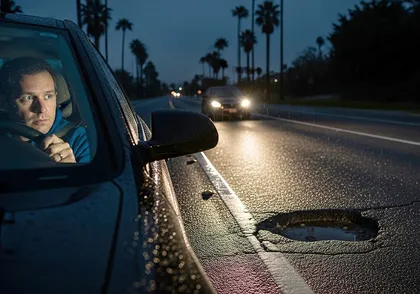
- A car drifting slightly within its lane may signal distraction or fatigue.
- Brake lights lighting up far ahead often indicate traffic is slowing.
- A vehicle inching forward at a red light may be preparing to run it.
When you notice these early warning signs, you can adjust smoothly rather than react at the last second.
Reading What Other Drivers Are About To Do
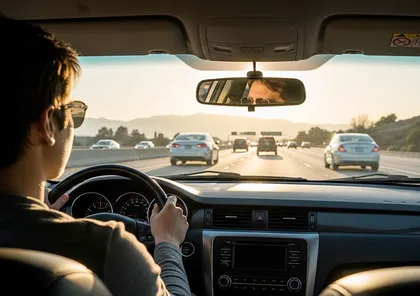
Defensive driving is partly about reading people, not just vehicles. Subtle cues can reveal what another driver may do next:
- The front wheels are turning before a car moves.
- A driver is checking their blind spot.
- The driver is changing lane positioning near an exit.
Learning to read these signals helps you predict movements before they unfold.
Knowing Where Your Space Is
Safe drivers constantly stay aware of the space around them. They consider:
- How much room they have in front, behind, and beside them.
- Whether they are boxed in.
- Where open gaps are forming.
This awareness allows you to reposition early and avoid feeling trapped when traffic shifts.
Staying Aware Of Your Surroundings
Road conditions change quickly. Skilled drivers pay attention to:
- Road surface changes
- Construction patterns
- Weather shifts
- Areas with heavy pedestrian activity
Noticing these environmental cues helps you adapt before traction or visibility becomes an issue.
Staying Calm When Things Get Stressful
One of the most crucial driving skills is emotional control. Stress, frustration, or feeling rushed can lead to poor decisions. Strong drivers recognize rising tension and deliberately slow their reactions rather than speed them up.
Remaining calm prevents aggressive responses and risky maneuvers.
Getting The Timing Right
Driving safely also depends on good timing. That means easing off the accelerator before a traffic light changes, choosing the right moment to merge into traffic, and adjusting your speed before entering curves or shifting lanes. When you time your movements well, your driving becomes smoother and more predictable, reducing sudden corrections and lowering the risk of collisions.
Practical Driving Techniques That Support These Skills

Awareness and judgment are essential, but they must translate into consistent actions behind the wheel. The following driving techniques help you apply those higher-level skills in real time:
- Follow the Three-Second Rule: Choose a fixed object ahead. When the vehicle in front passes, count for three seconds before you reach the same point. Increase that gap in rain, fog, or heavy traffic to allow more reaction time.
- Keep a Stable Grip on the Steering Wheel: Hold the wheel steadily, ideally at the 9 and 3 positions. This improves control and reduces overcorrection during sudden movements.
- Brake Early and Gradually: Ease off the accelerator as soon as traffic slows ahead. Apply steady pressure to the brake instead of waiting and stopping abruptly.
- Signal Early and Clearly: Use your turn signal several seconds before changing lanes or turning. Clear communication helps surrounding drivers adjust safely.
- Position Your Vehicle Strategically: Avoid lingering directly beside other vehicles. Stagger your position to remain visible in mirrors and leave enough room when stopped to maneuver if necessary.
- Adjust Headlights and Speed to Conditions: Use headlights in low visibility and reduce speed on wet, icy, or uneven surfaces. Matching your driving behavior to conditions improves stability.
- Use Smooth, Controlled Movements: Accelerate, steer, and brake gradually. Sudden inputs can reduce traction and make your vehicle harder to control.
Driving skills shape how you think. Driving techniques determine how you act. When both work together, you create more time, more space, and more control in everyday traffic situations.
Applying Defensive Driving In High-Risk Situations
Certain road environments demand heightened attention and specific adjustments.
- Urban Intersections: Slow slightly before entering, even on a green light, and watch for late cross traffic or pedestrians stepping off the curb.
- Heavy Freeway Traffic: Maintain larger following gaps and avoid staying boxed in between vehicles.
- Mountain Roads: Reduce speed before curves, avoid braking mid-curve, and watch for changing elevation and limited sight distance.
- Sharing the Road With Large Trucks: Increase space and avoid driving into extended blind spots.
- Cyclist and Pedestrian Zones: Perform deliberate mirror and shoulder checks before turning or changing lanes.
When Defensive Driving Fails And An Accident Happens
Even if you practice strong driving skills and apply safe techniques, you cannot control every driver on the road. When another motorist fails to act reasonably and causes a crash, that may constitute negligence under personal injury law.
Negligence occurs when a driver breaches their legal duty to operate a vehicle safely. Examples may include:
- Speeding or driving too fast for conditions.
- Distracted driving, such as texting while driving.
- Failing to yield at intersections.
- Running red lights or stop signs.
- Making unsafe lane changes.
If that careless behavior causes your injuries, you may have the right to file a personal injury claim.
Through a claim, you may pursue compensation for damages such as:
- Medical expenses
- Lost wages or reduced earning capacity
- Vehicle repair or replacement costs
- Pain and suffering
- Other out-of-pocket losses related to the crash
The purpose of a claim is not only financial recovery. It is also about accountability. When another driver’s negligence disrupts your health, work, or daily life, the law provides a pathway to seek compensation for those losses and protect your rights moving forward.
Frequently Asked Questions About Defensive Driving Skills
Below are answers to common questions about defensive driving. These cover key concepts, practical advice, and specific situations drivers often face on the road. For more information, check out the California Driver’s Handbook.
What Are The 3 C’s Of Defensive Driving?
The three C’s are Care, Caution, and Courtesy. Here’s what each one means:
- Care: Follow traffic laws and drive responsibly. Adjust your speed and actions for road and weather conditions.
- Caution: Stay alert. Watch for hazards and never assume other drivers will follow the rules.
- Courtesy: Show respect to others on the road. Use turn signals, allow merging, and avoid aggressive moves.
Can Defensive Driving Help Reduce Road Accidents?
Yes, defensive driving lowers the risk of accidents. This method teaches drivers to stay alert, watch for hazards, and anticipate others’ actions. Quick reactions to sudden changes, such as sudden stops or pedestrians, help prevent crashes and make roads safer for everyone.
What Role Does Vehicle Maintenance Play In Defensive Driving?
Proper maintenance is key to defensive driving. Vehicles in good condition can help you respond quickly to hazards and avoid collisions more effectively. Worn brakes, smooth tires, or engine problems can increase the risk of accidents, even if you’re driving safely.
Does Music Volume Affect Defensive Driving?
Yes, loud music can interfere with defensive driving. High volumes may distract drivers and can mask important audio cues, such as sirens or horns. Ultimately, this environmental hazard can reduce one’s awareness of the road and may delay reaction times.
How Do Passengers Affect Defensive Driving Habits?
Any passenger who distracts the driver can increase the risk of a crash, especially if the driver is relatively inexperienced. For example, young drivers may take more risks when friends are in the car. In contrast, adult passengers usually encourage safer habits, such as promoting seatbelt use and avoiding distractions.
What Are The Top Safety Tips For Driving Near 18-Wheelers?
Here are some top safety tips for driving near 18-wheelers:
- Stay out of a truck’s blind spots and pass quickly.
- Always pass on the left and signal early.
- Never cut in front of a truck. They need more space to stop.
- Keep a safe distance behind trucks to avoid rear-end collisions.
- Watch for wide turns. Never squeeze between a turning truck and the curb.
- Use headlights in low visibility, but avoid turning on your high beams when you’re directly behind a truck. This vehicle’s larger side mirrors can reflect light directly into a trucker’s eyes. High beams could temporarily blind them.
Involved In A Car Accident? Seek Experienced Legal Help
Mastering both basic and lesser-known defensive driving techniques can help you stay safe on the road. However, even responsible drivers can still be involved in car accidents. If you get hurt in a crash, you may have the right to file a personal injury claim. Through it, you could seek compensation for medical bills, chiropractic care, and other accident-related expenses.
However, the claims process can be complex. In this scenario, you may be seeking free advice from car accident lawyers to clarify your rights and options. By consulting an attorney, you can make informed decisions and avoid mistakes that could affect your case.
Our team can explain your next steps, gather evidence, and negotiate settlements with insurance companies on your behalf. If you’re considering our services but are worried about how much they cost, you might be wondering, “Do lawyers only get paid if they win?” At Arash Law, our attorneys work on a contingency fee basis, meaning you only pay for their services if you receive compensation. In other words, no win, no fee.
If you find yourself thinking, “I need a personal injury lawyer,” contact AK Law at (888) 488-1391. We offer a free initial consultation to help you learn about your legal rights and potential avenues for pursuing compensation.