TL;DR: If you get hurt at a gas station, seek medical care immediately and document what caused the injury because liability depends on who created or ignored the hazard. Owners, drivers, employers, or manufacturers may be responsible, and California’s 2-year deadline to file a personal injury claim can limit your recovery if evidence disappears.
Highlights:
- Seek medical care immediately and document the injury thoroughly.
- Report the incident to management and request an incident report.
- Preserve evidence: take photos, collect witness info, and save receipts.
- Act quickly to secure surveillance footage, as it may be deleted soon.
- Track how the injury affects your daily life, including work and activities.
- Be cautious when speaking to insurance adjusters – stick to basic facts.
Tip: Keep a detailed account of the incident and preserve all evidence as soon as possible to support your case.
Table of Contents
If you get hurt at a gas station in California, get medical care right away, report the incident, take photos, gather witness information, and preserve any evidence before it disappears. Your legal options will depend on how the injury happened, who caused it, and whether the case involves premises liability, a car accident, negligent security, a defective product, or a workplace injury.
Gas station injuries can happen in several ways. You may slip on oil near a pump, trip over broken pavement, get hit by a car in a tight parking area, suffer burns, inhale toxic fumes, or get assaulted because of poor security. Depending on the facts, the party responsible may be the station owner, the store operator, another driver, a contractor, a product manufacturer, or an employer if you were working at the time.
If you are thinking, “I need a personal injury lawyer,” start by focusing on the basics that protect both your health and your claim:
- Get medical treatment as soon as possible.
- Report the incident to the gas station manager.
- Photograph the hazard, scene, and visible injuries.
- Get witness names and contact information.
- Save receipts, bills, and damaged property.
- Speak carefully with insurers and stick to facts.
Steps To Take After A Gas Station Injury
If you got injured at a gas station, focus on protecting your health, preserving evidence, and avoiding mistakes that could weaken your claim.
Get Medical Treatment And Follow Up
If you have not seen a doctor yet, do that as soon as possible. Even if your injuries seemed minor at first, symptoms can get worse over time. Prompt treatment also creates medical records that may help connect your injuries to the incident.
Follow all treatment instructions. Attend follow-up visits, fill prescriptions, and maintain records of all care. If your doctor recommends physical therapy or chiropractic treatment, keep track of those visits too.
Write Down Everything You Remember
As soon as you can, make a detailed note of what happened. Include:
- The date and time of the incident.
- The exact location of the gas station.
- The specific place where you got hurt.
- The potential cause of the injury.
- What the area looked like.
- Whether there were warning signs.
- What employees or witnesses said.
- Any pain that you felt right away.
Memories fade quickly. A written account made soon after the incident can be very helpful later.
Report The Incident If You Have Not Already
If no report was made at the scene, contact the gas station as soon as possible and request an incident report. Write down the name and job title of the person you speak with. Ask how you can get a copy of the report.
If you were working at the gas station when you got hurt, report the injury to your employer right away. Ask for the paperwork needed to start a workers’ compensation claim.
Preserve Any Evidence You Already Have
Gather and store all incident-related materials in one place, including:
- Photos of the scene or hazard.
- Photos of your injuries.
- Torn or stained clothing.
- Shoes worn at the time.
- Medical records and discharge papers.
- Receipts from the gas station.
- Names and contact information of witnesses.
- Any emails, texts, or messages about the incident.
If the injury involved a car accident, also save photos of the vehicles, repair estimates, and insurance information.
Try To Secure Surveillance Footage Quickly
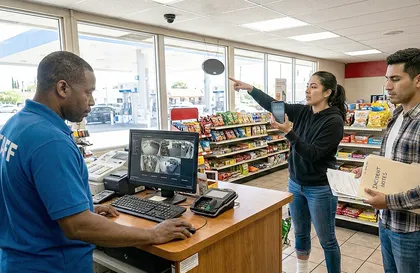
Gas stations often have security cameras, but footage may be deleted or overwritten. If you believe a camera caught the incident, act quickly. You or your lawyer can ask the business to preserve any footage from the incident date and time.
Surveillance footage can be important in cases involving:
- Slip and falls
- Parking lot crashes
- Assaults
- Unsafe conditions near pumps or store entrances
Keep Track Of How The Injury Affects Your Daily Life
Your injuries may affect more than your medical bills. Start keeping a record of:
- Pain levels
- Missed work
- Sleep issues
- Problems driving or walking
- Limits on daily activities
- Emotional distress after the incident
Records of the list above can help show how the injury affected your life beyond the initial accident.
Be Careful When Dealing With Insurance Companies
You may get a call from an insurance adjuster soon after the incident. Be cautious. Do not guess about what happened, do not minimize your injuries, and do not agree to a recorded statement unless you fully understand your situation.
Stick to basic facts. If you are still being evaluated or treated, say that your medical care is ongoing.
Identify What Type Of Claim You May Have
Gas station injuries can involve different legal issues. Your case may involve:
- Premises Liability Claim: If you slipped, tripped, or fell because of a dangerous condition.
- Car Accident Claim: If a driver struck you with a vehicle.
- Negligent Security: If somebody attacked you due to insufficient security.
- Product Liability Claim: If defective equipment caused the injury.
- Workers’ Compensation Claim: If you were hurt while working.
Some cases involve more than one claim. For example, an employee injured by a delivery driver may have both a workers’ compensation claim and a third-party injury claim.
Understand The Damages You May Be Able To Recover
Depending on the type of claim, you may be able to seek compensation for:
- Medical expenses
- Lost income
- Future treatment
- Pain and suffering
- Property damage
- Emotional distress
If you are unsure about the process, reviewing a step‑by‑step guide to filing a personal injury claim can help you understand what to expect and how to protect your rights.
Speak With A Lawyer Before Evidence Disappears
Gas station injury cases can become complicated fast, especially when more than one party may be responsible. A lawyer can help determine whether the case involves premises liability, a third-party claim, or workers’ compensation, and can act quickly to preserve evidence.
How Do People Get Injured At Gas Stations?
Gas station injuries are not limited to slip-and-fall accidents. These properties combine fuel pumps, moving cars, foot traffic, bathrooms, store aisles, and sometimes poor lighting or limited staff. That mix can create several different injury risks.
Common gas station incidents include:
- Slip and fall accidents from gas, oil, water, or spilled drinks.
- Trip and fall accidents caused by potholes, uneven pavement, cords, or debris.
- Car accidents in tight parking and pump areas.
- Pedestrian accidents near entrances, exits, and backing vehicles.
- Burns from fires, fuel ignition, or hot surfaces.
- Respiratory harm from fumes or poor ventilation.
- Assaults, robberies, or other violent acts.
- Falling merchandise or unsafe store conditions.
- Injuries caused by defective pumps, hoses, or other equipment.
In some cases, multiple contributing factors can cause a gas station injury. That could give the victim several options for pursuing compensation. For example, a worker hit by a delivery vehicle while cleaning a spill may have a workers’ compensation claim and a third-party injury claim.
Who May Be Legally Responsible For A Gas Station Injury?
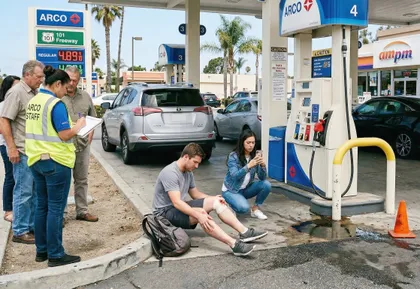
Liability depends on the facts. In California, different parties may owe different duties depending on where the injury happened and what caused it.
Possible liable parties include:
- The property owner.
- The gas station operator or store operator.
- Employees who failed to address a known hazard.
- Another driver or customer.
- A maintenance company or contractor.
- A product or equipment manufacturer.
- An employer, for workers’ compensation purposes.
Knowing the potentially responsible parties matters because gas stations often operate through separate ownership and management arrangements. The landowner, the brand, and the store operator may not be the same entity. A careful investigation can help identify the right defendants and insurance policies.
Is A Gas Station Injury Usually A Premises Liability Case?
Often, yes. Many gas station injury claims fall under California premises liability law because property owners and occupiers generally have a duty to use reasonable care in maintaining their premises. If you were hurt because of an unsafe condition at a gas station, speaking with premises liability attorneys may help you understand your legal options.
A premises liability claim may arise when a gas station fails to address:
- Oil or gas spills near pumps.
- Wet restroom floors.
- Broken pavement or potholes.
- Poor lighting.
- Debris in walkways.
- Missing or inadequate warning signs.
- Unsafe store aisles or displays.
To prove a premises liability claim, you generally need to show the property owner or operator knew, or should have known, about the dangerous condition and failed to act reasonably. That is why evidence such as surveillance video, witness statements, and photos taken right away can be very important.
If another customer created the hazard, the station may still be liable if staff had enough time to discover and fix it. That is called notice or constructive notice.
What If A Driver, Another Customer, Or A Criminal Injures Me?
Not every gas station injury is just a property hazard case. Sometimes another person’s conduct causes the harm.
If another driver hit you while pulling in, backing up, or leaving the station, your claim may look more like a standard motor vehicle case. The driver may be liable for careless driving, and the station may also share responsibility if the layout, traffic flow, or lack of markings contributed to the danger.
If another customer caused the incident, that person may be directly liable. Examples include pushing, fighting, dropping items, reckless driving, or spilling a substance and leaving it behind.
If you were attacked, a negligent security claim may be possible in some situations. These cases usually focus on whether the business failed to take reasonable security measures in light of foreseeable crime risks. Relevant facts may include lighting, camera placement, staffing, prior incidents, or broken locks.
What If A Gas Station Worker Gets Injured On The Job?
If you were working when you got hurt, you may have a workers’ compensation claim. In California, workers’ compensation usually covers medical treatment, temporary disability benefits, and other benefits for work-related injuries, even if you do not prove fault.
That can apply if you were working anywhere on the property, including while:
- Pumping gas
- Cleaning spills
- Stocking shelves
- Taking out trash
- Working overnight
- Directing traffic around pumps
- Handling deliveries
Report the injury to your employer as soon as possible. Your employer should provide a DWC-1 claim form. Fill it out promptly and keep a copy for your records.
Workers’ compensation may not be your only option. If someone other than your employer or coworker caused the injury, you may also have a third-party claim. For example, a defective pump, a negligent delivery driver, or a contractor’s unsafe work may create a separate personal injury case in addition to workers’ compensation.
What Injuries Are Common After A Gas Station Accident?
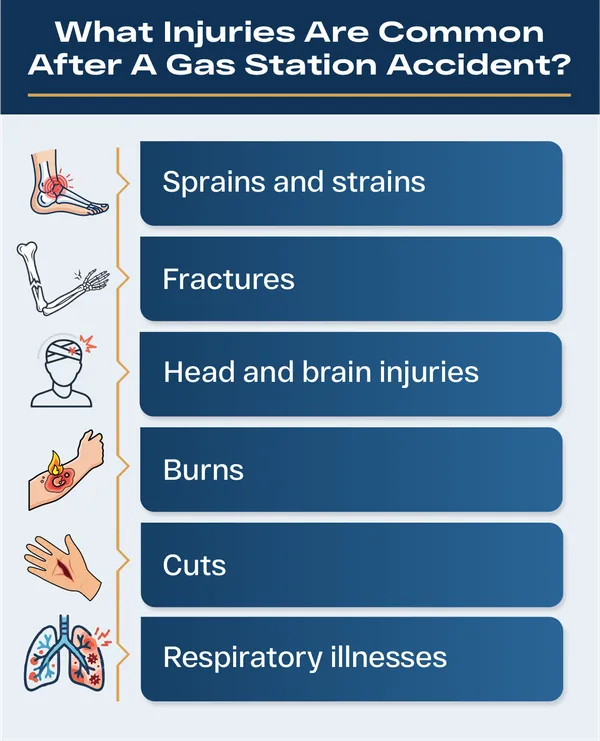
Gas station injuries can range from minor to life-changing, and the type and severity of the injury often affect the strength and value of a personal injury claim. In California, an injured person may be able to recover compensation for medical care, lost income, pain and suffering, and other losses when someone else’s negligence caused the accident.
Head injuries deserve special attention in these cases. A person may suffer a concussion, traumatic brain injury, or another serious head injury after slipping on oil, tripping over broken pavement, being struck by a vehicle, or being assaulted at a gas station.
Injuries such as head trauma may not seem severe right away, but symptoms such as headaches, dizziness, confusion, nausea, memory problems, light sensitivity, or trouble concentrating can appear hours or days later. Because head injuries can affect daily life, work, and long-term health, they can play a major role in a personal injury claim.
Common injuries after a gas station accident include:
- Sprains and strains
- Fractures
- Brain injuries and concussions
- Back and neck injuries
- Burn injuries
- Cuts and scarring
- Knee, ankle, and shoulder injuries
- Respiratory problems after inhaling fumes
- Emotional distress after an assault or traumatic event
The more serious the injury, the more medical proof a claim usually requires. Records such as emergency room reports, imaging results, specialist evaluations, and follow-up treatment notes can help demonstrate the extent of the injury and its impact on your life.
Some people also need ongoing care such as imaging, neurologic evaluation, specialist visits, physical therapy, or chiropractic treatment, depending on the diagnosis and the doctor’s recommendations. It is best to follow a licensed provider’s treatment plan and keep records of all care.
What Compensation May Be Available After A Gas Station Injury?
The value of a claim depends on the facts, the injury, and the available insurance. California law may allow recovery for both economic and non-economic losses in a personal injury case. Workers’ compensation benefits are subject to different rules.
Potential damages in a personal injury claim may include:
- Medical bills
- Future medical care
- Lost income
- Reduced earning ability
- Property damage
- Pain and suffering
- Emotional distress
- Loss of enjoyment of life
- Wrongful death damages in fatal cases
The type of claim also affects what compensation may be available. For example, a customer who got injured in a slip-and-fall incident may pursue damages in a premises liability claim. A worker may qualify for workers’ compensation benefits. A driver hit by another motorist may have an auto injury claim. In some cases, more than one route may apply.
How Long Do I Have To File A Claim In California?
In many California personal injury cases, the statute of limitations is generally two years from the date of injury. That often applies to claims involving slips, trips, falls, assaults, and many other gas station injury incidents.
Still, deadlines can vary depending on the facts. For example, insurance reporting deadlines, workers’ compensation notice rules, and other procedural requirements may come up much sooner. Waiting can also hurt your case, as evidence may disappear quickly.
That is one reason people often look for free advice from a gas station accident lawyer soon after an incident. Early guidance can help preserve video, identify the correct parties, and avoid mistakes with reports, forms, and statements.
What Evidence Is Most Helpful In A Gas Station Injury Claim?
The best types of evidence usually show three things: what happened, why it happened, and how badly you were hurt.
Helpful evidence may include:
- Surveillance video.
- Incident reports.
- Photos and videos from the scene.
- Witness statements.
- Medical records and bills.
- Payroll records or proof of missed work.
- Property repair or replacement receipts.
- Inspection or maintenance records.
- Police reports if law enforcement responded.
- Employment records for workplace claims.
Surveillance camera footage can be especially important. In particular, gas station slip-and-fall lawyers work fast to obtain this evidence because it can show whether a spill sat long enough to be discovered, whether a driver was moving carelessly, or whether staff responded reasonably. Because footage may not be kept forever, quick action matters.
Should I Talk To The Insurance Company On My Own?
You can, but be careful. Insurance companies often ask for recorded statements early, sometimes before the full extent of your injuries is clear. A simple comment like “I’m okay” can later be used to minimize your claim.
A safer approach is to:
- Confirm only the basic facts.
- Avoid guessing about who’s at fault.
- Avoid downplaying your injuries.
- Avoid accepting quick payment before you know your damages.
- Keep copies of all communications.
If your injuries are serious, liability is unclear, or multiple parties may be involved, legal help may be useful.
How Can A Personal Injury Lawyer Help After A Gas Station Injury?
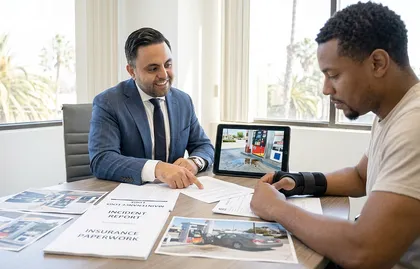
A lawyer can help sort out what kind of claim you actually have. Gas station injury cases often involve overlapping issues, including premises liability, negligent security, vehicle collisions, product defects, and workers’ compensation.
A lawyer can help by:
- Investigating the scene and legal theory.
- Identifying all potentially liable parties.
- Preserving surveillance footage and records.
- Collecting medical and wage-loss evidence.
- Handling insurance communications.
- Valuing damages at a high level.
- Filing claims or lawsuits on time.
- Explaining whether workers’ compensation and third-party claims can proceed together.
At Arash Law, the goal is to help injured people understand their options, protect evidence, and pursue a claim that fits the facts.
If you are asking, “Do lawyers only get paid if they win?” many personal injury lawyers handle these cases on a contingency fee basis. This arrangement means attorney’s fees are typically collected only if there is a recovery of damages.
FAQs About Injuries Sustained In A Gas Station Accident
The following FAQs cover common questions about gas station injury claims in California.
Do I Need A Lawyer For A Minor Gas Station Injury?
Not every minor injury requires a lawyer, but some claims become more complicated than they first appear. Legal guidance may help if your symptoms worsen, the station denies fault, video footage may be lost, or an insurer tries to minimize your injuries.
Can I Sue If I Slip On Gas Or Oil Near The Pump?
Possibly. You may have a premises liability claim if the station knew, or should have known, about the spill and failed to clean it up or warn customers within a reasonable time.
Can I Sue The Gas Station If I Was Attacked There?
In some cases, yes. A negligent security claim may be possible if the business failed to take reasonable safety measures despite foreseeable risks, such as poor lighting or inadequate security in a known problem area.
What Medical Care Should I Get After A Gas Station Injury?
Get the care that fits your symptoms. That may include emergency treatment, urgent care, follow-up with your doctor, imaging, physical therapy, or chiropractor visits if medically appropriate. Follow professional advice and keep records of every visit.
What If Another Driver Hit Me In The Gas Station Lot?
You may have a claim against that driver, and in some cases, the station may also share fault if unsafe traffic flow, poor design, or missing warnings contributed to the incident.
Get Guidance After A Gas Station Injury In California
Getting hurt at a gas station can leave you with medical bills, lost income, and questions about who may be responsible. Whether your injury resulted from a slip-and-fall, a car accident, unsafe property conditions, negligent security, or a workplace incident, understanding your legal options can help you make informed decisions.
AK Law helps injured people evaluate gas station injury claims under California law. If you were hurt at a gas station and want to learn about your options, call (888) 488-1391 for a free initial consultation. We typically handle injury claims on a contingency fee basis, meaning attorney’s fees are collected only if there is a recovery.