TL;DR: Teen e-bike crashes in California can cause injuries to pedestrians, riders, and passengers, and liability may fall on the teen, their parents, or other parties. Fault depends on traffic or e-bike law violations, and early preservation of evidence is crucial for meeting legal deadlines.
Highlights:
- Identify the teen rider and their parents or guardians immediately.
- Document the e-bike type, class, modifications, and helmet usage.
- Call law enforcement to file an official crash report.
- Collect witness names, contact details, and statements at the scene.
- Preserve photos, videos, damaged items, and any property evidence.
- Track all medical records, repair bills, lost income, and expenses.
- Act quickly to meet California filing deadlines for personal injury claims.
Tip: Check nearby cameras and request footage promptly before it is erased.
Table of Contents
If a teen causes an e-bike crash in California, the injured person may file a personal injury claim. This could be against the teen, their parents, an insurance policy, or another responsible party. The details that matter include how the crash happened, the type of e-bike, and whether the teen broke traffic or helmet laws.
What the parents knew beforehand is also an important factor in these claims. Parents do not automatically pay for every crash their child causes. California law usually needs a clear reason to hold them responsible. Examples include negligent entrustment or negligent supervision.
However, these claims may also involve a law about a minor’s intentional actions. In these cases, insurance still matters because a valid claim still needs a source of payment.
How California Law Handles Teen E-bike Crashes
California classifies e-bikes into three classes. Each class carries different restrictions for minors. Class 3 e-bikes are age-restricted for riders under 16. Riders under 18 must wear a helmet on any e-bike class, and Class 3 riders and passengers must wear a helmet regardless of age.
The California Vehicle Code limits all e-bikes to a maximum motor power of 750 watts and classifies them based on motor assistance and top speed:
- Class 1: Pedal-assist only; motor cuts off at 20 mph.
- Class 2: Throttle-assisted; motor cuts off at 20 mph.
- Class 3: Pedal-assist only, no throttle; motor cuts off at 28 mph, equipped with a speedometer, with only limited start assistance or walk mode allowed up to 3.7 mph.
Under the CVC, e-bike riders also have the same rights and duties as vehicle drivers. That means a teen on an e-bike must stop at red lights and stop signs, yield the right of way when required, and ride with traffic.
When a teen violates these rules, specific measures may be taken. For instance, under Assembly Bill 875, a Class 3 e-bike may be impounded on the spot if a teen younger than 16 is riding it. That teen may have to provide proof that they completed an approved safety and training course to retrieve the bike. Impound or storage fees may apply at the time of the bike’s release.
When Are Parents Liable For A Teen’s E-bike Accident?
Parents may face liability if their own conduct contributed to the e-bike crash. In some cases, they may also be financially responsible for their child’s conduct under California law. In teen e-bike cases, parental liability usually falls into three categories:
-
Negligent Entrustment: This may apply when a parent gives a teen an e-bike and knew, or should have known, that the teen was likely to use it dangerously.
For example, a parent may create liability if they intentionally ignore the age limit for Class 3 e-bikes and buy one for their 14-year-old. They may also be liable if they let a teen ride a modified bike. The modified bike may no longer qualify as a legal e-bike.
-
Negligent Supervision: A parent may face liability if they knew the teen was taking unsafe risks but did nothing to stop it. For example, our piece on Bay Area teens facing more e-bike injuries speculates that many may not know how to maneuver these high-speed bikes on local roads. If parents know about that lack of experience and still let their teen ride, they may face liability if an accident occurs.
Carrying passengers in an unsafe way or using the e-bike recklessly can also be a concern. In these cases, electric bike accident lawyers may review earlier warnings and complaints. They may also review videos or past incidents. This evidence can show the parent knew about the risk.
-
A Minor’s Intentional Misconduct: California has a parental liability rule for a minor’s willful misconduct. It may apply when a teen intentionally hurts someone, such as by deliberately hitting a pedestrian or using the e-bike to threaten another person. It does not apply to ordinary carelessness or a simple riding mistake.
When this rule applies, the parent or guardian with custody and control may share financial responsibility. However, the law limits how much the injured person can recover from the parent.
Other parties may also share fault in a teen e-bike crash, including:
- Rental Companies: A rental company may be liable if negligent practices, such as inadequate age verification or unsafe equipment, contributed to the crash.
- Manufacturers: A manufacturer may be liable if a defective throttle, brake, battery, or speed-control system contributed to the crash.
- Property Owners or Public Agencies: A property owner or public agency may be liable. That can happen if unsafe premises or a dangerous road condition contributed to the crash.
Will Insurance Cover A Minor’s E-bike Accident?
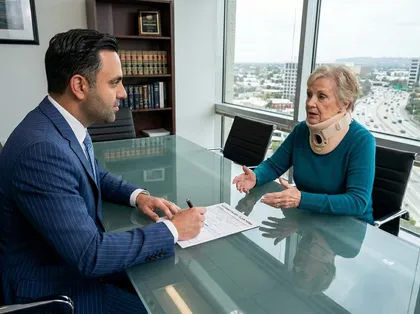
Determining insurance coverage often becomes the hardest part of pursuing a claim arising from a teen e-bike crash. This task is rarely straightforward because typical liability agreements frequently exclude these motorized devices. Different policies may also apply depending on the facts and the policy language:
- Standard Auto Insurance: Usually does not cover e-bike use. Many auto policies may not apply because e-bikes may not meet the policy’s definition of a covered vehicle.
- Homeowners or Renters Insurance: May cover the crash if the teen lives with the insured parent. The policy must include personal liability coverage. However, insurers may deny coverage under motor vehicle exclusions. They may also deny coverage for intentional acts or for modified devices. Applicability depends on the policy’s exact wording.
- Umbrella Insurance: May provide extra coverage if an underlying homeowners or renters policy applies.
- Business Insurance: May be relevant if the teen used the e-bike for deliveries, work errands, or another business purpose.
- Uninsured/Underinsured Motorist (UM/UIM) Coverage: The injured person’s own UM/UIM coverage may help in some cases, especially if the teen fled or had no usable insurance. However, coverage depends on how the policy defines the vehicle and the crash.
Steps To Take If A Teen On An E-bike Hits You
What you do after a teen e-bike crash can affect your ability to seek compensation. Seeking immediate medical care can help you safeguard your health. Establishing a factual foundation could also prevent responsible parties from denying fault or shifting the blame onto you during the claims process.
- See a Doctor Immediately: Get checked even if you feel fine. Concussions, internal injuries, and soft tissue damage may not show symptoms right away.
- Call the Police: A police report helps identify the teen rider, document the crash, and record details that may support parental liability.
- Get Witness Information: Ask witnesses for their names and contact details before they leave. Their statements may help prove how the crash happened.
- Document the Scene: Take photos of your injuries, the road, the e-bike, and any damage. Note the bike’s make, model, class label, and visible modifications.
- Get the Parents’ Information: Get the teen’s name, the parents’ contact information, and any available insurance details.
- Look for Video Footage: Check nearby homes, schools, businesses, intersections, or parking lots for cameras. That way, you can request a copy of surveillance footage before security systems erase it.
- Save Damaged Items: Keep your helmet, clothing, bike, phone, bags, or other damaged property. These items may help show the impact’s force.
- Avoid Recorded Statements: Speak with an attorney before talking to an insurer. If you are thinking, “I need a personal injury lawyer,” getting legal advice early can help protect your claim.
- Track Your Losses: Save medical bills, repair estimates, missed-work records, and receipts for out-of-pocket costs.
What Compensation Can Victims Recover?
A personal injury claim may help you recover compensation for the physical and intangible losses you sustained due to the e-bike crash. The amount you can seek depends on your injuries, your recovery needs, and the insurance coverage available to you.
Recoverable damages may include:
- Medical Expenses: Emergency care, surgery, hospital stays, medication, physical therapy, chiropractic care, and future treatment.
- Lost Income: Wages you lost while recovering and any reduced ability to earn in the future.
- Out-of-Pocket Costs: Medical equipment, transportation, repair costs, and other crash-related expenses.
- Pain and Suffering: Physical pain, emotional distress, anxiety, and loss of enjoyment of life.
If the crash caused a death, surviving family members may be able to file a wrongful death claim. This type of claim can seek compensation for funeral costs, lost financial support, and the loss of the person’s care, companionship, and guidance.
Strict deadlines apply, so injured people and their families should act quickly to protect their right to file a claim.
California Deadlines For E-bike Crash Claims
Acting quickly after a teen causes an e-bike crash is vital because surveillance systems may erase video footage, skid marks can fade, and witnesses can become harder to locate. More importantly, waiting too long can cause you to miss a filing deadline. That could end your right to seek compensation because a court can dismiss your case. Key deadlines include:
- Personal Injury Lawsuits: You generally have two years from the crash date to file a lawsuit. Exceptions may apply:
- Cases Involving Minors: The deadline typically pauses until they turn 18, but this tolling rule does not generally apply to claims that must be presented against a public entity or public employee under the Government Claims Act.
- Delayed Injury Discovery: The filing window may only begin on the day you discovered, or should have reasonably discovered, your injury.
- Property Damage Lawsuits: You generally have three years from the date of the accident to sue.
- Government Claims: You may have only six months to file a written claim if a dangerous public road, unsafe bike path, broken signal, or government agency contributed to the crash.
Frequently Asked Questions About California E-Bike Injury Claims
If you got hurt in an e-bike accident, you may have questions about your legal rights, deadlines, and options for seeking compensation. You may even be looking for free advice from electric bike accident lawyers. The answers below address some of the most common concerns riders and their families have after a crash.
What If The Teen E-Bike Rider Fled The Scene Of The Crash?
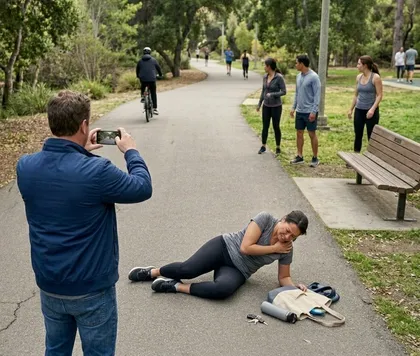
Report the crash to the police and gather as much evidence as possible. Photos, witness names, video footage, bike-share records, and footage from nearby businesses may help identify the rider. Your own insurance may also matter if the teen cannot be found.
Do Teens Need A Driver’s License To Ride An E-Bike In California?
No. California does not require a driver’s license to ride a legal Class 1, Class 2, or Class 3 e-bike. However, the device must meet the legal definition of an e-bike. If it lacks working pedals, exceeds the power limit, or has been modified beyond legal e-bike limits, different motor vehicle rules may apply.
Are E-Bikes Allowed On California Sidewalks?
State law does not give every e-bike rider a blanket right to use sidewalks. Local ordinances often control sidewalk use. Cities may restrict e-bikes in busy pedestrian areas, parks, trails, and commercial districts. If a teen hit you on a sidewalk, the local rule may affect the determination of fault.
What If I Was Partially At Fault For The E-Bike Accident?
California uses pure comparative negligence. You can still get compensation even if you’re partly at fault. However, your share of responsibility may lower the amount you receive. For example, if you were 20% at fault, you may recover up to 80% of your damages.
Can Parents Be Cited If Their Child Breaks An E-Bike Law?
Under California law, a minor’s e-bike helmet citation remains tied to the minor’s conduct. Still, a parent or legal guardian with custody or control of an unemancipated minor may be jointly and severally liable with the minor for any resulting helmet fine. The parent or guardian may also avoid the citation being transmitted to court and avoid the fee by providing proof within 120 days that the minor has a compliant helmet and completed a qualifying e-bike safety course.
For civil injury damages, the legal analysis remains different. To hold a parent or guardian liable, the injured person usually needs to prove negligent entrustment, negligent supervision, willful misconduct, or another valid basis for liability.
Do Lawyers Only Get Paid If They Win An E-Bike Accident Case?
In most personal injury cases, lawyers charge a contingency fee. That means you don’t pay anything unless they win your case or reach a settlement. The attorney’s fee is typically a percentage of the recovery, so there is no upfront cost to get legal help. Additionally, if there is no recovery, there are no legal fees.
Injured By A Teen On An E-Bike? Know Your Legal Options
Many may not know that homeowners’ insurance can help. Business insurance might also cover their crash. At Arash Law, or AK Law, our lawyers help injured victims identify all available avenues of compensation after a teen causes an e-bike crash.
Our team also seeks accountability from negligent parties in these cases. When insurers try to limit your recovery, we can help negotiate a settlement that reflects the full value of your losses. That includes medical costs, lost income, and long-term care.
We handle contact with the insurer throughout the process. Handling communications prevents adjusters from limiting your options before you understand them.
Call us at (888) 488-1391 for a free initial consultation. You owe no attorney’s fees unless we win.