TL;DR: A pedestrian accident attorney in California should have direct pedestrian case experience, knowledge of local courts, trial readiness, and strong client reviews. Many attorneys work on a contingency basis, which means you typically pay nothing up front, and they take a percentage of any settlement or judgment only if you win. Still, time is critical; evidence like surveillance footage and witness statements can disappear quickly.
Highlights:
- Prioritize attorneys with specific experience in pedestrian cases, local court knowledge, trial readiness, and strong client reviews.
- Ask directly about fee percentages, who handles your case day-to-day, and whether the firm takes cases to trial.
- Request the attorney’s strategy for securing surveillance footage, 911 calls, and witness statements early in the process.
- Understand that California’s pure comparative negligence law lets you recover even if found partially at fault.
- Know your deadline: file a personal injury lawsuit within two years; file a government claim within six months.
- Avoid accepting early settlement offers from insurers before fully understanding the scope of your injuries and future care needs.
- Act quickly to preserve evidence, as surveillance footage, witness details, and scene conditions can disappear within days.
Tip: Ask how the lawyer will preserve evidence and prepare the case. Before accepting an early offer, make sure it accounts for your documented injuries and future care needs.
Table of Contents
When a vehicle strikes a pedestrian, the harm goes beyond the crash itself. You may face serious injuries, growing medical bills, and lost income all at once. That kind of pressure is hard to carry alone, and you do not have to.
Knowing how to choose the right pedestrian accident attorney in California takes more than a quick online search. The attorney you hire should have direct experience with pedestrian injury cases, be prepared to take your case to trial, and be clear about their fees from the start.
These criteria give you a way to compare attorneys side by side, not just on reputation but on fit for your case. Understanding what to ask early helps you walk into that first meeting prepared.
What To Look For In A California Lawyer Who Handles Pedestrian Accidents
Not every personal injury attorney will be the right fit for your case. A pedestrian accident can affect your health, your finances, and your daily life. The lawyer you choose may work with you for months or even years. That is why it is worth taking time to compare your options.
The best pedestrian accident attorney is not simply the one with the biggest advertising budget or the most years of practice. You want someone whose experience, communication style, and approach match your needs. A lawyer should also make you feel informed and supported throughout your case.
If you are looking for a personal injury lawyer to handle your pedestrian accident case, these are some of the most important things to look for before making your decision:
Experience With Pedestrian Accident Cases
Choose an attorney who has handled pedestrian accident cases before. These claims often involve issues different from those in other personal injury cases. The lawyer may need to prove who had the right of way, respond to claims that the pedestrian caused the crash, or show how the injuries will affect your future.
During your consultation, ask questions that help you understand the lawyer’s experience, such as:
- Have you handled pedestrian accident cases before?
- How do you handle cases where the driver blames the pedestrian?
- What types of pedestrian accident cases do you handle most often?
- What challenges have you seen in pedestrian accident claims?
The answers can help you decide whether the attorney has experience with cases like yours and whether you feel confident working with them.
Knowledge Of California Law And Local Courts
Look for an attorney who understands how California law applies to pedestrian accidents. These cases often involve questions about who had the right of way, whether the pedestrian shares fault, and how long you have to file a claim. A lawyer with this knowledge can explain your options and avoid common legal mistakes.
Look for a pedestrian accident lawyer who is familiar with:
- California’s pedestrian right-of-way laws.
- The state’s pure comparative negligence rule.
- The legal deadlines for filing a pedestrian accident claim.
- The local courts that may handle your case and their procedures.
Experience With Serious Injuries And Case Valuation
Pedestrian crashes may cause brain injuries, spinal injuries, fractures, internal injuries, amputations, permanent disabilities, or death. Look for an attorney who knows how to document both immediate losses and long-term effects.
That may include medical expenses, future treatment, lost income, reduced earning ability, rehabilitation, assistive care, and the effect of the injury on daily life. Ask how the attorney will document your medical condition and determine whether you may need future surgery, rehabilitation, mobility equipment, home modifications, in-home assistance, or long-term care. In catastrophic injury cases, the lawyer may need to work with medical specialists, vocational experts, economists, or life-care planners to evaluate the full effect of the injury.
You should also ask whether the firm helps clients understand how treatment will be paid while a claim is pending. Health insurers, Medicare, Medi-Cal, medical providers, and workers’ compensation carriers may assert reimbursement rights or liens against a recovery. These obligations can affect the amount of money the client ultimately receives.
Past settlements and verdicts do not guarantee a future result. However, results from similar pedestrian or serious-injury cases may help indicate whether the lawyer has experience handling complex claims.
Trial Experience And Case Strategy
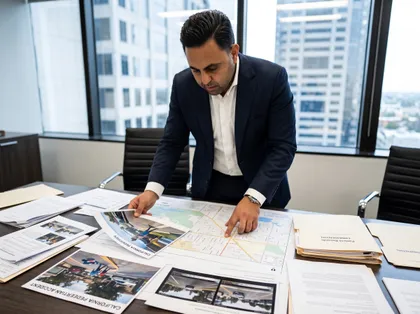
Many pedestrian accident claims settle without going to court. Even so, consider working with an attorney who can take your case to trial if the insurance company does not offer a fair settlement. Trial preparation may involve depositions, expert testimony, court motions, accident reconstruction, and the presentation of medical evidence.
Ask the attorney:
- Who will handle depositions and court hearings?
- Will the same lawyer handle the case from the consultation through trial?
- How do you decide whether to recommend settlement or litigation?
Be cautious of guarantees or promises about a specific settlement amount. A trustworthy attorney should be able to explain both the strengths and weaknesses of the case and give a realistic assessment based on the available evidence.
Communication, Reputation, And Fees
Choose a lawyer who communicates clearly and explains the case in plain language. During the consultation, pay attention to whether the attorney listens, answers questions directly, and explains who will manage the claim.
Ask how often you will receive updates, who your main contact will be, and whether you will have direct access to an attorney. Client reviews also help you evaluate responsiveness, professionalism, and the overall client experience. You can also check the State Bar of California to confirm the lawyer’s license status and public disciplinary history.
Many pedestrian accident lawyers work on a contingency fee basis. If you are wondering whether lawyers only get paid if they win, ask the attorney to explain how their fee agreement works before you sign. You should understand:
- The contingency fee percentage.
- Any fee increase after a lawsuit is filed.
- Responsibility for case-related costs.
- How costs are deducted from your recovery.
- Potential expenses if the case is unsuccessful.
- The effect of medical liens on your recovery.
Taking time to compare lawyers can help you make a more informed decision. Asking questions during your first meeting can also help you decide whether the lawyer is a good fit for your pedestrian accident case.
What To Bring During Your Initial Consultation
Your first meeting gives the attorney a chance to understand what happened, identify possible sources of compensation, and explain what must be done next. Bring whatever information you already have, but do not delay the consultation because some records are missing.
If you have them, bring the following:
- The police or collision report.
- The driver’s name, license plate, and insurance information.
- Photos or videos of the scene, vehicle, injuries, and damaged property.
- Witness names and contact information.
- Medical records, discharge instructions, prescriptions, and bills.
- Health insurance, Medicare, or Medi-Cal information.
- Auto insurance policies for you and members of your household.
- Insurance letters, emails, recorded-statement requests, and settlement offers.
- Pay stubs, tax records, work schedules, or proof of missed work.
- Rideshare, delivery, or transit information connected to the vehicle.
- Any notices or correspondence from a city, county, school district, or other public agency.
- The damaged clothing, shoes, phone, glasses, or other property from the accident.
Tell the attorney about nearby businesses, homes, buses, traffic cameras, or security systems that may have recorded the crash. Relevant evidence may also include 911 calls, police body-camera footage, vehicle data, cellphone records, signal timing records, app data, repair records, and roadway inspection records.
Ask whether the firm will send preservation notices before footage is overwritten or the vehicle is repaired, sold, or destroyed. An attorney may also help obtain records that are not directly available to the injured person.
Red Flags To Watch For When Choosing An Attorney
Not every attorney will be the right choice for your case. Pay attention to how the lawyer communicates and handles your questions during the consultation. If something does not feel right, it is okay to keep looking.
Some warning signs include:
- Guaranteeing a specific settlement or verdict.
- Pressuring you to sign a contract right away.
- Avoiding questions about fees or costs.
- Taking a long time to return calls or emails.
- Having little or no experience with pedestrian accident cases.
- Giving unclear or inconsistent answers about your case.
- Having many recent reviews that mention poor communication or missed updates.
Why Pedestrian Accident Cases Need The Right Legal Approach
Pedestrian accident cases often require a strategic legal approach because they involve unique challenges that can make proving liability and recovering compensation more difficult. Disputed right-of-way, comparative negligence claims, disappearing evidence, and uninsured or hit-and-run drivers can all complicate a case. An experienced attorney knows how to address these issues while building a strong claim.
California recorded 1,106 pedestrian deaths in traffic crashes in 2023, according to SafeTREC traffic safety data. Many more pedestrians suffered serious injuries. Unlike people inside a vehicle, pedestrians have little protection during a crash.
Victims may suffer fractures, traumatic brain injuries, spinal cord injuries, or other life-changing harm. Many need surgery, rehabilitation, or long-term care. Insurance companies may also dispute fault, argue that the pedestrian caused the crash, or challenge the extent of the injuries.
These are some of the legal hurdles that make pedestrian accident claims more difficult:
- Disputed Evidence and Fault: Right-of-way disputes are common. Video footage, witness statements, and road conditions can vanish within days of a crash. Without strong evidence, proving liability becomes much more difficult.
- Pure Comparative Negligence: Under Li v. Yellow Cab Co., California reduces your damages by your share of fault instead of automatically barring your claim. If you share some responsibility for the accident, you may still recover compensation, but your percentage of fault reduces your recovery.
- Pedestrian Right-of-Way Laws: While the Freedom to Walk Act (AB 2147) generally limits when officers may stop pedestrians for certain crossing violations, Vehicle Code § 21954 still requires pedestrians to yield when crossing outside a marked or unmarked crosswalk if an approaching vehicle creates an immediate hazard. Determining who had the right of way often requires a careful review of the facts.
-
Uninsured and Hit-and-Run Drivers: Recovering compensation becomes more complicated when the driver has no insurance, has insufficient coverage, or leaves the scene. Uninsured or underinsured motorist coverage under an auto policy may provide benefits to the pedestrian.
Coverage is not automatic. The pedestrian must qualify as an insured, and the policyholder may have rejected or reduced UM/UIM coverage. When the driver is unknown, California generally requires physical contact, a police report within 24 hours, and a sworn statement to the insurer within 30 days. The insured must also take one of the actions specified by Insurance Code § 11580.2 within two years, such as filing suit, reaching an agreement with the insurer, or formally instituting arbitration.
An attorney can lock down key evidence, push back on insurer fault claims, and document your full losses. That includes bills from every provider in your care, from the ER to a chiropractor. Both require legal skill and time, which can be challenging to manage when you are still healing.
Who May Be Responsible For A Pedestrian Accident?
The driver is not always the only potentially responsible party. Depending on how the accident occurred, a claim may involve:
- The owner of the vehicle.
- An employer whose employee was driving within the scope of the job.
- A trucking, delivery, rideshare, taxi, or transit company.
- A company that negligently hired, trained, or supervised the driver.
- A repair shop or maintenance provider.
- A vehicle or component manufacturer.
- A contractor who created an unsafe pedestrian route or obstructed visibility.
- A property owner whose landscaping, signs, or other obstructions contributed to the crash.
- A public entity responsible for a dangerous roadway, crosswalk, traffic signal, sidewalk, or public vehicle.
Ask whether the attorney investigates parties beyond the driver. Identifying additional responsible parties may reveal commercial, employer, umbrella, excess, or government coverage that would otherwise be missed.
What Insurance May Cover A Pedestrian Accident?
Possible sources of payment may include:
- The driver’s bodily injury liability insurance.
- A policy covering the vehicle owner.
- An employer or commercial vehicle policy.
- Rideshare or delivery company coverage.
- Umbrella or excess insurance.
- Uninsured or underinsured motorist coverage.
- Medical payments coverage.
- Health insurance, Medicare, or Medi-Cal.
- Workers’ compensation if the pedestrian was working.
More than one policy may apply. The attorney should identify available coverage, comply with policy notice requirements, and account for medical, government-benefit, or workers’ compensation liens when evaluating a settlement.
What Compensation May Be Available After A Pedestrian Accident?
The compensation available depends on the injuries, evidence, insurance coverage, responsible parties, and the pedestrian’s share of fault. A claim may include:
- Emergency care, hospitalization, surgery, therapy, medication, and rehabilitation.
- Expected future medical treatment and long-term care.
- Lost wages and employment benefits.
- Reduced future earning capacity.
- Mobility equipment, prosthetics, and assistive devices.
- Home or vehicle modifications.
- In-home assistance and attendant care.
- Damaged clothing, electronics, and other personal property.
- Physical pain and emotional suffering.
- Loss of enjoyment of life.
- Loss of consortium for a spouse or registered domestic partner, when applicable.
Punitive damages may be available in limited cases involving oppression, fraud, or malice, but they are not part of every pedestrian accident claim. An attorney should explain which losses can be supported by the evidence rather than valuing the case only from the medical bills incurred so far.
Why Working With The Right Attorney Matters
The attorney you choose can affect every part of your pedestrian accident claim. A lawyer with the right experience knows what evidence to collect, how to deal with insurance companies, and how to build a strong case. That can make a difference in both the outcome of your claim and your experience throughout the process.
Working with the right attorney may help you:
- Protect important evidence before it disappears.
- Identify everyone who may be responsible for the accident.
- Calculate the full value of your current and future losses.
- Handle insurance company communications on your behalf.
- Meet California’s legal deadlines and filing requirements.
- Negotiate for a fair settlement or take the case to trial if needed.
The value of experienced legal representation is evident in real results. Arash Law has recovered $12 million for a 74-year-old pedestrian struck while crossing the street and $10 million for a client who suffered severe injuries after being run over by a speeding vehicle.
While every case is different, these results show how thorough preparation, strong advocacy, and a willingness to litigate can make a meaningful difference.
What To Do After A Pedestrian Accident
If you’re already researching attorneys, you may have taken some of these steps. If not, or if your situation is still developing, the following actions can still help protect your health and your potential claim:
- Seek medical care right away and follow all treatment recommendations.
- Report the collision to law enforcement if it has not already been documented.
- Gather or preserve any information you have about the driver, vehicle, and insurance.
- Identify witnesses and keep their contact information.
- Save photos or videos of the scene, your injuries, and any property damage.
- Keep damaged clothing, shoes, and personal items from the accident.
- Avoid discussing fault or giving recorded statements to insurers before speaking with an attorney.
If the driver left the scene, report the hit-and-run as soon as possible. If you may need to rely on uninsured motorist coverage, California generally requires physical contact with the vehicle, a police report within 24 hours, and a sworn statement to the insurer within 30 days. Additional policy requirements may apply.
Continue medical treatment and keep records of all care, prescriptions, and work limitations. Even if some time has passed since the accident, documenting your injuries and following medical advice can still play an important role in your case.
Pedestrian Accident Cases That May Require Additional Experience
Some claims involve special rules, deadlines, or sources of compensation. Ask if the attorney has handled cases like these.
When The Injured Pedestrian Is A Minor
A parent or guardian typically files the claim on behalf of the child, and if a lawsuit is filed, the court will appoint a guardian ad litem to represent the minor’s interests. Key points to understand include:
- Settlements usually require court approval, and the court may place restrictions on how the funds are used or distributed.
- The statute of limitations may be paused until the child turns 18, but this extension does not apply to government claims.
- Government claims are generally subject to a six-month deadline, though a late claim may sometimes be allowed within one year.
- It is important to evaluate the child’s long-term medical needs, developmental progress, and potential impact on future earning capacity.
When The Pedestrian Was Working
These cases may involve both a workers’ compensation claim and a third-party personal injury claim. This situation often arises in occupations such as delivery services, construction, or crossing guard duties.
Key points to understand include:
- The injured worker is generally required to report the injury within 30 days.
- A workers’ compensation claim must typically be filed within one year.
- Workers’ compensation may cover medical treatment and disability benefits.
- A third-party claim can provide additional compensation for damages not covered by workers’ comp.
- Any recovery may be affected by liens or reimbursement obligations.
When A Public Entity May Be Responsible
Claims involving public entities can arise from incidents such as:
- Government vehicles (e.g., city buses, police cars)
- Unsafe road conditions or poor roadway design
- Malfunctioning traffic or pedestrian signals
- Defective sidewalks or crosswalks
- Construction zones or detours
In these cases:
- A government claim must usually be filed within 6 months of the incident.
- If the claim is rejected, the deadline to file a lawsuit is typically six months from the date of rejection.
- Responsibility may be shared among multiple entities, including:
- City, county, or state agencies
- Transit authorities
- Private contractors involved in maintenance or construction
When The Pedestrian Has A Catastrophic Injury
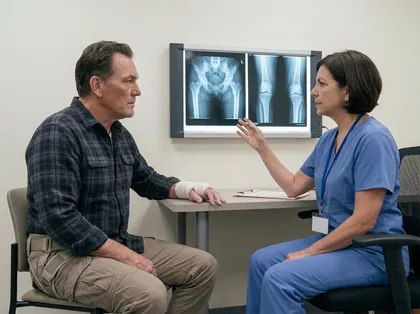
Catastrophic injuries may include:
- Traumatic brain injuries
- Spinal cord damage
- Amputations
- Severe burns
When facing injuries of this magnitude, hiring an attorney with experience in catastrophic injury cases is especially important. These cases often require a detailed evaluation of:
- Future medical care and ongoing treatment
- Rehabilitation needs and therapy
- Long-term or lifetime assistance
- Specialized equipment and assistive devices
- Home or vehicle modifications
- Reduced or lost earning capacity
An experienced attorney can coordinate with medical experts, life-care planners, and financial professionals to accurately assess these factors. Life-care planning and financial projections are often essential to understanding the full impact of the injury, and a qualified attorney can help ensure these elements are properly documented and presented. These claims should not be evaluated based solely on current medical bills.
When The Pedestrian Dies
When a pedestrian accident results in death, hiring an attorney becomes especially important to help the family understand their legal rights and responsibilities. A fatal pedestrian accident may give rise to both a wrongful death claim and a survival action. These are separate legal claims with different purposes:
- A wrongful death claim addresses the losses suffered by surviving family members.
- A survival action concerns the claims the deceased could have pursued before death.
An experienced attorney can help determine who is legally eligible to bring these claims and ensure that all proper parties are included. Eligible claimants may include:
- A spouse or registered domestic partner
- Children
- Certain dependents or heirs
A lawyer can also evaluate the full scope of damages and gather the necessary evidence to support the claim. Damages in these cases may include:
- Funeral and burial expenses
- Lost financial support
- Loss of companionship, care, and services
Survival actions generally do not include compensation for pre-death pain and suffering in cases filed after January 1, 2026.
Working with an attorney can help families avoid common mistakes and protect their rights. It is important to:
- Preserve evidence related to the accident
- Identify the estate representative
- Confirm all eligible claimants before any settlement is reached
Frequently Asked Questions
After a pedestrian accident, you may have questions about deadlines, fault, and what to do when an insurer calls with an offer. Many people also search for free advice from a pedestrian accident lawyer before deciding what to do next. The answers below explain common legal questions and can help you better understand your rights and options.
What Is The Deadline For Filing A Pedestrian Accident Claim In California?
In most cases, you have two years from the accident date to sue under CCP § 335.1. If a California public entity or public employee may be responsible, you generally must present a written government claim before filing a lawsuit. Government Code § 911.2 generally requires a personal injury claim to be presented within six months of the incident. A pedestrian accident lawyer can identify the correct deadline for your case.
Can I Still Recover Compensation If I Was Jaywalking?
Crossing outside a crosswalk does not automatically bar a California injury claim. You must still prove that another party shared fault, and the court may reduce your damages by your percentage of responsibility.
Should I Accept A Settlement Offer From The Driver’s Insurance Before Hiring A Lawyer?
It is usually best to speak with a lawyer before accepting a settlement offer. Once you accept a settlement and sign a release, you generally cannot ask for more money later, even if your injuries turn out to be more serious than expected. An attorney can review the offer and help you decide whether it fairly compensates you for your losses.
Schedule Your Free Initial Consultation With Arash Law
Your case matters too much to leave to chance. Evidence in a pedestrian accident can disappear fast. Surveillance footage gets overwritten, witnesses forget details, and conditions at the scene change. The sooner you reach out, the better your chances of preserving what your case needs.
Arash Law handles pedestrian accident cases on a contingency fee basis, meaning we collect attorney’s fees only if we obtain a recovery for you. Any responsibility for case costs or expenses will be explained in the written fee agreement. Arash Law is also known as AK Law. The firm has recovered millions for injured pedestrians, although past results do not guarantee future outcomes.
You shouldn’t have to figure out the process alone, either. Our team will review your situation, explain your options in plain language, and give you an honest picture of your claim. There is no cost for the consultation, and there is no pressure to move forward. Call (888) 488-1391 today to schedule your free, confidential consultation.