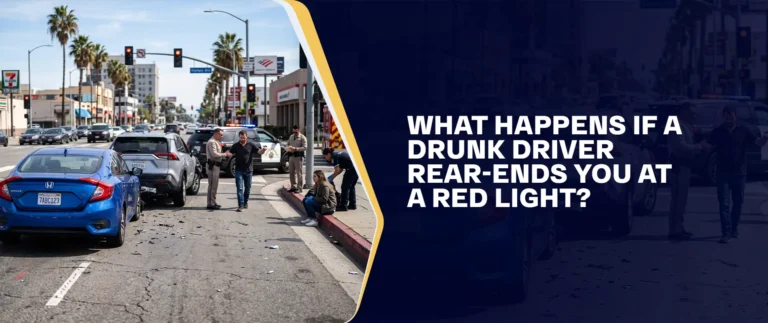
TL;DR: In California, you can sue a minor for injuries they cause. However, your recovery often relies on available insurance, the minor’s assets, or finding another legal reason to hold a parent or another party liable. If you miss the 2-year filing deadline, you lose the right to recover medical bills, lost wages, and other damages.
Highlights:
- Identify whether the minor’s conduct was negligent, intentional harm, or driving-related.
- Name the minor and any directly negligent adults or entities as defendants.
- Ensure that the minor appears through a guardian or conservator of the estate or through a guardian ad litem appointed by the court.
- Request and review all available auto, homeowners, renters, and umbrella policies.
- Calculate parental caps, including $15k/$30k/$5k for teen driving vicarious liability.
- File a lawsuit within 2 years; for public-entity claims, the deadline is 6 months.
Tip: Save photos, messages, and witness contacts, and stick to facts when describing what happened for insurers.
Table of Contents
Yes. California law allows an injured person to sue a minor who caused harm through negligence or an intentional act. Family Code § 6600 states that a minor is civilly liable for a wrong the minor commits. Being under 18 does not provide a child or teenager with full protection in a personal injury case.
Cases against minors differ from those against adults. A court can use a child-specific standard. The minor must take part through a guardian, conservator, or a court-appointed guardian ad litem. The circumstances determine whether a parent can be held liable.
How To File A Lawsuit Against A Minor In California?
Before suing a minor, you typically file an insurance claim to seek a settlement. The process begins by investigating the incident, preserving evidence, identifying all responsible parties, notifying applicable insurers, and documenting medical treatment and other losses. After that, the injured person may submit a demand and negotiate with the insurer.
If the claim can’t be resolved and the deadline is near, a lawsuit might be needed. However, settlement talks can still happen afterward. To file the lawsuit, you must identify the proper defendants, file a summons and complaint in the appropriate California court, and properly serve each party. The lawsuit may name the minor, along with any parents, property owners, organizations, or other parties with an independent or statutory basis for liability.
Under California Code of Civil Procedure § 372, a minor cannot represent themselves or defend a lawsuit directly in court. Under Code of Civil Procedure § 416.60, the summons and complaint generally must be delivered to the minor’s parent, guardian, conservator, or another person authorized by the statute. If the minor is at least 12 years old, the documents must also be delivered to the minor.
To file a personal injury claim against a minor, the injured person usually needs to show four key points of negligence:
- The minor owes the injured person a legal duty.
- The minor failed to exercise the standard of care expected of a child of similar age, intelligence, and experience.
- That failure was a substantial factor in the accident that resulted in injury or other losses. The injured person suffered harm that can be legally compensated. This includes medical bills, lost wages, and pain and suffering.
Getting compensation from a minor can be tough. This is mainly because minors usually have few assets. Recovery may instead depend on applicable insurance or claims against other legally responsible parties.
How Legal Liability Applies When Suing A Minor
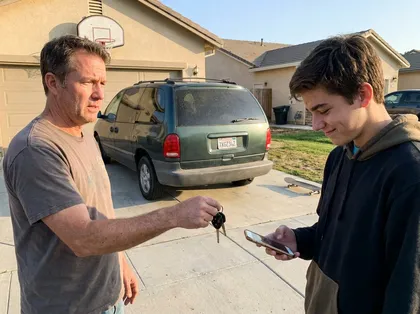
California law permits minors to be held civilly responsible for their wrongful conduct. In most negligence cases, their actions are judged against what a reasonably careful child of the same age, intelligence, knowledge, and experience would have done under similar circumstances.
That standard recognizes that children may not perceive risks or understand consequences in the same way as adults.
Children Under Age Five
California authorities generally treat children under five as incapable of contributory negligence. A related rule applies when a very young child is accused of causing an injury. In Ellis v. D’Angelo, the court held that a four-year-old lacked the capacity for ordinary negligence because the child could not reasonably foresee the consequences of the alleged conduct.
A young child can be held liable for an intentional tort, like battery, if they intended the harmful or offensive contact. The child does not need to understand the consequences of their actions fully.
Minors Capable Of Negligence
Children aged 5 to 17 can be held liable for negligence. They must show the care expected from a reasonable child of the same age, intelligence, knowledge, and experience.
In California, there is no single standard that applies to all minors between the ages of 5 and 17. A court may consider the child’s understanding of the danger, prior experience, training, and the circumstances of the incident.
Adult-Activity Exception
A minor may be held to the ordinary adult standard of care when engaging in an adult activity, such as driving, for which adult qualifications are required. A minor driver must follow the same traffic laws and exercise the same level of care as an adult driver. Youth or inexperience does not excuse negligent driving.
Suing a minor for a car accident requires the injured person to prove that the minor’s negligent or wrongful driving caused personal injury, death, or property damage. Depending on the situation, other parties might also be responsible. Parties who signed the minor’s driver’s license application may also be liable. Liability may also extend to a parent or guardian who allowed the minor to drive.
A minor’s age, skills, and the activity decide the standard of care used. These factors might show if the minor was negligent, but they don’t stop you from filing a civil claim.
Are Parents Liable For Their Child’s Actions?
Parents are not automatically liable solely because they are the child’s parents. Their liability generally requires an additional legal basis, such as:
- The minor’s willful misconduct.
- The parents’ negligent supervision.
- Liability connected to the minor’s driving.
A claim against the minor is based on the minor’s conduct. A direct negligence claim against a parent is based on the parent’s own conduct. Different limits and insurance rules may apply.
Willful Misconduct
Under California law, a parent or guardian having custody and control of a minor shall be jointly and severally liable with the minor when the minor’s willful misconduct causes injury, death, or property damage.
Starting July 1, 2025, parents’ liability under Civil Code § 1714.1 is capped at $56,400 per wrongful act. For bodily injury, this cap covers only qualifying medical, dental, and hospital expenses. This rule does not hold parents liable for the injured person’s pain and suffering.
This limit applies only to willful misconduct. Separate rules govern injuries caused by a minor while driving, and additional liability may arise depending on the facts.
Driving-Related Liability
California law may also impose liability when a minor causes a motor vehicle accident. Under Vehicle Code § 17707, a person who signed the minor’s driver’s license application may be held jointly liable for damages caused by the minor’s negligent or wrongful driving.
Vehicle Code § 17708 creates a separate basis for liability when a parent, guardian, or other person with custody of the minor gives the minor express or implied permission to drive, whether the minor was licensed.
These parental liability limits differ from California’s minimum auto insurance requirements. Under Vehicle Code § 17709, liability imposed solely under §§ 17707 and 17708 is generally capped at:
- $15,000 for injury or death of one person per accident.
- $30,000 for injury or death of all persons per accident.
- $5,000 for property damage per accident.
These amounts limit the liability attributed to the parent, guardian, or license-application signer under these specific statutes. They should not be confused with California’s separate minimum automobile liability insurance limits. The caps also do not necessarily limit liability arising from the parent’s own negligent conduct or from another independent legal theory.
A Parent’s Own Negligence
Parents may also be liable when their own conduct contributes to the injury. Depending on the facts, this may include:
- Negligent supervision.
- Negligent entrustment of a vehicle or dangerous item.
- Failure to take reasonable precautions despite knowing that the child presented a particular risk.
Direct liability depends on the parent’s actions. The statutory limits for imputed liability might not apply.
Other Parties That May Be Responsible
A minor might not be the only party responsible. It’s important to identify everyone involved in the incident. Another person or organization might have insurance or assets to cover the claim.
Potentially responsible parties may include:
- A parent or guardian who failed to supervise the minor or allowed access to a dangerous vehicle, animal, weapon, or other item.
- A school, daycare, camp, sports league, or youth organization that provided inadequate supervision or failed to address unsafe conditions.
- A property owner or business that allowed a dangerous condition or failed to provide reasonable security.
- An employer, if the minor was working or acting within the scope of employment.
- A manufacturer, distributor, or retailer, if defective equipment or a dangerous product contributed to the incident.
Liability depends on what each party did and the risks they knew or should have known about. Liability also depends on whether their actions contributed to the injury. A full investigation should find out who owned or controlled the property or equipment. It should also identify who supervised the minor. The investigation needs to check if similar incidents occurred before. It should determine which insurance policies may apply.
Speaking with an accident lawyer early can help preserve evidence and identify every potentially responsible party. Missing court filing deadlines and other rules can impact your claim. If you miss a deadline, you may lose the chance to recover.
Sources Of Compensation When Suing A Minor
A minor may be legally responsible but have little income or property. Winning a judgment doesn’t mean you’ll get paid right away. So, it’s crucial to check all available insurance and other responsible parties.
Sources of compensation may include:
- The minor’s existing assets and, where legally enforceable, later earnings, subject to applicable judgment-enforcement rules and exemptions.
- Insurance covering the minor, such as homeowners, renters, youth organization, auto, umbrella, school, camp, sports league, or business liability insurance. Coverage depends on the policy and may exclude intentional conduct.
- Umbrella or excess insurance.
- Medical-payments coverage.
- The income or assets of a directly negligent adult or entity.
Insurance coverage relies on several factors: the policy terms, who is considered insured, where the incident happened, and whether the actions were accidental or intentional. If insurance is insufficient, the negligent party’s financial status becomes relevant, though bankruptcy can protect certain income and property while changing how debts are collected.
More than one policy may apply. All available policies, coverage limits, and claims against other responsible parties should therefore be investigated before a final settlement is accepted.
What Damages Can I Recover?
An injured person may seek payment for economic and non-economic damages. The amount varies based on the injury, treatment, and its impact on work and daily life. It also depends on the insurance available and the strength of the evidence. No result is guaranteed.
The compensatory damages may include:
- Medical expenses.
- Past and future medical care.
- Lost wages or reduced earning ability.
- Rehabilitation and therapy.
- Property damage.
- Pain and suffering.
- Loss of consortium
- Emotional distress.
- Loss of normal activities
- Other reasonable injury-related expenses
California law also addresses punitive, or exemplary, damages. Punitive damages can be awarded to a minor only if the minor understood the conduct was wrong. This applies when the minor acted with oppression, fraud, or malice. These damages punish serious misconduct. They are not for ordinary negligence or to cover the injured person’s actual losses.
Deadlines For Filing A Legal Action Against A Minor
In California, a personal injury lawsuit must generally be filed within 2 years of the injury. The defendant’s age does not automatically extend the injured adult’s deadline.
However, the deadline may change depending on the injured person, the responsible parties, and the type of claim. Important considerations include:
- Injured Minors: When the injured person is under 18, the limitation period may be paused until adulthood. However, this protection does not generally apply to required claims against public entities.
- Public Entities: Claims involving a public school, city, county, or other government entity generally require an administrative claim within six months of the injury. Filing this claim is separate from filing a lawsuit.
- If a public entity gives written notice rejecting the administrative claim, a lawsuit generally must be filed within six months after the rejection notice is personally delivered or mailed.
- If the initial six-month claim deadline was missed, California law may permit an application to present a late claim, generally within a reasonable time not exceeding one year after the claim arose. Special late-claim rules may apply when the injured person is a minor.
- Delayed Discovery: In limited circumstances, the deadline may begin when the injury and its cause were discovered or reasonably should have been discovered.
When suing a minor, an extra court requirement applies. In these cases, the minor usually needs to appear with a guardian or conservator. They can also use a court-appointed guardian ad litem. The guardian ad litem can be different from the child’s parent. They are not the same as the minor’s attorney and aren’t personally responsible for paying a judgment. An independent representative may be needed when a parent is a defendant or has a conflict of interest.
Missing a deadline or failing to complete the guardian ad litem process correctly can prevent or delay recovery. These procedural requirements should be addressed promptly, even while settlement discussions are ongoing.
Frequently Asked Questions About Suing A Minor For Injuries
When a minor causes harm, the legal questions can be difficult to resolve. California has different laws for young people, which affect who is responsible and who pays. Cases involving minors often raise unique and surprising questions. These issues need careful legal analysis.
Can You Sue A Minor Who Took A Car Without Permission?
If a teen took the car without the owner’s consent, the parents are not automatically on the hook. But a parent may still be held responsible if they left the keys where the teen could get them, knowing the risk.
What If The Minor Or Family Has No Insurance?
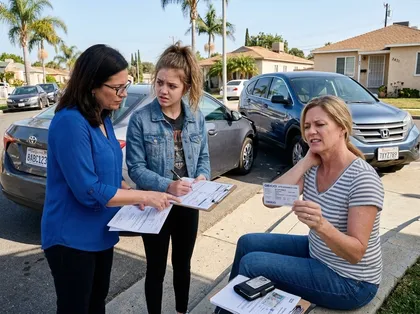
Other sources of compensation may still be available, including the injured person’s uninsured or underinsured motorist coverage, household auto policies, medical-payments coverage, health or disability insurance, and claims against other responsible parties. A claim may also be pursued against personal assets, although collecting from someone with little income or property can be difficult.
Because insurance policies may impose notice, consent, proof, and arbitration requirements, all potentially applicable insurers should be contacted promptly before any settlement is accepted.
What If I Were Partly At Fault For My Accident?
Being partly responsible for the incident does not necessarily prevent you from recovering compensation. California follows a comparative-fault system, which generally reduces an injured person’s recovery by their percentage of responsibility. The effect depends on the facts, and fault may be divided among the injured person, the minor, and any responsible adults or organizations.
What If The Injured Person Is A Minor?
When the injured person is under 18, a parent, guardian, or guardian ad litem generally handles the claim. A settlement may require court approval, including a review of attorney fees, medical expenses, liens, and other deductions to ensure the agreement protects the child’s interests.
The child’s recovery may be placed in a blocked account, structured settlement, trust, or another court-approved arrangement. Parents may also have separate claims for expenses they personally paid. The filing period may be paused in some cases while the injured person is a minor, but important exceptions apply, particularly for claims involving public entities.
Can I Sue For A Bicycle Or E-Bike Accident Caused By A Minor?
Yes. You can sue the minor directly for negligence in a bicycle or e-bike accident. Recovery depends on available insurance, not on an automatic rule that makes parents pay. A homeowner’s policy or renters’ policy may be the best source of recovery in these cases.
Do I Formally Sue The Minor Or Their Parents?
The minor is named in the lawsuit. However, they must appear through an adult representative, usually a guardian ad litem. If compensation is awarded, payment may come from applicable insurance, the minor’s assets, or a parent or another party who has an independent or statutory basis for liability.
Injured By A Minor? Call Arash Law To Understand Your Legal Options
If you were hurt in an accident with a minor in California, a personal injury lawyer can help you know your rights. They handle complex claims with minors and parental liability well. They can manage cases where many parties share the blame.
At Arash Law, we have years of experience representing our clients and advocating for their rights against the liable parties. Here are some of the most notable cases we’ve won for our clients:
- $12,000,000 — Our 74-year-old client suffered severe injuries after being hit while crossing the street. The case settled just before jury selection, ensuring justice and support for her recovery.
- $8,000,000 — A speeding van driver caused serious injuries to our client, prompting us to pursue accountability vigorously. Key depositions changed the course of the case, resulting in a significant settlement.
- $3,500,000 — We secured a $3.5 million settlement for a 6-year-old boy with a traumatic brain injury from a pickup truck accident. By highlighting the driver’s distraction, we countered attempts to blame the child.
Disclaimer: The information provided here is for general informational purposes only and does not constitute legal advice. Please consult a qualified attorney for advice specific to your situation.
Call (888) 488-1391 to schedule a free, no-obligation consultation.
Arash Law handles personal injury cases on a contingency fee basis, which means you pay no upfront attorney fees. Deadlines apply in California, and reaching out sooner can protect your options.