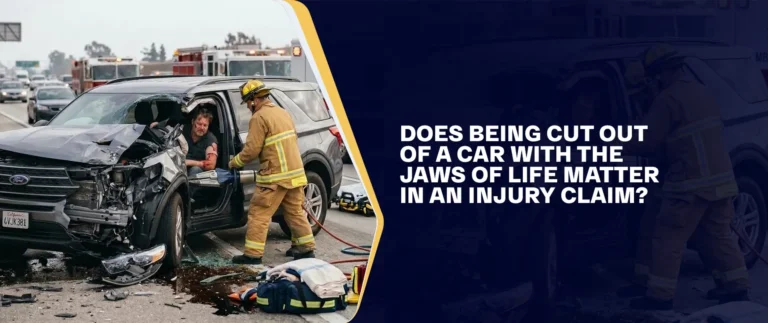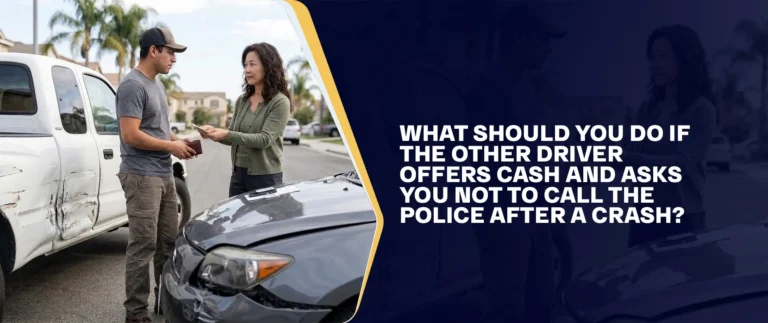
TL;DR: Collision insurance covers damage to your own vehicle after a crash, regardless of fault, up to its actual cash value minus your deductible. It does not pay medical bills or other drivers’ damage, and a total loss can leave you owing a deductible or loan balance above payout. If repairs exceed your car’s value, the insurer pays the actual cash value, and you may owe the difference if you have an active loan.
Highlights:
- Review your declarations page for your collision deductible, limits, and endorsements.
- Photograph vehicle damage, skid marks, road hazards, and any objects you struck.
- Get a repair estimate and compare it with your car’s actual cash value (ACV).
- Request the valuation report and submit stronger comparable vehicle listings if your car is totaled.
- File through your collision policy, then track subrogation and deductible reimbursement.
- California’s Proposition 103 rules generally restrict accident surcharges when you were not principally at fault.
- Confirm lender requirements if financed or leased before dropping collision coverage.
Tip: Save tow, storage, and rental receipts and keep all statements factual and consistent, avoiding guesses.
Table of Contents
Collision insurance can cover damage to your vehicle, regardless of who caused the crash. Whether you hit another car, struck a fence, or your vehicle rolled over, your collision coverage may cover the cost of repairs or, if the car is totaled, its actual cash value.
Collision coverage gives you a clear path forward after an accident. You do not have to wait for the other driver’s insurance or prove who was at fault.
Understanding what your policy covers and where its limits begin can make a real difference when you need to file a claim. The gap between what your policy includes and what it excludes is where many drivers get caught off guard.
What Does Collision Insurance Cover After A California Crash?
Collision insurance is a “first-party” auto policy that pays for repairs to your own vehicle when it’s damaged in a crash, regardless of who caused the accident. If your insurer approves your claim, it generally pays for covered repairs. Your deductible is the set amount you pay out of pocket per claim.
Collision coverage applies without requiring you to prove that another driver was at fault, but it is not unconditional. The insurer may deny or limit a claim if a policy exclusion applies, such as an excluded driver, intentional damage, racing, or an excluded commercial or delivery use. Review the policy’s exclusions and endorsements for the exact terms.
If your vehicle sustains damage while you’re driving, collision coverage kicks in for scenarios including:
- Multi-Vehicle Crashes: You rear-end another car, or another vehicle hits you.
- Single-Vehicle Accidents: You lose control and strike a stationary object like a tree, street sign, guardrail, or mailbox.
- Rollovers: Your vehicle flips or overturns on the road.
- Hit-and-Runs: An unidentified driver damages your parked or moving car and flees the scene.
- Pothole Damage: Your vehicle sustains structural or suspension damage from driving through a severe pothole.
What Is Not Covered By A Collision Policy?
 Collision coverage strictly protects your physical vehicle from crash-related damage. It does not cover external factors, other people’s property, or medical expenses.
Collision coverage ordinarily does not pay for:
-
Medical Bills: Collision coverage does not pay for your injuries or anyone else’s injuries. Depending on the circumstances and the coverages available, the following may pay for medical expenses:
- Health insurance.
- MedPay.
- The at-fault party’s bodily-injury liability coverage.
- Uninsured or underinsured motorist coverage.
- Another applicable source.
- Damage to Another Person’s Car: If you cause a crash, liability insurance pays for the other driver’s car. Collision only covers your own vehicle.
- Weather, Theft, and Animals: A collision policy does not cover storms, floods, fire, theft, vandalism, or collisions with animals.
-
Mechanical Failure and Wear: Collision insurance doesn’t cover:
- Mechanical breakdowns.
- Defective parts.
- Normal wear and tear.
- Routine maintenance.
- Tire-only damage (unless the same accident also damaged other parts of the car).
However, if a mechanical failure causes a crash, the resulting crash damage may still be covered, even though the mechanical failure itself isn’t. Coverage details depend on your specific policy.
Comprehensive insurance covers weather damage, theft, and animal-related damage. Since collision only covers crash damage, many drivers ask if the state requires them to buy it.
Is Collision Coverage Required Under California Law?
California does not legally require you to carry collision coverage. It requires drivers and vehicle owners to maintain financial responsibility, usually through liability insurance.
California requires minimum liability insurance of:
- $30,000 per person for bodily injury.
- $60,000 per accident.
- $15,000 for property damage.
If you financed or leased your vehicle, your lender will generally require collision coverage. That is a lender rule, not a state law. This protects the lender’s interest in the car. If you drop it while you still owe money, your lender may buy insurance for you at a much higher cost.
“Full coverage” is not an official or standardized policy type. It commonly refers to a combination of liability, collision, and comprehensive coverage, but the coverages, limits, deductibles, and endorsements can vary by policy.
Comprehensive is not the same as collision. State-minimum liability coverage protects the other driver, not your own vehicle. Collision coverage fills that gap.
How Deductibles And Actual Cash Value Limits Work
When you file a collision claim, two major financial limits apply: the deductible and the actual cash value (ACV).
For an approved claim, the insurer generally subtracts your deductible from the covered repair cost or total-loss payment. For example, on an approved $3,000 repair bill with a $500 deductible, your insurer would pay $2,500.
Under a standard auto policy, the insurer generally pays the lesser of the reasonable repair cost or the vehicle’s actual cash value. Unless the policy defines ACV differently, California treats ACV as fair market value. For a total-loss cash settlement, the insurer:
- Bases payment on the actual cost of a comparable vehicle.
- Includes applicable taxes and one-time ownership-transfer fees.
- Subtracts the deductible.
An insurer may declare a vehicle a total loss if it determines that repairing it would be uneconomical. That determination may account for estimated repairs, hidden damage, the vehicle’s salvage value, safety concerns, and its pre-loss value. The insurer typically pays out the ACV minus your deductible. If you have an active loan, the payment may go to your lender first.
Beyond your deductible, you may also worry about how filing a claim affects your rates. California generally prohibits an insurer from imposing an accident surcharge unless it determines that the driver was principally at fault, ordinarily at least 51% responsible, subject to regulatory conditions. The policy’s overall premium may still change for other approved rating reasons.
If a total loss offer seems too low, an accident lawyer can negotiate with insurance adjusters on your behalf. If you still owe money on the car, your lender or leasing company will likely require this coverage as part of your loan or lease.
What If You Owe More Than Your Car Is Worth?
If your vehicle is declared a total loss, collision coverage generally pays its actual cash value, minus your deductible. It does not pay what you originally paid for the vehicle or automatically cover the full amount remaining on your loan or lease. If the settlement is less than what you owe, you may remain responsible for the difference.
GAP insurance or a guaranteed asset protection waiver may cover some or all of that shortfall, depending on its terms, limits, and exclusions. It is separate from collision coverage and is not required by California law. It may be offered through an insurer, lender, leasing company, or dealership. Before purchasing it, review whether it covers the insurance deductible, negative equity from a trade-in, overdue payments, and other amounts included in the financing.
Using Collision Coverage When Another Driver Is At Fault
Collision insurance can pay for covered damage to your vehicle without requiring you to wait for the other driver’s insurer to accept responsibility. However, when another driver caused the accident, you may have two options:
- File a property damage claim with that driver’s insurer.
- Use your own collision coverage.
The better route may depend on how quickly the insurers resolve coverage and liability issues, whether you can pay your collision deductible, and whether the other driver has sufficient property damage liability coverage.
File With The Other Driver’s Insurer
You may choose to wait for the insurance company representing the at-fault driver to investigate the claim and determine liability. This can take time, but it may provide clarity on who’s at fault.
One advantage is that you generally will not have to pay your collision deductible if the other insurer accepts liability and pays the claim.
Before accepting the claim or issuing payment, the insurer will usually investigate:
- Whether the policy covered the driver and vehicle at the time of the accident.
- The responsibility of the insured driver for the collision.
- Whether the claimed damage resulted from the accident.
- The reasonable cost of repairing or replacing your vehicle.
- Whether the available property damage liability limit is sufficient.
You can support your claim by providing relevant documentation, such as:
- Photographs and video footage.
- The police report.
- Witness information.
- Repair estimates.
- Towing and storage bills.
- Proof of ownership.
If the vehicle may be a total loss, the insurer may also request information about its mileage, condition, equipment, financing, and prior damage.
Use Your Own Collision Coverage
Alternatively, you can file a claim through your own collision coverage without waiting for the other insurer. This option can expedite repairs since you won’t have to wait for the other party’s insurer to accept liability.
You’ll generally be responsible for your deductible while your insurer handles the covered claim. Your insurer may then seek reimbursement from the responsible driver or that driver’s insurer through subrogation. However, the timing depends on the circumstances and the insurers’ investigations.
California’s pure comparative negligence rule reduces the damages you may recover from another responsible party according to your share of fault. For example, if you are 20% responsible, you may generally recover 80% of your damages from the other party.
Your percentage of fault does not ordinarily reduce the covered collision benefits available under your own policy. However, your deductible still applies. Fault may also affect subrogation and the extent to which your deductible is eventually reimbursed.
Subrogation And Deductible Reimbursement
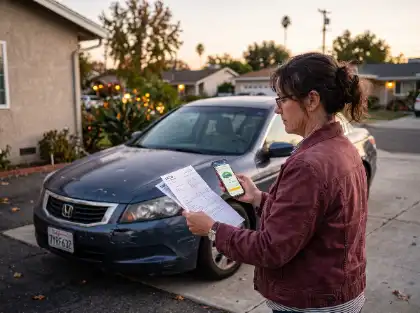 After your insurer pays out your claim, they may initiate subrogation against the at-fault driver or their insurance to seek reimbursement for the costs incurred on your behalf.
The decision to pursue subrogation depends on several key factors, including the:
- Evidence available.
- Insurance coverage.
- Fault determination.
- The likelihood of successful recovery.
If your insurer successfully collects funds through subrogation, it generally must include your deductible in its recovery efforts. The exact amount you receive may vary based on the total recovery. If the insurer obtains the full amount sought, it should reimburse your deductible. If it obtains only a partial recovery, your deductible reimbursement may be reduced proportionately, subject to permitted recovery expenses.
Understanding how subrogation works can help you navigate the recovery process more effectively.
These situations can get complicated, especially when insurers dispute fault or withhold your deductible. If you have questions about fault or subrogation, traffic accident attorneys can help you sort through your options.
Frequently Asked Questions
You might be dealing with a hit-and-run, thinking about dropping your policy at renewal, or comparing what different coverages actually include. Below are answers to questions about collision coverage after an accident.
Does Collision Insurance Cover Hit-And-Run Accidents?
Collision coverage may pay for damage to a covered vehicle from a hit-and-run, subject to the deductible, but it does not cover bodily injury. Health insurance, MedPay, or uninsured-motorist bodily-injury coverage may cover injury-related losses.
For California uninsured motorist bodily injury coverage involving an unknown driver who leaves the scene, the following requirements generally apply:
- Your injury must result from physical contact with the vehicle.
- You must report the accident to the appropriate law enforcement agency within 24 hours.
- You must submit a sworn claim statement to the insurer within 30 days.
Different requirements apply to uninsured motorist property damage coverage and collision deductible waiver coverage. Those coverages generally require the other driver or vehicle to be identified.
Does Collision Insurance Pay For A Rental Car During Repairs?
Collision coverage generally pays for covered damage to the insured vehicle. It does not automatically cover the cost of a rental car while repairs are underway. Rental reimbursement is usually a separate optional coverage with daily and total limits.
Does Collision Insurance Cover Towing And Storage?
Collision coverage does not necessarily provide a separate towing benefit. However, an insurer handling a covered collision claim may pay reasonable towing or storage expenses when necessary due to the covered loss, subject to the policy and the circumstances of the claim. Roadside assistance or towing coverage may provide additional benefits. Ask the insurer where the vehicle should be stored and take reasonable steps to avoid unnecessary storage charges.
When Should I Drop My Collision Insurance?
Collision coverage may become less cost-effective as a vehicle loses value. The insurer generally will not pay more than the vehicle’s actual cash value minus the deductible. Before dropping it, compare the vehicle’s value, deductible, coverage cost, lender requirements, and your ability to pay for repairs or replacement yourself.
Does Collision Insurance Cover Other Drivers?
Collision coverage does not pay for damage to another person’s vehicle. It may, however, cover damage to the insured vehicle while an authorized driver is operating it, provided the policy does not exclude that driver or the vehicle’s use.
Contact Arash Law After A Car Accident To Understand Your Options
After a collision, the right legal help can make a difference in your case. Arash Law works to protect your rights and pursue fair compensation for your injuries. Speaking with an attorney early can help you understand your rights and your options. Our lawyers are here to answer your questions at no cost.
At Arash Law, we work to help our clients pursue available compensation under California law. Below are examples of cases we have won for our clients.
- $10,000,000 — A client sustained severe injuries after being struck by a speeding vehicle. We secured substantial financial recovery and top-tier medical care and treatment for his injuries.
- $8,800,000 — A fast-driving company van hit our client, resulting in serious injuries. Through diligent efforts, we achieved a significant outcome that provided our client with closure.
- $6,000,000 — A drunk driver caused a head-on collision, tragically killing our client’s wife and son. We successfully obtained the maximum insurance policy limits despite the defense’s attempts to deny liability.
Disclaimer: Case results vary based on individual circumstances and do not guarantee future outcomes.
AK Law handles personal injury cases on a contingency fee basis. That means you pay no attorney’s fees unless we win your case. Evidence fades after a crash, and California’s legal deadlines keep running while you recover. Call (888) 488-1391 to schedule a free case review with our California car accident lawyers.