TL;DR: Ask whether the injury lawyer can handle your truck claim and whether another attorney or travel might become necessary. Discuss company identification, insurance, evidence, deadlines, communication, fees, and costs. The trucking company’s address alone does not establish fault, coverage, or where you must sue.
Ask whether the California injury lawyer can handle your claim, identify the trucking company and other potentially responsible parties, and investigate the insurance that may cover your injuries. Also discuss evidence, deadlines, possible courts, communication, and costs.
For a California collision, the trucking company’s home state alone does not determine where you should hire counsel or pursue your claim. A California lawyer can investigate the company’s connection to the crash and assess which courts may have authority over the parties involved.
You do not need to identify every potentially responsible party before your first consultation. Bring the records you have and ask the lawyer to explain what remains uncertain and what needs attention first.
Key Facts About Consulting a Lawyer After a Truck Collision
- California courts may hear claims against companies based outside California. Court authority and proper county venue require separate consideration. A trucking company’s home address alone does not determine where a lawsuit can proceed.
- A carrier’s United States Department of Transportation (USDOT) record provides leads without establishing liability for a crash. The Federal Motor Carrier Safety Administration (FMCSA) provides company identification and safety information. Those records can help identify a carrier but do not establish negligence in a particular collision.
- Different state addresses alone do not automatically establish federal jurisdiction. Under 28 U.S.C. § 1332, ordinary diversity cases generally require complete diversity of citizenship and more than $75,000 in dispute, excluding interest and costs.
- Federal retention rules require carriers to keep certain driving records. Under 49 CFR § 395.8(k)(1), covered carriers must keep required duty-status records and supporting documents for at least six months from receipt.
- Registered agents can receive lawsuit papers on behalf of a trucking company. California Secretary of State records may help identify an agent authorized to receive legal papers. Serving that agent does not make the agent responsible for the collision.
Table of Contents

The Truck Company is Based Outside California. What Should I Ask a California Injury Lawyer to Investigate?
Ask the lawyer to identify the truck’s operator, determine who may be responsible, verify applicable insurance, and assess where you could pursue your claim.
For example, your paperwork might list a Missouri business address and a USDOT number. These details can help identify a business, but they do not establish its involvement in the collision, fault, insurance coverage, or the crash location.
Start your consultation with these questions:
- Can you handle my claim if the trucking company is based elsewhere?
- Would I need a lawyer in the company’s home state?
- How will you confirm which company operated the truck?
- Could the driver, vehicle owner, or another business also be responsible?
- How will you determine which insurance may cover my injuries?
- What evidence needs attention now?
- Could I file a lawsuit in California, and would I need to travel?
- What deadlines apply while you investigate?
- Who will handle my case and keep me informed?
- Could working in another state affect fees or case costs?
Before the consultation ends, ask which facts are confirmed, what records still need review, and what steps come next. Clarify whether the firm has agreed to represent you.
Can a California Injury Lawyer Handle My Claim Against a Company Based Elsewhere?
The company’s address does not automatically require you to hire a lawyer in that state. Counsel should be able to assess the collision location, company involvement, potential defendants, and available courts before recommending a filing strategy.
California truck accident lawyers can review these factors and explain whether the representation would include insurance negotiations, litigation, or coordination with other counsel. They should also be able to tell you what work they can handle and any limits on the proposed representation.
Would I Need Another Lawyer or Have to Travel?
You may need additional counsel if your case requires proceedings in a court where your lawyer is not admitted to practice. The court’s rules and the circumstances of your case determine whether such action is necessary.
Ask who would arrange additional representation, how the lawyers would divide responsibilities, and whether their involvement could affect fees, expenses, or communication.
The trucking company’s out-of-state address alone does not mean you must travel. Ask whether depositions, medical examinations, or court appearances might require your attendance and whether remote participation is available.
How Will You Identify the Company and Other Responsible Parties?
Ask how the lawyer will confirm which business operated the truck during your California collision. The name on a vehicle, insurance card, or intake form may identify only one company involved.
The driver, tractor owner, trailer owner, and operating carrier may have different names and addresses. Counsel should compare relevant records to determine each party’s role and potential responsibility.
What Does the USDOT Number Tell Us?
A USDOT number can help identify a business in federal carrier records. Even identifying a trucking company using its license plate number may require additional records to confirm who operated the truck during your collision.
The FMCSA Company Snapshot provides company identification, operating information, and safety records. These details can guide further investigation but do not establish negligence or liability for a particular crash.
Could More Than One Party Be Responsible?
Yes. Multiple parties may share responsibility if their conduct or legal relationships establish liability for your injuries.
Ask the lawyer to investigate whether:
- The driver’s conduct contributed to the collision.
- The driver was working for the carrier during the trip.
- A vehicle defect or maintenance problem contributed to the crash.
- Improper loading or cargo securement played a role.
- Ownership or lease records identify another business that may be responsible.
A company’s involvement alone does not establish fault. Ask what evidence would support a claim against each potentially responsible party and how the lawyer would approach investigating multiple parties in a truck accident.
How Will You Find the Insurance That May Cover My Injuries?
Ask the lawyer how they will identify insurance covering an out-of-state trucking company and other potentially responsible parties. An insurance card or federal filing may provide useful information, but neither necessarily confirms all available coverage.
The investigation should address:
- Covered Parties: Which drivers, carriers, owners, or other businesses are insured?
- Policy Dates: Was the coverage in effect when the collision occurred?
- Covered Activities: Does the policy apply to the vehicle and its operation?
- Available Limits: What policy limits or additional coverage may apply?
- Coverage Disputes: Has an insurer questioned or denied coverage?
Under 49 CFR § 387.9, qualifying interstate, for-hire carriers transporting nonhazardous property in vehicles with a gross vehicle weight rating of at least 10,001 pounds generally must maintain at least $750,000 in public liability financial responsibility. The FMCSA’s insurance requirements specify different minimums for other operations.
This minimum does not establish the carrier’s actual policy limits or the amount you may recover. Ask the injury attorney to verify the applicable coverage rather than assume an out-of-state company carries a larger policy.
If an insurer delays or disputes your claim, ask how the lawyer would address the issue. Keep claim numbers, correspondence, and records of your communications. The California Department of Insurance offers consumer assistance and a complaint process, although its authority depends on the insurer and circumstances. Counsel can determine whether that process or another action may be appropriate.
What Evidence Needs Attention?
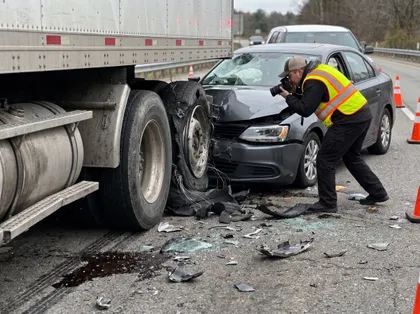
Ask which records the out-of-state trucking company, driver, or other businesses may hold and which evidence needs preservation. The California injury lawyer should be able to identify who controls those records and how to obtain them.
Useful evidence may include:
- Collision Records: Photos, reports, witness accounts, video, and vehicle damage.
- Operating Records: Dispatch instructions, routes, shipping documents, and leases.
- Driver Records: Relevant driving-hour records, qualifications, and employment information.
- Vehicle Records: Inspection, maintenance, repair, and available electronic data.
- Injury Records: Medical documentation, bills, work restrictions, and records proving lost income.
Electronic logging devices (ELDs) primarily track a driver’s hours of service. Separate vehicle systems may contain other information about the truck’s operation.
Under 49 CFR § 395.8(k)(1), covered carriers must retain required duty-status records and supporting documents for at least six months from receipt. Under 49 CFR § 395.22(i), carriers must also maintain separate backup copies of ELD records for six months.
Ask whether the lawyer would send preservation notices, request relevant records, or arrange vehicle inspections and data downloads. These steps may help preserve evidence, but they cannot guarantee that every record will remain available.
Could I File My Lawsuit in California?
A truck collision in California may support a lawsuit in the state, even if the trucking company is based elsewhere. Ask your lawyer to assess the defendants, their connections to California, and the courts that could hear your claim.
The lawyer should be able to explain:
- Court Authority: Can a California court hear your claim against each defendant?
- Proper County: Which California county would be an appropriate place to file?
- Other Court Options: Could a court in another state or a federal court also hear your case?
Ask the lawyer which court may be appropriate for your claim, why that location is legally permissible, and whether any defendant could challenge the choice. This can help you understand your filing options before deciding how to proceed.
Does an Interstate Trucking Case Automatically Belong in Federal Court?
A truck injury case does not automatically belong in federal court simply because the trucking company operates across state lines. Federal courts must have a valid legal basis to hear the case.
For ordinary diversity jurisdiction, every plaintiff generally must have different state citizenship from every defendant. The amount in dispute must also exceed $75,000, excluding interest and costs.
A corporation’s citizenship generally depends on its state of incorporation and principal place of business. An LLC’s citizenship depends on its members’ citizenship. A business address alone does not establish these facts (28 U.S.C. § 1332).
Ask the lawyer whether a defendant could move your lawsuit from California state court to federal court and how that possibility might affect your case.
How Would You Deliver Lawsuit Papers to the Company?
Ask whether the lawyer would handle formally delivering the summons and complaint to the out-of-state trucking company. This legal process is called “service of process.”
A registered agent can receive lawsuit papers on behalf of a business, although other service methods may apply. The California Secretary of State provides information about locating registered agents and serving business entities.
A California injury lawyer should be able to verify the correct business entity and determine who is legally authorized to accept service of process. An insurance adjuster does not automatically have authority to accept service on behalf of the trucking company.
What Deadlines Apply While You Investigate?
Ask the lawyer to identify filing deadlines while questions about the out-of-state trucking company and its insurance remain unresolved. Waiting for records or an insurer’s response does not automatically extend those deadlines.
California generally allows two years from the date of injury to file a personal injury lawsuit (Code of Civil Procedure § 335.1). Claims against public entities may require an administrative claim within six months, along with other procedures (Government Code § 911.2).
Deadlines can also vary based on the injured person’s age and other circumstances. Ask which deadlines apply to your claim and whether the firm has agreed to monitor them. Missing an applicable deadline could prevent you from pursuing compensation under California law.
Who Will Handle My Case and What Could It Cost?
Ask who will manage your California truck injury claim and coordinate any work involving another state. Before signing an agreement, discuss how additional lawyers, travel, or out-of-state investigations could affect fees and expenses.
You may ask your lawyer the following questions:
- Who will be my main contact?
- How will I receive case updates?
- Does the agreement cover negotiations and litigation?
- Would another lawyer handle proceedings outside California?
- How would additional lawyers affect fees or costs?
- Who pays investigation, expert, filing, and travel expenses?
- What expenses could I owe if the case does not result in compensation?
The written agreement should identify the attorney’s fees, expenses, and scope of representation.
What Information Should You Bring to Your Lawyer?
You don’t need to know every detail about the crash or the out-of-state trucking company before your consultation. Bring any records you have, such as the collision report, photographs, insurance information, or the truck’s USDOT number.
The table below can help you organize that information. Here’s what each column covers:
- Who or What Needs Checking? The crash location, people, businesses, and other details your lawyer may need to verify.
- What’s the California Connection? How an out-of-state driver, business, or insurer may be connected to the collision or a California lawsuit.
- What Records Should You Bring? Documents that may identify the parties, the roles they may have played in the crash, and the insurance coverage they may carry.
- What Should Your Lawyer Verify? Details they should confirm about responsibility, insurance coverage, and where a lawsuit could proceed after reviewing the information you provide.
| Who or What Needs Checking? | What’s the California Connection? | What Records Should You Bring? | What Should Your Lawyer Verify? |
|---|---|---|---|
| Crash location: Where the collision happened. | The city or highway where the crash occurred helps identify which California agency may have investigated it. | Police or California Highway Patrol (CHP) report, photos, witness accounts. |
The crash site, road conditions, and evidence that needs to be preserved. |
| Truck Driver: The person driving the truck. | An out-of-state driver may have been working for a carrier during a trip in California. | Driver’s name, license plate information, collision report. | The driver’s identity, employer, and actions during the crash. |
| Truck/Trailer Owner: The person or business owning or leasing the truck or trailer. | The truck or trailer may belong to a business based outside California. | Truck and trailer plates, registration details (if available). | The owner and whether they could be responsible for the crash. |
| Operating Carrier: The company responsible for the trucking operation. | The company operating the truck in California may differ from the truck’s owner. | USDOT number, FMCSA records, photos of truck markings. | The company that operated the truck and directed the trip. |
| Registered Agent: The person or entity authorized to receive lawsuit papers. | An out-of-state carrier may have an agent in California or another state. | Company name and address, if available. | The party that can legally receive lawsuit papers. |
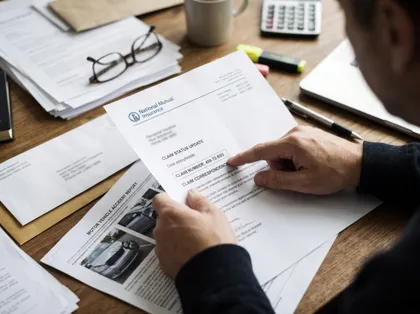
| Insurer: The company that may provide insurance coverage. | An out-of-state carrier’s insurance may cover a collision in California. | Insurance card, insurer letters, claim number. | The insurers and policies that may cover the injuries. |
| Possible Court: The court that may hear the lawsuit. | The crash location and defendants’ connections to California can affect court options. | Collision report, any documents identifying the parties involved. | Whether the lawsuit could proceed in California state court or another court. |
You do not need a complete file to consult a lawyer about your truck collision. An attorney can identify and help obtain copies of missing records later on, so you don’t need to wait to seek legal guidance.
Discuss the Company’s Location and Your Legal Options
If you’re injured in a California collision involving a truck operated by a company based in another state, you can contact Arash Law at (888) 488-1391 to discuss your situation.
An initial consultation can help clarify the information available, answer questions about the trucking company’s involvement, and discuss possible next steps. You can also ask what we can investigate and what legal representation might involve.
Frequently Asked Questions About Consulting a California Lawyer After an Out-of-State Carrier Crash
Can I Consult a Lawyer Before I Know the Carrier’s Exact Name?
Yes, you can consult a lawyer while the carrier’s identity remains uncertain. Bring the names, photographs, USDOT number, plates, and documents you have. Tell the lawyer which information you observed and which details came from others. They can explain what additional records may help identify the operator.
Do I Need a Missouri Lawyer Because the Company Lists a Missouri Address?
No, a Missouri address alone does not mean you need a Missouri injury lawyer for a California collision. The accident, defendants, and possible courts guide that decision. Ask a California injury lawyer whether another state’s proceedings could become necessary. They should be able to explain any additional representation before you agree to that work.
What If I Cannot Remember Every Detail of the Crash?
Tell the California injury lawyer what you remember and identify anything you do not know. Avoid guessing about the truck’s movements, company relationships, or other missing details. You can provide records or corrections afterward. A lawyer can then compare your account with reports, photographs, witnesses, and other evidence.
Does a Consultation Mean the Lawyer Has Accepted My Case?
No, a consultation alone does not necessarily mean the lawyer has agreed to represent you. Confirm whether the injury law firm has accepted your case and what work it will handle.
Ask when representation begins and whether any immediate tasks remain your responsibility. Review the agreement before assuming that counsel has initiated an investigation or a filing.
Discuss Your California Truck Accident Claim With Arash Law
If you suffered an injury in a California truck collision involving a company based in another state, you may have questions about who is responsible, what insurance applies, and where you can pursue your claim.
Arash Law can review the available information, investigate potentially responsible parties, and discuss your legal options. Our truck accident attorneys can also explain what additional records may be needed and what steps could come next.
Call us at (888) 488-1391 to discuss your situation. Our accident hotline is available 24/7. No win, no fee.
Sources
- California Courts — Jurisdiction and Venue: Where to File a Case. Explains court authority and the appropriate location for filing a lawsuit.
https://selfhelp.courts.ca.gov/jurisdiction-and-venue-where-file-case- Federal Motor Carrier Safety Administration (FMCSA) — Company Snapshot. Provides carrier identification, operating information, and safety records.
https://safer.fmcsa.dot.gov/CompanySnapshot.aspx- United States Code, 28 U.S.C. § 1332 — Diversity of Citizenship; Amount in Controversy; Costs. Establishes federal diversity jurisdiction requirements and corporate citizenship rules.
https://uscode.house.gov/us/usc/t28/s1332/- Electronic Code of Federal Regulations, 49 CFR § 387.9 — Financial Responsibility, Minimum Levels. Specifies minimum financial responsibility requirements for different commercial carrier operations.
https://www.ecfr.gov/current/title-49/section-387.9- FMCSA — Insurance Filing Requirements. Explains federal insurance filing requirements for motor carriers and other regulated transportation businesses.
https://www.fmcsa.dot.gov/registration/insurance-filing-requirements- Electronic Code of Federal Regulations, 49 CFR § 395.8 — Driver’s Record of Duty Status. Subsection (k)(1) establishes the six-month retention requirement for covered duty-status records and supporting documents.
https://www.ecfr.gov/current/title-49/section-395.8- California Secretary of State — Service of Process. Explains methods for serving legal papers on business entities and the role of registered agents.
https://www.sos.ca.gov/business-programs/business-entities/service-process- California Code of Civil Procedure § 335.1 — Personal Injury Statute of Limitations. Establishes the general two-year limitations period for covered personal injury actions.
https://leginfo.legislature.ca.gov/faces/codes_displaySection.xhtml?sectionNum=335.1.&lawCode=CCP- California Government Code § 911.2 — Presentation of Government Claims. Establishes the general six-month claim-presentation period for covered personal injury claims against public entities.
https://leginfo.legislature.ca.gov/faces/codes_displaySection.xhtml?sectionNum=911.2.&lawCode=GOV- Electronic Code of Federal Regulations, 49 CFR § 395.22 — Motor Carrier Responsibilities Regarding ELDs. Subsection (i) addresses ELD records and separately maintained backup copies.
https://www.ecfr.gov/current/title-49/section-395.22- California Business and Professions Code § 6147 — Contingency Fee Contracts. Specifies written contingency-fee agreement requirements, including disclosures concerning costs and disbursements.
https://leginfo.legislature.ca.gov/faces/codes_displaySection.xhtml?sectionNum=6147.&lawCode=BPC- California Department of Insurance — Consumer Services Division. Explains the department’s role in handling consumer inquiries, insurance complaints, and claim-handling concerns.
https://www.insurance.ca.gov/0500-about-us/02-department/030-csmcb/consumer-services.cfmDisclaimer
This article is for educational purposes only and does not constitute legal advice or create an attorney-client relationship. Claims involving out-of-state trucking companies may raise questions about liability, insurance coverage, jurisdiction, and filing deadlines. The applicable laws and legal options depend on the facts of each case.
Consult a licensed California attorney to understand your rights and the steps that may apply to your situation. Arash Law — (888) 488-1391.