
TL;DR: Bring the claim you submitted, the complete rejection notice, its envelope or email details, submission receipts, a list of important dates, and your current lawyer’s details. Include any amendments and earlier correspondence. Request a review even if some records are missing, so a lawyer can check the notice, deadlines, and possible next steps.
Bring your submitted claim, the government agency’s rejection notice, any mailing or email records, a list of important dates, and information about any lawyer already handling your injury claim. Include all attachments so the reviewing lawyer can determine what the agency received and what its rejection means.
A rejection does not necessarily end your options, but the reason for it affects what comes next. A lawyer must distinguish rejection of the claim from a correction request, a late-claim notice, or an insurer’s denial.
Request a consultation promptly rather than waiting for every medical bill or accident record. The agency’s letter and your submission records give the lawyer a starting point for reviewing deadlines and available procedures.
Key Facts About California Government Injury-Claim Rejections
- Different agency responses can require different steps after your claim. Government Code §§ 911.3, 913, and 946.6 distinguish among late-claim notices, rejection notices, and court proceedings following denials of late-claim applications.
- A correction notice does not automatically establish formal claim rejection. Government Code § 910.8 allows an agency to identify missing information or defects in a submitted claim.
- A claim can be deemed rejected if the agency takes no action. Government Code § 912.4 generally gives the agency 45 days to act. If the agency takes no action, the law treats the claim as rejected on the last day of the applicable period.
- Mailing and delivery records help lawyers check lawsuit filing deadlines. Government Code § 945.6 sets different filing periods depending on whether the agency gave a legally sufficient written rejection notice.
- Late-claim relief requires separate procedures and specific legal grounds. Government Code §§ 911.4 and 946.6 govern late-claim applications and requests for court relief.
Table of Contents

A Government Agency Responded to My Injury Claim. What Documents Should I Bring to a Lawyer Immediately?
Start with the claim you sent, the agency’s complete response, and records showing when and how you submitted the claim. Add earlier correspondence, incident dates, and documents explaining what your current or former lawyer handled.
Put These Documents Together
Keep related records in the groups below so the lawyer can follow what happened. Mark missing documents “not available” and uncertain dates “unknown.”
- The Claim You Submitted: Include the signed form, attachments, supporting evidence, amendments, and any application for permission to submit a late claim.
- Proof of Submission: Add mailing receipts, tracking records, portal confirmations, date-stamped copies, acknowledgment letters, and claim numbers.
- The Agency’s Complete Response: Keep every page, enclosure, explanation, warning, and returned document.
- The Envelope or Email: Preserve postmarks, mailing labels, complete messages, attachments, and portal notifications.
- Important Dates: Note when and where the injury happened, when treatment began, and when you discovered harm that was not immediately apparent.
- Earlier Correspondence: Include correction requests, requests for evidence, prior responses, and written agreements extending the agency’s time to respond.
- Lawyer Information: Add contact details, your representation agreement, relevant messages, and any letter ending representation.
- Court Records, If Any: Include complaints, petitions, filing receipts, case numbers, orders, and proof of service.
- Injury and Loss Records: Gather available photographs, report numbers, witness details, medical records, bills, insurance letters, and proof of missed earnings.
Keep originals intact, and write explanations on separate notes. Ask the law office which secure method it uses for receiving documents.
Record Important Dates Without Guessing Their Legal Effect
Use the PDF below to record when the injury happened, when you sent your claim, and when you submitted any corrections or updates. If the agency responded, record the date on the response, when the agency sent or delivered it, and when you received it.
If you haven’t found a response, note when you last checked. When two records show different dates, list both and note where each date came from. Treat your claim’s status as unknown until a lawyer checks your records.
Download the Government Claim Dates Worksheet (PDF)
What Will a Lawyer Look for in the Agency’s Letter?
A lawyer reviewing your government claim looks for the reason for rejection, the claim at issue, any requested actions, deadline warnings, and notice dates. The lawyer also checks who sent the letter and compares it with your submitted claim and delivery records.
Claim Details and Rejection Language
Your lawyer checks the claimant’s name, agency, claim number, and incident date to confirm which claim the letter addresses. They then examine whether the agency rejected the entire claim or only part of it.
The review includes the agency’s stated reasons and any lawsuit warning required by Government Code § 913. These details help distinguish a formal rejection from other types of responses.
Missing Information or Requested Corrections
Your lawyer looks for specific information the agency says you omitted, such as an incident location, signature, or description of the loss. They compare those requests with your original claim and any corrections you submitted.
Government Code § 910.8 governs notices identifying defects or missing information. Counsel checks whether the letter requests corrections rather than treating it automatically as a final rejection.
An Assertion That You Submitted the Claim Late
Your lawyer checks which submission date the agency used and why it considers the claim late. Mailing receipts, portal confirmations, and earlier correspondence help counsel assess whether the records support that position.
The lawyer also checks whether the agency returned the claim without further action under Government Code § 911.3. That distinction helps identify whether a late-claim application or another response needs consideration.
A Decision on a Late-Claim Application
Your lawyer determines whether the letter denies the injury claim itself or denies permission to submit it late. They review the decision date, stated reasons, and the application materials.
If the agency denied a late-claim application, counsel assesses whether a court petition under Government Code § 946.6 remains available. The letter alone does not establish eligibility for relief.
The Sender’s Role and the Notice Records
Your lawyer checks whether the sender acts on behalf of the agency, its insurer, or a claims administrator. An insurance denial does not automatically constitute a formal government claim rejection.
Counsel also reviews the recipient address, mailing information, email details, and any enclosed notices. These records help distinguish government notice requirements from questions about whether an insurance claim is too late.
Call Arash Law at (888) 488-1391 for a free case evaluation. Request a review of the government agency’s response, including the complete letter, its attachments, and the available submission and delivery dates.
Why Does the Lawyer Need Proof That You Submitted the Claim?
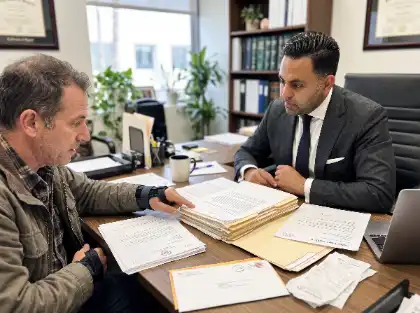 Submission records help the lawyer determine whether the right office received your claim through an accepted method. Government Code § 915 sets requirements that vary by government entity.
A completed form or conversation with an employee does not, by itself, prove proper submission. Receipts and acknowledgments help establish what happened, but the lawyer must check them against the applicable rules.
Local Agency Records
Local agencies may use different methods to receive original claims and subsequent supporting documents. Preserve the instructions you followed, the recipient’s details, and any confirmation.
For example, Los Angeles accepts original claims via its designated portal, by mail, or in person at the city clerk’s office. Its claim submission instructions exclude original emailed or faxed claims while allowing additional methods for later documents.
State Claim Records
For a state claim, include the agency’s name, claim number, submission confirmation, and correspondence about changes or additional evidence. Add any notice of an update to your address or representative.
You can submit a state claim to the Department of General Services (DGS) online or by mail. To update a claim that DGS is still reviewing, mail it a letter with supporting documents and, if known, your claim number.
How Will a Lawyer Check the Deadline After Rejection?
A lawyer checks the notice, submission history, and relevant dates before calculating a deadline. Different rules apply to a formal rejection, agency silence, and denial of a late-claim application.
Lawsuit Timing After a Written Rejection
Government Code § 945.6 generally requires suit within six months after personal delivery or mailing of a legally sufficient written rejection notice under § 913. The period does not necessarily begin when you open or read the letter.
Without a qualifying notice, the statute generally allows two years from the date the legal claim arose (usually the date of the accident or injury), subject to exceptions and extensions.
Notices Sent Electronically
An electronic notice also needs careful review because Government Code § 915.4 permits specified electronic notices following electronic submission. Save the complete message and attachments, not just a screenshot.
Agency Inaction
Under Government Code § 912.4, the agency generally has 45 days to act after you submit your claim. If the agency takes no action, the law treats your claim as rejected on the last day of that period.
An amended claim starts a new 45-day period, and a qualifying written agreement can extend the time to act. If the agency sends a letter later, bring it and your submission records so your lawyer can check when the agency’s time to act ended.
Timing for Late-Claim Relief
Government Code § 911.4 generally requires that a late-claim application be filed within a reasonable time, no longer than one year after the legal claim arose. Statutory exceptions affect how that year is counted, so the lawyer must review the circumstances.
Under § 946.6, a court petition generally must be filed within six months of the denial or deemed denial of the application. If the court grants relief, the claimant must file the injury lawsuit within 30 days after the order.
The petition asks the court for permission to proceed despite the claim-presentation problem. It does not replace the injury lawsuit, so include both sets of papers if you have them.
How Do Injury Records Help With the Review?
Injury records help your lawyer compare the harm described in your claim with your treatment history and losses. They can also help counsel assess any injury-related reasons the agency gave for rejecting the claim.
Different records serve different purposes:
- Medical Records: Show when symptoms began, what doctors diagnosed, and which treatments they recommended.
- Updated Treatment Records: Identify symptoms, diagnoses, or treatment changes that followed your original claim.
- Bills and Income Records: Document medical expenses, missed earnings, and work restrictions. Keep actual expenses separate from estimates of future costs.
- Scene Photographs: Show the location, road conditions, and vehicle positions. For a motorcycle crash involving a possible road defect or government vehicle, these details can help a motorcycle accident lawyer explain what happened.
- Other Claim Records: Show communications with other drivers, contractors, or insurers. Keep these separate so counsel can distinguish between the claims.
Note the date and source of photographs when available. Tell your lawyer about changes to the scene or your condition rather than assuming the original claim covers them.
What If Another Lawyer Already Handles Your Claim?
Send the complete rejection notice to your current lawyer promptly and confirm who will handle the next step. Include the mailing envelope or original email so the lawyer can review the notice dates.
Clarify the following points:
- Current Responsibilities: Ask whether your agreement covers late-claim applications, court petitions, or an injury lawsuit.
- Next Action: Confirm what needs to happen next, who will handle it, and any deadline the lawyer identifies.
- Work Already Completed: Gather submitted claims, agency responses, court documents, and correspondence explaining earlier actions.
- Second Opinion: Bring your representation agreement and tell the reviewing lawyer whether your current attorney still represents you.
- Ended Representation: Include the closing letter and any instructions about unfinished work or upcoming dates.
- Contact Changes: Provide correspondence notifying the agency of a new lawyer or mailing address.
The State Bar advises clients to clarify which services their lawyer will provide. A consultation with another firm does not, by itself, transfer responsibility for your claim, so confirm whether that firm has accepted representation.
Frequently Asked Questions About Government Injury-Claim Rejection Documents in California
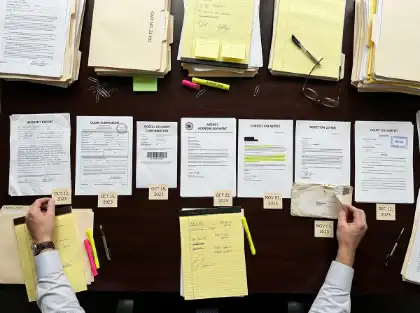
What If I Lost the Envelope That Contained the Rejection Letter?
Bring the rejection letter even if you lost the mailing envelope it arrived in. The envelope’s postmark may indicate when the agency mailed the letter, but there are other ways to confirm that.
You can check the letter for a printed date or a “proof of mailing” page. If there’s none, tell your lawyer when you received the letter, if you remember. Your lawyer can also check whether the agency has a record of when it mailed the letter.
Should I Bring a Complaint That I Never Filed?
Yes, bring the draft complaint and tell the lawyer you never filed it. The draft helps your lawyer see what you planned to file.
If you think someone else may have filed it, bring any court-stamped copy, filing confirmation, or proof of service you have. Having a copy doesn’t, by itself, show that a lawsuit was filed, so let your lawyer confirm the status.
What If the Agency Sent the Rejection to My Former Lawyer?
Ask your former lawyer for the complete rejection notice and the envelope or original email. Bring any letter confirming when your former lawyer stopped representing you. Include messages notifying the agency of a new lawyer or a different mailing address.
Tell your reviewing lawyer when the former lawyer forwarded the notice, if they did. Your reviewing lawyer can check whether the agency used the correct address and which date counts for the filing deadline.
Does Asking the Agency to Reconsider Stop the Deadline?
No, asking the agency to reconsider does not automatically pause or restart the deadline to file a lawsuit. Bring your request, the agency’s response, and any written agreement about deadlines.
Your lawyer must check whether those documents legally changed the time available. Continued discussions with the agency do not, by themselves, give you more time to sue.
Ask Arash Law to Review Your Government Claim Rejection Notice
A lawyer can review your rejection notice and claim records to determine what the agency decided and what options may remain. That review includes the reasons for rejection, how you submitted the claim, and when the agency sent its response.
Your complete paperwork helps counsel identify missing information and assess the applicable procedure and deadlines. Include earlier correspondence, mailing or email records, important dates, and details about any lawyer already handling the matter.
Call Arash Law at (888) 488-1391 to request a free case evaluation of the government agency’s response and available records. You can request a review even if some documents are still missing.
Sources
- Government Code § 910.8. Notices of missing or defective claim information.
https://leginfo.legislature.ca.gov/faces/codes_displaySection.xhtml?lawCode=GOV§ionNum=910.8- Government Code § 911.3. Claims returned as late.
https://leginfo.legislature.ca.gov/faces/codes_displaySection.xhtml?lawCode=GOV§ionNum=911.3- Government Code § 911.4. Applications to submit late claims.
https://leginfo.legislature.ca.gov/faces/codes_displaySection.xhtml?lawCode=GOV§ionNum=911.4- Government Code § 912.4. Agency response periods and deemed rejection.
https://leginfo.legislature.ca.gov/faces/codes_displaySection.xhtml?lawCode=GOV§ionNum=912.4- Government Code § 913. Written claim-response notices.
https://leginfo.legislature.ca.gov/faces/codes_displaySection.xhtml?lawCode=GOV§ionNum=913- Government Code § 915. Claim submission requirements.
https://leginfo.legislature.ca.gov/faces/codes_displaySection.xhtml?lawCode=GOV§ionNum=915- Government Code § 915.4. Notice delivery methods.
https://leginfo.legislature.ca.gov/faces/codes_displaySection.xhtml?lawCode=GOV§ionNum=915.4- Government Code § 945.4. Claim requirements before a lawsuit.
https://leginfo.legislature.ca.gov/faces/codes_displaySection.xhtml?lawCode=GOV§ionNum=945.4- Government Code § 945.6. Lawsuit filing periods.
https://leginfo.legislature.ca.gov/faces/codes_displaySection.xhtml?lawCode=GOV§ionNum=945.6- Government Code § 946.6. Court relief after late-claim denial.
https://leginfo.legislature.ca.gov/faces/codes_displaySection.xhtml?lawCode=GOV§ionNum=946.6- California Courts Self-Help Guide. Government claim submission, agency responses, and deadlines to file a lawsuit.
https://selfhelp.courts.ca.gov/civil-lawsuit/government-claim- Los Angeles City Clerk. Claims and supporting documents.
https://clerk.lacity.gov/clerk-services/council-and-public-services/claim-damage- Department of General Services. State claims and amendments.
https://www.dgs.ca.gov/ORIM/File-A-Claim?search=government+claims- State Bar of California. Working with your lawyer.
https://www.calbar.ca.gov/public/legal-resources/working-attorneyDisclaimer
This content provides general educational information and does not constitute legal advice or create an attorney-client relationship. Consult a licensed California attorney about your documents, circumstances, and deadlines.
Past results do not guarantee future outcomes. Arash Law — (888) 488-1391.



