
TL;DR: Your lawyer can check whether a medical episode happened before impact, whether it prevented the driver from controlling the vehicle, and what the driver knew about the risk.
When the other driver blames the crash on a medical problem, your lawyer can piece together what happened in the moments before impact. Witness accounts, available medical records, video, and vehicle data can help show whether an episode occurred, whether the driver could still control the car, and whether they had any warning that it might happen.
California courts apply negligence principles to crashes involving sudden illness. What the driver knew before the crash, how much time they had to react, and whether any other conduct contributed to your injuries can affect your claim.
Key Facts About Investigating a Claimed Medical Emergency
- A reported medical condition does not automatically establish legal fault. Hammontree v. Jenner applies negligence principles to sudden-illness collisions rather than imposing automatic liability.
- Prior symptoms can reveal whether a driver should anticipate incapacity. Under Hammontree, the driver’s knowledge and reasonable precautions remain relevant to the analysis of negligence.
- Drivers must respond reasonably to sudden dangers they did not cause. California Civil Jury Instruction 452 addresses how drivers react to unexpected danger when they have more than one way to respond to it.
- Medical record requests must respect privacy and follow legal procedures. Code of Civil Procedure § 1985.3 establishes procedures for notifying people when certain personal records are requested by subpoena, as well as procedures allowing those people to object to the request.
- Vehicle data can document driving inputs without diagnosing medical conditions. The National Highway Traffic Safety Administration describes event data recorders (EDRs) as devices that capture technical crash information.
Table of Contents

The Driver Who Injured Me Says a Sudden Medical Problem Caused the Collision. What Can My Lawyer Investigate Before Accepting That Explanation?
Your lawyer can trace who first reported the medical problem, reconstruct the moments before the impact, and look for evidence that the driver lost the ability to steer or brake. They can also check for earlier warnings, review any driving restrictions in effect that day, and test other explanations for the crash against the same evidence.
Who Reported the Medical Episode?
Your lawyer can check whether the explanation came from the driver, a passenger, an emergency responder, a clinician, or an insurance adjuster. Each may know something different. An officer might document the driver’s condition after arriving, while a passenger might describe what happened just before the vehicle drifted.
If the police report contains a disputed or incomplete account, counsel can compare it with the underlying statements and other records. For example, an early report of confusion and a later account of unconsciousness raise different questions about the driver’s ability to respond.
When Did Symptoms Begin and What Could the Driver Still Do?
Your lawyer can compare the first signs of symptoms, the vehicle’s movements, the moment of impact, and what responders observed afterward. If the driver says they fainted, a medical professional can review available findings, along with witness accounts and symptoms before and after the episode. That review may help identify when the episode occurred and whether it impaired the driver’s ability to control the vehicle.
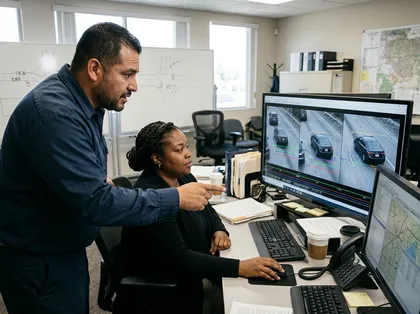
Dashcam footage, witness accounts, and available EDR data can help show whether the vehicle slowed, changed direction, or maintained its speed. A lack of recorded braking can be explained by incapacity, distraction, or insufficient time to react. Counsel can also assess whether the driver had enough warning and a safe opportunity to pull over. If footage or vehicle data may be available, tell your lawyer early so they can take steps to preserve evidence after the crash.
Did the Driver Have Reason to Expect a Loss of Control?
Your lawyer can look for warnings the driver knew or reasonably should have recognized before starting the trip or while driving. Relevant evidence may include prior episodes, symptoms earlier that day, medical advice about driving, and instructions tied to treatment or medication changes. A medical professional can help explain what those facts suggest about the risk at the time.
Counsel can also check which licensing conditions applied on the crash date. The California Department of Motor Vehicles may require medical reports, restrict driving by time or location, or take other action after evaluating a lapse-of-consciousness disorder. The terms and effective dates of those restrictions matter when assessing whether a particular restriction applied to the trip.
Ask What the Evidence Shows About the Driver’s Account
If the other driver or insurer says a medical emergency caused the crash, our car accident lawyers can review that explanation alongside the records you have. Call (888) 488-1391 for a free initial consultation.
What Else Could Have Contributed to the Crash?
Your lawyer can investigate other causes even when the evidence confirms a medical episode. Our motor vehicle accident attorneys can compare the timing of the episode with evidence of distraction, fatigue, speed, following distance, steering or brake problems, and another driver’s actions.
For example, video might show that the driver was following closely before any signs of distress. That could matter if the short following distance contributed to the crash or your injuries. California law allows for more than one substantial factor in causing harm.
How California Law Applies to the Driver’s Explanation
California applies negligence law to crashes involving sudden illness. The questions are whether the driver used reasonable care and whether any failure to do so was a substantial factor in causing your injuries.
In Hammontree v. Jenner (1971) 20 Cal.App.3d 528, 531–533, the California Court of Appeal applied that standard to a crash involving a seizure. The record included the driver’s seizure history, treatment, and testimony about whether he had warning before losing control.
What Could the Driver Have Done Before Losing Control?
Your lawyer can look at what the driver knew and what they had time to do.
- Prior Warnings: Earlier episodes, symptoms, or medical advice may show that the driver had reason to anticipate a loss of control.
- Time to Respond: If symptoms began before the driver lost control, counsel can check whether there was a reasonable chance to slow down or pull over safely.
- Other Negligence: Separate driving errors may support your claim if they were a substantial factor in causing your injuries.
An abrupt loss of control the driver had no reason to anticipate can weaken a claim against that driver.
How Did the Driver Respond to Sudden Danger?
California Civil Jury Instruction 452 addresses whether a person acted reasonably after noticing sudden danger. It considers whether:
- The person faced a sudden, unexpected situation in which someone appeared to be in immediate danger of injury.
- The person did not cause the emergency.
- The person responded as a reasonably careful person would have under similar circumstances.
The instruction applies only when the person had at least two courses of action available after noticing the danger. If the driver says they lost consciousness immediately, your lawyer can examine when they became unable to act and what they could reasonably have done before then.
What Evidence Can Test the Driver’s Explanation?
Use this table to track what the driver or insurer said and what your lawyer can check. Write down who made each statement, when they made it, and whether they personally observed what they described.
| What You Were Told | Evidence Your Lawyer Can Check | Question the Evidence May Answer |
|---|---|---|
| “The driver had a medical emergency.” | Responder observations, hospital findings, and firsthand accounts | What evidence supports the reported episode? |
| “The driver lost consciousness before impact.” | Video, passenger or witness accounts, and medical findings | When did the driver lose awareness or control? |
| “There were no warning signs.” | Earlier symptoms, prior episodes, and dated medical advice | Before the crash, what did the driver know about the risk of them losing control of the vehicle? |
| “The driver was cleared to drive.” | Dated medical instructions and relevant licensing records | What medical instructions or driving restrictions applied that day? |
| “The driver had no time to react.” | Available vehicle data, video, and accounts of traffic conditions | Was there a safe chance to slow down or pull over? |
| “The medical episode caused the crash.” | The crash timeline, medical evidence, and reconstruction findings | Which causes fit the sequence of events, and which contributed to your injuries? |
Frequently Asked Questions About Medical Emergency Crash Claims in California
Can My Lawyer Investigate if the Driver Has a Confirmed Diagnosis?
Yes. Your lawyer can still investigate whether an episode occurred before impact, whether it prevented safe driving, and whether the driver had warning. Those questions depend on the circumstances of the crash and the driver’s medical history.
Can My Lawyer Obtain the Other Driver’s Medical Records?
Your lawyer can seek relevant records through lawful means, subject to privacy protections and any applicable privileges. In litigation, California Code of Civil Procedure § 1985.3 sets notice and objection procedures for subpoenas seeking covered personal records. Counsel can assess which records are relevant and what procedures apply.
Does the Driver’s Lack of Memory Prove They Blacked Out Before Impact?
Not necessarily. A gap in the driver’s memory does not establish whether or when they lost consciousness. Counsel can compare the driver’s recollection with what witnesses saw, what video shows, and what medical records say about the driver’s condition after the crash.
What if the Evidence Supports the Driver’s Explanation?
Evidence of an unforeseeable loss of control can weaken or defeat a negligence claim against the driver. Your lawyer can explain what that means for your claim, review whether the evidence points to another responsible party, and identify whether any insurance benefits may apply.
Get the Driver’s Explanation Reviewed
If an insurer has relied on a medical emergency to dispute your injury claim, bring its written explanation and any crash report, photos, video, or witness information you have. Arash Law can review the evidence to determine what is supported and what still needs to be checked.
Call (888) 488-1391 for a free initial consultation.
Sources
- California Court of Appeal, Hammontree v. Jenner (1971) 20 Cal.App.3d 528, 531–533. https://www.leagle.com/decision/197154820calapp3d5281495
- Judicial Council of California, Civil Jury Instructions 400, 401, 430, 431, and 452 on negligence, causation, multiple causes, and sudden emergencies. https://courts.ca.gov/system/files/file/judicial_council_of_california_civil_jury_instructions_2026.pdf
- California Legislature, Code of Civil Procedure § 1985.3 on subpoenas for covered personal records. https://leginfo.legislature.ca.gov/faces/codes_displaySection.xhtml?lawCode=CCP§ionNum=1985.3
- California Department of Motor Vehicles, lapse-of-consciousness disorders and medical probation. https://www.dmv.ca.gov/portal/driver-education-and-safety/medical-conditions-and-driving/lapse-of-consciousness-disorders/
- National Highway Traffic Safety Administration, event data recorders and the information they may capture. https://www.nhtsa.gov/research-data/event-data-recorder
- American College of Cardiology, American Heart Association, and Heart Rhythm Society, clinical guideline on evaluating fainting episodes. https://www.jacc.org/doi/10.1016/j.jacc.2017.03.003
Disclaimer
This article provides educational information, not legal advice. Reading it does not create an attorney-client relationship. Consult a licensed California attorney about your circumstances. Arash Law — (888) 488-1391.



