TL;DR: Yes, it can be too late to make an insurance claim. Your policy may require prompt notice, while California law separately sets deadlines for filing a lawsuit. For most personal injury cases, CCP § 335.1 generally gives you two years to sue, but that is not a universal deadline for submitting an insurance claim. Missing a policy requirement or legal filing deadline can jeopardize recovery, subject to limited exceptions.
Depending on your situation, it can be too late to make an insurance claim. In California, there’s no actual deadline to file every type of insurance claim. That is why, when gauging if you can still pursue compensation from your own insurer or someone else’s, you need to look at factors such as the policy that applies, the types of losses you’re making a claim for, and whether any additional legal deadlines apply.
Generally, however, it’s too late to make a claim if so much time has passed that the insurance company can no longer conduct a thorough review of your situation. That is why many policies ask you to notify your insurer of a claim “promptly” or “as soon as possible.” However, don’t assume that your claim is automatically barred just because you waited to file with an insurer. There may be a deadline you can still meet, and exceptions might apply to your situation.
Knowing the time limits for your claim and which one arrives first is the first step toward protecting your right to recover compensation for your losses.
Key Facts About California Insurance Claim Deadlines
- Policy Reporting Window: Many insurance policies require prompt notice of a loss, injury, accident, or other covered event.
- Different Claims Can Have Different Timing Rules: Liability claims against businesses, property owners, government entities, and other responsible parties may involve different notice requirements, policy conditions, and lawsuit deadlines. The applicable timing depends on the type of claim and who may be responsible.
- Filing a Claim Does Not Stop the Lawsuit Deadline: Reporting a claim to an insurer or negotiating a settlement does not pause California’s statute of limitations. You may still need to file a lawsuit before the applicable deadline to preserve your rights.
- Late Notice Does Not Automatically End Coverage: In California, an insurer generally cannot deny coverage solely because notice was delayed, unless it can show that the delay caused actual and substantial prejudice to its ability to investigate or defend the claim.
Table of Contents

Internal Policy Deadlines: What “Prompt Reporting” Actually Means
Many insurance policies require you to report a loss, accident, injury, or other covered event promptly or within a stated period. The exact wording and timing depend on the policy, the type of coverage, and the circumstances of the claim.
For example, suppose you were injured in a hit-and-run. Because the driver could not be identified, you decide to file a claim against the uninsured motorist (UM) coverage from your own auto policy. To make that claim, you first need to meet these statutory requirements (Insurance Code § 11580.2):
- You can prove that there was physical contact between the fleeing vehicle and you (the insured) or the vehicle you were occupying at the time.
- You must have made a police report within 24 hours of the crash.
- You must give your insurer a sworn statement within 30 days.
- You have only two years from the date of the accident to take a formal step to preserve your claim, such as filing suit, reaching a settlement, or starting arbitration by certified mail.
Another type of insurance claim that has strict reporting requirements is workers’ compensation. To preserve your right to make a claim, Labor Code § 5400 requires you to report your work injury to your employer within 30 days, subject to exceptions. LAB § 5405 also imposes a one-year period within which to commence proceedings in many cases.
Prompt reporting is a contractual obligation. Missing the window established by an insurer can create a coverage dispute, especially if the delay makes it harder for the insurer to investigate what happened, inspect property or conditions, interview witnesses, obtain records, or evaluate the claimed injuries.
Policy notice requirements are separate from legal filing deadlines. An insurer cannot change California’s statute of limitations, and ongoing claim discussions should not be assumed to extend the time to file a lawsuit or satisfy any separate statutory claim requirement.
The Legal Filing Deadlines In California’s Statute Of Limitations
In California, most personal injury lawsuits must be filed within two years under California Code of Civil Procedure (CCP) § 335.1. However, if a public entity may be liable, you generally must first present a written claim within 6 months under Government Code (GOV) § 911.2 before any lawsuit can be filed.
The statute of limitations is the legal deadline for filing a lawsuit, entirely separate from your policy’s notice requirement. However, it still helps to know about them, even when you are only trying to settle an insurance claim. That’s because filing a claim or negotiating with an insurer generally does not stop the statute of limitations from running. If the deadline to sue expires while the insurance claim is still being investigated or negotiated, you may lose the ability to take the responsible party to court if the insurer denies the claim or offers too little.
California law sets three deadlines injury victims need to know:
- Personal Injury and Wrongful Death Lawsuits: You have 2 years from the date of injury or death to sue (CCP § 335.1). This is the standard deadline for California personal injury lawsuits against private parties.
- Property Damage Lawsuits: You have 3 years from the date your claim arose to sue for damage to personal property (CCP § 338).
- Claims Against a Government Entity: When a city, county, or other public agency caused the accident, you generally must first present a formal written claim within 6 months of the incident under GOV § 911.2, before any lawsuit can be filed.
- A government claim must be presented to the correct public entity. Matters involving a city, county, district, or other local agency are generally submitted directly to that entity under GOV § 915. State-level filings usually go through the Department of General Services, although agency-specific procedures may apply.
- For Caltrans-related death, personal injury, or property damage, amounts of $12,500 or less may be submitted to the appropriate Caltrans district, while amounts over $12,500 must go through the Government Claims Program.
- For other claims against state agencies, the DGS/ORIM Government Claims Program is the filing point of contact. Whether a Caltrans injury claim goes through DGS/ORIM or directly to Caltrans depends on the specific facts; an attorney can identify the correct pathway.
If the claim is denied, you typically have 6 months from the denial notice to file suit; if the entity fails to respond, you may have up to 2 years from the accrual of the cause of action.
However, fact-specific rules such as minor tolling under CCP § 352 and the discovery rule may extend the time in limited circumstances. An attorney can evaluate the specific timing in your case.
If any of these deadlines are approaching, contact Arash Law now at (888) 488-1391 for a free case evaluation. There is no fee to speak with an attorney and no obligation to proceed.
The Discovery Rule And Delayed-Onset Injuries
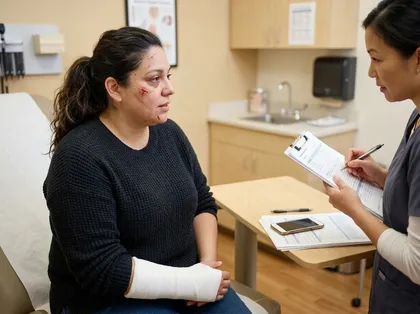
Some injuries may not be immediately apparent, but delayed symptoms or a later diagnosis do not automatically postpone the statute of limitations. California’s discovery rule may delay accrual only until the claimant knew or reasonably should have suspected an injury and a wrongful cause.
A claimant relying on delayed discovery generally must show reasonable diligence and an inability to have discovered the relevant facts earlier. The rule is fact-specific and should not be assumed to extend any deadlines related to making an insurance claim. Under the discovery rule, the 2-year period may begin when you discover, or reasonably should have discovered, the injury and its cause, rather than on the accident date.
An attorney should evaluate whether this doctrine applies to your specific circumstances. This is not a guarantee of extra time; courts look at when symptoms appeared and whether a reasonable person would have sought a diagnosis earlier.
Acting quickly once any symptom appears is critical. The discovery rule is a narrow exception, and waiting to see a doctor while hoping symptoms resolve on their own can cost you the exception’s protection.
Injured Minor Filing Deadline
For many private personal injury claims, the filing deadline may be tolled while the injured person is a minor. That means they have until their 20th birthday to sue. Parents or legal guardians can take legal action on their behalf before this time. Government-entity claims, medical malpractice claims, and other specialized claims can have different timing rules, so you should review the applicable deadline with an attorney.
Settlement Talks Do Not Pause The Clock
Filing an insurance claim, negotiating with an adjuster, or receiving settlement offers does not pause the statute of limitations. To protect your right to sue, you typically need to file a lawsuit before the deadline unless a recognized tolling rule applies. An attorney can evaluate the specific timing in your case.
What Happens When You Make An Insurance Claim Too Late?
Reporting an insurance claim late does not automatically mean you lose coverage. In California, an insurer generally cannot deny a claim based solely on delayed notice unless it can show that the delay caused actual and substantial prejudice to its ability to investigate or defend the claim. This is known as the notice-prejudice rule. The insurer bears the burden of proving that the late notice materially harmed its position.
Even when a late report does not automatically defeat coverage, delays can still make a personal injury claim harder to prove:
- Evidence may disappear. Surveillance footage, photographs, damaged property, maintenance records, incident reports, and other records showing how the injury occurred can be especially time-sensitive. Witnesses may also become harder to locate or may remember fewer details.
- Delays in medical evaluation or treatment can create gaps. That means you may lack the medical records to document symptoms, diagnoses, treatment, and recovery, and establish the connection between the incident and the resulting injuries. An insurer may question whether the claimed injuries were caused by an accident or whether they were as serious as alleged.
The insurer may investigate whether the delay affected its ability to inspect the scene, obtain records, interview witnesses, evaluate the claimed injuries, or assess liability. The practical effect of this rule depends on the policy, the reason for the delay, and whether the insurer can prove substantial prejudice.
Yet, even if a reporting requirement is missed, it does not necessarily mean the claim is over. Separate legal deadlines, such as statutes of limitations or government-claim deadlines, may still apply and can have much stricter consequences if missed. The reason for the delay can also matter. For example, hospitalization, incapacity, or another circumstance that reasonably prevented earlier notice may be evaluated differently from an unexplained delay.
How An Attorney Protects Your Right To Make A Claim
An attorney who handles deadline-sensitive claims can step in whether you are approaching a reporting window or have already missed one. The question is what options remain and how quickly they can be preserved.
Here’s how an injury attorney can help:
- Adjuster Contact: Insurance companies may not want you to hire a lawyer after an accident because an attorney can handle or assist with insurer communications and help to avoid delaying tactics or lowball settlement offers. Also, they can help to reduce the risk that unclear or inconsistent statements will adversely affect the claim.
- Evidence Preservation: Your attorney issues spoliation and litigation hold letters to preserve surveillance footage before it is overwritten. They can also help you get copies of evidence that’s difficult to obtain, such as police or CHP collision reports for traffic crashes and a property owner or manager’s maintenance logs after a slip-and-fall accident.
- Deadline Management: Your attorney tracks every applicable deadline, policy reporting window, and filing requirement so you know which steps to take next.
Arash Law handles personal injury matters on a contingency fee basis, so you owe attorney’s fees only if you win or settle your case. That structure means the upfront cost of getting legal help does not need to factor into your decision to act.
What Arash Law Has Recovered For Clients When Timing Mattered
Arash Law’s past cases illustrate how a lawyer’s experience with case preparation, including timely filing and evidence preservation, can help, even when you make an insurance claim late. In particular, consider this case, which involved both workers’ compensation and a separate third-party personal injury claim:
Past results do not guarantee future outcomes. Every case is different, and results depend on the specific facts and evidence involved.
Frequently Asked Questions About Insurance Claim Deadlines In California
These questions cover the specific timing scenarios Arash Law’s attorneys encounter most often regarding making late claims after a personal injury accident in California. Each answer addresses a distinct situation you may be facing.
Can You Make An Insurance Claim 3 Months Later?
A claim reported three months later may still be considered. However, the delay can make causation and damages harder to document and may implicate claim-specific deadlines. Crucially, that three-month wait alone does not bar your claim. The insurer will still carry the burden of proving substantial prejudice for a late-notice defense.

Should I Wait Until I’m Fully Healed To File My Claim?
No. Waiting until you are fully healed may violate policy notice requirements or lawsuit deadlines. Report the claim promptly and continue medically appropriate treatment. The claim can be evaluated as your prognosis and future-care needs become clearer.
Does Making An Insurance Claim Stop The Statute Of Limitations?
No. Filing an insurance claim, negotiating with an adjuster, or receiving a settlement offer does not pause California’s statute of limitations. To protect your right to pursue a lawsuit, you generally must file it before the applicable court deadline, even if settlement discussions are still ongoing. Limited tolling rules or exceptions may apply in certain situations, so the specific deadline should be reviewed promptly.
When Should I Not File An Insurance Claim?
You may be able to forego making a claim if the loss is minor, the cost is below your deductible, or there appears to be no covered injury or damage. However, before deciding not to report it, review your policy’s notice requirements. Additionally, consider whether injuries, property damage, or other losses could become more serious than they first appeared. If there is any uncertainty about the extent of the injury or whether coverage may apply, delaying notice can create additional problems later.
What Happens If I Discover An Injury Weeks After The Incident?
Discovering an injury later does not automatically extend an insurance policy’s reporting deadline. However, California’s discovery rule may affect the separate deadline for filing a personal injury lawsuit if the injury and its wrongful cause were not reasonably discoverable earlier.
Under that rule, the statute of limitations may begin when you discovered, or reasonably should have discovered, the injury and its cause. The rule is fact-specific and does not automatically apply simply because symptoms appeared later.
Can An Insurance Company Refuse To Consider A Claim Just Because It Was Reported Late?
Not necessarily. Whether the insurer can rely on late reporting depends on the policy, the reason for the delay, and whether the delay actually affected its ability to investigate the claim. A late report may create a dispute, but it does not always mean the insurer can refuse to consider the claim altogether.
What Should I Do If I Think I Already Missed An Insurance Claim Deadline?
Do not assume the claim is automatically over. Review the policy, identify any applicable legal deadlines, and determine whether the missed deadline was contractual or statutory. Different rules may apply depending on the type of claim, and some late claims may still be evaluated under certain circumstances.
Talk To Arash Law About Making A Late Claim
California law does not impose a specific deadline for making an insurance claim that applies across claim types. That is why any time limits will depend on your policy and any relevant laws. Because timing rules can be complicated, get legal advice as soon as possible if any deadline may be approaching.
The 2-year limit under CCP § 335.1, the 6-month government-claim requirement under GOV § 911.2, and your insurer’s internal reporting window can all arrive sooner than expected. Missing any one of them can jeopardize your claim by giving an insurer grounds to dispute coverage or by leaving you unable to file suit, subject to limited, fact-specific exceptions.
Arash Law has recovered over $1 billion for injured Californians. Our attorneys handle every deadline, from the insurer’s internal reporting window to the government-claim pre-filing requirement, and work to preserve evidence before it disappears.
Call (888) 488-1391 for a free case evaluation.
Arash Law — Make Them Pay, Call AK.
Sources
California Legislature. California Insurance Code § 11580.2: Uninsured and Underinsured Motorist Coverage Requirements. LegInfo, accessed September 3, 2026. https://leginfo.legislature.ca.gov/faces/codes_displaySection.xhtml?sectionNum=11580.2&lawCode=INS
California Legislature. California Labor Code §§ 5400 and 5405: Notice of Work Injury and Time to Commence Workers’ Compensation Proceedings. LegInfo, accessed September 3, 2026. https://leginfo.legislature.ca.gov/faces/codes_displaySection.xhtml?sectionNum=5400&lawCode=LAB and https://leginfo.legislature.ca.gov/faces/codes_displaySection.xhtml?sectionNum=5405&lawCode=LAB
California Legislature. California Code of Civil Procedure § 335.1: Two-Year Statute of Limitations for Personal Injury and Wrongful Death. LegInfo, accessed September 3, 2026. https://leginfo.legislature.ca.gov/faces/codes_displaySection.xhtml?sectionNum=335.1&lawCode=CCP
California Legislature. Government Code § 911.2: Six-Month Government Claim Presentation Deadline. LegInfo, accessed September 3, 2026. https://leginfo.legislature.ca.gov/faces/codes_displaySection.xhtml?sectionNum=911.2&lawCode=GOV
California Legislature. California Code of Civil Procedure § 352: Tolling for Minors and Persons Lacking Legal Capacity. LegInfo, accessed September 3, 2026. https://leginfo.legislature.ca.gov/faces/codes_displaySection.xhtml?sectionNum=352&lawCode=CCP
California Department of General Services / Office of Risk and Insurance Management. File a Government Claim. DGS/ORIM Government Claims Program, accessed September 3, 2026. https://dgs.ca.gov/orim/file-a-claim
University of the Pacific, McGeorge School of Law. McGeorge Law Review. Available through Pacific Scholar, accessed September 3, 2026. https://scholarlycommons.pacific.edu/cgi/viewcontent.cgi?article=3125&context=mlr
Disclaimer
The information on this page is for general educational purposes only and does not constitute legal advice. No attorney-client relationship is formed by reading this content. Deadlines referenced (statutes of limitations, government claim presentation periods, insurance reporting windows) are general in nature. Your specific deadlines may differ based on the facts of your case, the parties involved, and applicable law. Contact a licensed California personal injury attorney promptly if any deadlines may be approaching. Arash Law — (888) 488-1391.