Calabasas Personal Injury Lawyers
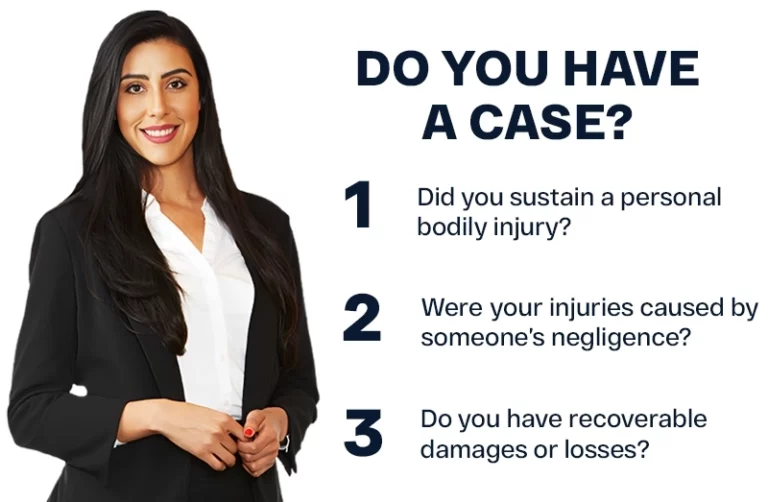
If someone else’s negligence or wrongful act injured you in Calabasas, you may have the right to seek compensation. A personal injury claim can help cover medical bills, lost income, pain, and other losses.
Arash Law represents injured people across California. Our firm has recovered over $1 billion for clients. Our Calabasas personal injury lawyers handle many types of cases, including traffic crashes, slip-and-fall accidents, dog bites, unsafe property conditions, defective products, and work injuries caused by third parties.
Accidents can happen at any of the city’s busy roads, shopping areas, parks, workplaces, gated communities, and homes near the Santa Monica Mountains. When another’s careless actions cause your injuries, our attorneys can explain who may be responsible, what insurance could apply, and where important evidence might be kept.
Call: (888) 488-1391 (24-hour line)
Reviewed by Arash Khorsandi, Esq., California State Bar #249405, admitted 2007, last reviewed September 2026

We’ll review what happened and tell you what options may be available.
Or, get LIVE help now — call our free 24-hour accident hotline at (888) 488-1391
Top Personal Injuries result
Fees unless we win
Free case hotline
Statewide practice
Who Can File a Personal Injury Claim in Calabasas?
Personal injury law covers much more than car accidents. You may have a claim if another person, business, property owner, or public entity caused your injury.
People who may have a Calabasas personal injury claim include:
- Drivers and passengers who were hurt in traffic crashes.
- Motorcyclists, bicyclists, and pedestrians who were injured by another road user.
- People who were hurt on unsafe property, such as a store, parking lot, apartment complex, or private home.
- Dog-bite victims who were bitten in a public place or while lawfully on private property. California Civil Code § 3342 generally makes the dog owner liable in those situations, even if the dog had never bitten anyone before.
- People who were hurt by defective products, such as unsafe tools, equipment, consumer goods, or vehicle parts.
- Workers injured by third parties. A worker may have a workers’ compensation claim and a separate personal injury claim when someone other than the employer caused the injury.
- Minors. A parent, guardian, or guardian ad litem may act for an injured child when required by California law.
- Spouses and registered domestic partners may have a loss of consortium claim after a serious injury.
- Eligible family members may be able to bring a wrongful death claim after a fatal accident.
- An estate or successor in interest pursuing claims that belonged to a person who later died.
- Close relatives who witnessed a serious injury in limited cases where California’s rules for bystander emotional distress are met.
The right to file depends on the facts of the case. If you are unsure whether your situation qualifies, Arash Law offers a free case evaluation to review the facts and explain your options.
Cases Our Calabasas Personal Injury Lawyers Handle
Our Calabasas personal injury lawyers handle claims arising from traffic crashes, unsafe property, defective products, and work-related injuries involving third parties. We investigate who caused the injury, identify available insurance coverage, preserve evidence, calculate damages, and pursue compensation from the responsible parties under California law.
Injured victims and their families can bring cases involving the following to our firm:
- Auto Accidents: Car, truck, rideshare, delivery vehicle, and other motor vehicle crashes can happen on US-101, Las Virgenes Road, Lost Hills Road, Agoura Road, and streets throughout Calabasas. These cases may involve negligent drivers, employers, trucking companies, rideshare coverage, commercial insurance, or multiple responsible parties.
- Vulnerable Road User Accidents: Motorcyclists, bicyclists, and pedestrians have less physical protection in a collision. Claims may involve unsafe turns, speeding, failure to yield, distracted driving, dangerous passing, or roadway conditions. Our lawyers can investigate all available sources of compensation if serious injuries and losses cause a claim to exceed the primary at-fault party’s policy limits.
- Premises Liability: Property owners and others who control premises may be responsible when unsafe conditions cause injuries. Calabasas claims may arise from slips and falls, dog bites, negligent security, dangerous stairs or walkways, parking lot hazards, or unsafe conditions at homes, businesses, and apartment or office buildings.
- Product Liability: Defective vehicles, tools, equipment, consumer products, and other goods can cause serious injuries when they contain manufacturing defects, unsafe designs, or inadequate warnings. A product liability claim may involve manufacturers, distributors, sellers, and other companies that helped bring the defective product to market.
- Workers’ Compensation and Third-Party Injury Claims: An employee injured on the job may receive workers’ compensation benefits from their employer while also having a separate personal injury claim against a negligent third party, such as a driver, subcontractor, property owner, or equipment manufacturer. Our attorneys can evaluate both claims, track how they interact, and pursue compensation available beyond workers’ compensation when permitted by California law.
Why Calabasas Personal Injury Claims are Different
Calabasas has a few features that can change how an injury accident is investigated. The city sits along US-101, but much of its local road network reaches into hilly terrain near the Santa Monica Mountains. It also has several large gated communities, school corridors, shopping areas, trails, and public open spaces. Recent data and city projects also show where Calabasas is focusing its safety efforts.
When someone else’s careless actions cause an injury, these local factors can create questions about road control, property ownership, insurance, and which agency holds the evidence.
Traffic, Motorcycle, Bicycle, And Pedestrian Injuries
California Office of Traffic Safety data for 2023 reported a total of 82 people killed and injured in Calabasas traffic collisions:
| 2023 Calabasas Data | Number |
|---|---|
| Total victims killed or injured | 82 |
| Speed-related fatal/injury collisions | 12 |
| Pedestrian victims | 3 |
| Bicycle victims | 2 |
| Motorcycle victims | 2 |
| Hit-and-run fatal/injury collisions | 2 |
These are victims and collisions reported by OTS, not a count of all crashes in the city.
Calabasas’ road network, which has some unusual features, may contribute to an increased risk of traffic accidents in the city. For example:
- When US-101 backs up, traffic can divert onto Lost Hills Road, Las Virgenes Road, Calabasas Road, Mureau Road, Agoura Road, and streets near Parkway Calabasas. That added local traffic can increase the number of turning, merging, rear-end, and pedestrian or bicycle conflict points, while also making it important to identify the exact roadway, traffic-control conditions, and responsible agency when investigating a personal injury claim.
- Crashes can occur due to the curves, narrow shoulders, limited sight distance, rockfall and landslide concerns, and heavy peak-hour traffic that the City has identified along Mulholland Highway. This corridor also provides access to four schools within about a mile of each other, including Chaparral Elementary School and Calabasas High School. That means current road conditions could put minors at risk of injury in the event of an accident, especially during peak drop-off and pick-up times.
For reasons such as these, Calabasas has recently taken several steps to address road user safety:
- Speed limits were lowered by 5 to 10 mph on many city streets in 2026, including Lost Hills Road and Las Virgenes Road. Some school zones are being reduced to 20 mph when children are present.
- The California Department of Transportation’s (Caltrans) Highway Safety Improvement Program (HSIP) Cycle 11 targeted 12 signalized intersections for new striping, signs, signal improvements, and other safety measures.
- A new Calabasas Road/Mureau Road roundabout is under construction from June 2026 through February 2027. The project adds sidewalks and other pedestrian and bicycle improvements.
- The City’s next pedestrian-safety project calls for improvements at 22 intersections, with construction planned for 2027.
- Citywide guardrail replacement and upgrades are scheduled for summer through fall 2026.
These projects do not prove that a road was dangerous or that the City caused an accident. They can, however, identify useful traffic studies, design plans, maintenance records, and other evidence.
Falls, Unsafe Property, And Homeowners’ Association (HOA) Claims
Premises liability claims in the city may arise at shopping areas such as The Commons at Calabasas, apartment communities, offices, restaurants, parking lots, private homes, and HOA-managed common areas.
Who controlled the exact location matters. A fall in a gated community, for example, might involve a homeowner, the HOA, a property manager, a maintenance company, or a contractor.
Calabasas also began enforcing the 2025 California Building Standards Code on January 1, 2026. Building permits, inspection records, code violations, maintenance records, and prior complaints may be important when an injury involves stairs, walkways, railings, pools, construction, or other unsafe property conditions.
Tree, Landscaping, and Outdoor Property Injuries
Calabasas has its own Oak Tree Ordinance, which protects native oak trees and regulates pruning, removal, and work within protected zones. Property owners must maintain protected oaks in good health, and certain work requires City approval or a certified arborist’s review.
These rules can matter when an injury involves:
- Falling branches or tree failure.
- Roots that damage a walkway.
- Landscaping or construction near an oak.
- HOA or commercial-property maintenance.
The Oak Tree Ordinance can create useful records, including permits, arborist reports, inspections, and maintenance history. These records may help show the tree’s condition, what work was done, and who was responsible for its care. A permit or ordinance violation alone does not prove negligence, but it can become part of the evidence.
Construction and Third-Party Work Injuries
Calabasas also has several major building projects that create a different set of risks for construction workers, contractors, delivery crews, and visitors. Current and upcoming developments include:
- The Commons Lane mixed-use project. Site work began in January 2026. The project will add 80 apartments and more than 27,000 square feet of commercial space, with completion planned for fall 2027.
- West Village at Calabasas. The approved project at Las Virgenes Road and Agoura Road calls for 70 new homes on a 77-acre site, along with street, sidewalk, bike, and trail improvements.
- Kia Calabasas. The City approved a new 45,780-square-foot auto dealership at 24460 Calabasas Road.
Construction injuries can involve falls, falling materials, heavy equipment, unsafe work areas, or defective tools. An injured worker may qualify for workers’ compensation through an employer. A separate personal injury claim may also be possible when a negligent driver, subcontractor, equipment maker, property owner, or another company caused the injury.
Who controlled the work and what caused the accident will determine whether a third-party claim exists.
Public Parks, Trails, Roads, and Open Space
A Calabasas address does not always tell you who owns or controls the property. Areas around Calabasas include city property as well as land controlled by Los Angeles County, Caltrans, other public agencies, HOAs, and private owners. This can matter near:
- Upper Las Virgenes Canyon Open Space Preserve.
- King Gillette Ranch.
- Malibu Creek State Park.
- Local trails and parks.
- Canyon roads and public rights-of-way.
The correct property owner must be identified before bringing a claim due to a dangerous condition. Claims against a public entity also have special liability rules and usually require a government claim within six months.
The City’s Connect with Calabasas system can also create records of potholes and other reported hazards. In some personal injury claims involving public property, earlier complaints, inspection records, work orders, and repair history from this system may help show whether the agency had notice of a condition.
Who Responds to Accidents in Calabasas?
Calabasas relies on Los Angeles County agencies and the California Highway Patrol (CHP) for police, fire, medical, and animal-control response. The agency that responds depends on the type and location of the incident.
| Incident | Local Responder | Address |
|---|---|---|
| Crash or other incident on a Calabasas city street | Los Angeles County Sheriff’s Department, Malibu/Lost Hills Station | 27050 Agoura Road, Agoura, CA 91301 |
| Crash on US-101 or another highway in CHP jurisdiction | CHP West Valley Area | 5825 De Soto Avenue, Woodland Hills, CA 91367 |
| Serious injury, fire, rescue, or medical emergency | Los Angeles County Fire Department, including Calabasas Stations 67, 68, and 125 | Station 67: 25801 Piuma Road; Station 68: 24130 Calabasas Road; Station 125: 5215 Las Virgenes Road, Calabasas |
| Dog bite or animal control issue | LA County Animal Care and Control, served locally by the Agoura Animal Care Center | 29525 Agoura Road, Agoura Hills, CA 91301 |
LA County Fire provides Calabasas with paramedic, fire, rescue, and wildland fire services. The responding agency can also become an important source of reports, photographs, witness information, and other evidence after an injury.
Emergency and Trauma Care Near Calabasas
Calabasas does not have a designated trauma center within the city, so victims who sustain serious injuries here may have to travel to receive the necessary care. UCLA West Valley Medical Center in West Hills has a 24-hour emergency department. Northridge Hospital Medical Center operates a Level II trauma center. Paramedics choose a destination based on the injury, location, available resources, and emergency medical protocols.
Where Calabasas Personal Injury Cases are Filed
Unlimited personal injury lawsuits arising in Calabasas are generally filed in the Central District at the Stanley Mosk Courthouse, located at 111 North Hill Street, Los Angeles, CA 90012. Los Angeles Superior Court Local Rule 2.3 requires unlimited cases involving bodily injury, wrongful death, or personal property damage to be filed at either the Stanley Mosk Courthouse or the North District’s Michael D. Antonovich Antelope Valley Courthouse. Calabasas cases fall outside the Antelope Valley filing area, so Stanley Mosk is the usual filing court.
The rule covers claims such as:
- Motor vehicle injuries.
- Premises liability.
- Dog attacks.
- Product liability.
- Medical malpractice.
- Wrongful death.
- Other personal injury and property damage claims.
Since January 2024, new Central District personal injury cases are assigned to Independent Calendar departments at Stanley Mosk, rather than the former Spring Street Personal Injury Hub. Limited civil cases may follow different filing rules, so the Los Angeles Superior Court Filing Court Locator should be checked when the amount in dispute places the case in limited jurisdiction.
Common Injuries in Calabasas Personal Injury Cases
Personal injury cases can involve minor injuries, major surgery, or permanent disability. Common injuries include:
- Traumatic brain injuries. Concussions and more severe brain injuries can result from car, truck, motorcycle, bicycle, pedestrian, fall, or workplace accidents. They may affect memory, sleep, balance, mood, and concentration.
- Neck and back injuries. Car crashes, falls, workplace incidents, and other impacts can cause strains, herniated discs, fractures, and nerve damage.
- Spinal cord injuries. Serious traffic collisions, falls, and construction accidents can cause spinal trauma that affects movement, sensation, strength, and other body functions.
- Broken bones. Fractures are common in vehicle crashes, pedestrian and bicycle accidents, falls, and workplace incidents. They often require surgery, casts, therapy, and months of recovery.
- Shoulder and knee injuries. Falls, traffic crashes, and workplace accidents can cause torn ligaments and joint damage that limit work and daily activities.
- Soft-tissue injuries. Rear-end collisions, falls, and other sudden impacts can cause sprains, strains, and muscle or ligament tears that result in lasting pain.
- Internal injuries. Vehicle crashes, pedestrian accidents, falls, and other high-impact incidents can damage organs or cause internal bleeding.
- Burns. Vehicle fires, defective products, electrical incidents, and workplace accidents can cause burns that lead to nerve damage, infection, scarring, or the need for skin grafts.
- Cuts and scarring. Broken glass, road rash, dog attacks, defective products, and other traumatic incidents can cause deep wounds, lasting scars, or disfigurement.
- Crush injuries and amputations. Severe workplace, construction, traffic, and product-related accidents can cause permanent limb damage or loss.
- Dog bite injuries. Dog bites can cause puncture wounds, infections, nerve damage, fractures, and permanent scarring.
- Psychological injuries. Serious car crashes, pedestrian accidents, dog attacks, workplace incidents, and other traumatic events may lead to symptoms of anxiety, depression, sleep problems, or post-traumatic stress disorder (PTSD).
Medical records help show the nature and extent of these injuries. Important records may include emergency treatment records, imaging results, surgical notes, therapy records, work restrictions, and future care recommendations. Consistent treatment also helps show how an injury changed over time. Long gaps in care may give an insurer another reason to dispute the claim.
What Damages May Be Available In A Personal Injury Claim?
California law allows injured Calabasas residents to seek compensation for the full economic and non-economic impact of their injuries. Compensation depends on the injuries, evidence, fault, insurance, and other facts.
Economic damages cover financial losses, such as:
Medical expenses. This may include recoverable medical expenses, such as:
- Emergency room treatment.
- Hospital stays.
- Surgery.
- Imaging.
- Specialist visits.
- Physical therapy.
- Prescription medications.
- All reasonably necessary future medical care attributable to the injury.
- Lost wages. Pay lost while the injury kept you from working.
- Reduced earning capacity. Future income loss because you can no longer do the same work. Future lost earning capacity is a separately recoverable economic loss. It may be established through expert testimony, lay testimony, prior earnings, or other competent evidence. Expert testimony is not always required.
- Property damage. Repair or replacement cost for vehicles, motorcycles, bicycles, personal electronics, and other property damaged in the incident.
- Household services. Reasonable costs for help with tasks you can no longer do.
Out-of-pocket expenses. Recoverable out-of-pocket costs, including:
- Transportation to medical appointments.
- Home-care assistance.
- Adaptive equipment.
- Other expenses caused by the injury.
In contrast, non-economic damages cover personal losses that don’t have a direct monetary value. Compensation depends on the injuries, evidence, fault, insurance, and other facts. Examples include:
- Pain and suffering. Compensation for physical pain is recoverable from the date of injury through the expected duration of recovery or, in permanent-injury cases, for life.
- Emotional distress and PTSD. Psychological harm following a traumatic accident is a recognized category of non-economic damages in California.
- Loss of enjoyment of life. When an injury limits your ability to take part in activities, relationships, and daily routines you previously enjoyed, that loss may be considered as part of your non-economic damages.
- Permanent scarring and disfigurement. Injuries that leave lasting visible changes to the body carry their own non-economic value separate from ongoing pain.
- Loss of consortium. A spouse or registered domestic partner may recover separately for the impact the victim’s injuries have had on the couple’s relationship and household life.
California’s Proposition 213 can affect damages in some auto cases. Under Civil Code (CIV) § 3333.4, an uninsured owner or driver generally cannot recover non-economic damages such as pain and suffering after a vehicle accident. One important exception applies when the uninsured owner is injured by a driver who was convicted of DUI for that crash.
Wrongful Death Damages
When negligence causes a death, eligible family members may seek compensation for losses such as:
- Funeral and burial expenses.
- Lost financial support.
- Lost household services.
- Loss of companionship.
- Loss of care, comfort, and guidance.
California Code of Civil Procedure (CCP) § 377.60 identifies who may bring a wrongful death claim.
A survival claim is different. It allows the estate or a successor in interest to pursue certain claims that belonged to the deceased.
Punitive Damages
Punitive damages do not apply to ordinary carelessness. Under CIV § 3294, they generally require clear and convincing evidence of:
- Malice.
- Oppression.
- Fraud.
Special rules apply when punitive damages are sought against an employer or corporation for an employee’s conduct.
The exact result depends on the type of damages and the fault assigned to each party. Consulting a Calabasas injury law firm can help determine what compensation may be available for your case.
How Insurance Works in Calabasas Personal Injury Claims
The type of insurance depends on how the injury happened. A serious claim may involve several policies.
| Type Of Claim | Insurance That May Apply |
|---|---|
| Traffic crash | Auto liability, UM/UIM, MedPay, commercial auto, umbrella coverage. |
| Slip, trip, or fall. | Homeowners, renters, landlords, business liability, or commercial general liability. |
| Dog bite | Homeowners, renters, landlords, or other liability coverage. |
| Injury on private commercial property | Commercial general liability or umbrella coverage. |
| Work-related third-party injury | Third party’s liability policy plus workers’ compensation benefits. |
| Defective product | Manufacturer, distributor, seller, or commercial liability coverage. |
| Rideshare accident | Driver insurance and rideshare company coverage (with limits dependent on the driver’s app status at the time of the crash). |
| Government property | Public entity’s claims process, self-insurance, or risk program. |
Finding insurance does not prove fault. The injured person still needs a valid legal claim against the insured party.
Auto Liability Insurance
For California auto policies issued or renewed on or after January 1, 2025, the minimum liability limits are:
- $30,000 for injury or death to one person.
- $60,000 for injury or death to two or more people.
- $15,000 for property damage.
The California Department of Insurance confirms these current minimum limits. These are only minimums. A driver may carry much more coverage. A policy limit also does not determine the full value of an injury. It only limits what that policy may pay.
Uninsured and Underinsured (UM/UIM) Motorist Coverage
UM/UIM coverage may help when the at-fault driver has no insurance or insufficient coverage. California auto insurers generally must include or offer this protection under Insurance Code (INS) § 11580.2. However, you can reject it in writing when buying an auto policy.
A UM/UIM claim also has its own deadlines. For example, INS § 11580.2 generally requires one of several steps within two years of the accident, such as filing suit against the uninsured driver, reaching an agreement with the insurer, or formally starting arbitration. Extra rules may apply when the driver who caused the crash cannot be identified. For certain unknown-driver UM claims, California law generally requires:
- Physical contact with the unknown vehicle.
- A police report within 24 hours.
- A sworn statement to the insurer within 30 days.
Medical Payments Coverage
Medical Payments coverage, or MedPay, is optional coverage that may be part of your own auto policy. It may cover limited medical expenses for the insured and passengers after a crash, regardless of who was at fault. The California Department of Insurance says available limits may start at $1,000 per injured person, with higher limits available. MedPay can sometimes help with early medical bills while the liability claim is still pending.
Rideshare Insurance
Uber, Lyft, and similar rideshare claims need a close look at the driver’s app status. California law uses different coverage levels depending on what the driver was doing at the time of the crash:
App on, waiting for a ride request
- At least $50,000 per person.
- $100,000 per incident for death or injury.
- $30,000 for property damage.
- At least $200,000 in excess liability coverage.
Ride accepted, driver heading to pickup
- $1 million in primary liability coverage for death, personal injury, and property damage.
Passenger in a vehicle
- $1 million in primary liability coverage.
- $60,000 per person / $300,000 per incident in required UM/UIM coverage.
These amounts are outlined in Public Utilities Code § 5433. The current UM/UIM limits took effect January 1, 2026.
The $1 million policy does not mean every injured person automatically receives $1 million. Fault, damages, policy terms, and the number of claims still matter.
Commercial Truck Insurance
A crash involving a large commercial truck may have more coverage than a normal passenger-car accident. Federal requirements vary by vehicle and cargo.
For example:
- Certain interstate for-hire property carriers using vehicles of 10,001 pounds or more must carry at least $750,000.
- Some hazardous-material carriers must carry $1 million.
- Carriers of certain high-risk hazardous materials may need $5 million.
Actual commercial policies may carry higher limits. Calabasas truck accident lawyers can review your case and assess the full value of your claim.
Property and Homeowners Insurance
A fall, dog bite, or other injury on private property may involve:
- Homeowners insurance.
- Landlord liability coverage.
- Business insurance.
- A property manager’s policy.
- HOA coverage.
- An umbrella or excess policy.
Finding an insurance policy does not prove negligence. The injured person still needs a valid legal basis for the claim.
Health Insurance and Medical Liens
Health insurance may pay medical bills while a personal injury claim is pending. MedPay or other benefits may also apply.
When the case ends, part of the recovery may need to address:
- Health plan reimbursement rights.
- Medi-Cal or Medicare claims.
- Medical liens.
- Workers’ compensation liens.
- Other valid reimbursement claims.
The amount a client receives after settlement can therefore differ from the gross settlement amount.
What to Expect When Pursuing a Calabasas Personal Injury Claim
A personal injury claim usually involves more than filing your claim with an insurance company.
Here is the general process:
- The accident is reported and investigated. Police reports, incident reports, photos, video, witness statements, and other records may help explain what happened.
- Evidence is preserved. A lawyer may ask a business, government agency, employer, or other party to keep video, records, vehicle data, or physical evidence.
- Medical treatment is documented. Records help show the diagnosis, treatment, work limits, and likely future care.
- Fault is investigated. The evidence may show that one or several parties caused the injury.
- Insurance is identified. This may include liability insurance, UM/UIM, rideshare coverage, commercial policies, homeowners coverage, MedPay, or umbrella coverage.
- The losses are calculated. Medical expenses, lost income, future care, pain, and other damages are documented.
- A demand may be sent. The demand explains the claim and asks the insurer or responsible party for compensation.
- Negotiations begin. The insurer may accept the demand, make a lower offer, dispute fault, challenge medical treatment, or raise a coverage issue.
- A lawsuit may be filed. If settlement talks fail, the injured person may file a lawsuit before the deadline.
- The case may continue through discovery, mediation, or trial. Many cases settle before trial. Some do not.
How Fault Is Proven In Calabasas Personal Injury Cases
To pursue a negligence-based personal injury claim in California, a plaintiff generally must prove four elements. Other claims, such as strict-liability dog-bite or product-defect claims, use different legal standards.
- Duty of Care: The defendant has a legal duty to use reasonable care.
- Breach of Duty: The defendant failed to meet that duty.
- Causation: The failure caused or contributed to the injury.
- Damages: The injured person suffered a real loss. This may include physical pain, lost income, and property loss.
Examples of negligence may include:
- Drivers who made an unsafe turn.
- Stores that failed to address a spill.
- Landlords who ignored a broken stair.
- Contractors who left a dangerous work area open.
- Businesses that failed to maintain equipment.
- Property owners who failed to take reasonable steps to correct a known hazard.
An accident attorney can send a preservation demand out within the first 24 hours to help preserve important evidence.
Vicarious Liability
The person who caused the injury may not be the only one responsible. Under California’s vicarious liability rule, an employer may be liable when an employee causes an injury while acting within the scope of the job.
This may apply to a delivery driver, maintenance worker, security employee, or other worker performing job duties. An employer may also face a separate claim for its own negligence, such as negligent hiring or supervision. Different rules can apply to independent contractors.
For public employees, Government Code (GOV) § 815.2 may also make a public entity liable for acts committed within the scope of employment, subject to government immunities and claim requirements.
Premises Liability
In many premises cases, a key issue is notice. The injured person may need to show that the property owner:
- Created the dangerous condition.
- Knew about it.
- Or should have discovered it through reasonable inspection.
The duration the hazard existed can become important.
Dog Bites
Dog bite claims do not always use the ordinary negligence rule. Under CIV § 3342, a dog owner is generally strictly liable when the dog bites someone in a public place or while that person is lawfully on private property. The victim generally does not have to prove that the dog had bitten someone before.
Defective Products
Product liability cases also use different rules. A manufacturer, distributor, or seller may face liability when a defective product causes injury.
Claims may involve:
- A manufacturing defect.
- A design defect.
- A failure to provide adequate warnings or instructions.
The exact legal test depends on the type of defect.
Public Property
A public entity is not liable just because someone was injured on government property.
Under GOV § 835, a dangerous-condition claim generally requires proof that:
- The property was in a dangerous condition.
- The condition caused the injury.
- The condition created a reasonably foreseeable risk.
- Either a public employee created it, or the agency had sufficient notice and time to act.
California’s Pure Comparative Fault Rule
California follows pure comparative fault. You may still recover damages even if you share some responsibility.
For example:
- Total damages: $100,000
- Your share of fault: 20%
- Remaining damages: $80,000
The same rule can apply to many types of injury claims, not just traffic crashes.
An insurer may argue that a person:
- Failed to watch where they were walking.
- Ignored a warning.
- Used a product incorrectly.
- Entered a restricted area.
- Contributed to a collision.
Those claims do not automatically end the case. The evidence determines how fault should be divided.
Filing Deadlines For Calabasas Personal Injury Claims
California has strict filing deadlines. The deadline is not always as simple as counting two years from the date of an accident. The type of claim, the injured person’s age, when the injury was discovered, and whether a government entity is involved can all affect your claim.
Personal Injury Lawsuits
CCP § 335.1 generally gives an individual two years from the date of the injury or death to file a personal injury lawsuit. Some cases have a different deadline or allow the filing period to be paused:
| Situation | General Rule |
|---|---|
| Injured minor | CCP § 352 generally pauses the ordinary limitations period until age 18. Different rules apply to government claims and medical malpractice. |
| Delayed injury discovery | The deadline may pause if the injury or its cause could not reasonably have been discovered earlier. |
| Qualifying mental incapacity | CCP § 352 may pause some ordinary civil deadlines. |
| Defendant outside California | CCP § 351 may pause the deadline in some cases, but courts have limited this rule. Do not assume extra time. |
Property Damage Claims
CCP § 338 generally provides a three-year statute of limitations for injury to personal property.
This may apply to damage to:
- A car or motorcycle.
- A bicycle.
- Clothing.
- Electronics.
- Other personal property.
A case can have both a two-year personal injury deadline and a three-year property damage deadline.
Government Claims
If an injury involves the City, Los Angeles County, Caltrans, or another public agency, GOV § 911.2 generally requires a claim involving death, personal injury, or damage to personal property to be presented within six months after the claim accrues.
How the claim is presented depends on the government entity you’re filing a claim against. For example, the City of Calabasas has its own Claim for Damages to Person or Property form. Once you fill it out, submit it to the City Clerk’s Office at 100 Civic Center Way.
What if You Miss the Six-Month Government Claim Deadline?
Missing six months does not always end the matter, but the remaining options are limited. GOV § 911.4 allows a person to apply for permission to present a late claim.
The application must generally:
- Be made within a reasonable time.
- Be made no later than one year after the claim accrued.
- Explain why the original deadline was missed.
- Include the proposed claim.
The one-year limit has its own narrow rules. For example, some periods of mental incapacity may not count. Time during an individual’s minority, however, is generally counted for this one-year limit.
What if the Public Entity Rejects the Late-Claim Request?
A claimant may be able to ask the Superior Court for relief under GOV § 946.6. The petition generally must be filed within six months after the late-claim application is denied or deemed denied.
Possible grounds for relief include certain cases involving:
- Mistake, inadvertence, surprise, or excusable neglect.
- Minority.
- Physical or mental incapacity.
- The injured person’s death occurred before the claim period expired.
The statute places conditions on each ground. Relief is not automatic. If the court grants relief, the lawsuit must generally be filed within 30 days of the order.
Deadline After a Government Claim is Rejected
Presenting the claim is only the first of the deadlines.
If the agency sends a proper written rejection notice under GOV § 913, GOV § 945.6 generally gives the claimant six months from the date the notice is personally delivered or mailed to file suit.
If written notice is not given in accordance with GOV § 913, § 945.6(a)(2) generally gives the claimant two years from the date the cause of action arises to file suit.
Some Injury Claims Use Different Deadlines
Not every claim that involves an injury follows the ordinary two-year rule.
For example, medical malpractice claims against healthcare providers generally must be filed by the earlier of:
- One year after the plaintiff discovers, or reasonably should have discovered, the injury.
- Three years after the date of injury.
Fraud, intentional concealment, and a qualifying foreign body can affect the three-year limit. Different rules also apply to injured minors.
Other specialized claims may have different deadlines as well.
For that reason, a person should not rely only on the basic two-year rule when calculating a filing date.
Results Arash Law Has Recovered For Injured Clients
Arash Law has recovered over $1 billion for clients throughout California. The results below illustrate the kind of outcomes serious injury litigation can produce:
A construction accident was initially viewed only as a workers’ compensation case. After further discovery and depositions, Arash Law identified a separate third-party personal injury claim. The case went from no settlement offer to a policy-limits recovery.
Past results do not guarantee a similar outcome. Every case depends on its own facts, injuries, evidence, insurance coverage, and applicable law.
Schedule Your Free Calabasas Injury Case Review With Arash Law
If someone else’s negligence or wrongful conduct injured you, Arash Law can review what happened and explain your options.
Call (888) 488-1391 for a free case evaluation. Our team is available 24 hours a day, seven days a week.
We handle personal injury cases on a contingency fee basis. This means you pay no attorney’s fees unless we recover compensation for you.
Why Hire Arash Law for Your Calabasas Personal Injury Case?
A serious injury claim can involve several insurers, medical providers, and responsible parties. Evidence may also be spread across different agencies or businesses.
Here’s how Arash Law can help with each part of the case:
We investigate what happened. Depending on the claim, we may look for:
- Police and collision reports.
- Photos and video.
- Witness statements.
- Vehicle records.
- Property records.
- Maintenance logs.
- Company documents.
- Medical evidence.
- We look beyond the obvious defendant. The person who caused the accident may not be the only party responsible. We can review possible claims involving employers, property owners, vehicle owners, contractors, businesses, rideshare companies, and public entities.
We search for all available insurance. We do not assume the first policy is the only source of coverage. Depending on the case, we may review:
- Auto liability insurance.
- UM/UIM.
- Rideshare insurance.
- Commercial policies.
- Homeowners insurance.
- Umbrella coverage.
- MedPay.
- Other applicable policies.
- We document the full scope of your losses. A serious injury can affect much more than today’s medical bills. We can use medical records, wage information, work restrictions, and evidence of future care to show how the injury has affected the client’s life.
- We handle all insurance communications. Our team can communicate with insurers and respond when they dispute:
- Fault.
- Medical treatment.
- The cause of an injury.
- Lost income.
- Insurance coverage.
- The value of the claim.
- We prepare cases for litigation. Many claims settle. Some insurers will not make a fair offer without litigation. When needed, our attorneys can file suit and prepare the case through discovery, depositions, expert work, mediation, and trial.
Frequently Asked Questions About Personal Injury Claims in Calabasas
The FAQs below answer common questions about Calabasas personal injury claims, including delayed symptoms, disputed fault, settlement offers, preexisting conditions, sidewalk injuries, and attorney’s fees. These answers explain how California law may apply and what injured people should consider when deciding how to protect their claim and pursue compensation.
What if My Pain Did Not Start Until Hours or Days Later?
Delayed symptoms do not automatically mean the injury is unrelated. Some injuries may not show up right away. The key question is whether medical evidence can connect the condition to the incident.
That said, if you only discovered an injury hours or days later, seek appropriate medical care as soon as possible and tell the provider:
- The time of the incident.
- When symptoms began.
- The part where you can feel pain.
- Whether symptoms are changing.
- Whether you have had similar problems before.
Finally, do not assume that delayed symptoms extend your legal filing deadline. Although the law may toll the filing window for personal injury lawsuits for some injuries reasonably discovered late, this rule applies only in select cases.
What if the Other Party Says They Did Nothing Wrong?
That is common in personal injury cases. The at-fault party may say the other person caused the crash. A store may say it did not know about a spill. A company may blame the person who used its product. Evidence can help test those claims.
Depending on the case, useful evidence may include:
- Video
- Photos
- Witness statements
- Inspection records
- Maintenance logs
- Prior complaints
- Medical records
- Product records
- Expert analysis
Liability depends on the evidence and the applicable legal rule.
The Insurance Company Offered Me a Settlement. Should I Take it?
Early offers from insurance adjusters are rarely their best offer. They are made before the full extent of your injuries is fully documented. Once you sign a release, you cannot return for additional compensation even if your condition worsens. Get an evaluation from a personal injury attorney before accepting anything.
What if I Had a Medical Problem Before I was Hurt?
A preexisting condition does not automatically prevent a personal injury claim. The key question is whether the incident:
- Caused a new injury.
- Made an old injury worse.
- Increased pain or other symptoms.
- Created new limits on work or daily life.
The defendant is generally responsible for the harm the incident caused or worsened, not for unrelated medical problems. Medical records from before and after the injury can help show what changed.
I Tripped on a Buckled Sidewalk in Calabasas. Do I Have a Case?
It depends on who owned or controlled the sidewalk, whether the condition was legally dangerous, and how it arose. For a public entity, GOV § 835 may support liability if a public employee negligently or wrongfully created the dangerous condition, or if the entity had actual or constructive notice and enough time to protect against it.
How Much Does Hiring an Attorney Cost?
It will likely cost nothing up front if the personal injury lawyer handles cases on a contingency fee basis. That means you do not pay the attorney’s fees unless they obtain a recovery for you. The written fee agreement explains:
- The attorney fee percentage.
- How the fee is calculated.
- How case costs are handled.
Contact Arash Law for a Free Personal Injury Case Review
Personal injury claims can arise from many situations. You may have been hurt in a car crash, a slip-and-fall, a dog attack, a workplace incident caused by a third party, or because of an unsafe product or property condition.
The right approach depends on what happened, who was responsible, what insurance applies, and how the injury has affected your life.
Call Arash Law at (888) 488-1391 for a free case evaluation. Our team is available 24/7.
Arash Law — Make ‘Em Pay, Call AK.
This page is for informational purposes only and does not constitute legal advice. No attorney-client relationship is formed by viewing or contacting us through this page.