TL;DR: The cost to sue a drunk driver in California is often zero upfront. Many people hire lawyers who work on a contingency-fee basis, often around 33%, meaning the lawyer’s fee is a percentage of any recovery. Other expenses may include filing fees, investigation costs, BAC testing fees, police reports, and expert witnesses.
Highlights:
- Ask if your contingency fee increases if the case goes to trial.
- Get a written fee agreement if total fees and costs may exceed $1,000.
- Budget for court filing fees – typically $225 to $435 in Superior Court.
- Track likely add-on costs like records, depositions, experts, and postage.
- Request key evidence early – CHP collision report, DMV records, and BAC results.
- Confirm policy limits and check your UM/UIM coverage for gaps.
- Calendar filing deadlines – 2 years injury, 3 years property, 6 months government claim.
Tip: Save every bill, receipt, and medical record and document symptoms daily – stick to facts and avoid guessing when speaking with insurers.
Table of Contents
The attorney’s fees, out-of-pocket expenses, and court fees affect the total cost of suing a drunk driver in California. Comprehensive investigations and evidence gathering also add to the total cost.
When a drunk driver injures you, you may incur medical expenses and even suffer psychological distress. Filing a personal injury claim or lawsuit can help you pursue compensation for these losses from the at-fault driver. Since DUI cases often involve criminal and civil issues, the legal process can become difficult to manage without guidance. You can seek assistance from a personal injury lawyer so you can focus more on your recovery.
How Much Will Suing A Drunk Driver Cost?
Court fees are not the only expenses involved in suing a drunk driver. Attorney’s fees, expert witnesses, and the length of the legal process all affect the total cost. As a case becomes more complex, expenses can increase.
Legal disputes can become expensive for several reasons:
- Court costs and legal expenses can quickly increase as the case progresses.
- Hiring expert witnesses for their testimonies adds to the overall costs.
- Legal proceedings take time and resources, which can increase expenses.
Ultimately, the exact cost of suing will depend on the circumstances of each case. However, there are common litigation costs that you can expect in a California drunk driving lawsuit. These include:
The Attorney’s Fee
In most cases, the injured party (plaintiff) must be financially prepared to pay litigation-related expenses. Among these, attorneys’ fees account for a significant portion of the total cost. Depending on the arrangement, a lawyer may charge fees in one of the following ways:
- Hourly Fee — The lawyer bills you for every minute or hour they spend on your case.
- Flat Rate — You pay the lawyer a one-time fixed fee for specific legal services.
- Contingency Fee — The attorney receives a percentage of the recovered compensation.
Most personal injury attorneys work on a contingency fee basis. Under this arrangement, you generally don’t need to pay legal fees up front. Lawyers only take a percentage of the recovered amount if your case results in a settlement or court award. A contingency fee of around 33% is common, though it may increase in complex or trial-heavy cases.
| What You Need To Know
Under California law, if your lawyer anticipates fees and costs to reach $1,000 or more, the fee agreement must be in writing. |
Court And Filing Costs
When you start a lawsuit and file the necessary legal documents, courts frequently impose filing and administrative fees. The exact amount depends on the case you’re filing and the court involved.
The relevant court costs in a civil case include the following:
| Initial Filing Fees | Initial filing fees in the Superior Court of California range from $225 to $435, depending on the type of case. Some counties also have additional local surcharges. |
| Motion Fees | These costs cover case-related requests, such as an injunction or evidence discovery. These fees can range from $60 to $500, depending on what type of motion you file. |
| Jury Fees | To request and secure a jury trial, you must pay an upfront deposit of $150. The amount of subsequent payments, or daily jury deposits, will be set by the court. |
Case Building And Investigation Costs
Victims of drunk driving or DUI collisions often suffer more than just serious injuries. They may also deal with property damage and psychological distress. These situations may require a thorough investigation and review of evidence.
Possible expenses related to these actions include:
- Accident Reconstruction — Experts typically charge $150 to $400 per hour. Most experts also require an initial retainer of $1,500 to $2,500. The total bill will depend on how difficult it is to reconstruct the collision.
- Private Investigators — Hiring an investigator to review the accident scene or the involved parties may cost from $75 to $150 per hour. The exact rate will be contingent on your agreement.
- DUI-Related Evidence Requests — The cost of evidence requests will depend on what types of evidence you are gathering.
- Vehicle or Driver Records — These requests from the Department of Motor Vehicles often cost $2 to $20.
- Collision Reports — You can request this document from the California Highway Patrol. The cost starts at $10 for 25 pages or fewer. More pages mean higher fees.
- Blood Alcohol Content (BAC) Results — These results may be included in the accident report from the CHP. However, retesting the blood sample with an independent lab will incur additional, higher fees.
Conducting a comprehensive investigation is essential to:
- Establish Liability — Identifying the liable driver helps you pursue legal claims against them.
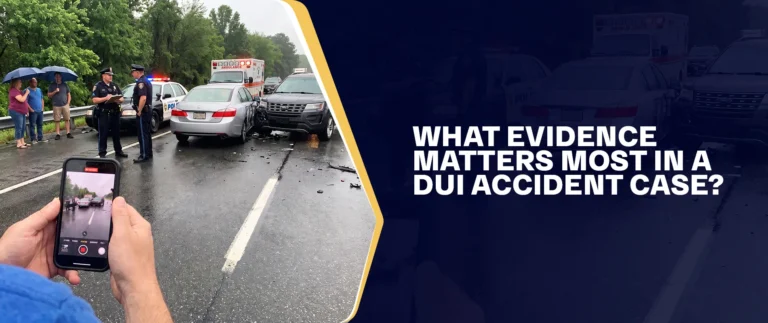
- Collect Evidence — Preserve key proof that supports liability, such as BAC test results, witness accounts, and accident scene analysis. Medical records from your doctor, chiropractor, or other medical professionals who examined you can also support your injury claim.
- Start Civil Litigation — Establishing liability and gathering evidence allows victims to pursue compensation for medical expenses, lost income, and pain and suffering.
- Support an Insurance Claim — A thorough investigation helps insurance companies evaluate fault and assess damages. This action allows them to determine the appropriate settlement for your accident claim.
What You May Actually Pay Out Of Pocket
In a drunk driving lawsuit, some expenses may require you to pay out of pocket. This situation can be stressful, especially if you’re already dealing with medical bills, missed work, or financial strain after the crash.
However, if you work with a lawyer on a contingency fee basis in California, you generally have zero upfront costs. In most cases, your attorney advances many case-related expenses and later deducts them from any settlement or court award, if compensation is recovered.
Still, certain costs may remain your responsibility, whether or not your case is successful. These out-of-pocket expenses can include:
- Court Filing Fees — Costs associated with filing the lawsuit and required court documents.
- Medical Record Costs — Fees for obtaining copies of your medical bills, treatment notes, and records from hospitals, doctors, chiropractors, or other providers.
- Police Report Fees — Charges for obtaining official police reports related to your accident.
- Deposition Costs — Expenses tied to recording sworn testimony from witnesses or parties involved in the case.
- Expert Witness Fees — Costs for professional opinions from medical experts, accident reconstructionists, or other specialists.
- Investigation Expenses — Costs related to hiring private investigators or gathering additional evidence, when necessary.
- Travel, Copying & Postage Fees — General administrative expenses involved in managing and preparing your case.
Factors That Affect The Cost Of A Lawsuit
The type of case you file and the amount of work required to move it forward can significantly influence your total litigation costs. While every case is different, two major factors often determine expenses: the severity of your injuries and the insurance coverage available.
Severity Of Injuries
If your injuries require extensive or long-term medical care, your legal costs may increase. Severe injuries often require prolonged treatment, surgery, rehabilitation, or ongoing medical monitoring. These cases usually require more documentation, expert opinions, and sometimes independent evaluations. Your lawyer may need to spend additional time building your case and evaluating damages, which can affect overall costs.
Insurance Coverage And Policy Limits
What happens when a drunk driver injures you, and their insurance coverage is limited? In California, the at-fault driver’s auto liability insurance typically covers compensatory damages, such as medical bills and lost income, but only up to the policy’s limits. If the defendant has insufficient or no coverage, your uninsured or underinsured motorist coverage may help cover remaining losses, depending on your policy.
California’s Department of Motor Vehicles (DMV) requires car owners to have a minimum liability insurance coverage of:
- $30,000 for bodily injury or death per person.
- $60,000 for bodily injury or death to more than one person.
- $15,000 for damage to property.
Other Situations That May Increase Personal Costs
When a drunk driving accident involves multiple potentially liable parties, pursuing claims against each one can increase overall litigation costs. For instance, in a multiple-car collision, people other than the intoxicated driver may be responsible for the crash. These parties include:
- Employers — If the drunk driver injures you while they are at work, their employer may also be responsible. You can sue the company for putting you in danger under California’s vicarious liability law.
- Social Hosts — An adult who knowingly provides alcohol at their home to someone they know is under 21 can be held liable for resulting injuries or death.
- Dram Shops — You may be able to sue a bar, restaurant, or liquor store if they sold alcohol to an obviously intoxicated person under the age of 21, who then drove drunk and injured you.
When multiple parties are involved, lawsuits tend to become more complex. Your lawyer may need to gather additional evidence. These include police reports, eyewitness accounts, proof of employment, and surveillance footage. This further investigation and coordination often increase the time, administrative effort, and overall cost required to manage your case.
What You Can Potentially Recover After Suing A Drunk Driver

Most DUI cases in California allow you, as the injured victim, to seek several types of damages. In rare cases, punitive damages may also be available. If your case is successful, the compensation you may receive can help recover some or all of your accident-related expenses.
There are three categories of damages available in drunk-driving accident cases: economic, non-economic, and punitive.
- Economic Damages — These damages cover the tangible financial losses directly related to the accident. They are usually supported by bills, receipts, or employment records and may include:
- Hospital expenses
- Lost wages from missed work
- Ongoing or future medical care
- Loss of future earning capacity
- Property damage
- Non-Economic Damages — Under this category, damages compensate for personal and emotional harm that does not come with a clear price tag, such as:
- Pain and suffering
- Emotional or mental distress
- Diminished quality of life
Unlike economic damages, which you can compute using actual costs, non-economic losses are more difficult to measure consistently. Insurers generally use multipliers to assign dollar values to these damages. However, California courts do not follow a strict formula when determining these amounts.
- Punitive Damages — Not every DUI case qualifies for punitive damages. However, you can pursue them if there is clear and convincing proof of malice, oppression, fraud, or repeated infractions beyond ordinary negligence. Courts rarely award punitive damages, but they serve to punish particularly dangerous behavior and to deter similar conduct in the future.
Understanding Your Net Recovery
When considering the cost of a lawsuit, what often matters most to victims is the net recovery. This is the amount you may actually receive after deducting all associated costs from your settlement or court award.
Aside from court costs and the attorney’s fees, another significant deduction is your medical bills and liens. These deductions may include:
- Payments owed to healthcare providers.
- Reimbursements required by insurance companies.
After deducting these amounts, the remaining balance represents what you are likely to receive. Understanding this breakdown can help you set realistic expectations as your case moves forward.
Frequently Asked Questions (FAQs) About Drunk Driving Lawsuits
Drunk driving lawsuits can be complex, and injured victims often have many questions about costs, timing, and what to expect. Since expenses can add up quickly, some people seek free legal advice from an accident lawyer before deciding how to proceed.
This section answers some of the most common questions victims ask when considering a lawsuit against a drunk driver.
What Happens After I Sue For A Drunk Driving Accident?
Once you file a civil lawsuit, the defendant typically has a 30-day window to respond. They can make motions to dismiss certain aspects of the case. They can also file an answer acknowledging or disputing the allegations.
After that, the case enters the discovery phase, where both sides exchange information, request documents, and gather evidence. Settlement discussions may continue during this stage, especially if new evidence affects liability or damages.
If your case goes to trial, a judge or jury decides the outcome. If you prevail, the court may award economic and non-economic damages. Even after a judgment is issued, the opposing party may still have the right to appeal.
How Long Do I Have To Sue After A Drunk Driving Crash In California?
In California, you generally have two years from the date of the injury to file a lawsuit for a drunk driving accident. The state’s statute of limitations specifies the following deadlines for filing a civil case:
- Personal Injury — Two years from the injury.
- Property Damage — Three years from the date the damage occurred.
- Wrongful Death — Two years from the date of death.
If your case involves a government agency, different rules apply. You must initially file an administrative claim within six months of the injury.
- If the agency denies your claim, you have six months from the date of denial to file a civil lawsuit.
- If they do not respond, you generally have up to two years from the date of the injury to file your case in court.
It’s crucial to identify which deadlines apply to your case early on so you can submit your claim on time.
What Are The Downsides Of Suing?

While lawsuits can provide a legal path to compensation, they also come with potential drawbacks, especially if you are unprepared. These may include:
- Time Commitment & Delays — Legal proceedings can take months or years to complete. Court schedules, evidence gathering, depositions, and procedural motions are among the factors contributing to lengthy timelines.
- Stress & Emotional Difficulty — The claims process can be emotionally demanding. Revisiting the accident, attending legal proceedings, and waiting for outcomes can add stress during an already difficult time.
- Upfront Costs & Expenses — Even if you work with a lawyer on a contingency fee basis, certain out-of-pocket costs may still apply, such as filing fees or record-retrieval expenses.
- Uncertainty of Outcome — Court trials have an element of uncertainty. No lawyer can guarantee a result and control how a judge or jury will decide a case.
- Strained Relationships — Lawsuits involving friends, family members, or business associates can significantly affect personal or professional relationships. This impact should be carefully considered before moving forward.
How Much Are Most Drunk Driving Settlements?
There is no standard settlement amount for drunk driving cases in California. Settlement values vary widely and depend on the specific facts of your case.
These factors include:
- The extent of injuries
- Medical costs
- Lost income
- Property damage
- Pain and suffering
- Legal fees & case-related costs
Assessing settlements in drunk driving accidents can be complex. The process often involves reviewing liability, available insurance coverage, and the long-term impact of injuries. For that reason, many victims find that it is worth getting an attorney for a car accident involving a drunk driver to understand better the value of their claim and the options available under California law.
Do Lawyers Only Get Paid If They Win My Lawsuit?
For lawyers working on a contingency fee basis, the answer is yes. You pay your attorney’s fee only if they recover compensation on your behalf through a settlement or court award.
If the case does not result in a recovery, you typically do not owe attorney’s fees. However, you may still be responsible for certain court costs or case-related expenses, depending on the circumstances.
Get Legal Guidance From An Experienced Lawyer
California’s rigorous DUI enforcement can significantly influence the cost of civil proceedings. When you factor in your injuries, medical bills, and recovery time, handling a drunk driving lawsuit on your own may be more difficult than it first appears. During this process, it’s normal to think, “I need a personal injury lawyer who can explain my options.”
Drunk driving accident lawyers at AK Law can help you through the legal process and explain how California law applies to your drunk driving accident case. Our focus is on providing you with clear and straightforward legal guidance. We’ll explain our fee structure, help you gather evidence, keep you informed about court-related expenses, and advise you on your next steps.
Call our legal staff at (888) 488-1391 to request a free case evaluation.
Arash Law is committed to answering your questions about personal injury law matters. Whether you’re in Los Angeles, Calabasas, Agoura Hills, Thousand Oaks, Simi Valley, Woodland Hills, West Hills, or the San Fernando Valley, our team is available to listen to your concerns and review the facts of your case.
We also extend our legal services to injured victims in the following areas:
- Anaheim
- Brea
- Buena Park
- Costa Mesa
- Cypress
- Dana Point
- Fountain Valley
- Fullerton
- Garden Grove
- Huntington Beach
- La Habra
- La Palma
- Laguna Beach
- Laguna Hills
- Laguna Woods
- Lake Forest
- Los Alamitos
- Newport Beach
- Orange
- Placentia
- San Clemente
- San Juan Capistrano
- Santa Ana
- Seal Beach
- Stanton
- Tustin
- Villa Park
- Westminster
- Yorba Linda