TL;DR: The value of a haunted house injury claim in California depends on the severity of the injury, medical costs, lost income, and pain and suffering. Injured visitors must show that another party caused their harm. Waivers and shared fault may limit recovery, and evidence can disappear quickly.
A haunted house injury claim in California has no fixed value. Your potential compensation depends on the severity of your injuries, medical expenses, lost income, pain and suffering, and other losses caused by the incident.
Your recovery options also depend on whether the haunted house operator or another party is legally responsible. Legal defenses, including assumption of risk, signed liability waivers, and comparative fault, may reduce or prevent recovery, depending on the circumstances.
Key Facts About California Haunted House Injury Claims
- Claim value depends on your losses. Medical expenses, lost income, future treatment needs, and pain and suffering may contribute to compensation when another party is legally responsible (California Civil Code § 3333).
- Assumption of risk can limit liability. Haunted house operators generally do not have to eliminate risks inherent in the attraction. However, they may still be liable for conduct that unreasonably increases those risks (Griffin v. Haunted Hotel, Inc. (2015) 242 Cal. App.4th 490).
- Signed waivers do not eliminate every claim. A valid liability waiver may bar certain ordinary negligence claims, but California law limits the enforceability of waivers involving more serious misconduct (City of Santa Barbara v. Superior Court (2007) 41 Cal.4th 747).
- Comparative fault can reduce compensation. California generally allows injured people to seek damages even when they share responsibility, subject to other applicable legal defenses (Li v. Yellow Cab Co. (1975) 13 Cal.3d 804).
- Filing deadlines depend on the defendant. Most personal injury lawsuits against private operators have a two-year deadline (California Code of Civil Procedure § 335.1). Claims against public entities generally require a written government claim within six months (California Government Code § 911.2).
- Evidence helps establish claim value. Medical records, witness accounts, photos, and surveillance footage may help establish liability and document the losses caused by an injury.
Table of Contents

How Haunted House Injury Claims Are Valued in California
The value of a California haunted house injury claim depends on the damages you can establish and whether another party is legally responsible for them. “Damages” are the monetary compensation available for legally recognized losses resulting from an injury.
California generally divides compensatory damages into two categories: economic damages and non-economic damages. Both may be available in California premises liability claims involving unsafe conditions at haunted attractions.
Economic Damages: Financial Losses From the Injury
Economic damages compensate injured people for measurable financial losses caused by an accident. These losses may include:
- Emergency Medical Expenses: Ambulance transportation, emergency department visits, diagnostic imaging, surgery, and hospitalization.
- Ongoing and Future Medical Care: Physical therapy, specialist appointments, prescription medications, rehabilitation, and reasonably necessary future treatment.
- Lost Income: Wages or other earnings lost because the injury prevented you from working.
- Reduced Earning Capacity: Loss of the ability to earn income in the future when an injury causes lasting work limitations.
- Out-of-Pocket Expenses: Reasonable transportation costs for medical appointments, medical equipment, and other necessary expenses related to the injury.
Non-Economic Damages: Personal Losses From the Injury
Non-economic damages compensate injured people for the physical and emotional effects of an accident. Unlike medical bills or lost wages, these losses do not have a fixed dollar amount.
Recoverable non-economic damages may include:
- Physical Pain and Suffering: Pain, discomfort, and physical limitations resulting from the injury.
- Emotional Distress: Anxiety, fear, or other psychological effects associated with the accident and its aftermath.
- Loss of Enjoyment of Life: Difficulty participating in hobbies, recreational activities, and other parts of daily life.
- Loss of Physical Function: Lasting limitations that affect mobility, independence, or everyday activities.
California generally does not impose a statutory cap on non-economic damages in standard premises liability cases. However, an injured person must still establish that the claimed harm resulted from the defendant’s legally actionable conduct.
Factors That Can Affect the Value of a Haunted House Injury Claim
Several factors can influence the potential settlement or court award in a haunted house injury case. These include:
- Injury Severity: Serious injuries requiring extensive treatment or causing permanent limitations may support greater damages than injuries involving a short recovery.
- Medical Documentation: Treatment records can help connect the injury to the accident and establish the extent of the resulting losses.
- Future Care Needs: Ongoing medical treatment or rehabilitation may increase recoverable damages when supported by evidence.
- Available Evidence: Photographs, surveillance footage, witness statements, and incident reports can help establish how the accident happened.
- Legal Responsibility: The strength of the evidence against the operator or another responsible party can affect whether compensation is recoverable.
- Comparative Fault: An injured person’s share of responsibility may reduce the damages awarded.
- Legal Defenses: Assumption of risk or an enforceable liability waiver may limit or bar certain claims.
- Insurance Coverage: Available liability coverage can affect recovery, making it important to identify all potentially responsible operators, property owners, and contractors.
A documented injury does not automatically establish the right to compensation. The evidence must also support a legally valid claim against the responsible party.
Premises liability attorneys can help evaluate how these factors affect the potential value of your claim. They can review the evidence, identify potentially responsible parties, assess legal defenses, and estimate the damages you may be entitled to pursue.

Medical Bills and Liens: Why Your Net Recovery May Differ From the Settlement Amount
California generally limits recovery for past medical expenses to amounts actually paid or incurred, rather than the provider’s original charges. This rule comes from Howell v. Hamilton Meats & Provisions, Inc. (2011) 52 Cal.4th 541. If your health insurance paid at a discounted rate, that amount typically counts. Future medical costs are evaluated differently and usually require supporting medical evidence.
Valid medical liens and reimbursement claims from health insurers, Medi-Cal, Medicare, or hospitals may reduce the amount you receive. California Civil Code §§ 3045.1–3045.6 govern qualifying hospital liens. Attorney fees and case costs may also reduce your take-home amount.
An attorney can explain how personal injury settlements are paid out in California, including which deductions apply to your recovery. They may also negotiate certain liens to help you retain more of your settlement.
The Legal Hurdles: Assumption of Risk and Liability Waivers
Assumption-of-risk and liability waivers can affect whether an injured haunted-house visitor can recover compensation. These defenses are particularly relevant because haunted attractions intentionally create frightening situations that may cause visitors to react unexpectedly.
How Assumption of Risk Affects Haunted House Injury Claims
California’s primary assumption of risk doctrine may bar visitors from recovering compensation for injuries arising from the inherent risks of haunted house attractions. In Griffin v. Haunted Hotel, Inc. (2015), the California Court of Appeal ruled that being frightened, running away, and falling were inherent risks of the haunted attraction at issue.
However, haunted house operators may still be liable if they unreasonably increase the risks beyond those normally associated with the attraction. Examples of potentially unsafe conditions or conduct include:
- Structural Defects: Broken platforms, unstable stairs, or missing railings that create unreasonable dangers.
- Unsafe Walking Surfaces: Loose cables, unexpected drop-offs, debris, or wet floors that increase the risk of falls.
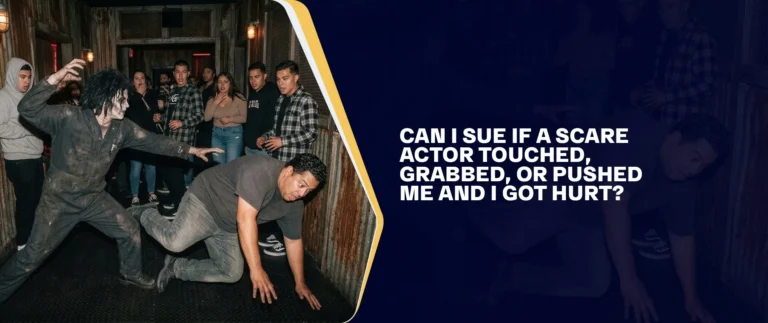
- Dangerous Physical Contact: Actors who grab, shove, or physically harm visitors beyond what the attraction reasonably involves.
- Unsafe Crowd Conditions: Dangerous overcrowding or inadequate crowd management that contributes to crushing or trampling injuries.
The cause of the injury can determine whether compensation is available. Visitors generally cannot recover for inherent risks covered by the doctrine, but they may have a claim if the operator unreasonably increased those risks and caused their injuries. Liability and potential compensation depend on the specific circumstances and supporting evidence.
Can a Signed Liability Waiver Prevent Compensation?
Yes. A signed liability waiver may prevent you from recovering compensation for certain haunted house injuries. California courts may enforce waivers that release operators from liability for ordinary negligence, depending on the agreement’s terms and circumstances.
However, liability waivers have legal limits. Under City of Santa Barbara v. Superior Court (2007), a waiver for recreational activities generally cannot release an operator from liability for gross negligence. Separately, California Civil Code § 1668 makes agreements that exempt a party from responsibility for fraud, willful injury, or violations of law unenforceable.
Visitors injured at large commercial attractions, including Halloween Horror Nights, may need to review any ticket terms, liability waivers, and other agreements that apply to their visit. The existence of a signed waiver does not, by itself, determine whether an injury claim is barred. Its language, scope, validity, and applicability to the conduct at issue must be evaluated.
Essential Evidence That Can Support a Haunted House Injury Claim
Evidence showing how the accident occurred, who was responsible, and what losses resulted can help establish the value of a haunted house injury claim.
Useful evidence may include:
- Photos and Videos: Images showing uneven flooring, exposed cords, obstructed exits, unsafe props, or visible injuries.
- Incident Reports: Reports from attraction staff documenting where you fell, what struck you, or how an actor injured you.
- Witness Information: Contact details for guests or staff who witnessed the incident, unsafe condition, or actor’s conduct.
- Medical Records: Diagnoses, treatment records, medical bills, rehabilitation plans, and documentation of future care needs.
- Employment and Financial Records: Pay statements, work schedules, and other documents that show income lost due to the injury.
- Surveillance Footage: Recordings showing crowd movement, actor interactions, prop operation, or the conditions surrounding your injury.
- Tickets and Waivers: Admission confirmations, signed agreements, posted warnings, and attraction rules that help document the terms of your visit.
Promptly requesting preservation of relevant evidence can help protect your claim. Seasonal haunted houses may dismantle sets, move props, or overwrite recordings after closing. Relevant evidence may also include staff training materials, inspection records, and maintenance logs for equipment involved in your injury.
Proving Liability for a California Haunted House Injury
A haunted house injury claim generally requires proof that another party’s negligence caused the injury and resulting losses. California Civil Code § 1714(a) establishes the general duty to use ordinary care, while premises liability principles address responsibilities relating to property conditions.
A person or business that owns, leases, occupies, or controls property generally must use reasonable care to avoid harming others. This can include taking precautionary steps to identify unsafe conditions and repair them or provide adequate warnings.
For a negligence claim, the injured person generally must establish four elements:
- Duty of Care: The defendant owed a legal duty under the circumstances.
- Breach of Duty: The defendant failed to meet the applicable standard of care.
- Causation: That failure was a substantial factor in causing the injury.
- Damages: The injured person suffered legally compensable harm.
Evidence that an operator knew or should have known about an unsafe condition can be important in premises liability cases. However, the applicable proof requirements depend on the defendant’s conduct and the legal theory involved.
Determining who caused the injury is essential to estimating a claim’s value. An investigation may also identify additional responsible parties or insurance coverage relevant to a potential recovery.
Depending on the circumstances, potentially responsible parties may include:
- Haunted House Operators: Operators may be responsible for unsafe attraction layouts, poorly maintained props, inadequate inspections, or negligent crowd management.
- Property Owners: Owners may share responsibility when a dangerous property condition contributes to an injury and the applicable legal requirements for liability are met.
- Third-Party Contractors: Set builders, equipment providers, or other contractors may be liable when their negligent work causes an injury.
- Prop and Equipment Manufacturers: Manufacturers or distributors may be strictly liable if an animatronic prop, electrical harness, or theatrical fog machine malfunctions because of a defect.
- Security Companies: Security providers may be held responsible when negligent security services contribute to foreseeable injuries.
When more than one party is responsible, California law generally lets you recover your full economic damages from any liable defendant. However, each defendant pays only its own percentage share of non-economic damages, such as pain and suffering. This can affect how much you can realistically collect.
Time Limits for Filing California Haunted House Injury Lawsuits
California has different filing deadlines for haunted house injury lawsuits depending on whether the responsible party is a private party or a public entity.
- Cases Involving Private Parties: Injured visitors generally have two years from the date of injury to file a personal injury lawsuit against a private haunted house operator or another responsible private party (CCP § 335.1). Exceptions, including certain cases involving minors, may extend this deadline.
- Cases Against Public Entities: Injured visitors generally must present a written government claim within six months before filing a lawsuit against a public entity (Gov. Code § 911.2). If the entity issues a legally sufficient written notice of rejection, injured visitors generally have six months after personal delivery or mailing of that notice to file a lawsuit. If no such notice is given, the deadline is generally 2 years from when the cause of action arose (Gov. Code § 945.6).
Missing an applicable deadline can prevent you from pursuing compensation. Consult a California personal injury attorney to identify the responsible parties, confirm which deadlines apply, and protect your right to pursue an injury claim.
How Lawyers Can Help Calculate the Value of a Haunted House Injury Claim
A California personal injury lawyer can help estimate the potential value of a haunted house injury claim by:
- Reviewing past medical bills and estimating reasonably necessary future treatment and rehabilitation costs.
- Documenting lost wages and evaluating any long-term reduction in your ability to earn income.
- Considering the severity of your injuries, recovery time, lasting limitations, and effects on daily life.
- Identifying additional expenses related to the injury, such as medical equipment and transportation for treatment.
- Evaluating how shared fault, liability waivers, assumption of risk, and other legal limitations may affect recoverable compensation.
- Reviewing applicable insurance policies and coverage limits that may affect the amount you can realistically recover.
An attorney can estimate your claim’s potential value, but no specific settlement or award is guaranteed. The amount you may recover depends on your documented losses, the evidence establishing liability, and the legal defenses that apply.
Frequently Asked Questions About Haunted House Injury Claims in California
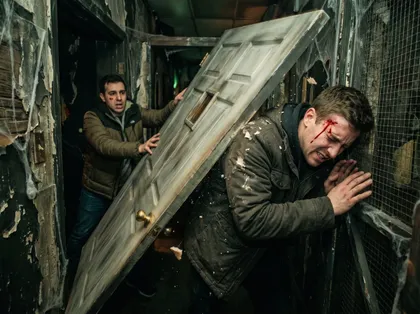
Can I Sue If Another Guest Caused My Injury?
You can file a personal injury lawsuit against another guest if their wrongful conduct caused your injury. You can also have a claim against the haunted house operator if negligent security, overcrowding, or unsafe conditions contributed to the incident. Whether both parties are liable depends on the circumstances and available evidence.
Can I Recover Compensation If I Was Partially at Fault?
Yes. California follows a pure comparative fault rule, meaning you may still recover compensation even if you contributed to the accident. However, your percentage of fault generally reduces your damages. For example, if you were 30% responsible for your injury, your recoverable damages would generally decrease by 30%. Other legal defenses, such as assumption of risk, may still affect your claim.
Do I Need a Personal Injury Lawyer for a Haunted House Claim?
California law does not generally require you to hire a lawyer to pursue a haunted house injury claim. However, legal assistance may be helpful if you suffered serious injuries, have substantial losses, or face disputed liability. An attorney can evaluate legal defenses, assess potential compensation, and negotiate with insurers on your behalf. That way, you can focus on your recovery while they handle the insurance and legal matters.
How Do Attorneys Get Paid in Haunted House Injury Cases?
Personal injury attorneys often handle haunted house injury claims on a contingency fee basis. Arash Law follows this fee structure, meaning our attorney’s fees depend on obtaining compensation for the client.
Under this arrangement, you generally pay no legal fees unless your case results in a recovery. California Business and Professions Code § 6147 requires contingency fee agreements to explain how attorney’s fees and case expenses affect the client’s recovery. You can ask your potential attorney about the details before signing.
Protect Your Rights After a Haunted House Injury: Talk to Arash Law Today
A haunted house injury claim may involve medical expenses, lost income, pain and suffering, and other losses. However, the compensation you may recover depends on the severity of your injuries, who was responsible, and the evidence supporting your claim.
Arash Law’s personal injury attorneys can review the circumstances of your accident, identify potentially responsible parties, and assess how assumption of risk, liability waivers, or shared fault may affect your claim. We can also help preserve important evidence and evaluate the compensation you may be entitled to pursue.
Call Arash Law at (888) 488-1391 for a free case evaluation. No attorney’s fees unless we recover compensation for you.
Sources
- California Civil Code § 3333 — General rule governing compensation for losses caused by another party’s wrongful conduct. https://leginfo.legislature.ca.gov/faces/codes_displaySection.xhtml?lawCode=CIV§ionNum=3333
- California Code of Civil Procedure § 335.1 — General two-year statute of limitations for personal injury lawsuits. https://leginfo.legislature.ca.gov/faces/codes_displaySection.xhtml?lawCode=CCP§ionNum=335.1.
- California Civil Code § 1668 — Restrictions on liability waivers involving fraud, willful injury, or violations of law covered by the statute. https://leginfo.legislature.ca.gov/faces/codes_displaySection.xhtml?lawCode=CIV§ionNum=1668.
- California Civil Code § 1714(a) — General duty to exercise reasonable care to avoid causing injuries to others. https://leginfo.legislature.ca.gov/faces/codes_displaySection.xhtml?lawCode=CIV§ionNum=1714.
- California Government Code § 911.2 — General six-month deadline for presenting personal injury claims against California public entities. https://leginfo.legislature.ca.gov/faces/codes_displaySection.xhtml?lawCode=GOV§ionNum=911.2.
- California Government Code § 945.6 — Deadlines for filing lawsuits against public entities after the government-claim process. https://leginfo.legislature.ca.gov/faces/codes_displaySection.xhtml?lawCode=GOV§ionNum=945.6.
- California Business and Professions Code § 6147 — Written contingency fee agreement requirements, including attorney’s fees and case expenses. https://leginfo.legislature.ca.gov/faces/codes_displaySection.xhtml?lawCode=BPC§ionNum=6147.
- Li v. Yellow Cab Co. (1975) 13 Cal.3d 804 — California Supreme Court decision establishing pure comparative negligence, which reduces damages according to the injured person’s share of fault. https://scocal.stanford.edu/opinion/li-v-yellow-cab-co-27850/
- City of Santa Barbara v. Superior Court (2007) 41 Cal.4th 747: California Supreme Court decision holding that releases of liability for future gross negligence in recreational settings are generally unenforceable. https://nsglc.olemiss.edu/SandBar/SandBar6/6.3waiver.htm
Disclaimer
This article is for general educational purposes only and does not constitute legal advice. Reading this content does not create an attorney-client relationship. Consult a licensed California attorney for guidance about your specific situation. Arash Law — (888) 488-1391.