
TL;DR: A lawyer can review your dealership purchase agreement, insurance application, binder, payment records, declarations page, and endorsements to verify coverage after a crash. The review should help them compare the vehicle purchase date, insurance activation date, and collision date. It also identifies the coverage available for your injuries and any differences between dealership statements and insurer records.
If you bought auto insurance through a dealership, an injury lawyer can check when coverage began, what protection you purchased, and which policy terms applied when you were injured. Your dealership paperwork may show when you purchased the vehicle and requested insurance. However, the insurer’s records would provide further details about the coverage issued.
A later insurance activation date does not automatically mean you were uninsured when the crash happened. If the collision occurred after the stated activation date, the next step is to confirm the policy terms and whether coverage remained in effect. A lawyer can compare these records, review how California insurance laws affect your claim, and help you determine which insurance claims may apply.
Key Facts About Dealership Insurance and Injury Claims in California
- Coverage Verification: California Vehicle Code § 16020 requires drivers and vehicle owners to establish financial responsibility. Insurance records can help confirm whether coverage was in effect on the date of the crash.
- Temporary Insurance Coverage: California Insurance Code § 382.5 recognizes a qualifying insurance binder as proof of the coverage specified in the binder. These documents may help establish temporary protection before a formal policy is issued.
- Coverage Effective Dates: Dealership purchase documents and insurer records may show different dates. An injury lawyer can compare them to establish when coverage began and whether it applied to the collision.
- Minimum Liability Limits: Under SB 1107, California’s standard auto liability minimums increased to $30,000 per person, $60,000 per accident, and $15,000 for property damage on January 1, 2025. An attorney can verify whether the dealership-arranged policy meets these requirements and identify the actual liability limits purchased.
- Uninsured Motorist Restrictions: Under Civil Code § 3333.4, certain uninsured vehicle owners and operators cannot recover non-economic damages, such as pain and suffering, subject to statutory exceptions. Verifying dealership-arranged coverage can help determine whether this restriction applies.
Table of Contents

I Bought Insurance With My Car at the Dealership. Which Documents Should a Lawyer Review to Confirm the Coverage in Effect When I Was Injured?
An injury lawyer should review your vehicle purchase agreement, insurance application, binder (if issued), premium receipts, declarations page, and policy endorsements. These records can help establish when coverage began and what protection applied on the date of the crash.
Each document answers a different question. Some show what you requested or paid for, while others describe the coverage provided by the insurer.
Dealership Insurance Document Checklist
The following checklist shows which dealership and insurance documents a lawyer should review and what information each record can help verify:
| Document | What an Injury Lawyer Should Check |
|---|---|
| Vehicle Purchase Agreement | Purchase date, vehicle information, insurance-related charges, and any coverage arrangements listed at signing. |
| Insurance Application | Requested coverage, selected limits, named drivers, vehicle information, and application date. |
| Insurance Binder, If Issued | Insurer’s name, effective date, temporary coverage limits, exclusions, and expiration terms. |
| Premium Receipts | Payment dates, amounts, payment recipient, and the policy or transaction associated with each payment. |
| Declarations Page | Named insured, listed vehicles, coverage types, policy dates, liability limits, and deductibles. |
| Policy Endorsements | Any additions, restrictions, exclusions, or changes that affect the policy. |
(Click here to download the checklist)
Accident lawyers should also request missing records directly from the insurer or other appropriate source when necessary. The application, binder, declarations page, and complete policy may contain information not included in the dealership’s purchase paperwork.
Why the Insurance Binder Matters
An insurance binder can establish temporary coverage before the insurer issues the formal policy. California Insurance Code § 382.5 recognizes qualifying insurance binders as proof of the coverage they specify, subject to the statute’s requirements and exclusions.
A qualifying insurance binder identifies the insurer, the agent issuing it, the insured, the covered property, the coverage and exclusions, the effective date, and the binder or applicable policy number.
Under Insurance Code § 382.5, a binder generally remains valid for its stated period, not exceeding 90 days from execution, or 90 days if no period is specified. It ends when the insurer issues the policy it was intended to precede.
If you received a binder, your lawyer can examine its terms alongside the later policy. This comparison helps determine whether coverage continued through the date of the crash.
Why Payment Records and Policy Changes Matter
Premium receipts help establish what you paid, when you paid, and who received the money. However, payment alone does not conclusively establish the full terms or effective date of an insurance policy.
Policy endorsements can also affect your coverage. An endorsement is a change to the original policy that may add, remove, or limit certain protections.
Car accident lawyers can compare receipts, endorsements, and other records to identify any differences between the insurance you requested and the coverage shown by the insurer. They can review these records as part of evaluating an injury claim.
How Does a Lawyer Build a Purchase-to-Policy-to-Crash Timeline?
A lawyer builds a coverage timeline by comparing the vehicle purchase date, insurance activation date, and crash date. Doing so helps them establish whether the policy was active when the collision occurred.
Purchase-to-Policy-to-Crash Timeline
The following timeline shows how a lawyer can compare your vehicle purchase, insurance records, and crash date to determine whether coverage was in effect when the collision occurred:
| Event | Document to Check | What It Establishes |
|---|---|---|
| 1. Vehicle Purchase | Purchase agreement or buyer’s order | When you purchased the vehicle and arranged insurance through the dealership. |
| 2. Insurance Application | Application and transaction records | When coverage was requested and which terms were selected. |
| 3. Insurance Activation | Binder, declarations page, or insurer confirmation | The reported date and time coverage began. |
| 4. Insurance Changes | Policy and endorsements | Whether the insurer modified coverage before the collision. |
| 5. Crash | Collision report and related evidence | When the collision occurred and which coverage period needs review. |
The important comparison is between the policy’s effective period and the collision date.
For example, consider this illustrative timeline:
- June 3: You purchase a vehicle and apply for insurance.
- June 5: The insurer lists coverage as effective.
- June 12: You suffer injuries in a collision.
In this example, the crash occurs after the stated activation date. A lawyer would not assume a coverage gap merely because insurance started two days after the vehicle purchase. Instead, the lawyer would confirm whether the relevant coverage was effective and remained in force on June 12.
What if the Documents Show Different Dates?
Different dates do not automatically establish that a policy was invalid or that the dealership made a mistake. An application date may differ from the effective date. The dealership’s payment receipt may also show a different date from the insurer’s policy documents.
An accident lawyer can request written confirmation from the insurer and review the complete file to explain any differences. If the records conflict, further investigation may be necessary before deciding which coverage applies.
How Can a Lawyer Confirm Which Insurance Coverage Applies to Your Injuries?
A lawyer can identify available coverage by reviewing your policy, the other driver’s insurance, and the circumstances of the collision. Confirming that your dealership-arranged policy was active is important, but it does not establish which insurer must pay every injury-related expense.
Checking the Types of Coverage You Purchased
Your declarations page may list several kinds of auto insurance:
- Bodily Injury Liability: Pays covered injury claims made by other people when you are legally responsible for a collision.
- Medical Payments (MedPay): May help pay eligible medical expenses for covered individuals, regardless of fault, subject to policy terms.
- Uninsured Motorist (UM) Coverage: May provide compensation if an uninsured driver causes your injuries and the policy’s requirements are met.
- Underinsured Motorist (UIM) Coverage: May provide additional compensation when an at-fault driver’s liability limits are lower than your UIM limits, after applicable liability coverage has been exhausted and other policy requirements are met.
- Collision Coverage: Generally helps pay for covered damage to your vehicle, subject to the deductible and policy terms.
A lawyer should determine which protections you purchased rather than assume every type of coverage was included in the dealership arrangement.
Comparing Policy Limits With California Requirements
California’s standard minimum auto liability limits increased under Senate Bill 1107 on January 1, 2025.
| Coverage | Minimum Limit |
|---|---|
| Bodily injury or death of one person | $30,000 |
| Bodily injury or death of multiple people in one accident | $60,000 |
| Property damage in one accident | $15,000 |
The state’s Low Cost Auto Insurance Program has separate requirements. Liability coverage protects against third-party claims when the insured is responsible for a collision. It does not automatically pay the insured driver’s own injury expenses.
If another driver caused your injuries, your lawyer can examine that driver’s liability insurance. Your own UM, UIM, or MedPay coverage may also be relevant. The applicable limits do not determine the full value of your injuries. They help establish how much an insurer may be required to pay under a particular coverage.
Does Buying Insurance Through a Dealership Affect Your Right to Pursue Compensation?
Buying insurance through a dealership does not, by itself, reduce your right to seek compensation after a collision. Your potential claim depends on the evidence of fault, documented injuries, applicable insurance coverage, and other legal requirements.
If another driver caused the crash, you may have a claim against that driver. Your dealership-arranged insurance may provide separate protection depending on the coverage you purchased.
When Could Proposition 213 Apply?
Proposition 213 may restrict non-economic damages when an injured vehicle owner or operator lacked the financial responsibility required by California law at the time of the collision.
Under Civil Code § 3333.4, this restriction generally affects compensation for pain, suffering, and similar non-economic harm. It does not generally prevent recovery of economic damages, such as medical expenses and lost wages.
Statutory exceptions may apply. For example, an uninsured vehicle owner may still recover non-economic damages if the driver who caused the injuries violated California’s DUI laws and was convicted of that offense, as provided by Civil Code § 3333.4(c).
However, a later-than-purchase insurance activation date does not establish that Proposition 213 applies. If your collision occurred after the stated activation date, your lawyer should first confirm whether qualifying coverage was in effect at the time of the crash.
What if the Dealership’s Statements Do Not Match the Insurance Records?
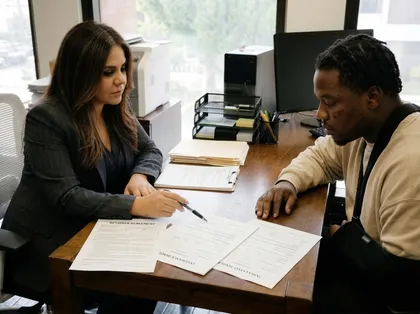
A discrepancy between dealership statements and insurer records may indicate wrongdoing or a coverage issue, but not automatically. The available documents and circumstances help determine whether further action is necessary.
A lawyer can compare the insurance application, declarations page, receipts, and dealership communications to check for discrepancies in coverage dates, types, or limits. They may also review whether the person arranging the insurance had authority to act on the insurer’s behalf.
Your insurance company can provide policy documents and clarify the coverage shown in its records. If questions remain unresolved, you can contact the California Department of Insurance (CDI), which regulates insurers and licensed insurance producers and handles consumer insurance complaints.
If a lawyer finds any unresolved differences, they can evaluate how those may affect your injury claim and available insurance coverage.
What Should You Do Before Accepting an Insurance Settlement?
You should confirm the available coverage and understand which claims a proposed settlement would release before signing an agreement. A settlement release may prevent you from bringing additional claims covered by its terms.
Before accepting an offer, consider gathering:
- Your dealership purchase and insurance records.
- Written coverage confirmation from the insurer.
- The collision report and available photographs.
- Medical records and treatment bills.
- Proof of lost earnings and other expenses.
- Any proposed settlement agreement or release.
A lawyer can review these materials to evaluate your claim and determine whether unresolved coverage questions require further investigation. They can also guide you on what to do if the insurance company calls after an accident.
California’s pure comparative fault rule may also affect your recovery. Under Li v. Yellow Cab Co. (1975) 13 Cal.3d 804, a person’s compensation may be reduced according to their share of fault.
Arash Law’s car accident lawyers can review your dealership insurance documents, available coverage, and settlement terms before you sign a release. Call (888) 488-1391 to discuss your injury claim and any unresolved insurance questions.
Frequently Asked Questions About Checking Dealership Auto Insurance After a Crash
Does a Dealership’s Verbal Promise Guarantee My Insurance Coverage?
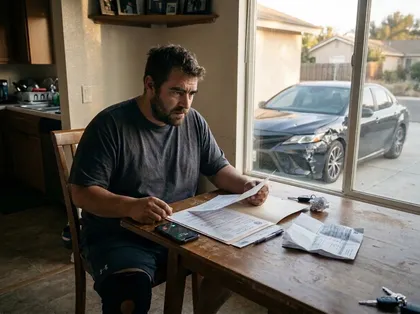
No. A dealership’s verbal promise does not automatically guarantee insurance coverage. An attorney can review the insurer’s documents, application, communications, and the dealer representative’s authority to determine whether a binding insurance agreement existed.
What if My Declarations Page Shows Different Coverage Than I Requested?
A lawyer can compare your declarations page with the application, binder, endorsements, and dealership communications. A discrepancy does not automatically establish misconduct, but it may require clarification from the insurer.
Can I File an Injury Claim if My Insurance Started After I Bought the Car?
Yes. An insurance activation date later than your vehicle purchase date does not automatically prevent you from pursuing an injury claim. A lawyer must examine when the crash occurred, whether coverage applied, and who caused the collision.
Can I Afford to Have a Lawyer Review My Insurance Documents?
Yes. Many California personal injury lawyers offer free initial consultations so you can learn about your legal options after a crash. You can have one review your insurance documents during these case evaluations.
Do I Need All My Insurance Documents Before a Legal Consultation?
No. You can consult an injury lawyer even if some dealership or insurance records are missing. That’s crucial because having a lawyer check the insurance you bought through a dealership and address any coverage disputes that may arise does not automatically pause or extend California’s legal filing deadlines. Unless an exception applies, state law only gives you:
- Two years to sue a private party for personal injury (CCP § 335.1).
- Six months to present a personal injury claim to a public entity (Government Code § 911.2).
These filing windows typically open on the day of the crash, and missing the applicable one can bar you from pursuing compensation altogether. That said, bring what you have to your first meeting with a lawyer. They can identify what’s missing and help you obtain those documents later.
Let Arash Law Review Your Dealership Insurance Documents and Injury Claim
The car accident lawyers at Arash Law can review your dealership insurance paperwork, confirm the reported coverage dates, and help identify the insurance options available after a car accident in California.
We can compare the purchase agreement, application, binder, declarations page, and policy changes. We can also examine liability evidence, medical records, and documented losses to evaluate your injury claim.
To get started, call us at (888) 488-1391 or use our online contact form to discuss your situation.
Sources
- California Vehicle Code § 16020. Financial responsibility requirements for motor vehicle drivers and owners. https://leginfo.legislature.ca.gov/faces/codes_displaySection.xhtml?sectionNum=16020.&lawCode=VEH
- California Insurance Code § 382.5. Insurance binders, temporary coverage, and proof of insurance. https://leginfo.legislature.ca.gov/faces/codes_displaySection.xhtml?sectionNum=382.5.&lawCode=INS
- California Insurance Code § 11580.1. Mandatory provisions and minimum coverage requirements for automobile liability insurance policies. https://leginfo.legislature.ca.gov/faces/codes_displaySection.xhtml?sectionNum=11580.1.&lawCode=INS
- California Vehicle Code § 16056. Minimum automobile liability insurance limits, including the 30,000/60,000/$15,000 requirements effective January 1, 2025. https://leginfo.legislature.ca.gov/faces/codes_displaySection.xhtml?sectionNum=16056.&lawCode=VEH
- California Department of Insurance. California’s Low Cost Auto Insurance. Explains the increased standard liability limits under SB 1107 and the separate limits for California’s Low Cost Auto Insurance Program. https://www.insurance.ca.gov/0400-news/0102-alerts/2024/California-s-Low-Cost-Auto-Insurance.cfm
- California Department of Insurance. Automobile Insurance Guide. Explains declarations pages, liability insurance, uninsured and underinsured motorist coverage, medical payments, and collision coverage. https://www.insurance.ca.gov/01-consumers/105-type/95-guides/01-auto/auto101.cfm
- California Insurance Code § 11580.2. Uninsured and underinsured motorist insurance coverage and applicable requirements. https://leginfo.legislature.ca.gov/faces/codes_displaySection.xhtml?sectionNum=11580.2.&lawCode=INS
- California Civil Code § 3333.4. Proposition 213 restrictions on non-economic damages involving certain uninsured vehicle owners and operators. https://leginfo.legislature.ca.gov/faces/codes_displaySection.xhtml?sectionNum=3333.4.&lawCode=CIV
- California Code of Civil Procedure § 335.1. General two-year statute of limitations for personal injury actions. https://leginfo.legislature.ca.gov/faces/codes_displaySection.xhtml?sectionNum=335.1.&lawCode=CCP
- California Government Code § 911.2. Claim presentation deadlines for personal injury claims against California public entities. https://leginfo.legislature.ca.gov/faces/codes_displaySection.xhtml?sectionNum=911.2.&lawCode=GOV
- Li v. Yellow Cab Co. (1975) 13 Cal.3d 804. California Supreme Court decision establishing the pure comparative negligence rule. https://scholarlycommons.pacific.edu/cgi/viewcontent.cgi?article=2458&context=mlr
- California Department of Insurance. Consumer information, insurance regulation, and insurance complaint assistance.
https://www.insurance.ca.gov/consumerhelpDisclaimer
This article is for general educational purposes only and does not constitute legal advice. Insurance coverage depends on the policy terms, effective dates, and circumstances of the collision. Reading this article does not create an attorney-client relationship with Arash Law. If you were injured after purchasing auto insurance through a dealership, consult a licensed California attorney to review your coverage documents and legal options. Arash Law: (888) 488-1391.