TL;DR: Driving with a cracked windshield is dangerous because it can block your view, cause glare, and weaken roof and airbag support. In California, it becomes illegal when the damage impairs your vision. Fix cracks quickly, document the damage, and check insurance coverage.
Highlights:
- Fix windshield cracks quickly to avoid compromising visibility and safety.
- In California, repair cracks that impair your view to avoid citations.
- Document damage with time-stamped photos and repair records for insurance purposes.
- Check if your auto insurance covers windshield repair under comprehensive or collision coverage.
- Stop driving immediately if the crack disrupts your line of sight or airbag support.
- If involved in a crash, preserve evidence showing the windshield condition and damage timeline.
Tip: Keep repair records to support your claim if the windshield contributes to an accident.
Table of Contents
Yes. A cracked windshield can make driving more dangerous. The damage can block your view, create glare, and distort what you see on the road. Even a small crack can spread and worsen while you drive.
The windshield also plays a key role in your vehicle’s safety system. The windshield helps support the roof during a rollover. It keeps you inside the car in a crash. It also supports proper airbag deployment. When the glass is damaged, these safety functions become weaker.
In California, the issue is not just the crack itself. The law focuses on safety and visibility. If the damage limits your clear view of the road, you can face a citation. The condition of your windshield can also affect a claim after a crash. The other side may argue that the damage reduced your visibility or worsened your injuries.
Why A Cracked Windshield Can Become Dangerous
A cracked windshield affects how your vehicle protects you in a crash. Federal Motor Vehicle Safety Standards (FMVSS) require strong, clear glass for visibility and occupant protection. Damage can weaken safety functions:
- Roof Support: It reduces roof support during a rollover, thereby increasing the risk of roof collapse.
- Airbag Support: It disrupts proper airbag deployment, since airbags rely on the windshield for support.
- Occupant Retention: It increases the risk of ejection because the windshield helps keep occupants inside the vehicle.
Modern windshields use laminated safety glass. This design prevents sharp shattering, but damage still matters. As a crack spreads, the glass becomes less reliable. If it reaches the edge, it can weaken the entire windshield. Severe damage can compromise the glass’s ability to stay in place during a crash.
This weakened condition can affect injury claims. That’s especially true if windshield damage contributed to occupant ejection, roof collapse, or more severe injuries during the collision.
Is It Illegal To Drive With A Cracked Windshield In California?
Yes, it is illegal if the crack impairs the driver’s vision or creates an unsafe condition. California law prioritizes a clear line of sight for all motorists to prevent accidents.
Under the state’s Vehicle Code, driving with a windshield that impairs your view is not allowed. The law does not ban every small chip, but a crack in your line of sight can lead to a citation if it affects what you can see.
Windshield condition can affect your claim after a crash. As an injured victim, you can support your claim by showing that the crash resulted from another party’s actions, not the condition of your windshield.
What Does The California Vehicle Code Say About Windshield Visibility?
California law requires that every vehicle use safety glass that allows for an unobstructed view. The California Department of Motor Vehicles’ (DMV) pre-drive safety checklist emphasizes that windshields must be clean and clear of cracks for safe operation.
The danger does not depend on crack size alone. Even a small one can pose serious safety risks if it affects what you see through your windshield while driving. For instance:
- A crack across your field of view can block vehicles, cyclists, or pedestrians.
- Sunlight and headlights can reflect off the crack, creating glare that slows your reaction.
- Damage to the glass can distort your perception of your following distance, speed, or lane position.
- Heat, cold, and road vibration can cause the crack to spread.
These visibility issues can affect how liability is evaluated after an accident. Insurers may review whether the crack changed what you could see or how you reacted.
When Should You Stop Driving And Fix A Cracked Windshield?
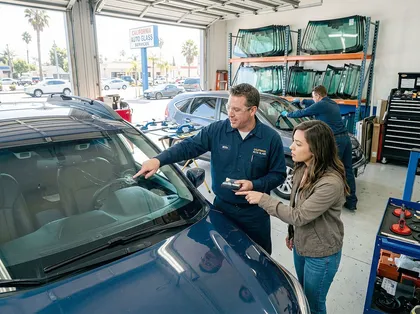
You should stop driving immediately if the damage makes it difficult to see hazards or if the glass’s structural integrity is compromised. Using a vehicle with major windshield damage puts you and your passengers at risk.
Stop driving and call a mobile repair service if you see:
- Any crack or chip directly in your line of sight.
- “Starburst” patterns that create heavy glare at night.
- A crack that reaches the edge of the glass. It can weaken the entire windshield.
- Multiple cracks that intersect.
- Damage that interferes with the view of your Advanced Driver Assistance Systems (ADAS) cameras.
If a crash happens under these conditions, insurers may question visibility and fault. As an injured victim, you can protect your claim by fixing the issue early.
What Should You Do Right Away If Your Windshield Gets Cracked?
If the crack affects your line of sight, stop driving and arrange an inspection. California law states that driving with impaired vision is unlawful. An officer may order you to fix the issue within 48 hours after inspection.
Take these general steps right away:
- Take photos from outside and from the driver’s seat.
- Record when the crack appeared and what caused it.
- Keep estimates, invoices, and prior glass service records.
- Check mirrors, wipers, and cameras near the windshield.
- Schedule repair or replacement as soon as possible.
- Review your insurance for glass or comprehensive coverage.
Repair or replacement depends on the extent of the damage. Technicians assess the crack’s size, depth, location, and pattern. Guidance from the Sunroad Collision Center explains that damage in the driver’s view, cracks that reach the edge, deep fractures, or longer cracks often require replacement. A small, isolated chip may be repairable.
Repair Vs Replacement: What Usually Determines The Right Fix?
Whether you repair a chip or replace the windshield depends on the size, location, depth, and pattern of the crack. Here’s a quick breakdown to help inform your decision:
| Feature | Usually Repairable | Requires Replacement |
|---|---|---|
| Size | Chips that are smaller than a quarter. | Cracks longer than 6 inches. |
| Depth | Surface-level damage. | Deep cracks through both glass layers. |
| Location | Away from edges and ADAS cameras. | Cracks at the edge or in the driver’s line of sight. |
| Complexity | Small chips or simple “bullseyes.” | Intersecting cracks or “starburst” patterns. |
If your car is newer, it likely has ADAS. These systems use cameras mounted behind the windshield to enable features such as lane-keeping and automatic braking. If you replace the windshield, you need to recalibrate the camera. Without it, these safety features may not work as intended, which can increase your risk on the road.
Failing to address this damage promptly can affect your claim after a crash. Insurers may review whether the windshield should have been repaired or replaced earlier.
Does Insurance Cover Windshield Repair Or Replacement In California?
The type of insurance depends on the cause of the damage and your policy type. The California Department of Insurance explains that comprehensive coverage usually covers glass damage.
Insurance coverage basics:
- Comprehensive: Covers non-collision damage, such as a rock hitting the glass on the highway. Many policies offer a lower deductible for glass-only claims.
- Collision: Covers the windshield if it was damaged during a car accident with another vehicle or object.
- Liability: Does not cover your own windshield. It only covers damage you cause to others.
- Deductibles: Even if covered, you may still owe your deductible. Always ask your insurer if they provide Original Equipment Manufacturer (OEM) glass or aftermarket glass, as this affects safety and fit.
Notably, if your windshield was damaged in a crash, your insurer may require you to repair your car after an accident to maintain the above coverages for your vehicle.
What Evidence Matters After A Crash Involving Windshield Damage?
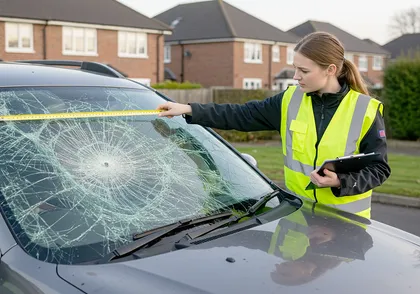
If a crash occurred, preserving evidence helps protect your right to pursue compensation. These items help establish timing, causation, and damages in an insurance or injury claim.
Evidence to collect for your claim:
- Photos or video showing the windshield damage, vehicle condition, roadway, and lighting.
- Your phone’s date and time data can show when you took the photos or videos.
- Dashcam footage capturing the crash and driving conditions.
- Police or incident reports describing the scene and damage.
- Witness statements explaining what they saw before and during the crash.
- Repair estimates and invoices showing the extent and timing of damage.
- Prior glass service or maintenance records showing the windshield condition.
- Proof of towing, rental costs, and missed work tied to the incident.
Who Can Be Held Responsible In A Windshield Damage Accident Case?
Responsibility can extend beyond one driver. In many cases, California product liability claims may arise when glass fails due to a manufacturing defect. Each case depends on evidence. The facts show who acted carelessly and how that conduct caused the damage or injury.
Responsible parties may include:
- The reckless driver who caused the collision.
- The vehicle owner, if they allow other drivers to use the car.
- An employer, if the driver acted within the scope of work.
- A manufacturer or seller, if defective glass or vehicle parts contributed to the accident.
- Another party whose actions caused the windshield damage before the crash.
Can A Cracked Windshield Affect Fault In A California Accident Claim?
Yes, but fault depends on evidence. If the crack impaired your vision or worsened your injuries, the other side may assign you a share of the blame. Under California’s comparative negligence rule, each party receives a percentage of fault.
Your claim can still move forward. The key question is simple. Did the crack actually contribute to the crash? If another driver sped, drove distracted, drove intoxicated, or ran a red light, that driver can still bear liability. The windshield damage becomes one factor, not the deciding factor.
Fault analysis focuses on these points:
- Did the crack block your line of sight?
- Did glare or distortion affect what you could see?
- Did the crack exist before the crash or result from impact?
- Did the damage make your injuries worse?
Burden of proof means a party must support a claim with evidence. If an insurer claims that the windshield contributed to the crash, evidence must prove it. Photos, repair records, and crash details help show what really happened.
What Injuries Can Result From A Crash Involving Windshield Damage?
A crash involving windshield damage can cause more than property loss. It can lead to physical injuries and time away from work.
Common injuries include:
- Cuts and lacerations from broken or cracked glass.
- Facial injuries and eye injuries from impact or debris.
- Head injuries, including concussions.
- Neck and back pain from sudden force or strain.
- Soft-tissue injuries that cause long-term chronic pain.
Some injuries require follow-up care. Treatment may include physical therapy or chiropractic care, based on a medical evaluation.
Do not treat a windshield issue as minor. Serious damage, personal injury, unclear long-term effects, disputed fault, or possible defects can make a case more complex and affect how a claim develops.
What Compensation Can You Seek After A Crash Involving Windshield Damage?
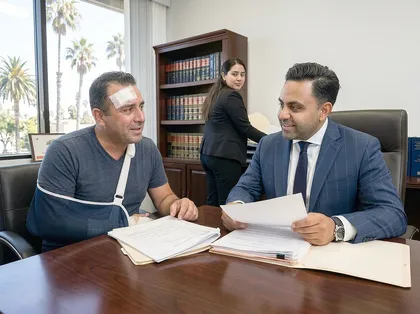
If another party caused the crash, you can seek compensation for your losses. A claim can cover physical injuries, financial costs, and the impact on your daily life.
Compensation may include:
- Medical expenses
- Future medical costs
- Lost wages
- Loss of earning capacity
- Vehicle repair or replacement costs
- Out-of-pocket expenses
- Pain and suffering
- Emotional distress
- Loss of enjoyment of life
- Physical impairment
FAQs About Dangerous Driving With A Cracked Windshield
Driving with a cracked windshield raises safety and legal concerns. These FAQs explain how visibility, fault, insurance, and legal timing can affect your situation after a crash.
Is Driving With A Small Crack Always Illegal In California?
No. The law does not ban every crack by size. The CVC focuses on whether the damage impairs your vision. If the crack affects what you can see, driving becomes unlawful. An officer may inspect the vehicle and order you to fix the problem within 48 hours after inspection.
How Dangerous Is It To Drive With A Cracked Windshield At Night Or In Bright Sun?
Both scenarios are dangerous if light is involved. Glare from headlights or sunlight can reduce contrast and delay your reaction. The California DMV requires a clear, unobstructed view of the road. A crack that distorts or reflects light can make hazards harder to see. The danger depends on how the crack affects your view, not just its size.
Can A Cracked Windshield Make Me Partly At Fault For A Car Accident?
Yes, but only if it contributed to the crash. California applies comparative negligence, which assigns fault by percentage. The crack must affect visibility, reaction time, or injury severity to matter. If another driver caused the crash, that driver can still hold most or all of the fault. Windshield damage is only one factor in the analysis.
Does Insurance Cover Windshield Repair Or Replacement In California?
Sometimes. Windshield repair coverage depends on the cause of the damage and your policy. The California Department of Insurance explains that comprehensive coverage applies to non-collision damage, including glass damage. If another driver caused the crash, their liability coverage may pay for repairs. Coverage limits, deductibles, and exclusions will affect the outcome. Always review your policy details.
When Specifically Should I Speak To A Lawyer Near Me After A Cracked-Windshield Crash?
It’s actually best to speak to a car accident lawyer as soon as possible if your case involves serious injury, disputed fault, multiple responsible parties, or a possible product defect. Legal guidance can also be helpful in scenarios where an insurer claims the crack contributed to the crash.
If you are already thinking, “I need a personal injury lawyer” or are looking for free advice from a motor vehicle accident lawyer, your situation likely involves more than windshield repair. A car accident attorney can review your case, handle insurer communication, and address how the cause of the crash affects fault.
Do Lawyers Only Get Paid If They Win?
In most motor vehicle accident cases, yes. Many personal injury lawyers work on a contingency fee. Under this structure, they get paid only if they obtain compensation through a settlement or judgment. The fee is a pre-agreed-upon percentage of the recovery, not an upfront cost.
Get Legal Help After A Crash Involving Windshield Damage
Our motor vehicle accident attorneys at Arash Law assist injured victims in California with claims involving windshield damage and fault disputes. We review the facts, explain how liability and insurance coverage apply, and handle communication with insurers.
A cracked windshield can affect visibility, fault, and injury claims. These issues depend on clear evidence and how the damage relates to the crash.
If you suffered injuries and the opposing party uses the windshield damage against you, you do not have to handle the process alone. Call AK Law at (888) 488-1391 to discuss your case and understand your next steps.