TL;DR: Truck accident victims in California should act quickly in the first 72 hours to document the scene, seek medical care, and preserve evidence. Injuries may worsen or appear later. Early records help establish fault and liability, supporting claims for drivers, passengers, and others involved.
Highlights:
- Call 911 and request medical help immediately after the crash.
- Take clear photos of the vehicles involved, any property damage, the existing road conditions, and the surrounding area.
- Collect witness names and contact information at the scene.
- Seek medical care within the first 24 hours, even if you feel fine.
- Save all medical records, bills, and accident-related documents.
- Preserve your vehicle and all crash-related digital data.
- Submit a preservation request for truck logs, dashcam footage, and maintenance records.
Tip: Keep a secure backup of photos, videos, and documents to avoid losing key records.
Table of Contents
In the first 72 hours after a California truck accident, get medical care, document the scene, and gather truck evidence before it disappears. Knowing the specific steps to take at the scene, on the first day, and over the next two days can help you protect your ability to pursue compensation.
Parallel Timeline: What You Do Vs. What The Trucking Company May Do
Following a California truck crash, your immediate priorities are seeking emergency medical care and documenting the scene. Simultaneously, the trucking company and its commercial insurance providers deploy crash investigators to build a liability defense. Both sides use the initial 72-hour window to control the narrative and secure crucial facts of the case.
| Time Window | What You Should Do | What the Trucking Company or Insurer May Do |
|---|---|---|
| At the Scene |
|
|
| First 24 Hours |
|
|
| 24 to 48 Hours |
|
|
| 48 to 72 Hours |
|
|
These early steps matter because truck accident evidence can disappear quickly. Acting within the first 72 hours can help prevent the trucking company or insurer from controlling the facts before you understand your options.
What To Do After A Truck Accident
Following a truck accident in California, immediately ensure the safety of all parties and seek emergency medical attention. Once you address critical injuries, start gathering evidence. Using a structured, proactive approach can help you obtain the proof you need to uphold your rights when facing insurer pushback.
At The Scene: Shortly After The Truck Crash
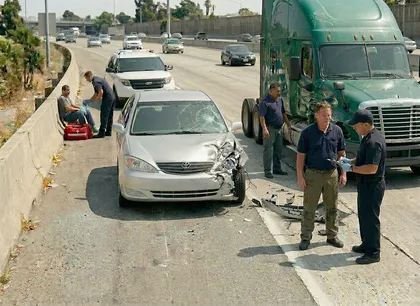
If you can do so safely, move out of the way of oncoming traffic and call emergency services. Use your phone to document the scene before vehicles move, debris gets cleared, or witnesses leave. Finally, gather important information from the police, any bystanders, and other motorists.
Take these steps if your condition allows:
- Call 911: Ask for police and emergency medical help.
- Move to Safety: Get away from traffic if you can do so without making injuries worse.
- Exchange Information: Get the truck driver’s name, license details, employer, insurance information, and contact details.
- Photograph the Truck: Capture the company name, license plate, trailer number, motor carrier number, and U.S. Department of Transportation (USDOT) number.
- Document the Scene: Take photos of skid marks, debris, road conditions, traffic signs, vehicle damage, and visible injuries.
- Get Witness Details: Ask for names and phone numbers from drivers, pedestrians, workers, or other truckers who stopped.
- Talk to Police: Request the responding officer’s badge or accident report number so you can obtain a copy of the official crash report online or in person.
- Avoid Compromising Statements: Do not apologize or make any speculations about who’s at fault. Try to avoid saying you are fine before a medical evaluation.
Within 24 Hours: Get Medical Care And Report The Accident
Medical care matters even if you do not feel severe pain right away. Adrenaline can mask symptoms after a crash. Symptoms such as whiplash, headaches, dizziness, numbness, confusion, and abdominal pain can appear or worsen after you leave the scene.
Use the first 24 hours to protect your health and create a clear record:
- Get Medical Care: Visit an emergency room, urgent care center, primary care doctor, or specialist based on your symptoms.
- Tell Providers About the Crash: Explain how the truck accident happened and list every symptom.
- Save Medical Records: Keep discharge papers, prescriptions, imaging orders, referrals, and bills.
- Report the Crash to Your Insurer: Give basic facts, such as the date, time, location, and vehicles involved.
- Avoid Guessing: Do not speculate about fault, speed, injury severity, or long-term recovery.
- Write Down What You Remember: Record the direction of travel, lane positions, weather, road conditions, and what you saw before impact.
Early medical records help connect your injuries to the truck crash. They also make it harder for insurers to argue that you delayed treatment.
Within 48 Hours: Preserve Evidence And Avoid Insurance Mistakes
On the second day, many injured people start receiving calls from insurance adjusters. You may hear from your insurer, the trucking company’s insurer, or someone asking for a recorded statement. Be careful. Insurance adjusters actively work to minimize the trucking company’s financial exposure by soliciting recorded statements early on.
Consider taking these steps before evidence gets lost or statements create problems:
- Keep the Damaged Vehicle Available: Do not rush repairs or release the vehicle until you know whether it needs inspection.
- Save Photos and Videos: Back up crash photos, dashcam footage, phone videos, and screenshots.
- Keep All Documents: Save tow service receipts, rental car records, medical paperwork, and insurer letters.
- Decline Recorded Statements: You can say you are not ready to give a recorded statement to the other party’s insurer. You may also direct them to your truck accident attorney if you already have one.
- Avoid Social Media: Do not post photos, comments, updates, or “I’m okay” statements about the crash.
- Track Symptoms: Keep a daily note of pain, sleep problems, mobility limits, missed work, and medical appointments.
If your doctor recommends physical therapy, chiropractic care, imaging, or specialist follow-up, keep those appointments. Gaps in care can give insurers room to argue that your injuries are unrelated or not serious.
Within 72 Hours: Protect Trucking Records Before They Disappear
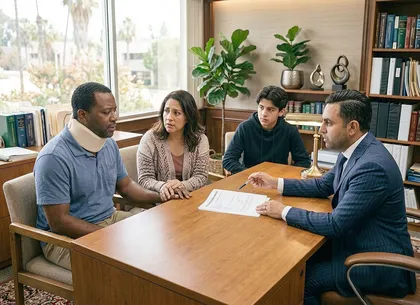
The third day is critical because commercial carriers may overwrite digital logs or repair truck damage. Issuing a formal preservation request or spoliation letter can prevent crucial evidence from being destroyed, altered, or lost. That matters because these forms of proof could help establish liability.
California truck accident lawyers focus on requesting the preservation of crucial evidence, which can include:
- Electronic Control Module (ECM) data or black box data.
- Electronic Logging Device (ELD) records.
- Driver hours-of-service (HoS) logs.
- Dashcam or in-cab camera footage.
- Cargo loading and dispatch records.
- GPS and telematics data.
- Maintenance and inspection records.
- Post-crash drug or alcohol testing records.
- Driver qualification and training files.
- The truck, trailer, tires, brakes, and underride guard.
Much of the above evidence, including driver qualification files, drug or alcohol test results, HoS logs, and ELD records, can be particularly vital. They can reveal whether a trucker or trucking company violated Title 49 of the Federal Code of Regulations, which covers transportation and transportation-related security.
However, some of this evidence is harder to track down. If you are unsure what proof to preserve, you can seek free advice from truck accident lawyers before the trucking company repairs vehicles, moves equipment, or lets data get overwritten.
Deadlines That Truck Accident Victims In California Should Know
A California truck accident can trigger several deadlines. In some cases, you must report crashes to the state’s Department of Motor Vehicles within 10 days. Meanwhile, the law generally gives you two years to sue for personal injury. Missing these critical windows could result in a license suspension or bar you from seeking compensation altogether.
Here’s what you need to know:
- SR-1 Report: California requires an SR-1 report within 10 days if there is injury, death, or more than $1,000 in property damage. This form is required even if a police report or insurance report has already been filed.
- Insurance Notice: Report the crash to your insurer as soon as possible to preserve access to your benefits. Deadlines may vary because of specific policy terms.
- Personal Injury Lawsuit: Under California Code of Civil Procedure section 335.1, you generally have two years to file a lawsuit for injuries caused by another party’s wrongful act or neglect.
- Government Claim: If a government entity is involved, California Government Code § 911.2 will generally require you to file a claim within six months of the incident. This deadline may apply if the truck is government-owned or if a dangerous road condition caused the accident.
Due to these nuances, it’s risky to assume how much time you have to prepare a truck accident claim. A quick consultation with a lawyer can tell you which deadlines apply in your situation.
FAQs About The First 72 Hours After A California Truck Accident
Many people have legal concerns right after a truck accident. Navigating the complex interplay of commercial insurance policies and state laws can feel overwhelming. The answers below address common questions regarding your rights during this critical window.
When Do I Need A Lawyer For My Truck Accident Case?
You may need to hire a truck accident lawyer if the case is complicated or involves severe injuries. Some people think, “I need a personal injury lawyer,” when they run into insurance disputes or liability questions. Assessing damages gets more complicated when severe injuries are involved, and legal representation can help address that added complexity.
Should I Go To The Doctor If I Feel Okay After The Crash?
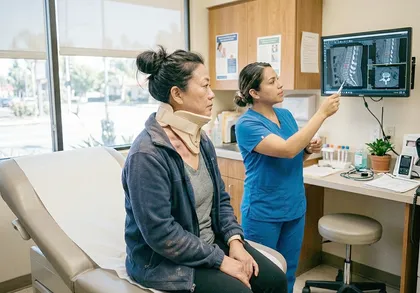
Yes. Truck accidents can cause injuries that appear hours or days later. A medical exam can identify symptoms that shock or adrenaline may hide. Medical records also help show that your injuries began after the crash. Without early documentation, an insurer can argue that the injury came from something else.
Should I Talk To The Trucking Company’s Insurance Adjuster?
You should be careful. You can report basic facts to your own insurer. However, you do not need to give the trucking company’s insurer a recorded statement right away. Avoid discussing fault, injury severity, treatment plans, or settlement value before you understand your medical condition and legal options.
What If I Were Partly At Fault For The Truck Accident?
You can still have a claim if you were partly at fault. California uses pure comparative fault, which means your share of responsibility can reduce your compensation. For instance, if a court finds you 20% at fault, you may still seek 80% of your total damages.
However, insurers can use this rule to shift more of the blame to you. Preserving evidence within the first 72 hours of a truck accident can help support your claim by allowing you to advocate for a fair assessment of fault.
How Much Does It Cost To Hire A Truck Accident Lawyer In California?
Fees can vary depending on the complexity of the case and the firm’s structure. If you’re considering getting legal assistance soon after a crash, you may be wondering, “Do lawyers only get paid if they win?” Many truck accident lawyers work on a contingency fee basis. You pay legal fees only if your attorney wins or settles your case.
Before signing, ask the lawyer to explain the fee percentage and what happens if there is no recovery. The State Bar of California requires this agreement to be in writing before representation begins.
Get Help Protecting Your Claim After A California Truck Accident
The first 72 hours after a truck accident can feel overwhelming. You may need medical care, transportation, insurance help, vehicle repairs, and answers about what happens next.
Arash Law’s California truck accident lawyers can provide legal support. We can help preserve evidence, review fault, communicate with insurers, and explain your possible legal options. If you have a case, we can help you build a claim early so you can pursue compensation for medical expenses, lost wages, pain and suffering, and other losses incurred in truck accidents.
To schedule a free initial consultation, call AK Law at (888) 488-1391.