TL;DR: A lawyer can locate your car, identify who controls it, and request preservation of relevant crash evidence. The attorney can seek photographs, inspection reports, electronic data, and access for an independent inspection. However, a preservation request does not automatically prevent repairs, sales, or disposal.
A personal injury lawyer can help preserve crash evidence after an insurance company takes your car by locating it and requesting access. The lawyer can contact the current holder, request existing records, and seek an independent inspection before the vehicle’s condition changes. Important evidence may include vehicle damage, seat belts, airbags, photographs, and electronic crash data.
These materials may help establish how the collision happened and whether it caused your injuries. Since taking possession does not always mean acquiring ownership, a lawyer should confirm who controls the car and what actions are planned. A preservation request may help protect evidence, but it does not automatically prevent repairs, transfers, or disposal.
An insurer may take possession of a vehicle through your own collision claim or another driver’s property damage claim. The applicable policy, settlement documents, and ownership-transfer arrangements can affect who controls the vehicle and what inspection or preservation options remain available.
Table of Contents

The Insurance Company Has Already Taken My Car, and I Still Have Questions About the Accident. What Should a Lawyer Look Into to Find Out Where it is and What Evidence Can be Preserved?
A lawyer should locate your car, identify its current holder, and determine which crash evidence remains available. The attorney can contact the insurance adjuster, towing company, or storage facility to confirm the vehicle’s location and condition. Towing and transfer records may help trace the car if the insurer cannot confirm its whereabouts.
Once the lawyer locates the vehicle, they can seek an inspection to preserve several types of physical evidence:
- Vehicle Damage: Crush patterns, damaged panels, and impact locations that may help reconstruct the collision.
- Airbags and Seat Belts: Deployment information, restraint conditions, and other evidence that may help explain occupant movement.
- Interior Damage: Broken glass, damaged seats, and passenger compartment intrusion that may help identify possible injury mechanisms.
- Mechanical Components: Tires, brakes, and steering components that may help investigators evaluate possible mechanical failures.
- Electronic Crash Data: Available event data recorder information, including speed, braking, and changes in velocity, subject to applicable access requirements.
- Removed Components: If repairs have already begun, a lawyer can ask whether damaged tires, brakes, steering components, airbags, or other relevant parts were removed. The attorney can request that those components be preserved and documented rather than discarded.
Ask whether the insurer, appraiser, or investigator has already downloaded the vehicle’s event data recorder information. Request any available download report, data file, and related documentation. A lawyer can evaluate whether additional preservation or independent retrieval is necessary.
The goal is to preserve evidence that may help establish fault, causation of injury, and damages. However, the insurer’s possession alone does not establish that anyone inspected, repaired, sold, or destroyed the vehicle.
Key Facts About What a Lawyer Can Do to Preserve Evidence After the Insurance Company Took Your Car
- A lawyer can request available custody records. Under 10 CCR § 2695.3, insurers must maintain claim-related documents that may help trace the vehicle’s location.
- An attorney can review ownership records before arranging an inspection. California Vehicle Code § 5600 addresses vehicle ownership transfers, while custody records help identify who currently has custody of the car.
- Your lawyer can request existing photographs and inspection reports. Under 10 CCR § 2695.3, insurers must maintain claim-related records that may document vehicle damage and the collision.
- An attorney can seek inspection of relevant physical evidence during litigation. California Code of Civil Procedure § 2031.010 permits a party to request inspection of relevant documents, tangible things, and places within another party’s possession, custody, or control.
- Your lawyer can seek access to available electronic crash data. Vehicle Code § 9951 restricts access to covered data, subject to exceptions such as registered-owner consent or a court order.
- A lawyer can seek a written preservation agreement. Cooper v. State Farm (2009) recognized that specific preservation promises and reasonable reliance may support a legal duty under the circumstances.
What a Lawyer Can Do to Preserve the Evidence
A lawyer can request that the insurer preserve your vehicle and arrange an inspection before its condition changes. The attorney can also seek existing records that may support your injury claim.
- Send a preservation request. Ask the insurer or current holder to preserve the vehicle, its components, and relevant records.
- Request existing evidence. Seek damage photographs, inspection reports, towing records, and available electronic crash data.
- Arrange an independent inspection. Request access for a qualified professional to document damage, restraint systems, and other relevant evidence.
- Document the Inspection. Have the inspection team photograph and document the vehicle’s condition, damaged components, and relevant findings. Record the inspection date, participants, and methods used. Preserve the resulting photographs, reports, and electronic files.
- Confirm preservation arrangements. Seek written confirmation of inspection access, preservation responsibilities, and any planned repairs or disposal.
A preservation letter should identify the vehicle, relevant evidence, and requested inspection arrangements. The attorney can also request written confirmation and information about planned repairs, transfers, or disposal.
Keep in mind that preserving vehicle evidence and filing an injury lawsuit involve separate deadlines. California generally allows two years to file a personal injury lawsuit under Code of Civil Procedure § 335.1. Different deadlines may apply to claims involving government entities and other circumstances.
A preservation request does not automatically prevent the insurer from selling or disposing of the car. If the holder refuses to cooperate, a lawyer can evaluate available legal remedies.
How Can a Lawyer Locate Your Car and Identify Available Evidence?
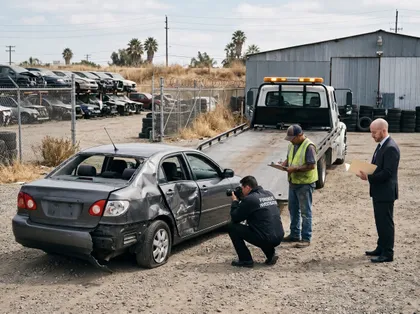
A lawyer can help locate your car by contacting the insurer and tracing the vehicle through available records of towing, storage, and transfer. In California, car accident lawyers can use this information to identify the current holder and request the available evidence.
The attorney may ask the insurer to provide:
- The vehicle’s current location and the name of the person or facility holding it.
- The towing company’s name and any subsequent transfer information.
- The date and purpose of each inspection.
- Available photographs, appraisals, damage assessments, and inspection reports.
- Any repair authorizations, ownership-transfer documents, or planned disposal dates.
- Whether electronic crash data or relevant vehicle components have already been retrieved or removed.
If the insurer cannot confirm the vehicle’s location, a lawyer may contact the original towing company, storage facility, repair shop, or salvage facility. The attorney can also request available records documenting the vehicle’s movement and condition.
Once the current holder is identified, the lawyer can discuss appropriate preservation requests and independent inspection arrangements. These requests may cover the vehicle, relevant components, existing photographs, inspection reports, and available electronic data.
A preservation request does not automatically require the holder to retain the vehicle or grant inspection access. A lawyer can evaluate the available agreements, applicable legal procedures, and possible remedies if the holder refuses to cooperate.
What Is the Difference Between Vehicle Custody, Inspection, Repair, Ownership Transfer, and Disposal?
An insurance company may take possession of your vehicle without becoming its legal owner. Several separate events can occur after an insurer takes a damaged car, and each can affect the evidence available for your injury claim.
- Custody: A towing company, storage facility, insurer, or repair shop physically holds the vehicle. Possession alone does not establish ownership.
- Inspection: An adjuster, appraiser, or investigator examines the vehicle and may document its condition through photographs, measurements, or inspection reports. An inspection does not automatically authorize repairs or transfer ownership.
- Repair Authorization: An authorized party approves work that may change the vehicle’s condition. Repairs can alter or remove evidence relevant to the investigation of the collision.
- Ownership Transfer: The vehicle owner transfers legal ownership through the applicable title and transfer procedures. An insurer’s possession or total-loss determination does not, by itself, establish that this transfer occurred.
- Disposal: The vehicle is sold, auctioned, dismantled, or otherwise removed from service. Disposal may make a physical inspection more difficult or impossible.
These events do not necessarily occur in a fixed order. For example, an insurer may arrange an inspection while a storage facility holds the vehicle, or a vehicle may be transferred to a salvage facility after a total-loss settlement.
A lawyer can review title documents, towing authorizations, inspection records, repair approvals, and transfer documents to determine who owns the vehicle, who currently controls it, and what preservation arrangements may be possible.
Under California Vehicle Code § 5600, vehicle ownership transfers are subject to applicable statutory requirements. California DMV procedures also address salvage certificates and other ownership documents for qualifying vehicles. A total-loss determination alone does not establish that ownership has transferred.
Vehicle Custody Log for Preserving Crash Evidence
A lawyer can use a vehicle custody log to track a vehicle’s location, current holder, and any outstanding preservation requests. The log also helps identify records that could support an investigation into fault and injuries.
The lawyer should update the log as new information becomes available.
| Log Field | Information to Record |
|---|---|
| Current Location | Facility name, address, and date of confirmation. |
| Current Holder | Insurer, towing company, repair shop, or salvage facility with possession or control. |
| Contact Information | Adjuster’s name, facility representative, telephone number, and email address. |
| Authorization | Documented permission for storage, inspection, repairs, ownership transfer, or disposal. |
| Proposed Next Action | Planned inspection, repair, transport, auction, or disposal date. |
| Request Made | Preservation request, records request, or inspection proposal, including its date and recipient. |
| Response | Written reply, agreed actions, deadlines, and any conditions or fees. |
| Unresolved Questions | Missing location details, unclear authority, outstanding records, or pending inspection arrangements. |
(Click here to download the PDF file)
The lawyer should distinguish confirmed information from unanswered requests and identify the source and date of each entry. The log should also connect available evidence to the injury claim: photographs and inspection reports may help establish collision mechanics, while EDR data and mechanical components may help investigate fault and possible injury mechanisms.
Medical records remain necessary to establish the claimed injuries and their connection to the accident.
How Can Storage Costs and Inspection Needs Affect Evidence Preservation?
Preserving a damaged vehicle can involve competing concerns. An extended storage hold may help keep the vehicle available for inspection, but storage charges can accumulate while the parties arrange access. A lawyer can help evaluate these concerns without assuming that the vehicle must be stored indefinitely.
The attorney may ask the current holder about:
- Daily storage charges and who is responsible for paying them.
- Available inspection dates and any access requirements.
- Planned repairs, transfers, auctions, or disposal.
- Whether relevant components can be removed and preserved separately.
- Whether existing photographs, inspection reports, or electronic data are already available.
If an extended hold is impractical, the parties may discuss a timely independent inspection, comprehensive photographs, documentation of relevant components, or another appropriate preservation arrangement.
A lawyer can also seek written confirmation of agreed inspection dates, preservation responsibilities, storage arrangements, and any planned repairs, transfers, or disposal. The appropriate approach depends on the evidence needed, the vehicle’s condition, and who controls it.
California Vehicle Code § 22851 addresses certain towing and storage liens involving vehicles removed to a garage under the applicable statutory provisions. It does not establish a universal holding period for vehicles held by insurance companies.
What You Can Do to Help Preserve Evidence
You can help preserve crash evidence by collecting available records and confirming your vehicle’s location. These steps can also give your lawyer the information needed to evaluate preservation options.
- Contact the insurer. Ask the adjuster for the vehicle’s location, current holder, and status. Request written confirmation of any planned inspections, repairs, transfers, or disposal.
- Request preservation of evidence. Ask the insurer not to alter or dispose of the vehicle while you discuss an inspection with legal counsel. Keep a copy of the request and any response.
- Collect your documents. Save the claim number, towing receipt, insurance correspondence, accident photographs, and available inspection reports. These records can help your lawyer trace the vehicle and identify missing evidence.
- Document your injuries. Keep medical records, treatment dates, and relevant photographs of your injuries. Your lawyer can compare these records with available crash evidence when investigating injury causation.
- Discuss inspection arrangements with your attorney. Ask your lawyer about accessing the vehicle before repairs or disposal. Confirm possible storage and inspection costs before agreeing to an extended hold.
Avoid removing damaged components or changing the vehicle’s condition without discussing evidence preservation with your lawyer. Such changes could affect a later inspection.
Acting promptly may help preserve evidence that becomes harder to obtain after repairs, transfers, or disposal. However, the insurer’s possession alone does not establish that any evidence has been lost.
If an insurer has already taken your car, Arash Law can review the injury issue, available documents, and reported vehicle location. Our attorneys can assess possible preservation requests and the need for further investigation.
Call (888) 488-1391 for a free case evaluation. Bring any claim correspondence, towing information, photographs, and medical records you already have.
What If the Car Was Already Sold or Destroyed?
A lawyer can still preserve available crash evidence even if an insurer has sold or destroyed your car. The attorney can trace the vehicle’s transfer history and request photographs, inspection reports, and other existing records.
A sale does not necessarily mean the buyer has dismantled or destroyed the vehicle. If the car remains available, the lawyer can contact its current holder and request permission to inspect it.
If the car was destroyed, the attorney can request records documenting its condition before disposal. These may include insurer photographs, repair estimates, towing records, and previously downloaded electronic crash data.
When physical inspection is no longer possible, an attorney can help with your car accident claim by preserving other available evidence. Police photographs, witness statements, and medical records may help establish fault and explain how the collision caused injuries.
A lawyer can also investigate the circumstances surrounding the vehicle’s disposal. The attorney may review preservation notices, agreements, and communications to determine if someone violated an applicable duty.
However, the loss of the vehicle does not automatically establish misconduct or preclude an injury claim. A lawyer can assess the remaining evidence and determine which findings are still possible.
Can a Lawyer Challenge the Destruction of Vehicle Evidence?
A lawyer can investigate whether someone destroyed relevant evidence despite an applicable duty to preserve. The attorney can review preservation notices, written agreements, custody records, and communications before determining if legal remedies are available.
California Evidence Code § 413 permits certain unfavorable inferences when a party willfully suppresses evidence. California Civil Jury Instructions (CACI) No. 204 addresses intentional concealment or destruction of evidence.
A lawyer may seek appropriate relief when the facts and legal requirements support it. However, an insurer’s disposal of a vehicle does not automatically establish intentional misconduct.
In Cedars-Sinai Medical Center v. Superior Court (1998) 18 Cal.4th 1, the California Supreme Court rejected a separate tort claim for intentional first-party destruction of evidence that was or reasonably should have been discovered before the underlying case concluded.
Available remedies may instead include evidentiary inferences or other relief during the underlying litigation. A lawyer must evaluate the circumstances and applicable legal requirements.
How Long Do You Have to Preserve Evidence for a California Injury Claim?
A lawyer should investigate the vehicle’s status promptly because repairs, transfers, or disposal may limit future inspections. There is no single preservation period that applies to every vehicle held by an insurer.
California generally allows two years to file a personal injury lawsuit under Code of Civil Procedure § 335.1. Different deadlines or procedures may apply to claims involving government entities and other circumstances.
The attorney can contact the current holder and request information about planned actions and inspection availability. A written response may help establish the time available to document relevant evidence.
Storage agreements, ownership arrangements, and applicable legal procedures can affect how long the vehicle remains accessible. A lawyer can evaluate these details before requesting preservation or scheduling an inspection.
The legal deadline to file an injury lawsuit does not guarantee that the vehicle will remain available. Earlier evidence requests may help protect information needed to establish fault and support the claimed injuries.
Frequently Asked Questions About What a Lawyer Can Do to Preserve Evidence After Your Car Gets Taken by the Insurance Company
Can an Insurance Company Take My Car Without Owning It?
Yes. An insurer may arrange transportation, storage, or inspection without acquiring ownership of the vehicle. The applicable agreements and ownership documents determine the insurer’s authority. A lawyer can review these records to identify who controls the car. That information can help determine whom to contact about preservation and inspection access.
What Should I Do if the Insurance Adjuster Has Not Contacted Me?
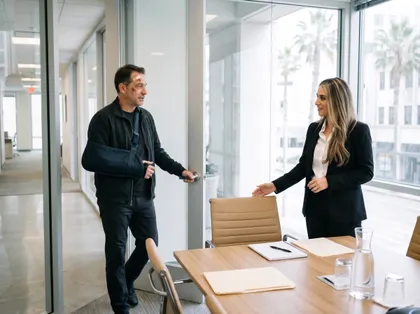
Contact the insurer using your claim number and request the vehicle’s current location, holder, and status in writing. You can also ask about any planned inspections, repairs, or transfers. Keep copies of your messages and any responses. A lawyer can review the unanswered requests and determine the next appropriate preservation steps.
Can I Arrange My Own Inspection of the Vehicle?
You may arrange an inspection with the current holder’s permission and any necessary legal authorization. Access depends on ownership, custody, facility rules, and the proposed inspection. A lawyer can coordinate the request and determine if a qualified professional is needed. The attorney can also address evidence handling and inspection arrangements with the relevant parties.
What if the Vehicle Holder Refuses an Inspection?
A lawyer can seek court assistance when the vehicle owner refuses to grant access for a voluntary inspection. The available procedures depend on whether a lawsuit has been filed and who controls the car. During litigation, California Code of Civil Procedure § 2031.010 permits inspection demands directed at parties for relevant evidence within their possession, custody, or control. Evidence held by a nonparty may require a subpoena for a deposition under §§ 2020.010 and 2020.510.
Before filing suit, § 2035.010 allows limited court-authorized discovery to preserve evidence or perpetuate testimony. Under § 2035.030, the verified petition must explain why the petitioner cannot presently bring the anticipated lawsuit and identify the evidence and discovery sought. This procedure cannot be used merely to investigate whether a claim exists or identify potential defendants. A lawyer can evaluate these procedures, but neither automatically guarantees access to inspection.
Does a Preservation Letter Require the Insurance Company to Keep My Car?
No. A preservation letter does not automatically require an insurer or storage facility to keep your car indefinitely. A lawyer can request written confirmation of what evidence the holder will preserve and for how long.
In Cooper v. State Farm Mutual Automobile Insurance Co. (2009), 177 Cal.App.4th 876, the court recognized that a specific preservation promise and reliance could create a legal duty. A lawyer can seek a written agreement or appropriate court relief, but neither guarantees an inspection or continued storage.
What Happens if My Car Was Sold at Auction?
A lawyer can try to trace the vehicle through insurance and salvage records after an auction. The buyer or another facility may still have the car, allowing the attorney to request an inspection. If the vehicle is no longer available, the lawyer can seek previously collected photographs and reports. These records may still help establish the circumstances of the collision and support the injury claim.
Learn What Arash Law Can Do to Preserve Evidence After Your Car Gets Taken by the Insurance Company
Arash Law represents people pursuing California car accident injury claims. Our attorneys can review your injury concerns, the vehicle’s reported location, and available insurance documents.
Call (888) 488-1391 for a free initial consultation. We can discuss possible preservation requests and appropriate investigation steps based on your circumstances.
Arash Law handles personal injury cases on a contingency fee basis. You generally pay no attorneys’ fees unless the firm recovers compensation for you, subject to the written fee agreement.
Sources
- California Vehicle Code § 5600. Requirements affecting vehicle ownership transfers.
https://leginfo.legislature.ca.gov/faces/codes_displaySection.xhtml?lawCode=VEH§ionNum=5600.- California DMV, Total Loss Salvage and Non-Repairable Vehicles. Salvage certificates and ownership documents.
https://www.dmv.ca.gov/portal/vehicle-registration/new-registration/total-loss-salvage-non-repairable-vehicles/- California Department of Insurance, Fair Claims Settlement Practices Regulations. Insurer claim documentation and recordkeeping requirements.
https://www.insurance.ca.gov/01-consumers/130-laws-regs-hearings/05-CCR/fair-claims-regs.cfm- California Code of Civil Procedure § 2031.010. Civil discovery procedures for inspecting relevant physical evidence.
https://leginfo.legislature.ca.gov/faces/codes_displaySection.xhtml?lawCode=CCP§ionNum=2031.010.- California Vehicle Code § 9951. Access to information recorded by covered vehicle recording devices.
https://leginfo.legislature.ca.gov/faces/codes_displaySection.xhtml?lawCode=VEH§ionNum=9951.- National Highway Traffic Safety Administration, 49 CFR Part 563. Federal standards for covered event data recorders.
https://www.ecfr.gov/current/title-49/subtitle-B/chapter-V/part-563- Cooper v. State Farm Mutual Automobile Insurance Co. (2009), 177 Cal.App.4th 876. California appellate decision concerning an insurer’s promise to preserve evidence.
https://barclaydamon.com/documents/177%20Cal.%20App.%204th%20876.pdf- California DMV, Storage Lien Limitation. Rules involving certain vehicle towing and storage liens.
https://www.dmv.ca.gov/portal/handbook/dismantlers-handbook-of-registration-procedures/lien-sales-and-abandoned-vehicles/storage-lien-limitation-vc-22851/- California Evidence Code § 413. Consideration of willful suppression of evidence.
https://leginfo.legislature.ca.gov/faces/codes_displaySection.xhtml?lawCode=EVID§ionNum=413.- Judicial Council of California, CACI No. 204. Jury instruction concerning intentional concealment or destruction of evidence.
https://courts.ca.gov/system/files/2024-08/judicial_council_of_california_civil_jury_instructions_2024.pdf- California Code of Civil Procedure § 2020.010. Establishes nonparty discovery procedures, including deposition subpoenas. https://leginfo.legislature.ca.gov/faces/codes_displaySection.xhtml?lawCode=CCP§ionNum=2020.010
- California Code of Civil Procedure § 2020.510. Governs deposition subpoenas seeking testimony and the production of documents or tangible things. https://leginfo.legislature.ca.gov/faces/codes_displaySection.xhtml?lawCode=CCP§ionNum=2020.510
- California Code of Civil Procedure § 2035.030. Establishes petition requirements, including the petitioner’s present inability to bring the anticipated lawsuit. https://leginfo.legislature.ca.gov/faces/codes_displaySection.xhtml?lawCode=CCP§ionNum=2035.030
- California Courts, Request Discovery From a Party in Your Case. Official guidance explaining requests for production and the distinction between party discovery and third-party subpoenas. https://selfhelp.courts.ca.gov/discovery-civil/request
- California Supreme Court, Cedars-Sinai Medical Center v. Superior Court (1998) 18 Cal.4th 1. Decision concerning intentional destruction of evidence and the availability of remedies. https://scocal.stanford.edu/opinion/cedars-sinai-medical-center-v-superior-court-bowyer-31780/
- California Code of Civil Procedure § 2035.010. Authorizes limited pre-lawsuit discovery to preserve evidence or perpetuate testimony and prohibits using the procedure merely to investigate possible claims or identify defendants. https://leginfo.legislature.ca.gov/faces/codes_displaySection.xhtml?sectionNum=2035.010.&lawCode=CCP
- California Code of Regulations, Title 10, § 2695.3. Requires insurers to maintain claim files containing documents, notes, work papers, and correspondence reasonably pertaining to each claim. https://govt.westlaw.com/calregs/Document/IE6244E065C2F11EC9C68000D3A7C4BC3
Disclaimer
The information on this page is for general educational purposes and does not constitute legal advice. No attorney-client relationship is formed by reading or relying on this content. If you were injured, consult a licensed California personal injury attorney about your specific situation. Arash Law: (888) 488-1391.