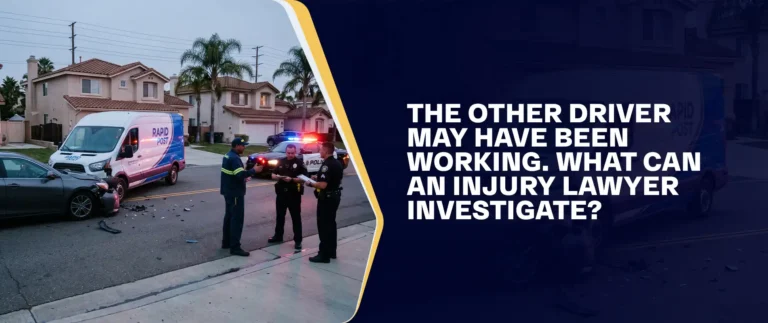
TL;DR: A lawyer can examine the insurer’s explanation, the evidence supporting your claim, and the settlement terms before advising you about acceptance. The review can uncover missing records, disputed expenses, coverage questions, and rights the release would end. Vehicle damage alone does not provide a complete assessment of your injury claim.
An injury lawyer can review the adjuster’s explanation, vehicle records, medical evidence, insurance coverage, documented losses, and proposed release before you accept an offer. Counsel can assess the reasons for the amount and explain what acceptance would settle for.
The phrase “low impact” does not identify every issue affecting the offer. The insurer might question whether the collision caused your injuries, dispute treatment expenses, assign you some fault, or identify a coverage limit.
You can request an initial consultation with the documents you already have. A lawyer can identify missing information and explain which unanswered questions affect advice about the offer.
Key Facts About Reviewing a Low-Impact Settlement Offer
- Your lawyer can review how the insurer evaluated your claim. Under 10 CCR § 2695.7(d), insurers must investigate claims thoroughly, fairly, and objectively. Your lawyer can check whether the insurer followed these requirements.
- Your lawyer can check which insurance coverage applies. For claims under your own policy, 10 CCR § 2695.4(a) requires insurers to disclose applicable benefits, coverage, time limits, and other policy terms.
- You may seek compensation if the crash worsened an existing condition. Under CACI No. 3927, you may recover damages for the worsening caused by another party’s wrongful conduct. Your lawyer can compare medical records from before and after the crash.
- Signing a release may prevent you from bringing certain claims later. Civil Code § 1542 protects certain claims you did not know about when you settled. Your lawyer can check whether the agreement asks you to give up that protection.
- You have the final say on whether to accept the offer. Under California Rule of Professional Conduct 1.2(a), your lawyer must follow your decision about whether to settle.
Table of Contents

The Insurer Calls the Collision Low Impact. What Should a Lawyer Review Before I Accept Its Offer?
A lawyer should review the actual offer, the insurer’s stated reason, the supporting evidence, and any conditions attached to payment. Counsel also should identify disputed losses, missing records, and deadlines affecting your response.
The review begins with what the adjuster actually said or wrote. Letters, emails, payment notices, and call notes can help determine whether the disagreement concerns injuries, specific expenses, coverage, or multiple issues.
The records a lawyer needs depend on the insurer’s explanation. The following examples show what counsel may examine and which questions remain unanswered.
| What the Insurer Says | What a Lawyer Can Review | What Still Needs to Be Answered | How a Lawyer Can Help |
|---|---|---|---|
| “There is little vehicle damage.” | Crash photos, repair estimates, vehicle inspections, and medical records. | Which coverage applies, and does the evidence support the insurer’s injury assessment? | Compare the vehicle evidence with your medical findings and question unsupported conclusions. |
| “You waited too long to get treatment.” | Medical records, symptom reports, and the reasons for any delay in treatment. | Is the insurer relying on a policy term or questioning the treatment delay? | Review the timeline and seek medical clarification when needed. |
| “You already had these symptoms before the crash.” | Earlier medical records, current diagnoses, and changes in your symptoms. | Is the insurer disputing injury causation or citing a policy exclusion? Did the crash worsen an existing condition? | Compare your condition before and after the crash and review the medical evidence supporting your claim. |
| “We already paid the available benefit.” | Insurance policy limits, payment records, medical bills, and settlement documents. | Which benefit and limit apply, and are other claims still available? | Check the coverage limits, previous payments, and whether the proposed settlement affects other claims. |
Use this table to see what your lawyer can check based on the insurer’s explanation. Find the statement that most closely matches what your adjuster said, and see which records might help. Don’t worry if you don’t have everything. You can still talk to a lawyer about what’s missing and what questions need answers before you accept the offer.
Examining the Vehicle Evidence Behind the Insurer’s Explanation
A car accident lawyer can examine the vehicle records supporting the insurer’s description of the collision. The review should distinguish what those records show from assumptions about speed, movement, or injury.
Your attorney can identify missing evidence and assess whether further investigation would help resolve a specific dispute. Relevant questions include:
- Photographs: Do the available images show both vehicles, the contact areas, and conditions at the scene?
- Repair Records: Does the estimate include all inspected damage, and did the repairs reveal any additional damage?
- Collision Accounts: Do witness statements, footage, or reports support the insurer’s description of how the vehicles moved?
- Technical Opinions: What information did the author review, and which assumptions support the conclusion?
Counsel can question an explanation that treats repair costs or visible damage as the sole basis for the injury analysis. Vehicle records do not replace a medical evaluation of your condition and possible causes.
If the insurer relies on a technical report, the lawyer can examine the author’s qualifications and whether the report addresses your collision. Evidence Code §§ 720 and 801 govern expert qualifications and opinions at trial.
Checking Medical Evidence and Treatment History
 A car accident attorney can review examination findings, diagnoses, test results, treatment notes, and medical opinions concerning the relationship between the collision and your condition. Counsel should identify evidence supporting your claimed injuries and questions requiring clarification from a qualified clinician.
A diagnosis may establish a condition without answering every dispute about its cause or effects. The review should address the insurer’s challenges and assess whether the medical records address those issues.
Important parts of the review include:
- Symptom Timing: When did symptoms begin, and when did you first report them to a medical provider?
- Treatment History: What care did you receive, and what explains any gaps, referrals, or changes in treatment?
- Clinical Findings: What did examinations and tests show, and how did your clinician interpret those findings?
- Earlier Conditions: How do your symptoms, treatment needs, and limitations differ from your condition before the collision?
- Continuing Needs: Do medical recommendations address further treatment, work restrictions, recovery, or lasting limitations?
The records may reveal that the insurer overlooked an early consultation or misunderstood a treatment gap. Counsel can seek clarification about those facts without assuming that timing alone establishes or defeats causation.
California’s civil jury instructions also address unusual susceptibility to injury under CACI No. 3928. However, the instruction does not establish what happened in your case. Counsel still needs appropriate medical evidence to assess whether the collision caused the claimed harm.
For injuries such as whiplash, Mayo Clinic explains that doctors may use physical examinations and imaging to evaluate symptoms and check for other injuries or conditions. A lawyer can review the resulting medical records without making diagnoses or deciding which tests you need.
Identifying What the Proposed Payment Covers
A lawyer can review the offer, relevant policy terms, coverage limits, and payment history to identify the purpose of the payment. Counsel should establish whose insurer made the offer and which coverage it evaluated.
A liability settlement differs from a vehicle repair payment or medical payments benefit. The amount alone does not establish which claim the insurer proposes to resolve.
The California Department of Insurance explains the different coverage categories. Your declarations page, relevant policy provisions, endorsements, and claim correspondence provide the details needed for an individual review.
Counsel may need to check:
- Payment Purpose: Identify whether the offer covers bodily injuries, vehicle damage, medical expenses under your policy, or a combination of these claims.
- Coverage Limit: Check the applicable policy limits and whether prior payments have reduced the available amount.
- Remaining Claims: Determine whether other injury claims or insurance benefits remain available after a particular benefit has been used.
- Additional Coverage: Look for other insurance policies or potentially responsible parties that may provide additional compensation.
A dispute about coverage limits differs from a dispute about whether the crash caused your injuries. Counsel can review the relevant records to determine which issue affected the offer.
Exhausting medical payments coverage does not, by itself, resolve a separate liability claim. Before acceptance, the lawyer should examine the payment documents and any release together.
Assessing Fault Disputes and Losses Included in the Offer
An attorney can review whether the insurer reduced its offer because of disputed fault, disputed losses, or both. The low-impact explanation may not reveal all the reasons for the amount.
If the insurer assigns you some responsibility, counsel can examine the supporting witness accounts, photographs, footage, and collision records. That issue requires separate attention from the medical disagreement about your injuries.
California car accident lawyers can also ask which losses the insurer included, omitted, reduced, or treated as previously paid. The review may cover:
- Medical Expenses: Itemized bills, payment statements, outstanding balances, and records supporting the claimed treatment.
- Future Care: Medical recommendations addressing likely treatment, its purpose, and continuing limitations.
- Lost Earnings: Wage records, employer information, time away from work, and medical restrictions affecting your ability to earn.
- Daily Effects: Specific information about pain, sleep, mobility, household tasks, recreation, and other activities.
- Other Expenses: Receipts and records supporting additional collision-related costs included in your claim.
Counsel should distinguish a dispute about a medical charge from a dispute about whether the treatment relates to the collision. Each question may require different supporting information.
The review should also address how unpaid bills, repayment claims, attorney’s fees, and case costs may affect the amount you receive. Counsel can identify uncertain deductions, assess whether repayment amounts need further review or negotiation, and explain the limits of any estimate.
Understanding What the Settlement Release Covers
A lawyer can review which claims the release covers, whom it protects, and what rights acceptance would end. Counsel should examine the complete agreement rather than rely on a description such as “payment for your medical bills.”
The review should address:
- Claims Covered: Does the agreement settle bodily injury, property damage, or both?
- Parties Released: Which individuals, businesses, or insurers would be released from liability under the agreement?
- Unknown Claims: Does the release include a Civil Code § 1542 waiver?
- Unresolved Injuries: How does the agreement address future consequences within the released claims?
- Other Obligations: Does it assign responsibility for outstanding bills, repayment claims, or other settlement conditions?
A waiver can extend a release to certain unknown claims. Counsel should explain its effect before you sign, especially when medical questions remain unresolved.
A later medical development does not necessarily allow you to reopen a valid settlement. The lawyer should explain that risk alongside the available medical information and proposed terms.
Tell counsel about any verbal acceptance, electronic response, signed document, or deposited payment. Those facts can affect the review even when you have not signed a paper release.
Considering Deadlines and How to Respond
A lawyer can review the offer’s expiration date, relevant policy requirements, and applicable lawsuit deadline. These dates serve different purposes, and requesting additional information does not automatically extend them.
The California Courts’ personal injury guidance explains that injury lawsuits usually have a two-year deadline. Government claims involve shorter procedures, and individual circumstances can change the applicable deadline.
Counsel also should identify any formal offer under Code of Civil Procedure § 998. A qualifying offer can carry litigation-cost consequences, so its response requirements need separate review.
After reviewing the records, a lawyer can discuss the following options:
- Request Clarification: Ask the insurer to identify disputed injuries, expenses, coverage provisions, or settlement conditions.
- Obtain Missing Records: Gather the medical, vehicle, policy, or financial documents needed to address the disagreement.
- Seek Qualified Opinions: Obtain appropriate medical or technical input when a specific unresolved question requires it.
- Respond to the Offer: Your lawyer can negotiate with insurance adjusters by presenting supported corrections, additional evidence, or a counteroffer.
- Consider Litigation: Assess whether unresolved disputes or an approaching deadline make filing suit appropriate.
The recommendation should address the claim’s strengths, weaknesses, likely costs, and remaining uncertainty. Your lawyer explains the options, and you decide whether to accept a settlement.
Review Your Settlement Options With Arash Law
Arash Law offers free initial consultations for California injury claims. Call (888) 488-1391 to discuss the insurer’s explanation, proposed payment, and available records.
Have the offer and any proposed release available if possible. If the adjuster explained the amount by phone, provide your notes and identify which documents you still lack.
Frequently Asked Questions About Low-Impact Settlement Offer Reviews in California
Can I Ask for a Review Before Rejecting the Offer?
Yes, you can ask a lawyer to review the offer before accepting or rejecting it. Provide the complete offer, any proposed release, and the insurer’s explanation. Tell the lawyer about any response deadline so they can assess what needs attention first.
Do I Need an MRI Before Consulting a Lawyer?
No, you do not need an MRI before consulting a lawyer. Bring the medical records and test results you already have. Your medical provider should decide whether imaging is appropriate based on your symptoms and examination.
Does Accepting a Vehicle Repair Payment Close My Injury Claim?
Not automatically; accepting payment for vehicle repairs does not necessarily settle your injury claim. The payment documents and any agreement you accepted determine its scope. A lawyer can check whether you agreed to settle only property damage or also release bodily injury claims.
Can a Lawyer Help If I Already Accepted?
Yes, a lawyer can review what you accepted and explain whether any claims or options remain. Share the offer, release, payment documents, and related communications, including verbal or electronic acceptance. A binding settlement may prevent additional recovery for the claims it covers.
Does the Consultation Make the Firm Responsible for My Deadlines?
No, a consultation alone does not mean the firm has agreed to handle your deadlines. Confirm whether the firm will represent you, what work it will perform, and who will handle each approaching deadline. Do not assume someone will file a claim simply because you discussed it.
Will a Lawyer’s Review Produce a Higher Offer?
A lawyer’s review does not guarantee a higher offer. It may identify missing evidence, overlooked losses, or errors that support further negotiation. Counsel may also identify weaknesses or coverage limits that affect your options and should explain those findings before recommending a response.
Ask Arash Law to Review the Actual Explanation and Offer
If an insurer calls your crash low impact, you may have questions about how it evaluated your injuries and calculated its offer. Arash Law can review the explanation and available records to identify disputed issues, missing information, and settlement terms that need closer attention.
Bring the offer, insurance correspondence, vehicle photographs, repair records, medical information, and any proposed release you have. You can request a consultation even if you do not have all the documents. Our car accident attorneys can discuss your questions, explain potential next steps, and assess whether the firm can represent you.
Call (888) 488-1391 to request a free initial consultation about your California crash injury claim. Discuss the actual offer and its terms before deciding how to respond.
Sources
- California Department of Insurance. Claims handling rules. https://www.insurance.ca.gov/01-consumers/130-laws-regs-hearings/05-CCR/fair-claims-regs.cfm
- California Department of Insurance. Auto insurance coverage. https://www.insurance.ca.gov/01-consumers/105-type/95-guides/01-auto/auto101.cfm
- Mayo Clinic. Whiplash diagnosis and treatment. https://www.mayoclinic.org/diseases-conditions/whiplash/diagnosis-treatment/drc-20378926
- Evidence Code § 720, Expert qualifications. https://leginfo.legislature.ca.gov/faces/codes_displaySection.xhtml?lawCode=EVID§ionNum=720.
- Evidence Code § 801. Expert opinions. https://leginfo.legislature.ca.gov/faces/codes_displaySection.xhtml?lawCode=EVID§ionNum=801.
- CACI Nos. 3927–3928. Preexisting conditions and injury susceptibility. https://courts.ca.gov/system/files/file/judicial_council_of_california_civil_jury_instructions_2026.pdf
- Civil Code § 1542. Releases and unknown claims. https://leginfo.legislature.ca.gov/faces/codes_displaySection.xhtml?lawCode=CIV§ionNum=1542.
- Code of Civil Procedure § 998. Formal settlement offers. https://leginfo.legislature.ca.gov/faces/codes_displaySection.xhtml?lawCode=CCP§ionNum=998.
- California Rule of Professional Conduct 1.2(a). Scope of Representation and Allocation of Authority. https://www.calbar.ca.gov/legal-professionals/rules/rules-professional-conduct/current-rules-professional-conduct/chapter-1-lawyer-client-relationship
- California Courts. Personal injury filing deadlines. https://www.selfhelp.courts.ca.gov/civil-lawsuit/personal-injury
Disclaimer
This material provides general educational information and does not create an attorney-client relationship. Consult a licensed California attorney about your circumstances and deadlines.
Past results do not guarantee future outcomes. Arash Law — (888) 488-1391.