TL;DR: San Francisco’s most dangerous intersections, such as Gough Street and Market Street, and freeways like US-101, are prone to accidents involving pedestrians, cyclists, and drivers. Evidence such as witness statements and traffic footage may support negligence claims at these locations.
Highlights:
- Take photos and videos of the crash scene from different angles.
- Get witness names and contact information before they leave.
- Call 911 if anyone is injured or if traffic is blocked.
- Exchange information with every involved driver, including insurance details.
- Report the crash to the police and request a copy of the report.
- Seek medical care promptly, even if you feel fine at first.
Tip: Stick to facts and avoid guessing about the accident’s cause when talking to authorities or insurers.
Table of Contents
In San Francisco, certain segments of Interstate 80 (I-80), Highway 101 (US-101), and Interstate 280 (I-280) can be hazardous to some drivers. These intersections can also be dangerous:
- Gough Street and Market Street.
- Market Street and Octavia Street.
- Hayes Street and Van Ness Avenue.
- 8th Street and Mission Street.
- 5th Street and Market Street.
Pedestrians, cyclists, and drivers need to be careful in these areas. Heavy traffic and tricky road layouts can easily contribute to accidents. If another road user acts negligently and causes a crash, you may have the right to pursue compensation for your losses under California law.
Why Do Accidents Happen On These Roads?
San Francisco’s steep hills, dense city layout, and high traffic volume all contribute to difficult driving conditions. Thousands of residents, commuters, and visitors share the same limited road space each day. These conditions increase the risk of collisions at key intersections.
On surface streets, accidents often happen at intersections. Drivers who run red lights or fail to yield can cause angle (T-bone) crashes. Sideswipes are also common on narrow or crowded roads. Pedestrian accidents often occur when drivers fail to see people crossing or turning.
On freeways, rear-end crashes are common in stop-and-go traffic. Sideswipes happen when drivers change lanes without checking blind spots. Tailgating, speeding, and sudden moves also raise the risk of a collision.
The Most Dangerous Intersections In San Francisco
Based on the 2017–2022 San Francisco Traffic Crashes Report, the following intersections recorded the highest number of injury crashes during that period:
- Gough Street and Market Street: This intersection saw 48 injury crashes, affecting 70 people.
- Market Street and Octavia Street: This junction is a major pedestrian and transit route that leads to Highway 101. It saw 43 injury crashes, affecting 58 people.
- Hayes Street and Van Ness Avenue: There were 35 injury crashes at this intersection, resulting in 58 total injuries.
- 8th Street and Mission Street: Around 35 crashes resulted in 37 injuries at this intersection. Since it’s close to the city’s Civic Center, nearby transit stops increase activity levels here. This intersection thus frequently experiences traffic jams.
- 5th Street and Market Street: There were 34 injury crashes at this crossing, affecting 37 people. This busy crossroads is in the city center and is also an important point along one of the city’s busiest shopping corridors. The resulting heavy traffic makes accidents more likely to occur here.
Intersections can be dangerous because many things happen at once. Cars turn, people cross, and signals change. That makes multiple road users, including pedestrians, cyclists, bus riders, and drivers, vulnerable to injury.
However, it also means several parties can contribute to a crash. To assess potential liability, intersection accident attorneys review traffic camera footage, eyewitness statements, and dashcam video.
The Most Dangerous Freeways In San Francisco
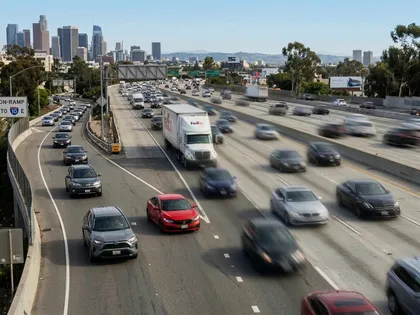
San Francisco has only a few freeways, but some sections are more dangerous than others. Traffic moves fast on these roads, and sudden stops, lane changes, or merges can catch drivers off guard.
According to data from the California Crash Reporting System (CCRS), these are the approximate numbers of crashes that occurred on San Francisco freeways in 2024:
- US-101: 677
- I-80: 664
- I-280: 256
These numbers include all types of crashes, including those that did not result in injuries. Meanwhile, based on the same CCRS data, the following freeway segments in San Francisco have the highest number of incidents that were officially reported to local and state authorities:
- I-80 at Treasure Island Road: 82 crashes, 31 reported injuries.
- I-80 at Beale Street: 36 crashes, 15 reported injuries.
- I-80 at Northgate Road: 32 crashes, 15 reported injuries.
- US-101 at Cesar Chavez Street: 30 crashes, 13 reported injuries.
- US-101 at Lincoln Boulevard: 30 crashes, 4 reported injuries.
Other frequently cited locations in that data include I-80 at The Embarcadero, US-101 at Paul Avenue, US-101 at Merchant Road, I-80 at 7th Street, and I-80 at 5th Street. These figures may change over time as the agency regularly updates and revises the dataset. Minor data entry issues, such as misspellings or incomplete records, may also affect overall accuracy.
Since vehicles often travel at high speeds on freeways, the resulting crashes can be more severe. Victims can sustain serious bodily harm, such as traumatic brain injuries, broken bones, and spinal cord damage. Freeway accident attorneys typically assess the full extent of the losses from these injuries when estimating the value of a claim.
Accidents in these areas can result in serious injuries and complex legal issues. In many cases, injured individuals may have the right to seek compensation if another party’s negligence played a role. Legal guidance can help clarify rights and next steps after a crash.
What To Do After A Crash In A High-Risk San Francisco Location
High-risk crash spots in San Francisco include busy intersections and freeway sections because they see heavy traffic. The careless actions of one or more drivers can create chaotic conditions that increase the chance of confusion after a collision. In these situations, knowing the right actions to take can help protect your safety, health, and legal rights.
Consider these steps:
- Call 911 if anyone is hurt or if traffic is blocked.
- Move to safety if possible, especially if you’re in the way of oncoming traffic.
- Exchange information with every involved driver.
- Get witness names and numbers before they leave.
- Take photos or videos of the scene from several angles.
- Get medical care promptly, even if symptoms seem minor at first.
Try to avoid:
- Arguing about fault at the scene.
- Guessing about speed, signal color, or who had the right of way.
- Saying you are fine if you are still shaken up and have not been evaluated yet.
If you made any statements at the scene, let your attorney know. What you say can be used against you later on during the claims process. San Francisco accident lawyers can address these situations by reviewing the facts and clarifying the context of your statements.
Common Injuries After Intersection And Freeway Crashes
Crashes at busy intersections and freeway segments often involve higher speeds, sudden impacts, and multiple points of contact. These can lead to more serious injuries and longer recovery times. The severity and type of injuries can significantly influence medical costs, time away from work, and the overall value of a claim.
Common injuries after intersection and freeway crashes include:
- Head Injuries: These often occur from sudden impacts or from hitting hard surfaces, such as windows and dashboards. Pedestrians and cyclists are also at risk if they fall on the pavement during a collision.
- Neck and Back Injuries: Victims typically sustain them in rear-end impacts, abrupt stops, or forceful jolts during high-speed freeway crashes and intersection collisions.
- Bone Fractures: These can happen from hitting another vehicle, striking interior parts, or being thrown in a crash. They’re common in high-speed freeway accidents.
- Knee, Shoulder, and Hip Injuries: These injuries can happen when a person braces for impact during a crash. They may also occur if the body hits parts of the vehicle or the ground in side-impact or intersection collisions.
- Soft-Tissue Injuries: Sprains, strains, and muscle tears frequently happen due to sudden movement or forceful twisting in both intersection and freeway collisions.
According to the California Office of Traffic Safety, there were more than 3,500 fatal and injury crashes in San Francisco in 2023 alone. Around 486 of them were speed-related. Though these numbers don’t specify whether these crashes occurred at intersections or on freeways, they illustrate just how serious traffic accidents in the city can be.
Pedestrians and cyclists, including children, are often at higher risk in these situations due to their limited protection and exposure. Don’t brush off a delayed injury. Pain can increase after the adrenaline wears off. Prompt medical treatment can help connect your injuries to the incident.
What Claim Options Can Apply After One Of These Crashes?
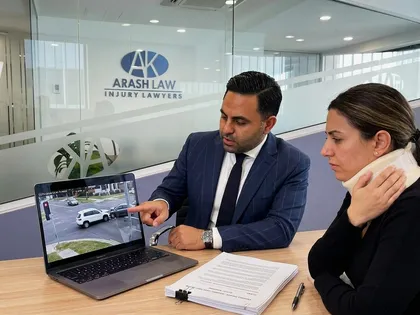
Crashes at busy intersections or freeway hotspots in San Francisco usually involve several vehicles. Because they often occur in complex traffic conditions, multiple parties could be liable for your injuries and losses. Given these complexities, you may be eligible to file different kinds of claims.
Negligence Claim Against A Driver
Most cases start with a negligence claim against the driver who failed to use reasonable care. That can involve:
- Speeding
- Unsafe turning
- Running a light
- Following too closely
- Drifting across lanes
- Failing to yield
Commercial Or Employer-Related Claim
If the at-fault vehicle was being used for work, other parties may be liable for the accident. In some instances, third-party liability may apply if the accident involves:
- Delivery drivers
- Company vehicles
- Trucks
- Buses
- Shuttles
- Other work-related vehicles
Uninsured/Underinsured Motorist Coverage Through Your Own Policy
If the at-fault driver had no insurance or too little insurance, your own uninsured or underinsured motorist (UM/UIM) coverage may help. It can also apply in hit-and-run cases. However, it’s optional. Insurers must offer this coverage, but you can decline it by signing a waiver. That said, you can only pursue compensation from UM/UIM coverage if it’s already part of your auto policy.
Public Entity Claim For A Dangerous Road Condition
Sometimes the case is not just about driver error. A separate claim may arise if a dangerous road condition caused the crash. Common issues that lead to these claims are:
- Broken signals
- Missing signs
- Hazardous pavement
- Risky merges
Government Code Section 835 allows liability for injury caused by a dangerous condition of public property if the condition caused the injury, created a foreseeable risk, and was created by a public employee or existed long enough that the public entity had notice.
However, you may also be able to file a public entity claim if a government vehicle, like a Muni bus, caused the crash.
What Evidence Matters Most After An Intersection Or Freeway Crash?
To prove someone acted carelessly, you need evidence of the event. Show who made unsafe choices and how those choices caused your injuries. California’s negligence law holds a person responsible when their failure to use reasonable care causes harm to someone else.
Focus on collecting and preserving:
- Photos of the Crash Scene: Vehicle damage, lanes, signals, skid marks, debris, sight lines. Ideally, these should include time stamps and metadata if they were taken with a phone.
- Dashcam and Surveillance Footage: Recordings from nearby cameras.
- Police Reports: Official crash documentation from responding officers.
- Witness Statements: Names and accounts from people who saw the crash.
- Medical Records: Emergency care, follow-ups, imaging, prescriptions, and treatment history. These may also include records of physical therapy or chiropractic care, if they were part of the necessary treatment.
- Vehicle Data: Speed, braking, and impact data from onboard systems, if available.
- Proof of Lost Work: Pay stubs, work schedules, and employer notes showing missed income.
Take note that this evidence is time-sensitive. Heavy freeway traffic can degrade proof of a crash. Surveillance footage from intersection cameras can also be erased within a few days. That is why early preservation requests can matter. Traffic accident lawyers can assist with this process.
What Compensation Can You Seek After A Crash In San Francisco?
If someone else’s negligence caused the crash, you may be eligible to pursue different types of compensation through a personal injury claim. These cover both economic (financial) and non-economic (personal) losses.
Depending on the facts, damages can include:
- Medical bills
- Future treatment costs
- Lost income
- Reduced earning capacity
- Property damage
- Pain and suffering
- Emotional distress
- Loss of enjoyment of life
Important Deadlines In San Francisco Accident Cases
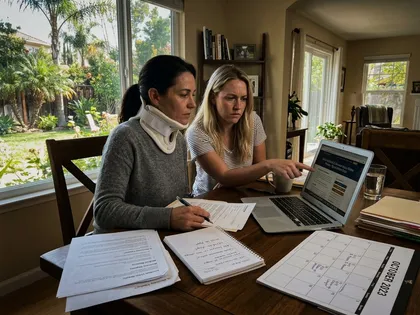 California’s statutes of limitations set time limits for filing personal injury lawsuits after an accident. Missing these deadlines can mean losing the right to pursue an accident case, even when the facts strongly support your claim.
For freeway and intersection accidents, these deadlines may apply:
- Personal Injury Claim: Victims have two years from the date of the injury to file a case. However, there are exceptions:
- Victims Under 18: If the victim is a minor, the two-year deadline will not begin until they turn 18.
- Delayed Discovery of Injuries: Sometimes, injuries from a crash do not show up right away. In these cases, the deadline to file a claim may start when you discover the injury, or when you reasonably should have noticed it.
- Property Damage Claim: If the accident involves only property damage, victims have three years to file a claim.
- Government Claim: If the accident resulted from a dangerous condition that the city or county of San Francisco should have fixed, you may file a government claim. However, you must usually file it within six months of the accident.
Frequently Asked Questions About Traffic Accidents In San Francisco
Below are answers to common questions about accidents on San Francisco’s most dangerous freeways and intersections. If you have any specific concerns, it may help to seek free advice from a traffic accident lawyer.
If I Was Rear-Ended At One Of These Intersections, Is The Other Driver Automatically At Fault?
Not automatically. Rear-end cases often start with strong evidence against the rear driver. Under California Vehicle Code 21703, it is illegal to follow too closely or tailgate. If there is evidence that the driver behind you violated this law, you may have a case. However, the exact facts of the case can impact liability.
Multi-car chain reactions, sudden lane changes, a disabled vehicle, or a secondary impact can complicate fault. A court could also find you partially liable if your own actions contributed to the crash. For example, if you abruptly stopped at a red light because you were texting, you may not have given the driver behind you enough time to avoid an accident.
Can I Still Recover If I Was Partly At Fault?
Possibly. Shared fault does not always bar recovery. In California, the pure comparative negligence rule applies. Parties may share fault in an accident, even victims. Under this rule, you can still seek damages even if you are partially at fault. However, a court can reduce your available compensation by your percentage of fault. For instance, if a court finds you 30% at fault, you can still seek compensation for the 70% of your total damages.
This liability issue comes up in intersection cases all the time, especially where both sides blame the other for speed, signal timing, turn decisions, or lane position.
How Much Do Lawyers Charge In San Francisco?
The cost of hiring a San Francisco traffic accident lawyer depends on several factors. For instance, if the case is complex, more resources are needed to handle it, which affects legal costs.
However, if your concern is whether you can afford legal representation, you may also be asking, “Do lawyers only get paid if they win?” The answer is yes, but only if you find a personal injury lawyer in San Francisco who offers contingency fees. Under this no-win, no-fee arrangement, you pay legal fees only if the case is won or settled.
Discover Your Legal Options After A Crash On A Freeway Or Intersection In San Francisco
Crashes at San Francisco hotspot intersections and freeway approaches are rarely simple. They can involve turning conflicts, lane changes, visibility problems, pedestrians, cyclists, commercial vehicles, and public road issues all at once.
If you were a victim in one of these crashes, it’s normal to think, “I need a personal injury lawyer to handle my case.” Hiring one can be helpful in cases that involve severe injuries and complex liability issues. Our traffic accident lawyers at AK Law can help. We can sort through the evidence and identify your possible legal options.
Call us at (888) 488-1391 to schedule a free initial consultation.