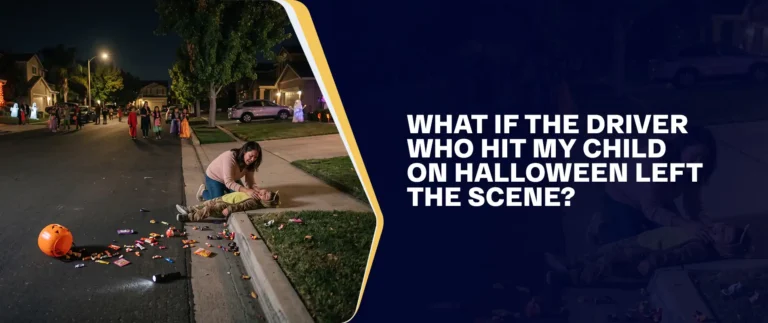
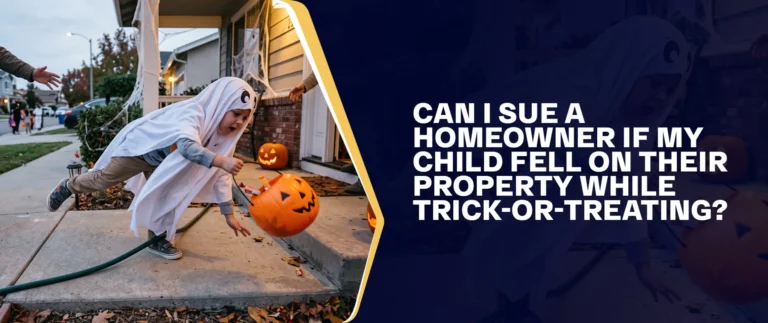
TL;DR: The best protection depends on when you act. Before an accident, use the right safety gear. This can include seatbelts, helmets, child seats, or workplace PPE. After an accident, focus on staying safe and getting medical care. Then document what happened and protect your legal rights. Insurance like MedPay and UM/UIM can also help with accident-related costs.
Key Facts
- California Office of Traffic Safety California Traffic Safety Quick Stats, updated in July 2025, is the data source cited in this article.
- In 2023, 33 motorcyclists were killed in California while not wearing a helmet, according to the California Office of Traffic Safety.
- The California Department of Motor Vehicles (DMV) requires an SR-1 form to be filed within 10 days if a vehicle crash causes injury, death, or property damage over $1,000.
- California Code of Civil Procedure (CCP) § 335.1 generally provides that a personal injury lawsuit must be filed within 2 years of the accident date.
- California’s Hospital Lien Act, CIV § 3045.1, allows some hospitals to place a lien on money recovered from the person or company responsible for an injury if certain legal requirements are met.
- Under California’s pure comparative negligence rule, a person found 25% at fault may have their recovery reduced by 25%.
Table of Contents
The best protection depends on the type of accident. Seat belts and airbags can reduce the risk of serious injuries in car accidents. Similarly, helmets and protective gear can help prevent serious injuries in motorcycle accidents. Personal protective equipment (PPE) and active safety features play key roles in various settings. No single measure covers all the risks an accident can create.
There is also a difference between protection before and after an accident. Before a crash, safety gear can reduce your risk of injury. After a crash, your focus should shift. Get out of danger, seek medical care, and avoid worsening your injuries. Then protect any possible injury claim.
Across all scenarios, minimizing injury during an accident relies fundamentally on these factors:
- Restraint Systems: Seatbelts, child seats, and airbags help protect people inside vehicles.
- Physical Barriers: Helmets and other safety gear can help protect the head, skin, and other parts of the body.
- Visibility: Pedestrians and bicyclists can lower some risks by making themselves easier for drivers to see.
If you have already been hurt, safety gear cannot change the first impact. At that point, the best protection is quick medical care, safe choices, good records, and the right insurance and legal steps.
The Best Physical Protection For Traffic And Workplace Accidents
Physical safety gear is your best protection before an accident happens. The right gear on a vehicle, a motorcycle, a bicycle, or at a job site can be the difference between a minor injury and a severe one. No other step works as early or as reliably to limit harm.
Each accident type calls for its own gear, and knowing which applies to you can matter most when it counts.
- Seatbelts, Airbags, and Car Seats: A properly worn seatbelt is one of the most effective forms of protection in a car crash. It helps keep occupants inside the vehicle and greatly reduces the risk of ejection. Airbags provide additional protection but are designed to work with seatbelts, not replace them. Children should use an age- and size-appropriate child restraint that is correctly installed and used in accordance with the manufacturer’s height and weight limits. As children grow, they should transition from rear-facing seats to forward-facing seats, then booster seats, and eventually seat belts when they meet the applicable requirements.
- Motorcycle Helmets and Riding Gear: California requires motorcycle riders and passengers to wear approved helmets. Other riding gear can also help protect the skin and body during a crash. In 2023, 33 motorcyclists were killed in California while not wearing a helmet.
- Bicycle Helmets, Lights, and Visibility: California does not have the same helmet rule for adult bicyclists. The state’s bicycle helmet law generally applies to riders under age 18. Adults can still lower their risk of head injury by wearing a properly fitted helmet. At night, bicyclists must also use required lights and reflectors. Bright or reflective clothing can make riders easier to see.
- Pedestrian Visibility and Crossing Safety: Pedestrians lack a seatbelt, airbag, or vehicle frame for protection. At night, bright or reflective clothing can make them easier to see. A flashlight may also help. Pedestrians should use safer crossing areas and watch for turning vehicles.
- Workplace Safety Equipment: Workers may need helmets, safety harnesses, eye protection, steel-toed boots, or other PPE. The right equipment depends on the hazard.
Failure to use safety equipment may also come up in a personal injury case. For example, a defendant may argue that not wearing a seatbelt worsened certain injuries. That does not mean every failure to use safety gear will result in reduced compensation. The other side would need to connect the missing protection to the injuries at issue.
Adult bicyclists also have a different legal situation than motorcyclists. California generally does not require adults to wear bicycle helmets. So an adult cyclist’s lack of a helmet should not be treated as the same type of legal violation as a motorcyclist riding without one. Whether it affects an injury claim depends on the facts and the injuries involved.
Data Transparency Note: This article uses California Traffic Safety Quick Stats from the California Office of Traffic Safety. The cited data was updated in July 2025. We will update this page when newer data is available.
Protecting Your Health And Evidence After An Accident
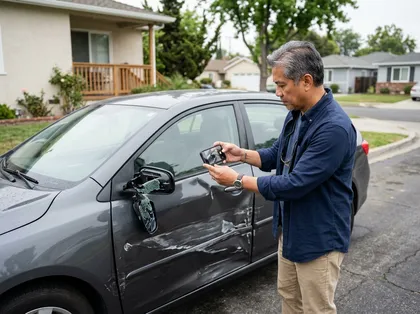
The steps you take right after an accident protect both your health and your legal case. Acting quickly helps create a clear record of what happened.
Consider these steps after the accident:
- Move to Safety: Move to a safe location if you can do so safely. Call 911 if anyone may be injured, there is an immediate safety hazard, or emergency assistance is otherwise needed. Report the incident to law enforcement or the appropriate workplace authority when required or appropriate.
- Watch for Emergency Symptoms: Seek help right away for heavy bleeding, trouble breathing, loss of consciousness, confusion, severe head injury, or signs of a serious neck or spine injury. Do not delay care to take photos or exchange insurance information.
- Get an Official Report: A police report, California Highway Patrol (CHP) report, or workplace report creates an official record. This is one of the most important pieces of evidence for any claim.
- Gather Evidence Safely: Take photos of the scene, damage, hazards, and visible injuries. Get witness information. For pedestrian and bicycle crashes, also photograph crosswalks, bike lanes, signals, signs, and lighting.
- Seek Appropriate Medical Care: Get emergency medical help for serious or concerning symptoms. Even if symptoms initially seem mild, monitor yourself after the accident and seek medical evaluation if symptoms appear, persist, or worsen.
- Keep Records: Save medical bills, records, prescriptions, work restrictions, and appointment details. You can also keep notes about pain, missed work, and daily activities you cannot do because of the injury.
- File the SR-1 Form When Required: In California, you must file an SR-1 form with the Department of Motor Vehicles (DMV) within 10 days if a vehicle crash causes injury, death, or property damage over $1,000.
A clear, complete record can help protect your claim. Insurance companies may review when your injuries began, what treatment you received, and how the accident happened. Keeping medical records, photos, reports, and other evidence can help support your case. Experienced injury attorneys can help you organize and preserve this information from the start.
The Best Financial Protection: Insurance Coverage
Physical gear cuts your injury risk, but it cannot prevent every accident. When harm happens in a car, on a motorcycle, on a bike, or at work, the right insurance coverage can help protect you from the financial impact of an injury.
Different types of coverage may protect you depending on how the accident happened:
- Uninsured/Underinsured Motorist (UM/UIM) Coverage: UM/UIM coverage may help when the at-fault driver has no insurance or has insufficient coverage. Since minimum limits may not cover a serious injury, you should review your own limits before an accident. Higher limits can offer more protection based on your needs and budget. This coverage may also help:
- If a vehicle hits you while you are walking or riding a bicycle.
- If you were involved in a hit-and-run.
Whether coverage applies depends on your policy and the facts of the crash.
- Medical Payments Coverage (MedPay): MedPay is optional auto insurance coverage. It can pay certain accident-related medical bills without waiting to determine who was at fault. It may cover you or your passengers, up to the policy limit. This can help cover early medical costs while a personal injury claim is still under investigation.
- Health Insurance: Health insurance may pay accident-related medical bills. But your insurer or health plan may later ask to be repaid from a settlement. The rules depend on the type of plan and the facts.
- Workers’ Compensation: If you get hurt at work, you might qualify for workers’ compensation. This can help pay for medical bills and replace some of your lost wages. You generally do not need to prove that someone else was at fault to receive these benefits.
After an accident, you may wonder whether to file a claim with the other party’s insurance or your own. The at-fault party may be responsible for your losses, but your own coverage can also help. This can be important when medical bills and lost income start adding up.
Knowing what coverage fits your needs is just one way to protect your finances. The steps you take after an accident impact how you document your injuries. They also affect your chances of getting benefits or compensation.
Protecting Your Legal Claim: Deadlines, Statements, And Medical Liens
Protecting your claim means taking steps that help preserve your right to seek compensation. This includes meeting legal deadlines, being careful with statements, protecting evidence about fault, and addressing liens that may reduce your recovery.
California Code of Civil Procedure (CCP) § 335.1 generally gives you two years from the accident date to file a personal injury lawsuit. If a government entity is involved, the deadline is usually shorter. Typically, victims must file an administrative claim within six months. Meeting these deadlines is one of the most important ways to protect your claim. If you miss the deadline, you may lose the right to seek compensation.
California also uses a pure comparative negligence rule. This means your share of fault can reduce your recovery. For example, if you are found 25% at fault, your recovery may be reduced by 25%. To strengthen your position, preserve evidence that helps show how the accident happened. Photos, videos, witness statements, and accident reports may help if fault is disputed.
Insurers may also request a recorded statement when reviewing a claim. If that happens:
- Stick to the facts.
- Do not guess about your speed, injuries, or what happened.
- Be clear and accurate when answering questions.
- Check your policy if your own insurer asks for a statement.
You usually do not have to give a recorded statement to the other party’s insurance company just because it asks. Your own insurer may have different requirements under your policy. Being careful with your statements can help protect your case from confusion or conflicting information later.
Medical liens are another part of protecting your recovery. Even after a case settles, some medical bills may still need to be paid from the settlement. A hospital, health insurer, government benefit program, or other medical provider may claim a right to part of the recovery. For example, California’s Hospital Lien Act allows some hospitals to place a lien on money recovered from the person or company responsible for an injury. Certain legal requirements must be met.
An accident lawyer can help review medical liens and reimbursement claims by:
- Checking whether a lien is valid.
- Confirming that the amount is correct.
- Looking for duplicate or unrelated charges.
- Seeking a reduction when appropriate.
Reviewing liens before settlement funds are paid out can help protect more of your recovery and avoid unexpected bills later. Because deadlines, faults, insurance requirements, and liens can all affect your case, it helps to address them early.
If you are unsure how to protect your claim, speaking with an attorney may help. Accident lawyers can review the facts, explain your options, and help you manage issues that may affect your recovery.
Case Results: Accidents In California
We cannot promise a specific outcome for your case. However, the results of our previous cases may give you an idea of how we handle cases and fight for compensation for our clients.
- $17,900,000: After years of pursuing the case, our legal team obtained a verdict for two injured clients against the County of Los Angeles. One client suffered a fractured tibia and a mild permanent brain injury. The other suffered a knee sprain and needed physical therapy. The County disputed fault, so the case went before a jury. A verdict was reached in just 90 minutes.
- $10,000,000: Our firm secured compensation for a client who was seriously injured after a speeding vehicle struck and ran over him. We also helped him access the medical care needed for his recovery.
- $5,000,000: Despite evidence against our client, our team showed that the truck driver’s unsafe turn caused the motorcycle crash. The driver had also violated training rules and company policies.
(No guarantee of outcome. Results displayed were dependent on unique facts of that case, and different facts will bring different results.)
Frequently Asked Questions About Accident Protection
A crash raises questions fast. Whether you were in a car, on a motorcycle, riding a bicycle, or hurt on the job, your situation comes with its own set of rules and rights. How it applies depends on the type of accident, the parties involved, and what you did afterward. Knowing where you stand helps protect your claim.
Is It Better To Have Collision Or Comprehensive Coverage In California?
These two types of coverage protect different things. Collision coverage pays for damage to your car from a crash with another vehicle or a fixed object, no matter who was at fault. Comprehensive coverage pays for losses that are not crash-related, such as theft, fire, vandalism, or flood damage. Depending on your vehicle and your needs, having both types of coverage may provide broader protection. If you finance or lease your car, your lender will likely require both.
Will My Employer Pay My Medical Bills If I Am Injured At Work?
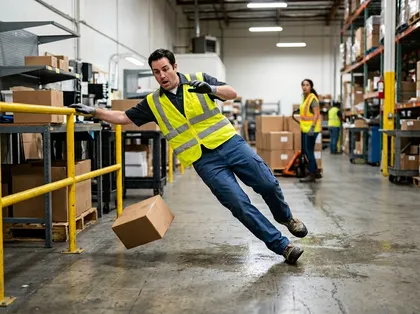
If you are hurt on the job in California, workers’ compensation may cover medical treatment that is reasonably needed for a work-related injury. You generally do not have to prove that your employer was at fault. Your employer also cannot legally retaliate against you for filing a workers’ compensation claim. If a third party caused your injury, such as another driver or an equipment manufacturer, you may also have a separate personal injury claim.
Do I Have To Give A Recorded Statement To The Other Driver’s Insurance?
Generally, you do not have to provide a recorded statement to the other driver’s insurance company just because it asks. You can ask to communicate in writing instead. Your own insurer may have different requirements under your policy, so review your policy and ask questions if you are unsure about your obligations.
Does Not Wearing A Helmet Prevent Me From Getting Compensation?
Not wearing a helmet does not automatically prevent you from seeking compensation. California requires motorcycle riders and passengers to wear helmets, while the state’s general bicycle helmet law applies to riders under age 18.
If you were not wearing a helmet, the other side may argue that a helmet could have prevented or reduced certain injuries. Whether that affects your recovery depends on the type of accident, your injuries, and the available evidence.
Can I Still File A Claim If The Police Did Not Come To The Scene?
Yes. A police report is helpful, but you do not need one to file a claim. If officers did not respond, gather your own evidence right away. Take photos of the:
- Vehicles involved
- Your visible injuries (if any)
- Surrounding area
Get the other party’s contact and insurance details, and collect statements from any witnesses. If you were a driver involved in the crash, you must file an SR-1 with the California DMV within 10 days if someone was injured or killed, or if property damage was more than $1,000. This requirement is separate from any police or insurance report.
What Happens If The Other Driver Denies Fault After An Accident?
If the other driver says the crash was your fault, your claim is not over. California follows a comparative fault system, so responsibility may be divided among the people who contributed to the accident.
You can back up your case with photos from the scene, witness statements, traffic camera footage, and the accident report, if it was filed. An accident attorney can investigate the crash and gather available evidence about fault.
Fault disputes are common, and what the other driver says at the scene does not decide your claim. What the other driver says at the scene does not, by itself, determine who is legally responsible.
Protect Your Rights After An Accident
California law gives most accident victims two years to file a personal injury claim. Physical evidence degrades and witness memories fade long before that deadline. The sooner you act, the better your chances of preserving critical evidence and protecting your claim.
Arash Law handles every personal injury case on a contingency fee basis. That means you pay nothing up front. You also don’t have to pay attorney’s fees unless we recover compensation on your behalf. Call us at (888) 488-1391 to schedule an initial consultation. Our accident lawyers can review your situation and explain your options.