TL;DR: Lower-extremity injuries, including leg, knee, ankle, hip, and pelvic injuries, are the most common injuries in pedestrian crashes. They often happen because a vehicle’s bumper or front end strikes the pedestrian’s lower body first. The impact may then throw the person onto the hood, windshield, or pavement. Victims may also sustain head, spine, chest, and internal injuries.
Highlights:
- Seek emergency medical care immediately after a pedestrian crash, even if you feel fine, since adrenaline masks serious injuries and hidden damage only appears on scans.
- Build a complete medical record with continuous treatment history to protect your claim, as insurers may scrutinize gaps between the accident and your first visit
- Understand California’s pure comparative negligence rule: you can recover damages even if partially at fault, with compensation reduced only by your percentage of blame
- Know your filing deadline: six months for government agencies under Government Code § 911.2, or two years for private drivers under CCP § 335.1.
- Let an attorney handle communications to protect your potential compensation from blame-shifting tactics.
- Document everything, including police reports, witness information, and surveillance camera footage location, since evidence such as footage can be overwritten within days
Tip: Stick to factual statements about what happened and avoid speculating about injuries or accepting liability during early conversations with insurers or the other driver’s representatives.
Table of Contents
The most common injuries pedestrians suffer are injuries to the legs and lower body. These often include damage to the knees, ankles, hips, pelvis, muscles, ligaments, nerves, and bones. These injuries are common because a vehicle’s bumper or front end usually strikes the pedestrian’s lower body first. A vehicle’s weight hits an unprotected person with direct, heavy force.
Pedestrians have no seat belts, no airbags, and no steel frames. Even a slow vehicle can strike with a force that the human body cannot absorb. Injuries range from broken bones to brain damage, and the effects can last for years. The impact may then throw the pedestrian onto the hood, windshield, or pavement, causing additional injuries to other parts of the body.
California law gives injured pedestrians the right to pursue compensation from the driver who caused the crash. What is recoverable depends on the facts of your case. Medical bills, lost income, and rehab costs can all be part of a claim.
The Most Common Injuries For Pedestrians
When a car hits a pedestrian, the impact often begins at the lower body, with the bumper striking the legs and forcing the body onto the hood, windshield, or pavement in less than a second. This sequence can cause the head and torso to strike hard surfaces after the initial leg impact. Without seat belts, airbags, or a vehicle frame for protection, pedestrians absorb the full force of the crash, which helps explain why the Insurance Institute for Highway Safety (IIHS) identifies serious head, pelvis, and leg injuries as common in these incidents.
In 2024, the National Highway Traffic Safety Administration (NHTSA) reported that 7,080 pedestrians were killed and more than 71,000 were injured in U.S. traffic crashes. These crashes often result in severe injuries because the body is exposed to multiple points of impact during the collision.
Vehicle safety technology may reduce some of these crashes, but it does not eliminate the risk. A study by the IIHS found that vehicles with pedestrian-detection automatic emergency braking were associated with a 25% to 27% lower pedestrian crash risk and a 29% to 30% lower pedestrian injury crash risk. However, the IIHS noted that these systems were less effective in dark conditions without street lighting, at speed limits of 50 mph or higher, or when the AEB-equipped vehicle was turning.
Common pedestrian injuries include:
- Lower-extremity Injuries: Injuries to the legs, knees, ankles, hips, and pelvis. They are common because the vehicle often hits the lower body first.
- Bone Fractures: Pedestrians may suffer broken legs, ankles, hips, pelvises, arms, ribs, or facial bones. Serious breaks may require surgery, rods, plates, or screws.
- Traumatic Brain Injuries: A pedestrian can suffer a brain injury after hitting the hood, windshield, pavement, or from the violent motion of the crash.
- Spinal Cord Injuries: The impact or fall can fracture vertebrae or damage the spinal cord. Severe cases may cause partial or complete paralysis.
- Internal Injuries: The crash can damage organs such as the spleen, liver, lungs, or kidneys. Internal bleeding may not cause symptoms right away.
- Soft Tissue Injuries: Ligament tears, tendon injuries, muscle damage, deep bruising, and nerve injuries can cause long-term pain and limited movement.
The full severity of these injuries is often not apparent from visible signs alone. If you or a loved one was hit by a car, talking to an attorney early can help protect your rights.
Why Immediate Medical Care Protects Your Claim
When a car strikes a pedestrian, your body floods with adrenaline. That surge can mask severe pain for hours or even days. Serious internal injuries may not cause any pain right away. You could feel fine at the scene and still have a serious injury that is only getting worse.
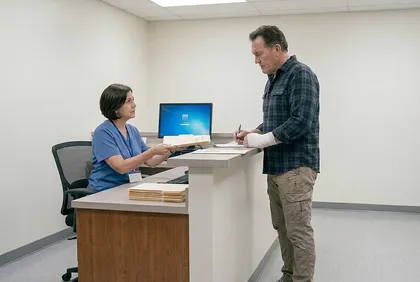
Do not wait to seek medical care. Visit an emergency room, urgent care clinic, or chiropractor as soon as possible after the crash. Some injuries, including spinal damage, soft tissue injuries, and internal bleeding, may not cause immediate symptoms. A medical evaluation helps detect those injuries early and ensures you receive the treatment you need.
It also strengthens your legal claim by creating medical records that:
- Connect your injuries directly to the crash.
- Document every examination, scan, diagnosis, and treatment.
- Provide evidence that supports your compensation claim.
Without medical records, proving that the accident caused your injuries becomes much harder.
Insurance adjusters closely review your treatment history. Delays in seeking care allow them to argue that:
- Your injuries existed before the accident.
- Something else caused your injuries.
- Your injuries were not as serious as you claim.
A clear and consistent treatment history helps counter those arguments. It documents the full extent of your injuries and provides the foundation for calculating the value of your claim.
Why The Severity Of Your Injury Matters In A Pedestrian Accident Claim
The severity of your injury plays a major role in your pedestrian accident claim. More serious injuries usually lead to higher medical costs, longer recovery times, and more significant changes to your daily life. Insurance companies review your injuries to estimate how much your claim may be worth. They look at more than your medical bills. They consider the following:
- The type of your injury.
- How long your treatment lasts.
- Whether you missed work.
- Whether your injuries limit your daily activities.
- Whether you are expected to make a full recovery.
Insurance companies usually place greater value on injuries with lasting effects than on those that heal completely. For example:
- Temporary Injuries:
- Heal with treatment over weeks or months.
- Do not prevent you from returning to your normal activities.
- Permanent Injuries:
- Cause lasting pain or disability.
- May require future medical care.
- May reduce your ability to work or enjoy daily life.
What Evidence Proves Your Pedestrian Accident Injury
Medical records help prove what injuries you suffered, what treatment you needed, and how the crash affected your daily life.
Helpful medical evidence includes:
- Emergency room and hospital records.
- X-rays, CT scans, and MRI results.
- Doctor’s notes and diagnoses.
- Physical therapy records.
- Medical bills and treatment costs.
- Statements about future medical care or permanent limitations.
Strong medical evidence helps establish a connection between your injuries and the pedestrian accident. It gives insurers a clearer picture of your losses. It also helps support the compensation you seek for your medical expenses, lost income, pain, and other damages.
Are The Rules Different If A Child Was Hit?
Yes. Drivers must use extra care around schools and children. California school-zone speed rules depend on posted signs, local ordinances, and several Vehicle Code sections:
- Vehicle Code § 22352 sets default speed rules for certain areas, including school zones. It generally establishes a 25 mph speed limit in school zones when children are present or when the appropriate signs are posted.
- Vehicle Code § 22352.5 allows local agencies to adopt 20 mph school-zone limits before the statewide 20 mph rule takes effect in 2031.
- Vehicle Code § 22358.4 allows local agencies to set lower school-zone limits, including 15 mph in certain school zones and 25 mph when approaching a school zone, if the proper signs are posted.
These rules matter in pedestrian accident cases because a driver’s speed near a school can help show whether the driver used reasonable care.
Another difference is that the fault rules are different when the injured pedestrian is a child. Under California Civil Jury Instructions (CACI) No. 402, California courts judge a child’s conduct based on what a reasonably careful child of the same age, intelligence, knowledge, and experience would do in the same situation. Children under five generally cannot be found negligent. For older children, the court considers the child’s age and maturity rather than holding them to the same standard as an adult.
What Compensation Can Injured Pedestrians Recover?
A pedestrian accident can leave you with more than physical injuries. You may face expensive medical treatment, time away from work, and lasting pain that affects your daily life. California law allows injured pedestrians to seek compensation when another person’s negligence caused the crash.
Under Civil Code § 3333, injured victims may recover money for losses caused by the wrongful act. These losses may include medical bills, lost income, future care, pain, emotional distress, and other proven damages.
These damages generally fall into two categories:
- Economic Damages: Out-of-pocket financial losses. They cover:
- Past and future medical bills.
- Lost wages & reduced earning capacity.
- Costs for home changes or in-home care for lasting injuries.
- Non-Economic Damages: These cover harm that has no price tag, including:
- Physical pain.
- Emotional trauma.
- Post-traumatic stress disorder (PTSD).
- Loss of enjoyment of life.
In ordinary California pedestrian accident cases, there is generally no fixed cap on non-economic damages. However, the amount must be supported by evidence, and different rules may apply in special cases. A lawyer can explain how California damages law applies to your claim.
Pedestrian accident lawyers can help identify every loss the accident caused. They gather medical records, employment records, and other evidence to support your claim. They also work with medical and financial experts when needed to calculate future losses. That way, your claim reflects both your current and long-term damages.
What Should You Do After Suffering A Pedestrian Injury?
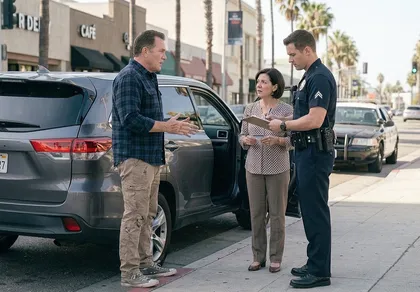
The steps you take after a pedestrian accident can affect both your health and your claim. Getting medical care and protecting important evidence early helps show how the accident happened and how it affected you. Acting quickly also makes it easier to prove your losses later.
After a pedestrian injury, take the following steps:
- Seek medical treatment right away. Some injuries may not show symptoms right away, even if you feel fine. A medical exam creates records that connect your injuries to the accident.
- Follow your treatment plan. Attend follow-up appointments, take your medications, and complete any recommended therapy. Treatment gaps may give the insurance company grounds to question your injuries.
- Preserve evidence. Keep anything related to the accident, including:
- Photos of the accident scene and your injuries.
- Contact information for witnesses.
- The police report, if one was prepared.
- Damaged clothing, shoes, or personal belongings.
- Avoid discussing the accident with insurance companies. Do not give a recorded statement or accept a settlement before you understand the full extent of your injuries.
- Keep records of your losses. Save copies of:
- Medical bills and receipts.
- Prescription and treatment costs.
- Pay stubs that show lost wages.
- Receipts for other accident-related expenses.
You should also report the crash when required. If police respond, ask how to get the report number. If no officer responds, document the date, time, location, driver information, witness names, and nearby cameras as soon as possible.
If the crash involved an unidentified hit-and-run driver, and you may use uninsured motorist coverage, California Insurance Code § 11580.2 may require a police report within 24 hours and a sworn statement to your insurer within 30 days.
If you need a personal injury lawyer after a pedestrian accident, speaking with one early is beneficial. They can help preserve evidence, protect your rights, and pursue fair compensation.
When Should You Speak With A Lawyer Who Handles Pedestrian Accidents?
Speaking with a pedestrian accident lawyer early helps protect your rights and strengthen your claim. A lawyer gathers evidence, handles the insurance company, and works to recover compensation that reflects the full impact of your injuries.
Legal guidance is especially important if:
- You suffered serious or permanent injuries.
- The parties dispute who caused the accident.
- The insurance company denies or undervalues your claim.
- More than one party may be responsible.
- A government entity is involved.
Strong legal representation helps present a well-supported claim. That puts you in a better position to pursue full compensation under the law. While every case is different, the following pedestrian accident case results from Arash Law show the amounts recovered in cases involving severe injuries:
- $12,000,000 recovered for a 74-year-old pedestrian who suffered severe injuries after a vehicle struck her while she crossed the street.
- $10,000,000 recovered for a client who suffered serious injuries after a speeding vehicle ran over him.
- $5,000,000 recovered for a pedestrian who suffered a mild traumatic brain injury after a truck struck him in a crosswalk.
Frequently Asked Questions About Pedestrian Accident Injuries
Pedestrian accidents often leave victims with difficult legal questions. The answers depend on your specific circumstances: who was at fault, who was driving, and what coverage is available. Knowing how California law handles these situations helps you protect your rights from the start.
Can I Recover Compensation If I Was Jaywalking?
You may still be able to recover compensation, depending on the facts of your case. California follows a pure comparative fault rule. Your share of the blame reduces your damages, but you can still recover some of your losses. If a court or adjuster finds you 30% at fault, it may reduce your recoverable compensation by that same percentage.
It also matters that California’s Freedom to Walk Act (AB 2147) took effect on January 1, 2023. Under this law, officers can only cite a pedestrian for crossing outside a crosswalk when a careful person would see a clear, immediate risk of harm. This law signals a move away from treating jaywalking as automatically negligent, which means failing to use reasonable care.
Will The Driver’s Insurance Automatically Pay My Medical Bills?
No. The driver’s insurer does not send payments to your doctors as treatment happens. If the case settles and fault is determined, the insurer typically pays a lump sum. Until then, you need another way to cover the cost of care.
Your health insurance can pay for treatment up front, with those costs addressed at settlement. If you do not have health insurance, many doctors will treat you under a medical lien. That means the doctor waits to be paid until your case resolves.
What If The Driver Who Hit Me Fled The Scene?
Your own uninsured motorist (UM) coverage is one potential source of recovery in a hit-and-run case. UM coverage pays you when the driver who caused harm cannot be found or has no insurance. Under California Insurance Code §11580.2, UM coverage can apply if you meet three conditions:
- Actual physical contact between you and the vehicle.
- A police report filed within 24 hours.
- A sworn statement sent to your insurer within 30 days.
Missing any of these steps can end your UM claim. Because these deadlines are strict, it is critical to act quickly to report the incident to the police and notify your insurer to preserve your UM claim.
Injured As A Pedestrian? Talk To Lawyers At Arash Law Today
A pedestrian accident can leave you with serious injuries, growing medical bills, and questions about what to do next. California law gives you a limited time to file a claim. Waiting too long can make it harder to preserve evidence and locate witnesses.
If you are searching for free advice from a pedestrian accident lawyer online, remember that general information cannot account for the facts of your case. Speaking directly with a lawyer provides guidance tailored to your injuries, the available evidence, and your legal options.
Arash Law offers free initial consultations for injured pedestrians. Also known as AK Law, our firm can review your case, answer your questions, and explain the next steps. We work on a contingency fee basis. So, if you ask, “Do lawyers only get paid if they win?” The answer is yes. You pay nothing unless we recover compensation for you.
Call (888) 488-1391 today to schedule your free case review.