TL;DR: After a fender bender in California, stop, check for injuries, turn on your hazard lights, and move to safety when possible. Document the scene with photos, collect witness information, call the police when necessary, exchange driver information, and seek medical care if you have pain or other symptoms. Soft tissue injuries like whiplash can surface days later, and timely medical records may help connect your injuries to the crash.
Highlights:
- Call the police when appropriate and ask whether an officer will prepare a collision report.
- Exchange the other driver’s name, phone number, license plate, driver’s license number, and insurance details.
- Take photos of vehicle damage, road conditions, traffic signs, and any visible injuries at the scene.
- See a doctor even if you feel fine, as soft-tissue injuries can appear days later.
- Know California’s general lawsuit deadlines: 2 years for personal injury and 3 years for property damage.
Tip: Report the crash to your insurance company as soon as possible, and stick to the facts without admitting fault.
Table of Contents
After a fender bender, move to a safe location, check for injuries, document the scene, exchange information, and report the crash to your insurance company. Call the police if anyone is injured, the other driver is uncooperative, or the crash creates a safety hazard.
Fender benders happen every day on California freeways, highways, and local streets. Even a low-speed crash can cause hidden vehicle damage, delayed injuries, and disputes over insurance coverage or fault.
Knowing what to do after a fender bender is the first step toward protecting your health and your right to pursue compensation. California law may allow you to seek compensation when someone else’s actions cause an injury, property damage, or other covered losses.
Immediate Steps After A Fender Bender
The steps you take immediately after a fender bender can affect your ability to recover compensation. If another driver caused the crash, you may be able to pursue an insurance or property damage claim. If you were injured, you may also have a personal injury claim. Acting promptly helps preserve evidence and create a clear record of what happened.
Consider taking these steps:
- Stop and Check for Injuries: Stop and remain at the scene. Check yourself, your passengers, and the other people involved for injuries. Call 911 if anyone appears to need emergency medical care.
- Move to Safety: Turn on your hazard lights and move your vehicle out of traffic when it is safe and practical to do so. Avoid standing in an active lane or between damaged vehicles. If the car cannot be moved safely, contact law enforcement or a towing service.
- Exchange Information: Get the other driver’s name, phone number, license plate, driver’s license information, vehicle registration, and insurance details.
-
Document the Scene: Take wide and close-up photos of both vehicles and road conditions. Consider capturing:
- Both vehicles from multiple angles, including all four corners.
- Close-up photos of every area of visible damage.
- Both license plates.
- Vehicle identification numbers (VINs) (if visible through the windshields).
- The surrounding roadway, including street signs or landmarks that identify the location.
- Skid marks, debris, fluid, or other physical evidence on the road.
- Any visible injuries.
- Speak With Witnesses: Ask witnesses for their names, phone numbers, and email addresses. If they agree, record a brief statement about what they saw, including where they were standing, how the crash happened, and which vehicle moved first. Keep their contact information with your other accident records.
- Seek Medical Care: Consider seeing a doctor even if you feel fine right after the crash. Some injuries, such as whiplash or other soft tissue damage, can take hours or days to appear, and prompt medical care creates a record connecting any later symptoms to the collision.
- Preserve Available Video: Save dashcam footage and note nearby homes, businesses, parking facilities, or cameras that may have recorded the collision. Some footage may be deleted or overwritten over time.
-
Call the Police When Appropriate: Contact law enforcement if:
- Someone is injured.
- A driver seems impaired.
- The parties disagree about what happened.
- The other driver won’t share information.
- The crash causes a traffic hazard.
An officer’s report may document the scene and the people involved, but it does not necessarily determine civil fault.
Steps To Take In The Days After A Fender Bender
 Some damage, symptoms, and claim issues may become clearer after you leave the scene. The following steps may help you document your losses and protect your options.
- Notify Your Insurance Company: Report the collision within the time required by your policy. Provide the facts you know, but avoid guessing about details you are unsure of.
- Monitor Your Health: Pay attention to pain, headaches, dizziness, numbness, stiffness, confusion, or other symptoms. Consider seeing a doctor or a chiropractor if symptoms persist or worsen. Possible injuries after a low-speed crash may include whiplash, muscle strain, concussion, and lower back pain.
- Have the Vehicle Inspected: Ask a qualified repair shop to inspect the car, even if the exterior damage appears minor. A low-speed impact may affect bumper supports, sensors, cameras, alignment, suspension parts, lights, or other systems.
- Avoid Driving an Unsafe Vehicle: If you see fluid leaks, steering issues, tire damage, warning lights, loose parts, or damaged lights, arrange a tow.
- Preserve Damaged Property: Take photos of the damage. Wait for any inspections before fixing, selling, or disposing of important items.
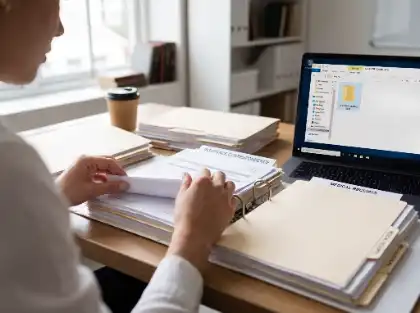
- Keep a Claim File: Store photographs, repair estimates, medical bills, towing bills, rental costs, prescription receipts, proof of missed work, insurance letters, and claim numbers.
Do I Have To Report A Fender Bender To The Authorities?
You may have to report a fender bender to the DMV, police, CHP, and your insurance company, depending on whether anyone was injured or killed and how much property damage occurred.
- Injury or Death: If anyone was injured or killed, each driver generally must submit Form SR-1 to the California DMV within 10 days. California Vehicle Code § 20008 also generally requires a written report to the police or CHP within 24 hours.
- Property Damage Exceeding $1,000: If the crash caused more than $1,000 in property damage, each driver generally must submit Form SR-1 to the DMV within 10 days, regardless of who caused the accident.
A police or insurance report does not replace Form SR-1. You can submit the form online through the DMV’s official accident-reporting system.
Not every fender bender requires an officer at the scene. If officers respond, ask for the report number and instructions on how to obtain a copy. If no officer arrives, contact the appropriate police department or CHP office to find out how to submit a report.
Your insurance policy may require you to report an accident promptly, even if the damage appears minor. A fender bender lawyer can handle communication with the insurance company so you can focus on your recovery.
Mistakes To Avoid After A Fender Bender
After a minor car accident, some actions can complicate an insurance claim or make it harder to document what happened. Avoid these common mistakes:
- Admitting fault or speculating about the crash. Avoid apologizing, blaming the other driver, or guessing about speed, visibility, or who had the right of way. An apology does not automatically establish legal liability in California, but an insurer may consider your statements with the other evidence.
- Leaving before gathering information. The other driver may say they are late or suggest exchanging phone numbers and leaving. Take enough time to collect insurance details, identifying information, photographs, and witness contacts.
- Accepting cash or an early settlement too quickly. Vehicle damage and injuries may be more serious than they first appear. Wait until you understand the cost of repairs, medical treatment, missed work, and other losses before agreeing that the matter is fully resolved.
- Giving a recorded statement without legal guidance. Consider speaking with an attorney before giving a recorded statement to the other driver’s insurance company. An adjuster may ask about fault, injuries, and damages, and early statements may later be used to challenge your account or the value of your claim.
- Posting about the accident on social media. Photos, comments, or statements about feeling “fine” may later be reviewed and used to question your injuries or version of events.
How Does Liability Work In A California Fender Bender
California has a fault-based system. This means a driver who causes a crash may be responsible for the resulting injuries and property damage. However, to seek a recovery, you must prove that the other party’s negligence caused the fender bender.
The evidence you gather after the minor crash may help show that:
- The other party owed you a duty to use reasonable care.
- The other party failed to use reasonable care.
- That conduct contributed to the collision.
- You suffered an injury, property damage, or another compensable loss.
Liability for a fender bender may fall on one driver or involve other responsible parties. For example, a defective brake, a failed tire, a negligent repair, an unsafe road condition, a pedestrian, a cyclist, an animal, or a sudden roadway obstruction may contribute to the crash.
Determining fault can become more complicated when factors other than driver error are involved. A car accident lawyer can review vehicle records, repair history, road conditions, video footage, and witness statements to identify everyone who may be responsible.
What Happens If I Was Partly At Fault For My Accident?
If you were partly at fault in your accident, California uses a rule called “pure comparative negligence.” Under this rule, being partly at fault does not stop you from seeking compensation; it may only reduce what you can recover.
If you are found 10% at fault, the compensation you can recover would generally be reduced by 10%. For example, if your losses came to $10,000, the most you could recover might drop to $9,000.
Once you know who may have caused the minor accident, you can seek compensation for documented injuries or property damage. Keep records of losses that may include:
- Medical expenses
- Lost wages
- Replacement or repair of your vehicle
- Pain and suffering
- Loss of enjoyment of life
- Towing and rental-car expenses
Understanding California Filing Deadlines For Fender Benders
California law sets strict deadlines for taking legal action after a fender bender. Knowing these deadlines can help you decide how quickly to gather records, resolve an insurance claim, or seek legal advice.
- Personal Injury Deadline: Under California Code of Civil Procedure (CCP) § 335.1, you generally have two years from the date of the crash to file a personal injury lawsuit. This deadline may be shorter if a government entity is involved.
- Property Damage Deadline: Under CCP § 338, you have three years from the date of the crash to file a property damage lawsuit.
- Government Claim: Under California Government Code § 911.2, if a government-owned vehicle caused your accident, you have six months to file an administrative claim against the agency that owns the vehicle.
Missing a deadline may prevent you from recovering compensation through a lawsuit, even if another party was at fault. Other exceptions or deadlines may apply depending on the facts.
A fender bender counts as an accident, even when the damage initially appears minor. The steps you take afterward can help clarify whether the crash resulted only in vehicle damage or also supports a personal injury claim.
Frequently Asked Questions About Fender Benders
Fender benders raise many questions about what to do, who pays, and whether to involve a lawyer. The answers below address the most common concerns that arise after minor crashes in California. Whether you are dealing with paperwork, a cash offer from the other driver, or soreness that appeared a day later, knowing the right answer now can protect you later.
Do I Need A Police Report For A Minor Scratch?
No, California does not require a police report for every minor scratch. However, a report may help document the parties, the location, and an officer’s observations if a dispute arises later.
An officer may not respond when no one is injured and both vehicles are drivable. In that situation, exchange information, photograph the damage, collect witness details, and ask the appropriate law enforcement agency whether you can submit a report.
Should I Move My Car Out Of Traffic After A Fender Bender?
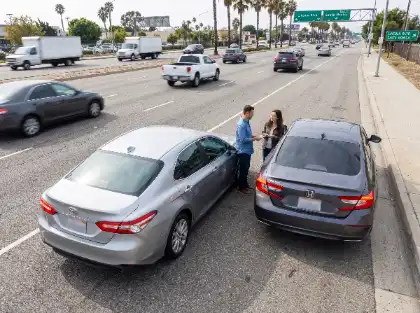 Yes, move your car out of traffic when it is safe and practical to do so. Turn on your hazard lights and pull onto the shoulder or into a nearby parking area.
California Vehicle Code § 20002 requires drivers involved in a property-damage collision to stop without unnecessarily blocking traffic and, when practical, move to a safer location. If your vehicle is unsafe to drive, stay out of active traffic when possible and call law enforcement or a towing service.
What Should I Do If Hidden Damage Appears Later?
Contact your insurer and arrange for a qualified vehicle inspection. Take new photographs and save repair estimates, diagnostic reports, invoices, and related receipts. A bumper that appears to have only cosmetic damage may also have problems involving its supports, sensors, cameras, alignment, or other components.
Does A Fender Bender Count As An Accident On My Record?
Yes, a fender bender may appear on your California driving record if it meets the DMV’s reporting requirements. The collision may appear regardless of who was at fault. Whether the crash leads to a point or affects your insurance may depend on the findings and circumstances. Complete any required reports accurately and keep copies for your records.
What If The Other Driver Offers To Pay Cash Instead Of Using Insurance?
You may consider a cash payment, but first collect the other driver’s identifying and insurance information and determine the full extent of your damage and injuries.
An informal payment may not cover hidden vehicle damage, delayed symptoms, medical expenses, or other losses. Do not sign a release or agree that the matter is fully resolved until you understand what the payment covers.
Get Help From Arash Law After A Fender Bender In California
Even a minor accident can have difficult consequences for the victim. If you were involved in a fender bender and are wondering, “Do I need a personal injury lawyer?” Arash Law is ready to help you.
Our fender bender lawyers can track filing deadlines, manage communication with insurance companies, and present key evidence.
Arash Law, also known as AK Law, handles every personal injury case on a contingency fee basis. You pay no attorney’s fees unless we recover compensation for you. Call us at (888) 488-1391 to get started.