TL;DR: Drunk driving accident settlements may be higher because these crashes often cause serious injuries, DUI evidence can make fault easier to prove, and the driver may face punitive damages for conscious disregard of others’ safety. However, a higher settlement is not automatic. The amount still depends on the victim’s losses, available insurance, evidence, shared fault, and the driver’s collectible assets.
Highlights:
- Punitive damages may be available when an impaired driver acted with conscious disregard for the safety of others.
- Seek prompt medical care and follow the recommended treatment plan to protect your health and document your injuries.
- Keep medical records, photographs, receipts, and a pain journal to show the extent of your losses.
- Preserve police reports, DUI investigation records, BAC results, witness information, and available video evidence.
- Identify all potential sources of compensation, including the driver, vehicle owner, employer, certain alcohol providers, and applicable UM/UIM coverage.
- Evaluate how insurance limits and the severity of your injuries may affect the settlement value.
- Determine whether a third-party claim is possible if the driver lacks coverage. Review your policy if UM/UIM coverage is available.
- Identify other liable parties early, such as an owner, employer, or business that served an obviously intoxicated minor.
- Present a government claim within six months when a public entity or employee may be liable.
Tip: Document your medical expenses, lost income, pain, and other accident-related losses as thoroughly as possible.
Table of Contents
Drunk driving accident settlements may be higher than in ordinary negligence cases because DUI crashes can involve severe injuries, strong evidence of unlawful conduct, and possible punitive damages. Police reports, witness statements, and breath or blood test results may strengthen the injured person’s claim by reducing disputes over whether the driver acted negligently.
Punitive damages may also increase the driver’s potential exposure when clear and convincing evidence shows malice. That includes despicable conduct carried on with a willful and conscious disregard for others’ safety. However, DUI involvement does not automatically produce a higher settlement. The final amount depends on the severity of the injuries, financial and nonfinancial losses, insurance limits, available coverage, liability disputes, and collectible assets.
Factors That May Affect DUI Settlements
Insurance companies price a settlement offer based on what they think a case is worth at trial. DUI facts change that math. Liability supported by a police investigation, BAC results, and a possible negligence per se presumption may strengthen a case. However, the injured person must still establish that the driver’s conduct caused the crash and resulting harm.
Potential punitive damages may still affect settlement negotiations. The driver’s liability insurer generally does not pay punitive damages imposed for the driver’s own misconduct. Strong evidence supporting punitive damages may expose the driver to additional personal liability.
Strong DUI evidence may reduce disputes over whether the driver violated a safety law and may support a punitive damages claim. However, settlement value still depends on causation, compensatory damages, policy limits, available defenses, other coverage, and collectible assets.
Aggravating facts may push this further. A high BAC, a prior DUI conviction, refusal of a chemical test, or fleeing the scene may strengthen the argument that the driver acted with conscious disregard for others’ safety. That can increase both the risk of punitive damages and the insurer’s incentive to settle rather than litigate.
Punitive Damages May Be Involved
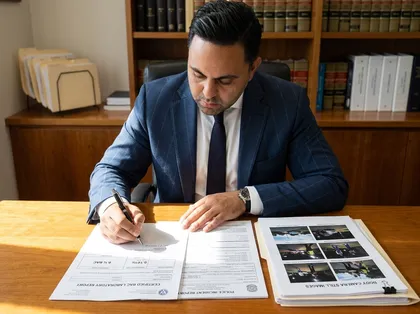
In a DUI crash, a court may also order the drunk driver to pay punitive damages, but they are not automatic. Punitive damages are extra money courts can order to punish the wrongdoer and discourage similar conduct. Most accident claims focus on compensation for losses such as medical bills, lost income, and pain and suffering.
California law allows punitive damages when clear and convincing evidence shows malice, oppression, or fraud. In a DUI case, this may apply when the driver knowingly ignored a serious risk to others. In Taylor v. Superior Court, the California Supreme Court ruled that drunk driving may support punitive damages when the facts show conscious disregard for others’ safety.
California generally does not set a fixed dollar cap on punitive damages in personal injury cases. However, courts may reduce an unreasonably high award. They consider factors such as:
- How serious the driver’s conduct was.
- How the victim’s other damages compare with the award.
- The penalties imposed for similar conduct.
Serious Injuries May Lead To Higher Pain And Suffering Damages
DUI crashes that cause catastrophic or permanent injuries may result in substantial non-economic damages because of the severity and lasting effects of the victim’s harm. When a victim suffers life-altering harm such as a traumatic brain injury, spinal cord damage, paralysis, amputation, organ damage, severe fractures, burns, or other permanent disabilities, the impact goes far beyond medical bills and lost wages.
In California, pain and suffering damages in DUI accidents can vary. They depend on how severe the crash was, how badly you were injured, and the emotional impact on your life. You may experience:
- Chronic physical pain.
- Anxiety.
- Depression.
- Post-traumatic stress disorder (PTSD).
- Sleep disturbances.
- A lasting fear of driving.
The emotional effects of a crash vary from person to person. Some victims may experience added distress after learning that the collision involved an intoxicated driver.
To pursue compensation for pain and suffering, it is important to present evidence showing how the crash has affected your daily life. Helpful evidence may include:
- Medical records documenting your physical injuries and ongoing treatment.
- Mental health records from psychologists, psychiatrists, or counselors diagnosing conditions such as PTSD, anxiety, or depression.
- Testimony from your treating physicians or mental health professionals regarding your pain, prognosis, and emotional distress.
- Prescription records for pain medication, antidepressants, or other treatment related to your injuries.
- Photographs showing your injuries and the progression of your recovery.
- A personal journal describing your daily pain levels, emotional struggles, sleep problems, and limitations on work or recreational activities.
- Statements from family members, friends, or coworkers describing changes in your mood, personality, physical abilities, or quality of life.
Seeking medical care after the crash helps build medical records documenting your injuries and treatment. Drunk driving accident victim lawyers can use those records, along with other evidence, to show how the injuries affected your life. You don’t need to show the driver was drunk to get damages from the crash. As long as other evidence proves fault, causation, and your losses, you can recover. To seek punitive damages for drunk driving, you need clear proof of malice.
If a DUI crash results in death, certain surviving family members may pursue a wrongful death claim. Recoverable losses may include funeral and burial expenses, lost financial support, lost household services, and the loss of the person’s companionship, care, and guidance. A wrongful death claim is separate from any claim brought by the person’s estate.
The Criminal Case Supports The Civil One
A DUI investigation can provide strong evidence for a civil injury claim. Police may document the driver’s behavior, collect witness statements, and obtain breath or blood test results. A DUI conviction and evidence gathered during the criminal case may help show that the driver violated a safety law, but a criminal charge alone does not prove liability.
Here are some key legal aspects about drunk driving accidents in California:
- California Vehicle Code § 23152 makes it illegal to drive while under the influence of alcohol. It also bans driving with a blood alcohol concentration of 0.08% or higher. Still, a driver may still be convicted of DUI with a BAC below 0.08% if the evidence shows that alcohol impaired their ability to drive safely.
- Vehicle Code § 23153 applies when an impaired driver, or a driver over the applicable BAC limit, also commits an unlawful act or neglects a legal duty and causes bodily injury to another person.
- A proven DUI-law violation may create a rebuttable presumption of negligence under Evidence Code § 669 when all of the law’s requirements are met.
The criminal case does not prove the entire civil claim. The injured person must still show that the driver caused the crash and that the crash caused real losses, such as medical bills, lost income, or pain and suffering.
The Burden Of Proof Is Lower In A Civil Case
A criminal case requires proof beyond a reasonable doubt. A basic civil negligence claim generally requires proof that the claim is more likely true than not. With that said, punitive damages require clear and convincing evidence, which is a higher standard than ordinary negligence but lower than the criminal standard.
Evidence may become harder to obtain over time. Witnesses may forget details, private video may be overwritten, and records may be destroyed under retention policies. Promptly preserving evidence can help protect a civil claim.
Finding More Insurance Coverage Through Third Parties
DUI crash damages may exceed what a drunk driver’s policy covers. Depending on the facts, other parties may also be responsible.
- Vehicle Owner Liability: When someone drives a vehicle with the owner’s permission, Vehicle Code § 17151 generally limits statutory permissive-use liability to:
- $15,000 for injury or death to one person.
- $30,000 for injury or death to more than one person.
- $5,000 for property damage.
A different limit may apply if the owner is independently liable, such as under a properly supported negligent-entrustment claim.
- Employer Liability: An employer may be liable when the driver caused the crash while acting within the scope of employment.
- Establishments That Served a Minor: Alcohol sellers generally are not liable for injuries resulting from furnishing alcohol to adults. However, under Business and Professions Code § 25602.1, a covered seller may be liable for furnishing alcohol to an obviously intoxicated minor when the furnishing proximately causes injury or death.
A Key Limitation: Insurance Policy Limits
A higher potential settlement value doesn’t always mean a higher actual payout. DUI cases often carry more value on paper, through pain and suffering, punitive damages, and stronger liability evidence. How much of that value you actually recover can depend on the insurance available to cover it. Understanding these limits is an important part of setting realistic expectations, not a contradiction of the case’s strength.
California requires drivers to carry minimum liability coverage:
- $30,000 per person.
- $60,000 per accident for injury.
- $15,000 for property damage.
California’s general minimum insurance requirements increased to $30,000/$60,000/$15,000 in 2025. However, the permissive-use owner liability cap under Vehicle Code § 17151 has not been amended to match, and currently remains at $15,000/$30,000/$5,000.
Even when the evidence clearly shows that the drunk driver caused serious harm, the driver’s policy may not be large enough to cover all losses.
Punitive damages are generally paid by the drunk driver rather than the driver’s insurer, so that recovery may depend on the driver’s assets.
Other possible sources of compensation may include:
- Uninsured or Underinsured Motorist Coverage: Your own UM or UIM coverage may provide additional compensation when the drunk driver has no insurance or insufficient liability limits. California law requires insurers to offer both UM and UIM coverage, though you can decline them in writing.
- Vehicle Owner Coverage: A separate policy may apply if someone else owned the vehicle and gave the driver permission to use it.
- Employer Coverage: Commercial insurance may apply if the driver caused the crash while acting within the scope of employment.
- Other Responsible Parties: In limited cases, another person or business may share liability, such as a seller that furnished alcohol to an obviously intoxicated minor.
- Workers’ Compensation: If you were injured while performing job duties, workers’ compensation may cover medical care, partial lost wages, and disability benefits. You may also have a separate claim against the drunk driver or another responsible party.
Finding additional insurance coverage does not guarantee full compensation. Each policy has its own limits, exclusions, conditions, and coverage requirements. Even if you obtain a civil judgment that exceeds the available insurance coverage, recovering the unpaid amount may depend on:
- Other applicable coverage.
- Additional liable parties.
- The at-fault party’s nonexempt income and assets.
Medical liens or reimbursement claims may reduce the amount you ultimately keep from a settlement or judgment.
Proposition 213 may also affect your recovery if you owned or were driving an uninsured vehicle. In that situation, California law may prevent you from recovering pain and suffering damages. However, this restriction generally does not apply if the at-fault driver is convicted of DUI for the crash. You may still seek economic damages, including medical bills and lost income, even when Proposition 213 applies.
Identifying all available insurance and liable parties can help determine the amount of compensation that may realistically be recovered. If you don’t know what to do after a DUI accident, a lawyer can guide you through your options and possible next steps.
Immediate Steps After A Drunk Driving Accident
What you do in the minutes and hours after a drunk driving accident can directly affect both your health and the strength of any future claim. Make sure you are safe and get medical attention.
Actions you can take after an accident include:
- Call 911 and request police and medical assistance.
- Avoid confrontation with the impaired driver.
- Photograph the vehicles, roadway, injuries, debris, skid marks, traffic controls, and nearby businesses or cameras.
- Obtain names and contact information from witnesses.
- Exchange insurance and identification information without discussing fault.
- Tell responding officers about any observed signs of intoxication.
- Avoid social media posts about the crash or injuries.
Frequently Asked Questions About California DUI Accident Claims
A DUI crash raises questions most people have never had to face before. You may wonder what happens if the other driver had no insurance, whether your actions affect any compensation you may recover, or how long you have to act. Knowing the answers is the first step toward protecting your rights.
Is It Worth Suing A Drunk Driver?
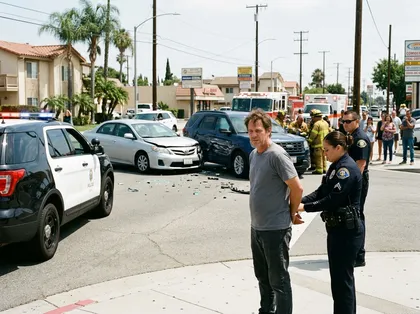
In California, it may be worth pursuing a claim against a drunk driver if you suffered serious injuries, lost income, lasting pain, or other major losses. However, filing a lawsuit may not be necessary if the insurance company offers fair compensation.
A lawsuit may be worthwhile when:
- The insurer denies liability or offers an inadequate amount.
- Your losses exceed the driver’s insurance limits, and other compensation may be available.
- The driver has assets that could help satisfy a judgment.
- Strong evidence may support punitive damages.
Ultimately, whether a lawsuit is worthwhile depends on the available insurance, collectible assets, damages, and strength of the evidence.
Does My Own Partial Fault Reduce My Drunk Driving Accident Settlement?
Yes, but it does not eliminate your right to seek compensation. California uses a rule called pure comparative negligence. Under this rule, your compensation is reduced by your share of fault. If you were found 10% at fault, your compensation could be reduced by 10%, meaning you might recover 90% of your total damages.
How Long Do I Have To File A Lawsuit Against A Drunk Driver In California?
Under California Code of Civil Procedure § 335.1, you generally have two years from the accident date to file a personal injury lawsuit. If the injured person is under 18, this deadline is usually paused until the child becomes an adult. However, this exception generally does not extend the deadline for claims involving a government entity.
If a government vehicle or employee caused the crash, Government Code § 911.2 generally requires an administrative claim within six months. This is a formal written notice to the responsible government agency. Missing an applicable deadline may prevent you from seeking compensation.
Victim Of A Drunk Driver In California? Consult Our Injury Lawyers
After a DUI crash, adjusters may contact you quickly with a settlement offer designed to close your case before you know what it is worth. If you retain our injury law firm, our attorneys can handle those negotiations so you can focus on healing.
Many people worry about the cost of hiring a lawyer. You may wonder: do lawyers only get paid if they win? At Arash Law, the answer is yes. You pay no attorney’s fees unless we recover compensation for you. There are no upfront costs to begin your case.
Our team at AK Law has years of experience handling personal injury claims involving drunk drivers and other types of accidents.
- $6 Million: Our client was involved in a head-on collision caused by a drunk driver on a two-lane highway, resulting in the death of his wife. Despite defense arguments against liability, we secured the full policy limits for our client.
- $8.8 Million: After being hit by a speeding company van driver, our client suffered severe injuries. Multiple key depositions shifted the case towards a life-changing outcome for our client.
- $5.25 Million: Our client became a paraplegic after being hit by an inattentive driver. We secured the maximum insurance payout and additional workers’ compensation benefits.
Disclaimer: Past case results do not guarantee future outcomes. Every case is unique and depends on its individual circumstances.
Call Arash Law at (888) 488-1391 for a free, confidential case evaluation. Our California drunk driving accident victim lawyers will listen to your story and explain your legal options at no cost to you.