TL;DR: Older adult fall cases can carry high value because injuries like hip fractures and brain trauma often require surgery, rehab, and long-term care. A fall can exacerbate an older adult’s existing health condition. Property owners may be liable if unsafe conditions caused the fall, but victims must act before California’s 2-year filing deadline expires.
Highlights:
- Get medical care right away and follow through with specialist referrals.
- Photograph the hazard, the surrounding area, the lighting, and your footwear immediately.
- Report the fall to the property owner and request a copy of the incident report.
- Collect witness names and contact details before people leave the scene.
- Have a lawyer send a spoliation letter for video, inspection, and cleaning logs.
- If it happened on public property, file the 6-month administrative claim.
- Track Medicare/Medi-Cal payments and document future care needs for lien resolution.
Tip: Write down a day-by-day symptom and expense timeline, and stick to facts when insurers ask questions.
Table of Contents
Older adult fall injuries can lead to high-value personal injury claims because they often cause severe, long-term medical harm, worsen existing conditions, and result in significant financial losses. These cases may involve hospital care, surgery, rehabilitation, and long-term support needs. California premises liability law allows injured individuals to pursue damages when a property owner fails to keep a space reasonably safe.
These claims often carry higher value than standard slip-and-fall cases because recovery is slower and complications are more common in older adults.
Data Transparency Note: California’s 2023 figures are CDPH EpiCenter counts of fall-related deaths, hospitalizations, and emergency-department visits among adults aged 65 and older; they should not be combined to yield a count of unique individuals. The $80 billion figure is a modeled national estimate of 2020 healthcare spending for non-fatal falls among community-dwelling older adults, published in 2024. The 88% figure for hip fractures is based on 2019 U.S. data reported in a 2023 study.
Catastrophic Injuries Due to Age-Related Vulnerabilities
As people age, their bones become weaker, and their balance and reflexes slow down. Conditions like osteoporosis weaken bones, and reduced muscle mass leaves little to cushion impact. For an 80-year-old, even a moderate fall can mean an emergency room visit and injuries.
A fall that leaves a younger person sore for a few days can leave an older adult in the hospital for weeks. That difference is not a coincidence. It comes from how aging changes the body, and it directly affects the value of a fall injury claim in California.
In 2023, the California Department of Public Health reported that falls among people 65 and older resulted in 317,582 emergency room visits, 114,427 hospital stays, and 2,521 deaths. According to a 2024 study by researchers from the Centers for Disease Control and Prevention (CDC), U.S. healthcare spending on non-fatal falls among older adults reached an estimated $80 billion in 2020, with projections indicating substantial increases as the population ages.
The two most serious outcomes in older adult falls are traumatic brain injuries (TBIs) and hip fractures. TBIs in seniors are more likely to cause death or lasting cognitive harm than in younger patients. Hip fractures in this age group nearly always need surgery and months of limited mobility.
What are the most serious injuries in older adult falls?
The most serious injuries include traumatic brain injuries and hip fractures. These injuries often require surgery, prolonged recovery, and long-term care. They also increase the risk of complications such as loss of mobility and reduced independence.
According to the Centers for Disease Control, 88% of emergency department visits and hospitalizations for hip fractures in 2019 were the result of falls.
These cases rarely resolve quickly. A hip fracture or TBI often starts a chain reaction: reduced mobility leads to muscle loss, which increases the risk of another fall and compounds the initial injury. The health consequences also extend beyond mobility.
Many older adults experience a decline in overall health that affects their heart, lungs, and mental well-being. Many never fully regain the independence they had before the accident.
Long-term recovery draws on many specialists. These may include orthopedic surgeons, neurologists, physical therapists, occupational therapists, and a chiropractor. Each works to rebuild strength and function, and recovery can take time, even with consistent care.
Aggravation Of Existing Conditions: The Eggshell Plaintiff Rule
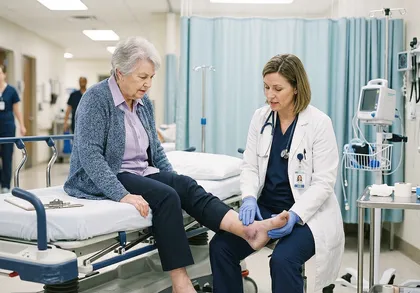
The “eggshell plaintiff” rule in California means a person who causes harm must take the injured person as they are. A pre-existing condition does not reduce or remove responsibility if the accident worsens it.
- Your age and medical history do not prevent a claim
- Conditions like arthritis or spinal stenosis still qualify for protection
- If the fall worsens a condition, that added harm is still recoverable
Courts can still hold a defendant responsible if their actions worsened an existing condition. The California Civil Jury Instructions explain that a defendant may be responsible for the full extent of harm they caused, even if the person was more fragile than average.
Insurance companies may argue that the injury resulted from age or prior conditions rather than the fall. Medical evidence is often used to show what changed after the accident and connect the worsening condition to the incident.
Long-Term Care Needs & Strong Documentation
Unlike younger victims who may make full recoveries, many seniors never regain their former mobility. This necessitates costly long-term care, such as in-home assistance, home modifications, or long-term rehabilitation. When supported by medical opinions and a credible life-care plan, reasonably necessary future expenses may represent a major part of the damages claim.
Falls involving older adults also frequently happen in settings with built-in record-keeping. These incidents may happen in nursing homes, assisted living facilities, hospitals, senior living communities, and retail or medical office settings. These facilities often generate:
- Incident reports
- Medical records
- Surveillance footage
- Staff witness statements
- Maintenance and inspection logs
Strong documentation makes it easier to establish what happened and who was responsible, thereby strengthening the claim’s value and reducing disputes over liability.
Calculating Compensation For Older Adult Fall Claims
Compensation in older adult fall claims is based on the difference between your condition before and after the fall. It includes medical care, recovery needs, and long-term impact on daily life.
Types of damages:
- Economic losses
- Medical bills (past and future)
- In-home care
- Home modifications like ramps or grab bars
- Non-economic losses
- Pain and suffering
- Loss of enjoyment of life
Key tools in valuing a claim:
- A life care plan outlines future medical needs and the expected cost of long-term care. It helps show what ongoing treatment, equipment, or support may be needed after a fall.
- Medical experts support these projections by explaining the injury’s long-term impact. They help connect medical findings to future care needs and recovery limits.
- Each part of the claim is documented in detail to support the full value of the losses being presented.
Long-term impact:
- Older adults often experience reduced mobility and a loss of independence after a serious fall. This can affect the ability to live safely without assistance.
- Daily life may change in many ways, including limits on travel, hobbies, and time spent with family or friends.
- When evaluating non-economic losses, juries consider age and life expectancy. This affects how they view the long-term impact of reduced independence and quality of life.
Proving Liability And Navigating Comparative Negligence In California
To recover damages, you must prove the property owner was legally responsible for your fall. California law requires property owners to keep their premises reasonably safe and fix or warn about dangerous conditions.
Owners can be held responsible when they fail to fix dangerous conditions, including the hazards that most often lead to slip and fall accidents:
- Wet floors from spills, mopping, or leaks.
- Uneven pavement, like cracked sidewalks or broken steps.
- Poor lighting in stairwells, garages, or entryways.
- Cluttered walkways or blocked aisles.
- Loose handrails on stairs or ramps.
- Torn or loose rugs can cause tripping.
To prove a claim, you generally must show:
- A dangerous condition existed.
- The owner knew or should have known about it.
- The condition caused your fall and injuries.
Courts may still find liability if the owner should have discovered the hazard through reasonable inspections. This is called constructive notice.
California also uses a pure comparative negligence rule. This means you may still recover damages even if you were partly at fault. Any share of fault reduces the amount you may recover, but does not bar the claim.
Evidence is critical and can include incident reports, maintenance records, complaints, and photos from the scene. Because this evidence can disappear quickly, timing often affects how strong the case becomes.
Strict Deadlines And Evidence Preservation For California Claims
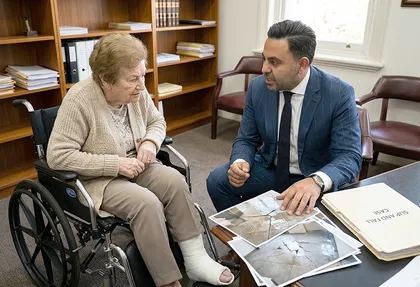
California personal injury cases have strict deadlines. Missing them can permanently prevent you from filing a claim.
Key deadlines:
- Most slip and fall claims: 2 years from the date of injury
- Public property claims: 6-month deadline to file an administrative claim first
- Some exceptions may apply for minors or people with legal disabilities
If the fall happens on government property, you must first file a claim under the California Government Tort Claims Act. This is a written notice, not a lawsuit, and it is required before going to court.
Evidence can disappear quickly:
- Surveillance footage may be deleted in 24 to 72 hours
- Maintenance logs and records may also be discarded or changed
A spoliation letter can be sent to require the property owner or insurer to preserve key evidence, including video footage, inspection reports, and cleaning logs.
Early legal action helps preserve evidence and keeps deadlines on track while you focus on recovery.
When you find yourself thinking, “I need a personal injury lawyer,” that recognition matters. An attorney can monitor the two-year deadline while you focus on getting better.
Frequently Asked Questions
When a loved one is hurt in a fall, it is natural to have many questions. The legal process involves evidence, insurance, liability (who is legally responsible), and filing deadlines. These can be hard to manage while you are also caring for someone you love, and getting clear answers matters.
What Happens If My Injury Worsens After The Initial Fall?
In California, you may pursue compensation for more than just the initial injury. If injuries appear later or complications arise, you may be able to include them if they relate directly to the fall. Under the eggshell plaintiff doctrine, the at-fault party may be held responsible for the full extent of the injuries the fall caused, even if your age or health made them worse.
What Should I Do Immediately After A Slip And Fall Accident?
Getting medical care right away helps record injuries that do not show up at first. Reporting the incident, taking photos of the hazard, and getting witness information all help preserve the facts of the case. Giving a recorded statement to an insurance company before speaking with an attorney can weaken a claim.
Can A Nursing Home Be Held Liable For An Older Adult’s Fall?
Yes. Nursing homes and care facilities in California have a legal duty to keep residents reasonably safe and address known fall risks. If a fall occurs due to poor supervision, unsafe conditions, ignored care plans, or staffing issues that prevent proper assistance, the facility may be held liable under negligence law.
In more serious cases of neglect beyond ordinary negligence, the Elder Abuse and Dependent Adult Civil Protection Act may also apply. This can affect the remedies available if the legal standards are met.
Will Medicare Or Medi-Cal Take Part Of My Injury Settlement?
Medicare or Medi-Cal may seek reimbursement for accident-related care they paid for when a liable third party funds a settlement, judgment, or award. The claimed amount should be reviewed for accuracy and may be disputed or reduced only under the applicable program’s rules.
How Long Does It Take To Settle A California Fall Claim?
It depends on the facts of your case. Simple claims with clear fault can settle in a few months. Cases with serious injuries, disputed liability, or a government party involved can take a year or longer. Starting with an attorney early allows them to gather evidence before it is lost or becomes harder to obtain.
Because every case is different, a consultation with an attorney can help you know how these answers apply to your situation.
Claim Your Free Consultation With Arash Law
Most people ask, “Do lawyers only get paid if they win?” In many personal injury cases, attorneys work on a contingency fee basis. Arash Law follows this fee structure. That means no upfront payments, and you only pay AK Law attorney’s fees if the case resolves successfully.
Our slip and fall attorneys handle serious older adult fall cases involving hip fractures, spinal injuries, and brain trauma. These cases often benefit from early legal review.
A free consultation can help you understand your situation, what evidence may need to be preserved, and what your claim may involve under California law.
Surveillance footage and records can be lost quickly, so timing matters. Our attorneys can help with an early review to identify next steps while the facts are still available.
Call (888) 488-1391 to schedule your free consultation.