TL;DR: The biggest medical concern in fatal motorcycle crashes is severe head injury, including traumatic brain injury. U.S. safety sources consistently identify helmets as the best protection for the brain in a serious motorcycle crash. Still, a fatal motorcycle accident may involve several injuries at once, so the official cause of death should come from medical, coroner, or autopsy records.
Highlights:
- Traumatic brain injury from head impact is the leading cause of motorcycle crash deaths, as riders lack a protective frame.
- The NHTSA reports that left-turn collisions account for 46% of fatal two-vehicle motorcycle crashes, often due to driver inattentional blindness.
- Other drivers contribute to many serious motorcycle crashes by failing to yield, driving while distracted, speeding, or driving under the influence.
- The CDC notes that helmets reduce death risk by 37% and brain injury by 69%, but cannot prevent all severe impacts at high speed.
- Surviving family members have two years from the date of death to file a wrongful death claim in California.
- Preserve crash photos, helmet camera footage, and witness statements right away to help counter insurance company bias.
- California’s pure comparative negligence allows families to recover even if the rider shared partial fault.
Tip: Gather and preserve evidence immediately after a fatal crash, as insurance companies often try to place blame on the rider to reduce or deny claims.
Table of Contents
Severe head trauma, including traumatic brain injury, is one of the leading fatal injury patterns in motorcycle accidents. However, fatal motorcycle crashes often involve more than one serious injury, such as chest trauma, spinal cord damage, internal bleeding, or multiple blunt-force injuries.
Motorcycle riders do not have the same level of protection as people in cars. There is no metal frame, seat belt, or airbag system around the rider. When a crash happens, the rider may absorb the force directly or be thrown from the motorcycle.
Data Transparency Note: This blog uses the latest data on motorcycle accidents from the National Highway Traffic Safety Administration (NHTSA) and the Centers for Disease Control (CDC). This webpage will be updated once more information on these types of collisions becomes available.
Medical Cause vs. Crash Cause
The “cause” of a fatal motorcycle accident can mean different things. It may refer to the medical injury that caused death, the crash type, or the person whose negligence caused the collision.
| Question | Direct Answer |
|---|---|
| What injury is often fatal? | Severe head injury, including traumatic brain injury, is a leading fatal injury pattern. |
| What crash types are often deadly? | Front-impact crashes, left-turn crashes, fixed-object crashes, and ejections can cause fatal injuries. |
| What conduct can cause a fatal crash? | Failing to yield, speeding, distracted driving, impaired driving, and unsafe lane changes can cause fatal motorcycle crashes. |
| Can more than one factor cause death? | Yes. A fatal crash may involve several injuries and more than one at-fault party. |
The Primary Physical Causes Of Fatal Motorcycle Injuries
According to the National Highway Traffic Safety Administration (NHTSA), 6,228 motorcyclists were killed in traffic crashes in 2024, representing 16% of all traffic deaths. NHTSA also reported that motorcyclists were almost 27 times more likely than passenger car occupants to die in a crash per vehicle mile traveled.
Fatal motorcycle crashes often cause severe injuries because riders have little physical protection. A motorcycle does not have a metal frame, airbags, or seat belts to help absorb crash force.
The most serious fatal motorcycle injuries may include:
- Traumatic Brain Injury (TBI): A hard blow, jolt, or violent movement can damage the brain. Severe TBIs can affect breathing, consciousness, and other vital body functions.
- Skull & Head Trauma: A rider may suffer skull fractures, bleeding around the brain, or severe facial and head injuries.
- Spinal Cord Injury: A violent impact can fracture the spine or damage the spinal cord. These injuries can cause paralysis or death.
- Chest & Aortic Injuries: A severe chest impact can tear the aorta, the body’s main artery. This can cause rapid internal bleeding.
- Internal Organ Injuries: Blunt force can damage the liver, spleen, kidneys, lungs, or other organs.
- Multiple Traumatic Injuries: Many fatal motorcycle crashes involve several injuries at once, not one injury alone.
These injuries often happen because of ejection, sudden stops, and blunt force. A rider may hit the road, another vehicle, a barrier, a tree, or another fixed object after the first impact.
What Crash Types Cause The Most Fatal Motorcycle Accidents?
Many fatal motorcycle crashes involve another motor vehicle or a fixed object. In NHTSA’s 2023 data, the most harmful event for 60% of the 6,432 motorcycles in fatal crashes was a collision with a motor vehicle in transport. Another 24% involved collisions with fixed objects.
NHTSA also reported that, in fatal two-vehicle crashes in 2023, 79% of motorcycles were impacted at the front and only 6% at the rear. In fatal two-vehicle crashes involving a motorcycle and another vehicle, 46% involved the other vehicle turning left while the motorcycle was going straight, passing, or overtaking.
The following crash types are often involved in fatal motorcycle accidents:
- Head-On Collision: Two vehicles collide while traveling toward each other. The combined speed can create a high-force crash.
- Left-Turn Collision: A driver turns left across a motorcycle’s path. These crashes are often severe because the rider has little time to react.
- Fixed-Object Collision: A rider leaves the roadway and hits a guardrail, tree, pole, barrier, or other fixed object.
- Ejection Crash: A rider is thrown from the motorcycle and hits the road, another vehicle, or a roadside object.
- Highside Crash: The rear tire loses traction and then suddenly grips again, throwing the rider from the motorcycle.
- Blind-Spot Sideswipe: A driver changes lanes without seeing the motorcycle and hits or forces the rider off the road.
How Driver Behavior Contributes To Fatal Motorcycle Crash Types
The crash types discussed above—such as left-turn collisions, head-on impacts, and lane-change crashes—are often caused by specific driver behaviors. Understanding these behaviors helps explain why certain crash patterns are so dangerous for motorcyclists.
Common driver errors that lead to fatal motorcycle accidents include failing to yield, distracted driving, speeding, impaired driving, and unsafe lane changes. Many crashes happen because drivers do not see motorcycles in time or misjudge their speed and distance.
Motorcycles are smaller than cars and trucks. Drivers may look in the rider’s direction but still fail to notice the motorcycle. This visibility issue is one reason intersections, lane changes, and left turns can be especially dangerous.
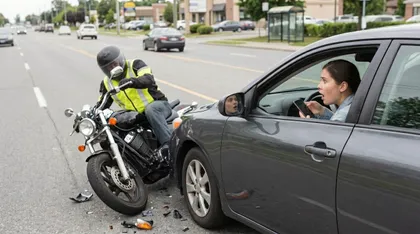
These driver behaviors can turn a common traffic situation into a fatal crash:
- Distracted Driving: Texting, looking at a GPS, or reaching for something takes the driver’s eyes and mind off the road.
- Failing to Yield: A driver may turn left, merge, or enter traffic without giving the motorcycle the right of way.
- Unsafe Speed: Higher speeds give drivers less time to react and increase crash forces.
- Alcohol or Drug Impairment: Impaired drivers react more slowly and may fail to notice hazards.
- Unsafe Lane Changes: A driver may move into a rider’s lane without checking blind spots.
- Following Too Closely: A driver may not leave enough space to stop if the rider slows down.
Recognizing these behaviors can help riders stay alert and anticipate potential dangers on the road. If you are ever involved in a crash, knowing what to do after a motorcycle accident can make a critical difference in protecting your health, your rights, and your ability to recover compensation.
Can A Driver Cause A Crash Without Hitting The Motorcycle?
Yes. A driver can cause a no-contact motorcycle accident without physically hitting the motorcycle. For example, a driver may cut off, crowd, or force a rider off the road. The driver may still be responsible if evidence shows their actions caused the crash.
Helpful evidence may include dashcam video, witness statements, skid marks, road debris, vehicle damage, and police or CHP reports.
How Safety Gear And California Helmet Laws Affect Outcomes
A DOT-compliant helmet can reduce the risk of fatal head injury, but it cannot prevent every death in a severe crash. NHTSA states that a helmet is the best protection for the brain in a serious motorcycle crash.
California Vehicle Code §27803 requires motorcycle drivers and passengers to wear safety helmets that meet legal requirements. The helmet must fit securely and be fastened with the helmet straps.
Other protective gear may also reduce the risk of injury. Riders should consider jackets, gloves, pants, boots, and reflective clothing. These items cannot prevent every injury, but they may reduce harm and make riders more visible.
Does Not Wearing A Helmet Automatically Defeat A Wrongful Death Claim?
No. Not wearing a helmet does not automatically defeat a California wrongful death claim. However, the insurance company may argue that the lack of a helmet worsened the fatal injury.
California follows pure comparative negligence. This means a rider’s share of fault may reduce the compensation, but it does not automatically prevent recovery if another person or entity also caused the crash.
After a serious motorcycle crash, medical care comes first. Some injured riders need a chiropractor or another provider for neck, back, or soft-tissue injuries. If the crash caused a death or life-changing injury, the family may need a personal injury lawyer to investigate fault, preserve evidence, and review all available insurance coverage. In these situations, motorcycle accident lawyers can help guide you through the legal process and protect your rights.
Who May Be Liable After A Fatal Motorcycle Accident In California?
You may have a California wrongful death claim if another person, company, or public entity caused the fatal motorcycle crash. Liability depends on the facts and evidence.
Possible responsible parties may include:
| Potentially Liable Party | Example |
|---|---|
| Another driver | A driver turned left, changed lanes, sped, or failed to yield. |
| A rideshare or commercial driver | A working driver caused the crash while transporting passengers or goods. |
| A vehicle owner | The owner allowed an unsafe or unqualified driver to use the vehicle. |
| A government agency | A dangerous road condition contributed to the crash. |
| A maintenance company | Poor repair work or ignored defects contributed to the crash. |
| A manufacturer | A defective motorcycle part, tire, helmet, or vehicle component contributed to the crash. |
Who Can File A Wrongful Death Claim In California?
California law allows certain surviving family members or the decedent’s personal representative to file a wrongful death claim. Eligible claimants may include:
| Person Or Party | When They May Have A Claim |
|---|---|
| Surviving spouse or domestic partner | When the deceased person was legally married or in a registered domestic partnership. |
| Children | When the deceased person had surviving children. |
| Grandchildren | When the deceased person’s child has also died. |
| Other heirs | When they would inherit under California intestate succession rules. |
| Certain dependents | Some stepchildren, parents, putative spouses, and minors may qualify if they depended on the deceased person. |
| Personal representative | The representative may file on behalf of eligible heirs. |
What Compensation Can Families Seek After A Fatal Motorcycle Accident?
A California wrongful death claim may help eligible family members seek compensation for losses caused by the death. Depending on the facts, compensation may include:
- Funeral and burial expenses.
- Loss of financial support.
- Loss of household services.
- Loss of love, companionship, comfort, care, assistance, protection, affection, society, and moral support.
- The value of support that the deceased person would likely have provided.
A survival claim may also be available in some cases. A survival claim is different from a wrongful death claim because it belongs to the deceased person’s estate and may cover certain losses the deceased person suffered before death.
Evidence That Can Help Prove A Fatal Motorcycle Accident Claim
Building a strong claim often depends on gathering clear, reliable evidence that shows how the crash happened and who was responsible.
| Evidence | Why it matters |
|---|---|
| Police or CHP crash report | Identifies drivers, witnesses, citations, and early crash findings. |
| Photos and videos | Show vehicle damage, skid marks, road conditions, traffic signals, and visibility. |
| Surveillance or dashcam footage | May show how the crash happened before memories fade. |
| Witness statements | Help confirm speed, lane position, turning movements, and right-of-way. |
| Vehicle damage | Helps experts analyze the angle and force of impact. |
| Helmet and safety gear | May help evaluate injury causation and fault arguments. |
| Medical and coroner records | Help connect the crash to the cause of death. |
| Road design or maintenance records | May matter if a dangerous road condition contributed to the crash. |
How Long Do Families Have To File A Claim?
In most California wrongful death cases, the deadline to file a lawsuit is two years from the date of death (CCP § 335.1). If a public agency may be responsible, the family generally must file a government claim within six months before filing a lawsuit (Gov. Code § 911.2).
| Type of claim | Common California deadline |
|---|---|
| Wrongful death lawsuit | Usually, two years from the date of death. |
| Government claim | Usually, six months if a public agency may be responsible. |
| Survival action | The deadline can depend on the deceased person’s claim and the date of death. |
| Insurance claim | Report promptly, but do not rely on an insurance claim to protect the lawsuit deadline. |
Missing a deadline can harm or end a claim. Families should speak with an attorney as soon as possible after a fatal motorcycle crash.
Frequently Asked Questions About Fatal Motorcycle Accidents
You may not know where to turn or what your rights are. Grief, unpaid bills, and urgent legal questions can hit all at once. To dive even deeper into this topic, some people consider searching for free advice from motorcycle accident lawyers. Knowing your rights helps you make informed decisions about pursuing justice for your family.
Do Most Motorcycle Crashes Result In Injury Or Death?
No. Most reported motorcycle crashes result in injuries, not death, but riders face a much higher risk of dying than people in passenger vehicles. According to NHTSA, motorcyclists were almost 27 times more likely to die in a crash than passenger car occupants per mile traveled in 2024. The outcome depends on many factors, including speed, crash type, helmet use, and the forces involved.
Who Is At Fault In Most Motorcycle Accidents?
It depends on the facts of the crash. In many multi-vehicle motorcycle crashes, another driver is at fault for failing to see the rider or failing to yield. However, rider actions, road conditions, or other factors can also contribute. California follows pure comparative negligence, so a rider may still recover compensation even if they share some fault. The rider’s percentage of fault reduces any award.
Does Lane Splitting Affect Fault In California Motorcycle Accidents?
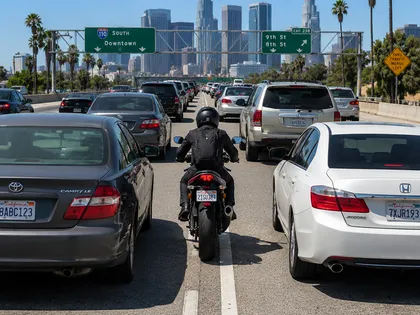
No. Lane splitting does not automatically make a rider at fault for a crash. Lane splitting means riding between rows of slow or stopped traffic. California has long allowed lane splitting, and state law has formally recognized it since 2017. Whether lane splitting affects fault depends on the facts of the crash.
How Long Do I Have To File A Wrongful Death Claim After A Motorcycle Accident?
In most cases, you have two years from the date of death to file a wrongful death lawsuit in California. A wrongful death claim lets eligible family members seek compensation after a loved one dies because of someone else’s negligence. If a public agency may be responsible, such as for a dangerous road condition, you generally must first file a government claim within six months before you can sue. Missing that deadline may prevent you from bringing a claim against the public agency.
Can I Sue If My Loved One Was Not Wearing A Helmet?
Yes. California law does not automatically prevent a family from filing a wrongful death claim if the rider was not wearing a helmet. If the lack of a helmet contributed to the rider’s injuries or death, a jury may reduce the damages based on the rider’s share of fault. Even so, the family may still recover compensation.
Do Lawyers Only Get Paid If They Win?
Yes. Most wrongful death lawyers work on a contingency fee basis. They get paid only if they recover compensation for you. Because fee agreements vary, read the terms carefully before you hire a lawyer.
Reach Out To Arash Law If You Or A Loved One Were Involved In A Motorcycle Crash
Protect your family’s legal rights after this loss. A skilled attorney can help you understand your options and pursue the compensation you may be entitled to under California law.
Arash Law, also known as AK Law, represents families of motorcycle accident victims across California. We build your case, identify who is responsible, and fight for your family at every step. There are no attorney fees unless we recover for you.
Time matters in these cases. Evidence can fade, and filing deadlines are strict, so call us at (888) 488-1391 to schedule a free consultation. We are ready to help your family move forward.