TL;DR: You can start a California personal injury case without taking calls at work by contacting a lawyer online or by email and requesting a callback during your break or after your shift. Discuss preferred contact methods, voicemail permissions, and arrangements for urgent messages to protect your privacy. Your work schedule does not extend legal deadlines.
Limited phone access at work does not prevent you from contacting a California personal injury lawyer. Online inquiries, email, and scheduled callbacks may allow you to discuss your accident claim during a break or after your shift. The attorney can review your initial information and explain the next steps, subject to their availability.
You can also arrange ongoing communications by setting preferred contact times, choosing how to receive updates, and specifying whether the firm may leave voicemail messages. Discussing how to handle urgent messages can help you stay informed while protecting your privacy and avoiding interruptions during work.
Table of Contents

I Cannot Answer Personal Calls at Work. Can I Still Start an Accident Case, and How Should I Arrange Communications With a Lawyer?
Yes. In fact, starting an accident case does not require you to answer personal calls during work. You can contact an injury lawyer online or by email and arrange a callback during your break or after your shift. The lawyer can confirm a time that works. This allows you to discuss your legal options without interrupting your workday.
When contacting a lawyer, you can arrange communications around your schedule by:
- Letting the lawyer know when you can speak privately, such as during lunch or after your shift.
- Asking whether you can communicate through email, text, or scheduled calls.
- Explaining whether the lawyer may leave voicemail messages and what information they can include.
- Asking how the lawyer handles urgent messages when you cannot respond immediately.
Requesting a callback does not mean you have hired an attorney. Your initial inquiry allows the lawyer to review your situation and discuss the next steps. Representation generally begins when you and the lawyer agree to work together, often through a written agreement. However, certain confidentiality duties may apply during an initial consultation, even if you do not hire the lawyer.
Once you hire a lawyer, you can confirm these communication preferences and update them if your work schedule changes. Some matters may still require your direct participation, but you can discuss scheduling arrangements with your lawyer in advance.
Key Facts About Starting an Injury Case While Working
- You can request a scheduled callback. Tell the lawyer when you can speak privately and ask which appointment times are available.
- A contact request does not automatically establish representation. An attorney must first review your situation and agree to take your case.
- You can choose your preferred contact methods. Let your lawyer know whether you prefer calls, texts, emails, or voicemail messages.
- Private communication helps protect sensitive information. Using personal devices and accounts is generally safer than communicating through employer-controlled systems.
- Important updates may require a quick response. Ask your attorney how urgent messages are handled and what to do if you cannot respond immediately.
How Can You Arrange an Accident Consultation Around Your Work Schedule?
Providing specific time windows can help the law firm schedule your consultation and prevent missed calls. Appointments still depend on the attorney’s availability.
Request a Callback During an Available Time
You can request a callback when you are free to speak privately, rather than receiving unexpected calls during work. Give the lawyer two or three possible time windows so the office can check its availability.
When requesting a callback, consider including:
- Your preferred phone number.
- The days and times you are available.
- Your time zone, if needed.
- Whether the attorney may leave voicemail messages.
- An alternative contact method if you miss the call.
If your work hours change each week, let the lawyer know so you can arrange appointments around your shifts. Confirm the agreed callback time before expecting the call.
Ask About Other Available Contact Methods
You can ask an attorney about other ways to communicate if phone calls are difficult to arrange. Depending on the firm’s available services, these may include:
- Email for scheduling and routine questions.
- Text messages for brief updates or callback requests.
- Online forms for submitting initial inquiries.
- Secure messaging or document portals for sharing case information.
Before sending sensitive medical or accident records, ask which communication method the lawyer recommends. Some discussions may still require a scheduled phone call or meeting.
Explain When Calls Are Not Allowed
You can tell your lawyer that you cannot receive personal calls during work without sharing unnecessary details about your employer’s policies. Clear instructions can help prevent interruptions and protect your privacy.
For example, you might say:
“I cannot answer personal calls while working. Please contact me by email first, or arrange a callback between 12:30 p.m. and 1:00 p.m. Please do not leave detailed voicemail messages.”
You can also let the attorney know how much time you have for the consultation and ask what information to prepare. This can help you make the most of a short appointment without rushing through important questions.
What Contact Preferences Should You Discuss With Your Lawyer?
Your communication plan should explain when, where, and how the law firm may reach you. It should also identify which messages require a faster response.
The following planner can help you organize these preferences before your first appointment:
| Information | Your Preference |
|---|---|
| Name and preferred contact number | |
| Best days for appointments | |
| Preferred callback times | |
| Times when calls are not allowed | |
| Preferred routine contact method | |
| Permission to leave voicemail | |
| May the voicemail identify the law firm? | |
| May the voicemail mention the accident or case? | |
| Permission to send text messages | |
| Preferred email address | |
| Alternate contact person’s name and number | |
| Do you authorize contact with this person? | |
| Information the firm may share with this person | |
| Preferred method for urgent messages | |
| What to do if an urgent call is missed | |
| Other communication restrictions |
How to use this planner: You can share your preferences during the initial inquiry and review them again if the firm accepts your case. The firm should confirm which arrangements it can support.
An alternate contact should receive only information you authorize. Giving someone permission to receive scheduling messages does not automatically authorize them to make legal decisions or to receive confidential case details.
How Can You Protect Your Privacy When Communicating With a Lawyer?
Protect your privacy by using personal devices, setting clear message preferences, and limiting who can receive information about your case. These precautions are especially important if your employer restricts personal calls or monitors workplace communication systems.
To keep your accident-related communications private, consider these steps:
- Use personal devices and accounts. Avoid discussing your case through work email, company phones, or shared computers. Employers may be able to access these systems, and a California appeals court has held that an employee’s emails to her lawyer, sent from a monitored work computer, were not protected by the attorney-client privilege (Holmes v. Petrovich Development Co. (2011) 191 Cal. App.4th 1047).
- Set voicemail and text permissions. Tell your attorney whether they may leave messages and what information they can include. For example, you can request a callback number without mentioning your injuries or accident claim.
- Choose a private contact method. Ask whether your lawyer can use personal email, scheduled calls, or secure messaging for sensitive updates. Confirm which options are available.
- Limit information shared with others. You can authorize a trusted person to help schedule appointments. Explain what information your attorney may share with that person, such as appointment details, but not medical records or settlement discussions.
- Update your communication preferences. Notify your lawyer if your contact information, work schedule, or permission to share information changes.
California law protects qualifying confidential communications between attorneys and clients under Evidence Code § 954. Evidence Code § 917 also provides a presumption of confidentiality for certain privileged communications and states that electronic transmission alone does not remove that protection.
However, not every message to a lawyer is automatically privileged. Using employer-monitored devices or sharing confidential information with unauthorized third parties may create privacy concerns. Your attorney can help you choose appropriate communication methods for your situation.
How Should You Arrange Urgent Messages When You Cannot Answer Calls?
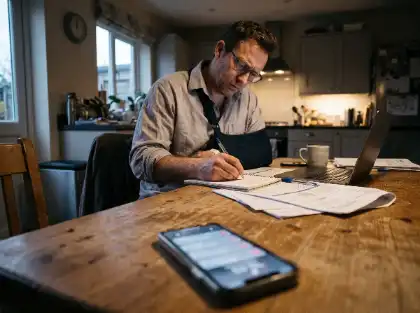 You can arrange urgent case messages by asking your lawyer how they handle matters that require a prompt response. Your communication plan should also explain what happens if you cannot answer calls during work.
A useful arrangement can help you distinguish routine updates from important messages involving deadlines, documents, or decisions.
Identify Messages That Need Attention
Some case-related messages may require a faster response than routine updates. These include:
- A request to provide missing documents before a legal deadline.
- A scheduled deposition or court appearance requiring your participation.
- A settlement offer that requires your decision.
- A time-sensitive request involving evidence.
- An upcoming appointment that requires confirmation.
You can ask your attorney how they will identify urgent messages without including sensitive case details in an unsecured notification.
Agree on a Backup Contact Method
A backup contact method can help your lawyer reach you when your preferred communication channel is unavailable. For example, you might ask the attorney to send a brief text requesting a callback if an important email goes unanswered.
Your lawyer can confirm whether this arrangement is available. You should also ask what steps to take if you cannot respond within the requested time.
Keep Legal Deadlines Separate From Your Work Schedule
Your work schedule generally does not extend California’s legal filing deadlines. If you plan to file a personal injury claim, requesting a callback, submitting an online inquiry, or scheduling an appointment with a lawyer does not automatically protect your right to sue.
Under California Code of Civil Procedure § 335.1, injured people generally have two years to file a personal injury lawsuit.
Claims involving public entities may require earlier action. Under Government Code § 911.2, claimants generally must present covered personal injury claims within six months. Additional rules govern lawsuits after the claim process.
Different deadlines may apply to minors and certain other cases. California generally pauses the two-year lawsuit deadline while the injured person is a minor (Code of Civil Procedure § 352). However, that pause does not extend the six-month claim deadline for injuries involving a public entity. Ask your attorney to review the applicable deadlines rather than assuming that work-related scheduling difficulties will provide extra time.
What Should You Prepare Before a Short Accident Consultation?
Organize the basic facts and documents you already have. A complete file is not required before contacting a law firm.
The following information can help make a scheduled conversation more productive:
- Accident Details: Date, location, and a short description of what happened.
- Injury Information: Injuries reported, symptoms, and medical treatment received.
- Medical Providers: Names of hospitals, clinics, or doctors who treated you.
- Insurance Information: Available policy details, claim numbers, and letters.
- Accident Evidence: Photos, witness information, and available police or incident reports.
- Work-Related Losses: Missed workdays or lost income connected to the injury.
- Important Dates: Upcoming appointments, insurer requests, or known deadlines.
- Your Questions: Concerns about compensation, legal fees, and communication arrangements.
You do not need to collect every medical record before contacting an attorney. If your claim involves a vehicle collision, car accident lawyers can review your available information and identify useful records. If they accept your case, they can also explain how to obtain additional documents.
What Happens After You Contact a Personal Injury Lawyer?
During the initial review, the attorney may ask about your accident, injuries, and availability to determine whether they can assist you. The following steps explain how the process can proceed.
The process may involve these steps:
- Initial Inquiry: You share basic accident details, your preferred contact method, and available callback times.
- Case Review: The lawyer reviews the information and may ask for additional details or documents.
- Discussion of Representation: If the attorney offers to take your case, they explain their services, fees, and responsibilities.
- Written Agreement: If you and the lawyer agree to proceed, you may sign a representation agreement.
- Ongoing Communication Plan: You and your attorney confirm how to handle routine updates, document requests, and important decisions around your work schedule.
You may sign your representation agreement electronically if both parties agree and the transaction meets applicable legal requirements. California law generally recognizes electronic records and signatures (Civil Code §§ 1633.5 and 1633.7).
For contingency-fee cases, California law requires a written agreement signed by both parties. The attorney must provide a signed copy. The agreement must disclose the fee rate, case costs, and other required terms (Business and Professions Code § 6147). Generally, the attorney receives a fee only if you recover compensation.
Talk to Arash Law About Your Accident Consultation
You can discuss your accident claim with Arash Law even if you cannot take personal calls at work. Our personal injury lawyers can review your situation and discuss available communication options based on your schedule and the firm’s availability.
Call (888) 488-1391 or submit an online inquiry to request a free consultation. Let us know your preferred callback times and contact methods.
Frequently Asked Questions About Starting an Injury Case While Working
Can I Wait to File My Claim Until My Work Schedule Slows Down?
You can choose when to contact a lawyer, but waiting may put your claim at risk. California generally allows two years to file a personal injury lawsuit (Code of Civil Procedure § 335.1). Covered claims against government entities generally require written claim presentation within six months (Government Code § 911.2). Different deadlines and exceptions may apply, so ask an attorney to review your situation before delaying legal action.
Can I Ask Someone Else to Speak With My Lawyer?
Yes. You can authorize a trusted person to assist with scheduling or communication. The firm should confirm the scope of that permission before sharing confidential information. Your authorization does not automatically allow the person to make legal decisions for you.

Will I Need to Take Time Off Work for My Injury Case?
You may need time away from work for certain case-related activities. A deposition, medical evaluation, mediation, or court appearance may require your participation. Your attorney can explain which events are necessary and discuss available scheduling arrangements.
Can I Sign an Attorney Agreement Electronically?
Yes, an attorney agreement may generally be signed electronically when applicable legal requirements are met. California Civil Code § 1633.7 recognizes electronic signatures and records. Ask the firm whether electronic signing is available for your documents.
Are Text Messages With My Lawyer Completely Confidential?
Not always. Text messages may be protected by attorney-client privilege when they qualify as confidential legal communications (California Evidence Code §§ 954 and 917). To help protect your privacy, use your personal phone and avoid employer-monitored devices or accounts.
Talk to Arash Law About Communication Options That Fit Your Schedule
You can contact Arash Law to discuss your California injury claim even if you cannot answer personal calls during work. Explain your available times, preferred contact method, and any restrictions on voicemail or text messages.
Our personal injury lawyers can discuss available consultation arrangements and explain the next steps. Scheduling options depend on availability, and some matters may require direct communication or participation.
Call (888) 488-1391 or use the firm’s online contact form to request contact at a suitable time.
Sources
- California Code of Civil Procedure § 335.1 — General two-year limitation period for personal injury lawsuits. https://leginfo.legislature.ca.gov/faces/codes_displaySection.xhtml?lawCode=CCP§ionNum=335.1.
- California Code of Civil Procedure § 352(a) — Tolling of certain lawsuit filing deadlines while the injured person is a minor. https://leginfo.legislature.ca.gov/faces/codes_displaySection.xhtml?lawCode=CCP§ionNum=352.
- California Government Code § 911.2 — Six-month written-claim presentation deadline for covered personal injury claims against public entities. https://leginfo.legislature.ca.gov/faces/codes_displaySection.xhtml?lawCode=GOV§ionNum=911.2.
- California Evidence Code § 954 — Attorney-client privilege protecting qualifying confidential communications. https://leginfo.legislature.ca.gov/faces/codes_displaySection.xhtml?lawCode=EVID§ionNum=954.
- California Evidence Code § 917 — Presumption of confidentiality for privileged communications and protection against loss of privilege solely because of electronic transmission. https://leginfo.legislature.ca.gov/faces/codes_displaySection.xhtml?lawCode=EVID§ionNum=917.
- California Civil Code § 1633.5 — Scope of electronic transactions and requirements for parties to agree to conduct transactions electronically. https://leginfo.legislature.ca.gov/faces/codes_displaySection.xhtml?lawCode=CIV§ionNum=1633.5.
- California Civil Code § 1633.7 — Legal recognition and enforceability of electronic records and signatures. https://leginfo.legislature.ca.gov/faces/codes_displaySection.xhtml?lawCode=CIV§ionNum=1633.7.
- California Business and Professions Code § 6147 — Written contingency-fee agreement requirements, including signatures, fee terms, costs, and providing the client with a signed copy. https://leginfo.legislature.ca.gov/faces/codes_displaySection.xhtml?lawCode=BPC§ionNum=6147.
- Holmes v. Petrovich Development Co., LLC (2011) 191 Cal.App.4th 1047 — California appellate ruling finding that an employee’s emails to her attorney were not privileged because she used a company computer despite knowing her employer’s monitoring and personal-use policies. https://www.law.berkeley.edu/files/SpeechPrivacy_WrittenMaterials%281%29.pdf
- State Bar of California, Rule of Professional Conduct 1.18 — Confidentiality obligations concerning information obtained from prospective clients, even when representation does not follow. https://www.calbar.ca.gov/legal-professionals/rules/rules-professional-conduct/current-rules-professional-conduct/chapter-1-lawyer-client-relationship
Disclaimer
This article is for general educational purposes only and does not constitute legal advice. Contacting Arash Law to request a callback or consultation does not automatically establish an attorney-client relationship. Communication options, legal deadlines, and available claims depend on your circumstances. Consult a licensed California attorney to discuss your situation and legal options.
Arash Law — (888) 488-1391.