TL;DR: Save photos, identifying information, receipts, and notes about each item’s condition and who currently holds it. Tell your lawyer about repairs, returns, replacement, or disposal before further changes whenever possible. Obtain essential replacements without using damaged equipment. Preserve original items only when safe, and document what remains if someone already discarded them.
Before replacing crash-damaged personal items, save photos, identifying details, purchase records, and notes about their condition. Keep the originals when safe, and ask your injury lawyer about inspection before repairs, returns, or disposal.
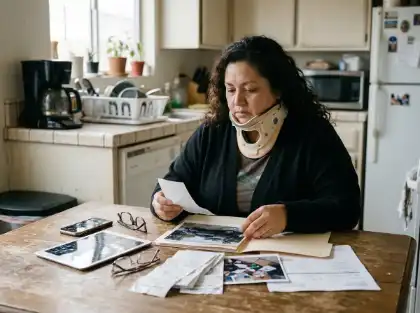
Make a separate record for each item, such as glasses, headphones, clothing, or a helmet. Describe whether you wore, carried, or used it during the crash, what damage you observed, who currently holds it, and whether anyone has cleaned, repaired, or altered it. You can share available records with your lawyer even without the original receipts.
You can replace essential belongings without automatically jeopardizing your injury claim in California. However, losing an original item may limit available evidence. Do not continue using damaged safety equipment or keep hazardous materials solely for a claim.
Table of Contents

I Need to Replace Personal Items After the Crash. What Records Should I Save for My Injury Lawyer?
Before replacing personal items after a crash, preserve as many details about them as possible. For each item, save these records for your injury lawyer:
- Photos: These should show the whole item, visible damage, and labels when safe.
- Item Details: List the owner, brand, model, serial number, approximate age, and distinguishing features.
- Item Condition: Describe the item’s condition before and after the crash and where it was during the collision.
- Purchase and Replacement Records: Gather receipts, order histories, repair estimates, and replacement invoices when available.
- Item Location and Holder: Record who has the item, where it is located, and whether it was ever transferred between people or businesses.
- Item Changes: Note whether anyone cleaned, repaired, returned, traded in, or disposed of the item or removed any parts. Record any planned changes.
Mark uncertain details as “unknown” and identify information provided by others. Avoid guessing about internal damage or whether replacement is necessary.
Key Facts About Saving Crash-Damaged Personal Items
- Intentional evidence destruction may affect your claim. Under California Civil Jury Instructions (CACI) No. 204, jurors may draw an unfavorable inference if a party intentionally concealed or destroyed evidence. Replacing an item does not automatically establish intentional suppression.
- Replacement receipts do not guarantee compensation for damaged belongings. CACI Nos. 3903J and 3903K address damages for damaged, lost, or destroyed personal property. Recovery generally depends on the item’s value, reasonable repair costs, and applicable exceptions, not simply the replacement price.
- Preserving evidence should not create a safety risk. Do not continue using damaged safety equipment or handle hazardous items solely to preserve evidence. Follow relevant manufacturer safety instructions.
- Losing an original item does not automatically defeat an injury claim. Photographs, receipts, repair records, and disposal details may still help document the item’s condition and connection to the crash.
What Photos and Item Details Should I Save?
Keep photographs showing each item’s condition before anyone changes it, provided you can do so safely. Preserve the original photo files and a backup rather than relying only on cropped images or screenshots. These records can serve as crucial evidence for a personal injury claim because they can visually prove how the crash damaged your personal property.
For each item, document the following:
- Photos: Take pictures of the whole item from different angles, including close-ups of visible damage and labels. Note when the photos were taken and whether anyone moved or altered the item beforehand.
- Identifying Details: Record the owner, brand, model, serial number, approximate age, and distinguishing features when available.
- Previous Condition: Note earlier scratches, repairs, or wear. Save older photographs that show what the item looked like before the crash.
- Condition After the Crash: Describe any visible damage, such as a bent glasses frame, torn strap, or cracked headphone housing. Explain whether you wore, carried, or stored the item during the collision.
Different belongings may require additional records. The following examples can help you identify what applies to your situation.
| Item | Useful Records to Save |
|---|---|
| Prescription glasses | Frame details, prescription or optical order, damage photographs, optician’s assessment, and repair or replacement invoice. |
| Headphones | Model, serial number, purchase history, visible-condition photographs, and service correspondence. |
| Helmet | Helmet type, model, certification label, visible-condition photographs, manufacturer instructions, and replacement-program terms. |
| Clothing or footwear | Brand, size, older photographs, visible tears or scuffs, and notes about cleaning or emergency removal. |
| Phone or other electronics | Model, account records identifying the device, existing backups, photos of damage, and repair communications. |
A helmet record should describe the actual item and what happened to it. Having a helmet does not, by itself, establish that you were riding a bicycle.
What Purchase, Repair, and Replacement Records Should I Keep?
Keep purchase records and receipts if available, along with repair assessments and replacement invoices for each crash-damaged item. These documents can help your injury lawyer distinguish the original item’s value from repair expenses and replacement costs when assessing property damage from an accident.
Useful records include:
- Purchase Records: Save original receipts, retailer order histories, confirmation emails, warranties, or relevant bank statements. If you lack a receipt, explain what other proof of purchase is available.
- Repair Assessments: Keep written estimates, inspection findings, service invoices, and any recommendation against continued use. Note whether a repair shop opened the item, removed parts, or changed its condition.
- Replacement Receipts: Document the replacement item’s cost, purchase date, and the reason for purchase. Identify any upgrades or differences from the original rather than describing a more expensive replacement as identical.
- Records Supporting Value: Save dated listings of comparable items, including information about their age, features, and condition. Advertised prices alone may not establish an item’s market value.
Under CACI No. 3903J, purchasing a replacement does not automatically determine recoverable property damages. Your lawyer can assess the applicable valuation rules, exceptions, and insurance terms.
What Should I Record Before Anyone Repairs or Discards the Item?
 Record who holds the original item, where it is located, and any completed or planned changes. Tell your injury lawyer about return deadlines, repair appointments, trade-in requirements, and requests to surrender or destroy it.
Keep emails, service tickets, shipping records, and handoff confirmations. For each transfer, identify who released the item, who received it, when, and why.
An insurer’s permission to discard an item may not resolve every evidence-preservation concern. Your lawyer can assess whether another party should receive notice or an opportunity to inspect it.
California Rule of Professional Conduct 3.4 prohibits lawyers from unlawfully destroying, altering, or concealing evidence or helping others do so. Ask your lawyer about potentially relevant evidence before authorizing changes, when circumstances permit.
What Should I Keep Track of for Each Damaged Item?
After a crash, you may have several damaged belongings, some of which may already have been repaired, replaced, or discarded. Keeping a separate record for each item can help your injury lawyer understand its condition, what happened to it, and what evidence is still available.
It may be useful to record the following details for each item:
- A brief description of the item.
- The item’s brand, model, and serial number (if available).
- The item’s owner.
- The item’s condition before the crash (including earlier damage).
- Where the item was located, and how it was used, during the crash.
- The observed condition of the item after the crash.
- The item’s current holder, their location, and their contact information.
- Information about transfers, dates, and the details involved (if available).
- Information about cleaning, repairs, removed parts, or other changes.
- Existing copies of photos, receipts, service records, and backup locations.
- The item’s current status, professional instructions, or disposal details.
- Details related to a replacement, such as the reason for, date of, cost of, and receipt of purchase.
Download the worksheet here to keep track of important item details and any questions you want to ask a lawyer about an item’s inspection, notice, storage, return, or disposal. You can fill out a separate sheet for each item damaged in the crash.
Use “unknown” where necessary, and keep dated updates instead of overwriting earlier entries. If someone discarded the item, record that fact and identify photographs or other copies that still exist.
How Do I Save Records Without Keeping Unsafe Items?
Use existing photographs, purchase records, repair reports, and disposal documents to preserve information about unsafe items. Avoid handling damaged equipment solely to collect evidence for your injury lawyer.
- Document the item without handling it. Use existing photographs, model details, and service records when an item is unsafe to touch or inspect. Do not open, charge, or test potentially damaged electronics merely to collect evidence, as you may put yourself at risk of injury. This is the same reason why leading tech companies such as Apple advise consumers to stop using their devices when device or battery damage is suspected.
- Follow safety instructions before replacing it. Check the manufacturer’s guidance for damaged equipment. For example, Bell Helmets advises against wearing a helmet that was involved in an accident, even when the damage is not visible. Keep available photographs and product details for your lawyer.
- Record what happens when it must be discarded. Seek qualified handling or disposal guidance for hazardous items. Save any available disposal receipts, service records, dates, and provider contact information. Notify your lawyer promptly about what happened and what evidence remains.
If safety requires immediate action, prioritize your safety and notify your injury lawyer as soon as practical. Share any existing records so counsel can assess whether further evidence-preservation steps are necessary.
How Will My Lawyer Use These Records?
Your injury lawyer can evaluate each item’s relevance to the collision, your injuries, a property loss, or a properly supported product question. Photographs of damage alone do not establish injury severity or prove that a product was defective.
For someone struck while walking, pedestrian accident representation may involve comparing damaged belongings and the extent of injuries with witness statements, medical records, and other evidence. Pedestrian accident lawyers can assess whether the item’s condition supports or conflicts with other information about the collision.
An original item may also need expert inspection if its condition could help resolve a disputed crash detail or a potential product defect. A product liability investigation requires supporting evidence, as ordinary crash damage does not establish a defect.
Your lawyer can determine whether an inspection is appropriate before a repair shop or manufacturer changes the item. Avoid dismantling it, performing destructive testing, or attempting to recreate the collision yourself.
Discuss Planned Replacement With an Injury Lawyer
Arash Law offers a free initial consultation to review your injury circumstances and available item records. Call (888) 488-1391 and explain any planned repair, return, replacement, or disposal.
Bring the worksheet and the records you already have. Identify safety concerns and any business currently holding the original item.
Frequently Asked Questions About Saving Personal-Item Records After a California Crash
What If I Already Replaced or Discarded Something?
Tell your lawyer when and why you replaced or discarded it, who handled it, and what records remain. Share existing photos, purchase histories, repair records, and disposal communications.
Replacement does not automatically destroy your injury claim. Losing the original may limit some investigations, so disclose the changes before anyone alters other relevant items.
Do I Need Receipts Before Contacting an Injury Lawyer?
No, you can share available item records without the original receipts. Order histories, older photographs, bank records, and service documents may help establish ownership, condition, and value.
Should I Send the Actual Items to the Law Office?
Ask the office before bringing or mailing physical items. Start with photos, the worksheet, and a description of any safety concerns so counsel can discuss appropriate arrangements.
What If a Repair Shop or Manufacturer Already Has the Item?
Give your lawyer the business’s contact information, service ticket, and any return or repair terms. Explain what work the business already performed and any deadline for further action.
Will Saving These Records Guarantee Payment for a Replacement?
No, saving records does not guarantee reimbursement for a replacement. Possible recovery depends on liability, the item’s connection to the crash, applicable property-damage valuation rules, and any relevant insurance coverage or policy limits. The amount you paid for a replacement may differ from the damages you can recover.
Discuss Your Damaged Personal Items With Arash Law
If you need to replace personal belongings after a crash, Arash Law can review your injury claim and help determine which item records may be important. Our attorneys can also discuss whether an original item needs further inspection before repair, return, or disposal.
You can contact us even if you have already replaced or discarded some belongings. Share any available photographs, receipts, repair records, and information about who currently holds the items.
Call Arash Law at (888) 488-1391 to discuss your injuries and available evidence. Our accident hotline is available 24/7. We can explain your legal options and whether assistance with related property damage may be part of your case.
Sources
- Judicial Council of California: California Civil Jury Instructions, 2026 Edition, CACI No. 204, Willful Suppression of Evidence. Explains when jurors may draw an unfavorable inference from intentional concealment or destruction of evidence. https://courts.ca.gov/system/files/file/judicial_council_of_california_civil_jury_instructions_2026.pdf
- Judicial Council of California: California Civil Jury Instructions, 2026 Edition, CACI No. 3903J, Damage to Personal Property (Economic Damage). Addresses the measure of damages for harm to personal property, including repair costs and reduction in value. https://courts.ca.gov/system/files/file/judicial_council_of_california_civil_jury_instructions_2026.pdf
- The State Bar of California: Rule of Professional Conduct 3.4, Fairness to Opposing Party and Counsel. Addresses lawyers’ obligations concerning access to evidence and unlawful alteration, destruction, or concealment. https://www.calbar.ca.gov/legal-professionals/rules/rules-professional-conduct/current-rules-professional-conduct/chapter-3-advocate
- Bell Helmets: Crash Replacement. Advises against wearing a helmet involved in an accident and provides information about its replacement program. https://www.bellhelmets.com/crash-replacement.html
- Apple Support: Important Safety Information for iPhone. Provides safety instructions for suspected device or battery damage, including discontinuing use and obtaining qualified servicing. https://support.apple.com/guide/iphone/important-safety-information-iph301fc905/27/ios/27
- Judicial Council of California: California Civil Jury Instructions, 2026 Edition, CACI No. 3903K, Loss or Destruction of Personal Property (Economic Damage). Explains the general fair-market-value measure for lost or destroyed personal property. https://courts.ca.gov/system/files/file/judicial_council_of_california_civil_jury_instructions_2026.pdf
Disclaimer
The information on this page is for educational purposes only and does not constitute legal advice. Contacting Arash Law does not create an attorney-client relationship. Evidence-preservation requirements and possible property-damage recovery depend on the circumstances of each case. Consult a licensed California attorney before making decisions about repairing, replacing, or discarding potentially relevant evidence. Arash Law: (888) 488-1391.