TL;DR: In California, property owners may be liable for injuries if they fail to address or warn about hazards on their property. Injured individuals may seek compensation for economic, non-economic, and punitive damages, depending on the circumstances.
Highlights:
- Property owners may be liable for injuries to workers if hazards are unaddressed.
- California law requires owners to maintain safe environments for workers and guests.
- Injured workers may pursue economic, non-economic, and punitive damages.
- Property owners may be responsible if they control the work environment.
- The Privette doctrine shields homeowners from liability in certain contractor injuries.
- Workers’ compensation generally covers injuries for employees, not independent contractors.
Tip: Document all hazards and injuries immediately to support your claim for compensation.
Table of Contents
In California, a property owner can be liable for injuries and losses sustained by an injured worker on their property. The state’s premises liability law allows victims to seek compensation if a property owner fails to address or warn about hazards.
A homeowner who hires someone to work in their house will either exercise control over the work progress or not. In both situations, the property owner could face liability for injuries sustained by the worker.
The Responsibility Of Property Owners
In California, property owners have a legal responsibility to keep lawful visitors safe. They must address dangerous conditions or warn visitors about them. That’s especially true if these guests enter the premises to provide a service.
People who may get hurt while working on a property include:
- Housekeepers
- Handymen
- Repairmen
- Plumbers
- Electricians
- Babysitters
- Landscapers
- Gardeners
- Contractors
Whether a homeowner is liable for a worker’s injury on their property depends on negligence and the amount of control they exercised over a contractor’s project.
Duty Of Care To Invitees
Any individual who enters a property for business purposes, and with the owner’s permission, is considered an invitee. Under California’s premises liability law, property owners owe them the highest duty of reasonable care. They must maintain safe environments for these visitors. If they create or discover a hazard, they must address the dangerous condition or warn invitees about it.
Their duties include:
- Regularly inspecting the property to search for hidden dangers.
- Repairing known hazards within a reasonable amount of time.
- Warning invitees of existing hazards that cannot be addressed right away.
- Not engaging in any wanton or willful conduct with the intent to cause injuries.
If a property owner fails to fulfill any of these duties and a worker gets injured on the property, the owner could be liable for the resulting damages. To seek compensation, the injured worker needs to establish the following elements:
- The property owner knew or should have known about the hazard.
- The property owner failed to take reasonable steps to eliminate or remedy the hazard.
- The hazard directly caused the worker’s injury.
- The worker suffered measurable losses.
When A Property Owner Exercises Control
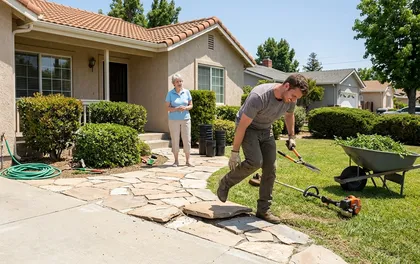
Some property owners closely monitor what contractors are doing. This approach exposes them to more liability for workers’ injuries. If a property owner chooses to exercise control over a project, they are responsible for ensuring a safe workplace for the contractor. Therefore, if a worker sustains injuries, they could face liability for the resulting damages.
The closer a property owner monitors how a contractor does their job while on the property, the more likely they are to be held liable for the contractor’s injuries in case of accidents.
When A Property Owner Does Not Exercise Control
Many property owners assume that the workers they hire will do a good job without supervision. They negotiate the price, sign a contract, and don’t exercise control over renovations or other tasks done on the property. In this scenario, they generally cannot be held responsible for the contractor’s safety since they do not control how the worker performs their duties.
However, the contractor also assumes that the environment is safe for them to work in unless they are warned of hidden dangers on the property. If a contractor gets hurt because of unsafe conditions that the property owner failed to warn them about, the owner can be held liable for the contractor’s injury.
How The Privette Doctrine Applies To Independent Contractors
The Privette doctrine protects a hirer from liability for any injuries sustained by an independent contractor or its employees on the job. This principle assumes that the independent contractor is responsible for managing their work and ensuring a safe workplace. However, exceptions may apply. When the hirer retains control, conceals hazards, or provides unsafe equipment, they may be held liable.
The Privette doctrine may not apply if the following are present:
- Retained Control: When the hirer retains authority over the contractor’s work and directly contributes to the worker’s injuries, the hirer may be held liable.
- Providing unsafe equipment that leads to harm to an independent contractor is an example of retaining control and contributing to the injuries.
- Concealed Hazard: When the hirer knows of a hazard and fails to warn the contractor, they may be held liable for damages.
Recoverable Damages When Someone Gets Hurt While Working On A Property
“Damages” refers to monetary and non-monetary losses incurred by someone as a result of another party’s negligence. When a person is injured while working on someone else’s property, they may be eligible to pursue:
- Economic damages
- Non-economic damages
- Punitive damages
Let’s talk about the three categories of damages in detail.
Economic Damages
As their name implies, economic damages compensate the injured party for their monetary losses. With economic damages, you can easily assign a dollar value to the losses. These damages include:
- Medical expenses
- Lost wages
- Diminished earning capacity
- Damage to personal property
- Loss of income
Non-Economic Damages
Non-economic damages are more subjective than economic ones. They are not easy to calculate, which is why an injured party may need a lawyer to help them put a monetary value on:
- Mental anguish
- Pain and suffering
- Emotional distress
- Loss of enjoyment of life
- Disability
- Disfigurement
The amount of economic and non-economic damages often depends on the severity of the injuries. For example, head injuries in construction accidents can lead to long hospital stays and a lengthy treatment process. In these cases, head injury attorneys consider how the injury affects the person’s physical health, career, and overall quality of life.
Punitive Damages
Though these damages rarely apply in California premises liability cases, victims may be able to recover them if the property owner acted with deliberate intent to cause harm. However, they have to provide clear and convincing evidence that the defendant engaged in oppressive, fraudulent, or malicious conduct.
If the incident on the property ultimately results in death, the victim’s eligible family members may have grounds to file a wrongful death claim.
Frequently Asked Questions About Injuries On Someone’s Property
If you work on someone else’s property and get injured, you may have the right to recover compensation under California’s premises liability law. Get clear answers to some of the most frequently asked questions about these incidents below:
Who Pays When A Worker Is Hurt At A Property?
If a worker gets injured on a property due to hazards that the owner failed to address or warn about, the owner may be held liable for the worker’s injuries and losses.
For injured workers employed under a company hired by the property owner, workers’ compensation benefits typically cover the injuries.
If the injured party is an independent contractor, the Privette doctrine shields the hirer. The exception to this rule is when the property owner retains control, conceals dangerous conditions, or furnishes unsafe equipment to the contractor, which makes them potentially liable for damages.
Can A Homeowner Be Liable For Trespassers’ Injuries On Their Property?
While trespassing is illegal under California Penal Code 602, trespassers may still be able to sue property owners for injuries. If the owner acted with willful misconduct or failed to warn about hazards, they may be held liable for resulting damages.
Does Homeowners Insurance Cover An Injured Worker’s Injuries?
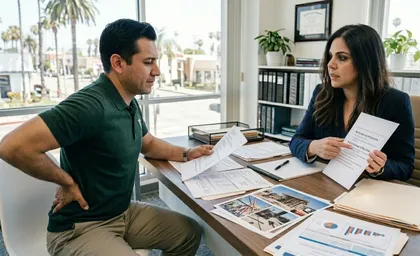
Homeowners insurance covers injuries to others, but whether it applies depends on the policy terms and limits. If you have MedPay coverage or liability insurance, it could cover the injured worker’s damages. Though it can help with immediate medical expenses for the injured worker, it typically has low limits.
Who’s Liable In Scaffolding Accidents?
Workers hurt in scaffolding accidents can seek compensation from different parties, including:
- Their employers.
- The scaffolding manufacturer or installer.
- The property owner where the accident happened.
A property owner might be liable for a contractor’s injuries if they fail to inspect, repair, or warn about hidden dangers. If the hazard leads to a scaffolding accident, they could be held responsible.
Get Help From A Premises Liability Lawyer In California
Property owners who hire people to work on their property have a duty to keep their premises reasonably safe for visitors. When accidents happen due to a dangerous condition they failed to address or warn about, they may be held liable for damages.
Victims often look for free advice from premises liability lawyers to know whether filing a claim may be worthwhile. If you were injured as a worker or contractor on someone else’s property and are thinking, “I need a personal injury lawyer,” Arash Law is here to help.
Our California-based premises liability attorneys are prepared to advocate for your rights. We can assess your case and explain your legal options in seeking compensation. Call AK Law at (888) 488-1391 to schedule a free initial consultation!