TL;DR: A minor passenger hurt in a California drunk-driving crash (also called a driving under the influence, or DUI, crash) can recover compensation. Compensation may come from the at-fault driver’s liability insurance and, when applicable, uninsured or underinsured motorist (UM/UIM) coverage. A parent, guardian, or other court-approved representative may pursue the claim on behalf of the child, and a court must approve any settlement of the minor’s claim. Filing deadlines depend on who is responsible and the child’s age, and missing one can permanently bar the claim.
Yes, a minor passenger can recover compensation after a drunk-driving crash in California. A parent, guardian, or other court-approved representative may pursue the claim on behalf of the child, and a court must approve a settlement of the minor’s claim before it takes effect.
A child passenger is generally not at fault for a crash caused by an impaired driver. Compensation may come from the at-fault driver’s liability insurance and, when that coverage falls short, from UM/UIM coverage.
California treats a child’s claim differently from an adult’s in two ways. A court must approve any settlement of the minor’s claim through California’s Minor’s Compromise process, and the two-year filing deadline may be paused until the child turns 18 for claims against private defendants. Claims involving a government entity follow a much shorter timeline.
Key Facts About Minor Passenger DUI Claims in California
- Who Files: A parent, guardian, or other court-approved adult may act for the child in the lawsuit, including through appointment as guardian ad litem under Code of Civil Procedure (CCP) § 372.
- Court Approval: A judge must approve a settlement of the minor’s claim, and the court determines how the proceeds will be protected under Probate Code § 3500 and §§ 3600–3613.
- Private Defendants: The two-year filing deadline in CCP §335.1 may be tolled while the passenger is a minor under CCP §352(a). Separate claims belonging to a parent may have a different deadline and should not be assumed to receive the child’s minority tolling.
- Government Defendants: A written claim against a city, county, or state agency is generally due within 6 months under Government Code § 911.2, and missing the deadline can bar the claim entirely.
- Insurance Floor: California’s minimum bodily injury liability limits for standard auto policies are $30,000 per person and $60,000 per accident beginning January 1, 2025, according to the California Department of Insurance.
Table of Contents

A Minor Passenger Was Riding With a Friend Who Was Later Found to Have Been Driving Impaired. What Claims May Be Available for the Child’s Injuries?
A minor passenger may have claims against the impaired driver and, depending on the facts, other responsible parties. The fact that the driver is a friend does not prevent a claim.
- Claim against the impaired driver. The child’s primary claim is usually against the driver whose negligence caused the crash.
- Claim against another negligent driver. If another driver also contributed to the collision, the child may pursue that driver as well.
- Claim against another responsible party. In limited situations, another person or entity may share responsibility, depending on how the accident happened.
Because the injured passenger is a minor, a parent or another court-approved adult generally acts on the child’s behalf, and a settlement of the minor’s claim requires court approval.
Who Is Liable When a Drunk Driver Injures a Minor Passenger
The driver whose negligence caused the crash, in this case, the impaired driver, is generally the person legally responsible for a minor passenger’s injuries. If another driver’s negligence also contributed, that driver may share responsibility. Depending on the facts, other potentially liable parties may include the vehicle owner, a public entity responsible for a dangerous roadway condition, or an alcohol provider in the limited situations where California law allows such claims. A minor, who was only a passenger, will often have little or no fault for causing the crash.
Nationwide, 21% of children aged 14 and younger who were killed in motor vehicle crashes in 2024 died in drunk-driving crashes. Of those deaths, 53% involved a child riding in the vehicle driven by the drunk driver, according to the National Highway Traffic Safety Administration (NHTSA).
California’s pure comparative fault rule divides responsibility based on each party’s share of negligence. A passenger who did not operate a vehicle will often bear little or no responsibility for causing the collision. If the passenger is a minor, any claim of comparative fault must account for the standard of care applicable to a child of similar age, intelligence, knowledge, and experience. Passenger accident lawyers can review the evidence and determine which parties may be responsible for the child’s injuries.
When One Driver Causes the Crash
Most claims against a drunk driver proceed as a third-party claim against the at-fault driver and their liability insurer. Other insurance coverage may also apply depending on the circumstances. The insurer generally pays covered damages up to its policy limits, subject to the policy’s terms and defenses.
When More Than One Driver Shares Blame
A child may be able to pursue more than one negligent driver when several people contributed to the crash. California treats economic and non-economic damages differently when fault is divided among multiple defendants. Non-economic damages, such as pain and suffering, are generally allocated according to each defendant’s percentage of fault.
Damages a Minor Passenger May Recover
An injured minor passenger may recover both economic and non-economic damages in a California drunk-driving case. California does not set a general cap on non-economic damages in a car crash injury case. The main categories are:
- Medical Bills: The cost of emergency care, imaging, surgery, and hospital stays.
- Ongoing Care: Physical therapy, occupational therapy, and specialist visits.
- Pain and Suffering: Compensation for physical pain and emotional distress.
- Developmental and Educational Effects: A serious childhood injury may affect development, schooling, support needs, or future independence.
- Future Care and Support: A catastrophic injury may require long-term care, home modifications, or assistive equipment.
- Lost Earning Capacity: Future earning-capacity damages may be based on the child’s age, health, abilities, education, expected limitations, and other relevant evidence.
Punitive damages may be available when a driver’s conduct rises to the level of malice, a higher standard than ordinary negligence. Civil Code § 3294 requires clear and convincing evidence of malice, oppression, or fraud.
These damages punish the driver rather than compensate the child, and a DUI arrest alone does not establish malice. Evidence such as prior DUI convictions or extreme intoxication can matter, but punitive damages are not awarded in every case.
Insurance Coverage Available to an Injured Minor
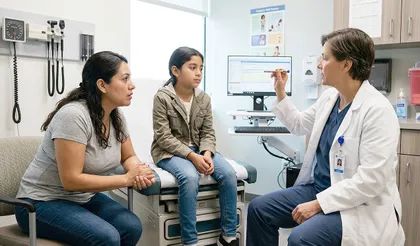
More than one insurance policy may apply after a drunk-driving crash. The main sources of coverage are:
- At-Fault Driver’s Liability Policy: This policy pays covered damages up to its limits.
- Uninsured Motorist (UM) Coverage: This coverage applies when the at-fault driver has no insurance.
- Underinsured Motorist (UIM) Coverage: This coverage may apply when the at-fault driver’s liability limits are lower than the applicable UM/UIM limits, and the statutory requirements are met.
- Medical Payments (Med-Pay) Coverage: This coverage can help pay medical bills before a settlement, if the policy includes it.
- Health Insurance: This coverage may pay for treatment while the claim is pending.
UM/UIM coverage under California Insurance Code § 11580.2 may be available through a household auto policy or the policy covering the vehicle the child occupied, depending on who qualifies as an insured and the applicable statutory and policy terms.
There is one important limit. If the crash was caused only by a driver insured under that same vehicle’s policy, the policy generally cannot treat its own vehicle as “underinsured.” This limit can matter when the driver was a friend or relative covered by the policy on the car your child was in.
If the at-fault driver was uninsured or wasn’t listed on the insurance, review every policy in the household before accepting any settlement offer.
How a DUI Investigation Affects a Minor’s Injury Claim
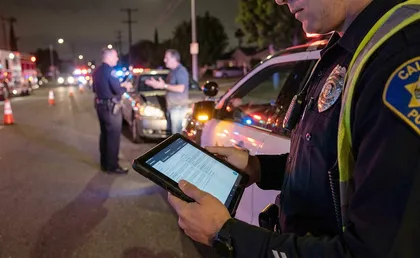
A DUI investigation can give a family useful evidence for a minor passenger’s injury claim. Depending on how the investigation was handled, that evidence may include:
- The collision or arrest report
- Chemical-test results
- Field sobriety observations
- Body-camera footage
- Witness statements
Under California Vehicle Code § 23152, driving under the influence is illegal. A violation of a safety law, such as the DUI statute, may support a presumption of negligence when the requirements of Evidence Code § 669 are met. The family still has to show that the driver’s conduct caused the crash and the child’s injuries.
A DUI conviction is not required before the child can pursue a civil claim. The two cases use different proof standards:
- Criminal Case: The prosecution generally must prove guilt beyond a reasonable doubt.
- Civil Injury Claim: The family generally must prove that it is more likely than not that the driver’s negligence caused the child’s injuries.
Because the civil standard is lower, evidence from the DUI investigation can still be useful even if the criminal case is pending or does not result in a conviction.
The responding agency, such as the California Highway Patrol (CHP) or a local police department, may also prepare a collision report. CHP uses the CHP 555 Traffic Crash Report, while local agencies may use their own approved formats. A qualifying party can request the report, and an attorney may also send a preservation request asking the agency to keep relevant evidence.
The Parents’ Role: Guardian ad Litem and Court Approvals
A minor cannot handle a California lawsuit alone. A parent, guardian, or another court-approved adult may act for the child, including through appointment as the child’s guardian ad litem under Code of Civil Procedure §372. This person represents the child’s interests during the case.
A settlement involving a minor generally requires court approval, even if no lawsuit was filed. Through the Minor’s Compromise process, the judge reviews the settlement, attorney’s fees, and how the child’s money will be protected. Some qualifying petitions can be approved without a hearing.
The court may order the proceeds placed in a blocked bank account, structured settlement, trust, or another approved arrangement. Money in a blocked account generally cannot be withdrawn before the child turns 18 without court approval.
Who Recovers a Child’s Medical Expenses?
Medical expenses for an injured child require special attention because the right to recover them may belong to the parent or may be included in the child’s claim, depending on how the claim is presented. The same medical expenses cannot be recovered twice.
This distinction can also affect filing deadlines. An extended deadline because the injured person is a minor does not extend a separate claim belonging to a parent. For that reason, medical expenses and the applicable deadlines should be identified early.
Documenting a Child’s Injuries
After a crash, it is important to document all of a child’s injuries, not just the ones that are immediately visible. Medical records, imaging, treatment notes, photographs, and follow-up visits can help show the nature and extent of injuries such as fractures, soft-tissue injuries, internal injuries, and traumatic brain injuries (TBIs).
Head injuries deserve particular attention because concussions and other TBI symptoms are not always obvious right away. A child may have headaches, dizziness, trouble concentrating, changes in sleep, mood, or behavior, memory problems, or difficulty keeping up at school.
Parents and caregivers can also help document changes that may not appear during a medical exam. Useful information may include:
- Changes in sleep, mood, behavior, or activity level.
- Missed school or declining school performance.
- Difficulty concentrating, remembering, or completing schoolwork.
- Limits on sports, play, or other usual activities.
- Ongoing pain, therapy, medication, or follow-up treatment.
A healthcare provider can evaluate the child, document symptoms and clinical findings, and recommend follow-up care. School records and observations from parents, teachers, and caregivers may also help show how the injuries affect the child’s daily life over time.
California Legal Deadlines That Apply to Victims Who Are Minors
A minor may have more time than an adult to sue the impaired driver, but some DUI-related claims have much shorter deadlines. Parents should not assume that every deadline is paused until the child turns 18.
| Possible claim | Deadline to know | How the child’s age affects it |
|---|---|---|
| Claim against the impaired driver or another private defendant | California generally allows two years to bring a personal injury lawsuit under CCP § 335.1. | The deadline is often paused while the injured person is under 18 under CCP § 352(a). For many ordinary personal-injury claims against private defendants, this can result in a deadline two years after the child turns 18. |
| Uninsured motorist (UM) claim | Within two years of the crash, the requirements of Insurance Code § 11580.2(i) generally must be satisfied by filing suit against the uninsured driver, reaching an agreement with the insurer, or formally starting arbitration. | Being a minor generally does not extend this two-year requirement. |
| Underinsured motorist (UIM) claim | UIM timing works differently. Coverage generally becomes available only after the responsible driver’s applicable liability limits have been exhausted, and the statutory requirements are met. | A minor’s underlying injury claim against a private driver may be tolled, which can affect when a UIM claim becomes available. |
| Claim involving a government entity | A government claim for personal injury generally must be presented within six months after the claim accrues. | Minority does not automatically postpone the initial six-month deadline. Special late-claim rules may protect an injured minor, but action is still required within strict time limits. |
When a public entity may share fault for the DUI crash, a government claim generally must be filed within six months after the claim accrues. Missing that deadline may still leave the option to submit a late-claim application, but it generally must be made within one year.
After the public entity sends a qualifying written rejection notice, a lawsuit generally must be filed within six months of the notice being personally delivered or deposited in the mail. Without a qualifying rejection notice, a different deadline may apply.
Was your child hurt in a drunk-driving crash? Every case depends on the available insurance, the circumstances of the crash, and the child’s injuries. Arash Law can review your situation and explain your options. Call (888) 488-1391 for a free case evaluation. Hablamos español.
Frequently Asked Questions About Minor Passenger DUI Claims in California
Can a Minor Passenger File a Claim Against a Driver Who Was a Friend or Family Member?
Yes. A minor passenger can still bring a claim when the negligent driver was a friend or relative. In many cases, the claim is handled through the driver’s liability insurance rather than directly between family members or friends. When the insurer provides a defense, it generally handles the defense and settlement negotiations under the policy. It may also have the authority to settle a covered claim without the driver’s separate approval.
What Happens If the Minor Passenger Knew the Driver Had Been Drinking?
It may reduce the recovery, but generally does not bar it. Under California’s pure comparative fault rule, damages are reduced by the injured person’s share of fault. An insurer may argue that a child who knowingly rode with an impaired driver shares some fault. Whether that argument succeeds depends on the circumstances, including the child’s age, intelligence, knowledge, and experience. California generally measures a child’s conduct against what a reasonably careful child with similar characteristics would have done in the same situation.
Can a Bar or Restaurant Be Held Liable for Serving the Drunk Driver?
Generally, no, but there is a narrow exception. Civil Code §1714 is the general rule that a person who furnishes alcohol is not liable for the drinker’s conduct. Business and Professions Code § 25602.1 allows a lawsuit in certain cases when alcohol is sold or furnished to an obviously intoxicated minor, and that conduct is the proximate cause of the injury.
Does a DUI Conviction Guarantee a Civil Settlement or a Specific Recovery Amount?
No. A conviction does not guarantee a specific payout or access to the full policy limits. Under Evidence Code § 1300, a final conviction for a crime punishable as a felony may be used in a civil case to prove facts essential to that judgment, including when the conviction resulted from a no-contest plea. Misdemeanor cases are treated differently. Other evidence from the DUI investigation, such as chemical-test results, witness testimony, and other admissible records, may also be relevant to the civil claim.
Can the Minor’s Settlement Money Be Accessed Before the Child Turns 18?
It depends on how the court orders the settlement proceeds to be held. Money deposited into a blocked account generally cannot be withdrawn before the child turns 18 without court authorization. If the court approves a trust, structured settlement, or another arrangement, payments and access are governed by the terms of that arrangement and the court’s order.
Talk to Arash Law About Your Child’s Drunk-Driving Injury Claim
If your child was hurt in a drunk-driving crash, an attorney can review the available insurance policies, send evidence preservation requests, handle the guardian ad litem appointment (the court-authorized adult who acts for your child in the case), and manage the court approval of your child’s settlement, known as a Minor’s Compromise.
Arash Law offers a free case evaluation. Call (888) 488-1391. Our California injury law firm handles cases on a contingency fee basis, meaning attorney’s fees are paid only from a recovery. Hablamos español.
Reviewed by: Arash Khorsandi, Esq., California State Bar #249405, admitted 2007, last reviewed September 2026
Sources
- California Legislative Information: Code of Civil Procedure (CCP) §335.1, two-year personal injury statute of limitations. https://leginfo.legislature.ca.gov/faces/codes_displaySection.xhtml?lawCode=CCP§ionNum=335.1
- California Legislative Information: CCP §372, guardian ad litem appointment for minors. https://leginfo.legislature.ca.gov/faces/codes_displaySection.xhtml?lawCode=CCP§ionNum=372
- California Legislative Information: Probate Code §3500, parents’ authority to compromise a minor’s claim. https://leginfo.legislature.ca.gov/faces/codes_displaySection.xhtml?lawCode=PROB§ionNum=3500
- California Legislative Information: Vehicle Code §23152, driving under the influence. https://leginfo.legislature.ca.gov/faces/codes_displaySection.xhtml?lawCode=VEH§ionNum=23152
- California Legislative Information: Business and Professions Code §25602.1, limited civil liability for providing alcohol to an obviously intoxicated minor. https://leginfo.legislature.ca.gov/faces/codes_displaySection.xhtml?lawCode=BPC§ionNum=25602.1
- California Legislative Information: Government Code §911.2, six-month government claim deadline. https://leginfo.legislature.ca.gov/faces/codes_displaySection.xhtml?lawCode=GOV§ionNum=911.2
- California Department of Insurance: New Year Means New Changes for Insurance, minimum auto liability limits of $30,000 per person, $60,000 per accident, and $15,000 property damage beginning January 1, 2025. https://www.insurance.ca.gov/0400-news/0102-alerts/2025/New-Year-Means-New-Changes-for-Insurance.cfm
- California Department of General Services, Office of Risk and Insurance Management (ORIM): File Government Claim for Eligible Compensation, Government Claims Program for claims against state entities. https://www.dgs.ca.gov/ORIM/Services/Page-Content/Office-of-Risk-and-Insurance-Management-Services-List-Folder/File-Government-Claim-for-Eligible-Compensation
- California Highway Patrol (CHP): Request a Crash Report, party-of-interest eligibility, and the CHP 190 form. https://chp.ca.gov/traffic/request-a-crash-report/
- National Highway Traffic Safety Administration (NHTSA): Drunk Driving, statistics and resources, 2024 data. https://www.nhtsa.gov/risky-driving/drunk-driving
Disclaimer
The information on this page is for general educational purposes and does not constitute legal advice. No attorney-client relationship is formed by reading or relying on this content. If you were injured, consult a licensed California personal injury attorney about your specific situation.