TL;DR: You can immediately start an injury claim right after an accident, but deadlines vary based on who is responsible for your injury, such as a private individual, government agency, or your employer. A claim is a request for compensation, often made to an insurance company, while a lawsuit is filed in court if the claim isn’t resolved fairly.
Key Facts
- California Code of Civil Procedure Section 335.1 gives you two years to file most personal injury lawsuits, and the clock generally starts on the date of the accident.
- Under California Code of Civil Procedure (CCP) Section 352(a), if the injured person was under 18 at the time of injury, the filing clock does not start until they turn 18; under the standard two-year rule, they have until age 20 to file.
- Government Code § 911.2 requires a formal written claim to the responsible government agency within six months of your injury before any lawsuit can proceed.
- California Insurance Code § 11580.2 states that certain specified actions for uninsured and underinsured motorist claims must typically be taken within 2 years of the date of the accident, and, for hit-and-run claims, require reporting to law enforcement within 24 hours, plus a sworn statement to the insurer within 30 days thereafter.
- Labor Code § 5400 generally requires that written notice of a workplace injury be provided to the employer within 30 days. Under Labor Code § 5405, proceedings to collect specified workers’ compensation benefits generally must be commenced within one year from the date of injury, the expiration of a period covered by applicable disability payments, or the last date applicable medical-treatment benefits were furnished.
- Under California’s Fair Claims Settlement Practices Regulations, insurers generally must acknowledge a claim within 15 days, accept or deny it within 40 days after receiving proof of claim, and pay an accepted claim within 30 days. The 40 days may be extended if the insurer provides the required notice.
Table of Contents
You can start an injury claim right after an accident, and in most cases, you should. There is no single deadline that applies to every claim. How much time you have depends on who caused your injury: a private individual, your own insurance company, a government agency, or your employer.
A claim is not the same as a lawsuit. A claim is a request for compensation, usually sent to an insurance company or a government agency. Meanwhile, a lawsuit is a case filed in court. You often start with a claim and file a lawsuit only if the claim does not settle fairly.
Injury Claim Vs. Injury Lawsuit: Understanding The Difference
After an accident, you have two paths to seek money for your losses. An insurance claim is a request you submit to an insurer to pay under a policy. A lawsuit is a legal action you file in court. Each path has its own rules.
Most cases start with an insurance claim. Your policy may require you to report the accident promptly, depending on the policy’s rules. If the insurer offers too little or denies a claim, the injured party may have the option to file a lawsuit in court.
People often use the phrase “filing a claim” to describe two very different steps, and mixing them up can create confusion about deadlines.
- Injury Claim: A request for financial compensation sent directly to an insurance company, an employer, or a government agency. When you file a claim, you ask the insurer or other responsible party to look at the facts. They will review your losses and determine whether they are covered. This can include medical expenses, property repairs, or temporary disability payments. You can generally start this process without going to court. Insurance policies may also have their own requirements for reporting a claim, so it is important to review the applicable policy terms.
- Injury Lawsuit: A formal legal action filed in a civil court against a person, business, or government entity. A lawsuit may become necessary if an insurance company denies your claim or refuses to offer a fair settlement. To preserve your rights, you generally must file suit before the applicable statutory deadline expires.
This distinction matters because opening or negotiating an insurance claim usually does not give you unlimited time to sue.
Different Types Of Injury Claims And Their Deadlines
When it comes to personal injuries, understanding the various types of injury claims and their associated deadlines is crucial for anyone seeking compensation. Whether it involves a car accident, workplace incident, or premises liability, each case has its own nuances and processes. The timelines for filing claims can vary widely depending on the situation and location. So, victims need to stay informed to avoid missing any important deadline.
Claims Against Another Person’s Insurance
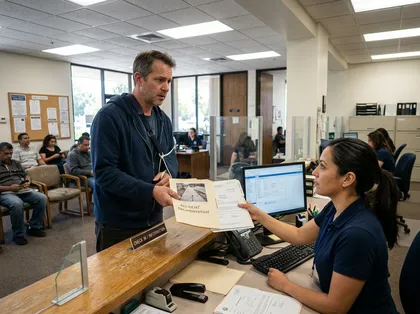
Most injury claims start this way. If another driver, a store, or a property owner caused your injury, you can send a claim to their insurance company. California does not set a specific number of days you must wait or a specific deadline by which this type of claim must be submitted.
Start your claim as soon as you reasonably can, and do not let settlement talks drag past the two-year window.
Why Waiting To Take Action Hurts Your Case
If the insurer doesn’t offer fair compensation, your attorney may take your case to court and file a lawsuit on your behalf.
Evidence Can Disappear Quickly
After an accident, it’s important to gather evidence as quickly as possible due to the following reasons:
- Spills, broken stairs, and skid marks get cleaned or repaired before anyone can document them.
- Store and traffic cameras often delete or overwrite footage within days or weeks, depending on the system.
- Witnesses may forget key details or no longer be reachable.
- Gaps in medical care, like skipping visits to a doctor, may give insurers a reason to deny your claim.
A delay in documentation can lead to the loss of crucial details that may affect any claims or investigations.
An injury attorney can send a notice called a spoliation letter to the at-fault party. This puts them on notice that they must preserve evidence. If they destroy it after receiving the letter, they can face serious legal consequences.
The Deadline For Personal Injury Lawsuits Keep Running
California Code of Civil Procedure § 335.1 gives you two years to file a lawsuit after your injury. This deadline is called the statute of limitations, which is the legal time limit for filing. It covers most injury claims, including:
- Car, truck, and motorcycle accidents
- Slip-and-fall injuries on private property
- Dog bites and animal attacks
- Defective product injuries
Generally, the clock starts on the date of the accident. It keeps running while you recover or deal with insurance. Waiting until treatment ends does not buy you more time on its own.
If you miss the two-year deadline and the other side raises this defense, the court may dismiss your case. You lose all right to seek money for your injuries, even if your case is strong.
In certain circumstances, exceptions can pause the deadline under California law:
Injured Victim Is A Minor
If the injured person was under 18 at the time of injury, the clock does not start until they turn 18. Under the standard two-year rule of California Code of Civil Procedure (CCP) § 352(a), they have until age 20 to file, but the exact deadline can vary by claim type.
Parents may face a critical distinction. Minor tolling does not automatically extend the six-month government claim deadline. If a government entity caused the injury, a parent or guardian must still file that claim within six months. If that deadline is missed, California provides a separate late-claim procedure with additional deadlines.
Mental Incapacity At The Time Of Injury
If the victim lacked mental capacity when the injury occurred, the clock pauses until capacity returns. To qualify under CCP 352(a), the incapacity must have existed at the time of injury.
Defendant Left California
Under CCP § 351, the time a defendant spends outside California may sometimes pause the filing deadline. Courts have set limits on when this rule applies. So, don’t assume that a defendant leaving the state gives you more time to file.
Delayed Discovery
In some instances, the clock does not start ticking because the victim may not realize they were injured immediately. A different legal principle explains when the filing period begins in such cases.
Under the delayed discovery rule, the two-year limit begins when you knew, or reasonably should have known, that you were injured and that someone else’s wrongdoing caused it. Courts apply this rule narrowly. It protects victims with genuinely hidden injuries, not those who ignored warning signs.
This rule may apply to the following types of delayed injuries:
- Internal Injuries: Internal bleeding or organ damage from a car crash may not show obvious symptoms for days or weeks.
- Traumatic Brain Injury (TBI): Some cognitive, emotional, or other concussion symptoms may not appear immediately and can become noticeable hours or days after the injury.
- Gradual-Onset Conditions: Harm from toxic exposure or defective products that build over time without a clear start date.
The burden is on you to prove you could not have found the injury sooner. If you had worsening symptoms and did nothing, a court may not accept delayed discovery as an excuse. Ignoring signs of harm is not the same as being unable to discover them. What this rule does not protect you from is the assumption that insurance negotiations pause your filing clock. They do not.
Claims With Your Own Insurance Company
Sometimes you file a claim with your own insurer instead of, or in addition to, the other party’s insurer. Examples include:
- Uninsured or underinsured motorist claims
- Medical payments (MedPay) coverage
- Homeowners or renters insurance claims for injuries on your property.
These claims can be governed by both your policy terms and California law. Policies often require prompt notice, but uninsured and underinsured motorist claims are also subject to statutory deadlines.
Under California Insurance Code § 11580.2, certain specified actions must typically be taken within two years of the date of the accident.
For uninsured motorist claims involving an unidentified driver, the law generally requires the accident to be reported to law enforcement within 24 hours. You must also submit a sworn statement to your insurer within 30 days thereafter. Your policy may contain additional requirements, so it is important to review its terms.
Claims Against A Government Agency
Under Government Code § 911.2, you must present a formal written claim to the responsible government agency within six months of your injury. Filing a formal written claim within that window is a mandatory first step. Filing this claim is generally a required step before you can proceed with a lawsuit against the government entity.
This rule applies to injuries involving:
- Caltrans: Bad road conditions, potholes, or missing signs on state highways.
- City or County Public Works: Broken sidewalks, damaged roads, or broken traffic signals.
- Public Transit Agencies: A San Francisco Municipal Railway (Muni) bus or county bus that causes a crash.
- Public School Districts: Accidents on school property or involving school vehicles.
- City or County Vehicles: A crash caused by a city truck or a state worker driving on the job.
If you miss the initial six-month claim deadline, an application for permission to present a late claim generally must be submitted within a reasonable time not exceeding one year after the time of the injury or accident. If that application is denied or deemed denied, a petition seeking relief from the court generally must be filed within six months.
Separately, if the agency sends a written rejection that complies with California law, you generally have six months from the date the rejection is personally delivered or mailed to file your lawsuit. If the required written rejection notice is not given, the lawsuit generally must be filed within two years after the claim accrues.
Workers’ Compensation Claims
If you were hurt on the job, your claim generally follows workers’ compensation rules instead of standard insurance claim rules. California law sets two firm deadlines:
- 30 days to notify your employer. Under Labor Code § 5400, you must tell your employer about the injury, in writing, within 30 days.
- One year to pursue workers’ compensation benefits. Under Labor Code § 5405, you generally have one year from the injury date, the end of applicable disability payments, or the last qualifying medical treatment to pursue certain benefits.
Once you submit a DWC-1 form, your employer’s workers’ compensation insurance administrator must authorize up to $10,000 in medical treatment while deciding whether to accept or deny your claim. The insurer has 90 days to accept or deny the claim. If liability is not rejected within that period, the injury is generally presumed compensable, although special rules apply to certain types of claims.
Missing the 30-day notice does not always end your claim, especially if your employer already knew about the injury. But missing the one-year filing deadline generally does. If a third party outside your workplace, such as a driver or equipment manufacturer, also contributed to your injury, you may have a separate claim against them, which generally follows the two-year lawsuit deadline discussed above rather than the workers’ comp timeline.
Wrongful Death Claims
If a loved one died because of someone else’s negligence, eligible surviving family members can generally start an insurance claim right away, the same way an injured person would. There is no fixed statutory deadline for submitting the claim itself.
However, if the claim does not settle, California law generally gives eligible family members two years from the date of death to file a wrongful death lawsuit.
If the death involved a government agency, such as a public bus or a dangerous condition on government property, the six-month government claim deadline discussed above generally applies instead. Because wrongful death cases often involve multiple potentially responsible parties, it helps to identify all of them early so no deadline is missed.
What Happens After You Report An Injury Claim To An Insurance Company?

Once an insurer receives notice of a claim, California’s claims-handling rules impose deadlines on the insurance company.
Under California’s Fair Claims Settlement Practices Regulations, insurers must meet strict deadlines once you file a claim:
- The insurer must confirm receipt within 15 calendar days.
- After receiving your proof of claim (the documents showing your injuries and losses), the insurer has 40 calendar days to accept or deny it.
- If your claim is accepted, payment must go out within 30 calendar days.
Insurance claims run on policy deadlines set by your insurer. Lawsuits are governed by a legal deadline set by California law, fixed by statute, not by any policy.
Frequently Asked Questions About California Filing Deadlines
This section addresses frequently asked questions to help clarify these important timelines. By understanding these key points and potential exceptions, you can better navigate the complexities of your case and ensure you’re taking the right steps at the right time.
Do Insurance Negotiations Extend Your Statute Of Limitations?
In California, talking to an insurance adjuster does not pause your deadline to file a lawsuit. No matter how many calls, letters, or offers you trade, the clock keeps running. When it expires, you typically lose the right to sue.
It’s important to be aware of certain situations that can affect how your case is handled. For example, you may encounter:
- Repeated Document Requests: Sometimes, you might be asked for records that you’ve already submitted, which can extend the time it takes to resolve your claim.
- Adjuster Reassignment: Occasionally, a new adjuster may be assigned toward the end of the process, which can mean that you’ll need to revisit some aspects of your case.
- Delayed Responses: You might experience longer wait times for offer responses.
- Late Offers: If an offer comes in just before a deadline, it can limit your time to negotiate effectively and could affect the outcome of your claim.
Each of these factors can introduce delays and affect the strength of your case. Seeking guidance from an injury claim lawyer can provide you with critical insights and ensure your rights are protected throughout the claims process.
Can You Still Make A Claim If You Waited Months?
Possibly. Waiting several weeks or months after an event does not automatically prevent someone from making a California injury claim.
Whether the claim is still available depends on factors such as:
- The type of accident.
- The date of injury.
- Who caused the injury?
- Whether a government entity was involved.
- Whether the injury happened at work.
- Applicable insurance policy terms.
- Whether the legal filing deadline has passed.
- Whether an exception changes the normal deadline.
The practical concern is evidence. An insurer may examine why treatment or reporting was delayed and whether the event caused the claimed injuries.
Medical records, photographs, witness accounts, work records, and other evidence may help explain what happened and when symptoms developed.
Can I File An Injury Claim Without A Lawyer?
Yes, you can file an injury claim without a lawyer, but it can be risky. Navigating the complexities of personal injury law on your own may lead to missed deadlines, insufficient documentation, or undervalued claims.
Handling your claim independently might save you legal fees initially, but it can result in lower settlements compared to what an experienced attorney could negotiate on your behalf. Furthermore, the process can be overwhelming, especially when dealing with insurance companies that may not have your best interests at heart.
If you’re considering filing a claim, weigh the pros and cons carefully and think about consulting a legal professional to ensure you’re making the best decisions for your situation.
Arash Law has years of experience handling injury cases and has achieved significant results for our clients. Below are some of the cases we’ve won for our clients:
- $1,000,000 — A workers’ compensation matter was referred to Arash Law only two months before the statute of limitations for a possible personal injury case was set to expire. After investigating the circumstances, the legal team identified a third-party liability claim and obtained a $1 million policy-limits resolution.
- $5,000,000 — In one case listed by Arash Law, a client suffered a traumatic brain injury after falling from a moving truck. The firm entered the existing matter more than two years after the accident and helped the client obtain additional rehabilitation and assisted living support.
- $1,000,000 — Arash Law represented a client whose injuries initially appeared minor after a rear-end collision. His back pain worsened over time, and doctors later found a serious spinal disc condition. After a lengthy dispute with the insurer, the matter resulted in a $1 million recovery.
Disclaimer: Results in these cases are not guaranteed and may vary based on individual circumstances. Consult a qualified legal professional for advice on your specific situation.
What If I Were In A Coma After The Accident?
A coma typically qualifies as legal incapacity, meaning the law recognizes you as unable to act for yourself, though courts apply this based on your specific facts. The deadline is paused while you are incapacitated and resumes once you recover. Any exception has limits, so speaking with an attorney now is the safest way to protect what time you have.
Call Arash Law To Know The Applicable Deadline For Your Injury Claim
There is no single California deadline for every injury claim. The safest approach is to identify the type of claim and its deadline as soon as possible after the event. If you have not yet spoken with an attorney, now is the time to act. Every day that passes, evidence becomes harder to gather and your options narrow.
Acting quickly helps preserve evidence and keeps your legal options open. Arash Law handles every personal injury case on a contingency fee basis. That means you pay no attorney’s fees unless we win your case. Call (888) 488-1391 for a free consultation before any deadline closes your options.