TL;DR: A California injury claim may include necessary family care and reasonable treatment-related travel, but family spending alone does not establish recoverability. A lawyer should review each expense’s purpose, necessity, amount, payer, supporting records, and proper claimant. Unpaid nursing care may have recoverable value, whereas voluntary visits and relatives’ lost wages require separate analysis.
Yes, a California injury claim may include necessary family caregiving and reasonable treatment-related travel costs when the evidence supports recovery. Necessary unpaid nursing care can have value even when relatives never expected payment.
Keep receipts alongside records explaining the purpose of each trip or service. Identify who paid, who provided or received the assistance, and whether anyone expects repayment.
Table of Contents

My Family Spent Money Traveling and Helping After My Injury. What Should a Lawyer Review Before Deciding Whether Any of Those Costs Can Be Included in a Claim?
A lawyer should review each expense’s purpose, necessity, amount, payer, supporting evidence, and proper claimant. For caregiving, document the tasks performed, time spent, and reasons assistance was needed.
An adult child’s travel to visit an injured parent does not automatically qualify for reimbursement. If the child also provided necessary care, record those services separately from travel costs.
When someone pays to transport another relative, identify who traveled, why, and whether the trip involved necessary care, medical appointments, or a personal visit.
Also clarify who benefited from each expense, whether the payment was a gift or a loan, and whether repayment is expected.
Key Facts About Family Travel or Caregiving Costs in an Injury Claim
- Necessary unpaid family nursing care can have recoverable monetary value. Hanif v. Housing Authority permits recovery of unpaid family nursing services that qualify, measured by the reasonable cost of competent outside assistance.
- Family visits alone do not establish recoverable injury claim expenses. Civil Code § 3333 requires a legally sufficient connection between the wrongful conduct and the claimed loss; receipts alone do not establish recoverability.
- A helper’s missed wages do not automatically measure caregiving damages. Hanif measures the necessary family nursing services by their reasonable replacement value rather than by the helper’s lost wages.
- Household service losses concern work that the injured person otherwise provided. CACI 3903E requires proof of the reasonable value of household services that the injured person would have been reasonably certain to provide but for the injury.
- Future care damages require evidence supporting necessity, duration, and cost. CACI 3903A requires proof of reasonable costs for reasonably necessary medical care that the injured person is reasonably certain to need.
What Makes a Family Expense Part of an Injury Claim?
A family expense may qualify as part of an injury claim when it is reasonably necessary, connected to the injury, and supported by evidence. Proving injury-related damages involves establishing the connection between the injury and the claimed losses. California Civil Code section 3333 ties compensation to harm that the wrongful conduct legally caused.
For example, a receipt can show that your daughter paid a caregiver, while medical records explain why you needed assistance. Counsel can assess whether the charge was reasonable and whether the expense belongs in your claim.
Payment records also help distinguish gifts, loans, unpaid balances, and payments from insurance or another source.
Which Family Travel Costs Need Closer Review?
Reasonable travel for the injured person’s necessary treatment may support an injury claim. A relative’s travel expenses require a separate review of why the trip was necessary and how it relates to the injury.
Transportation to Medical Appointments
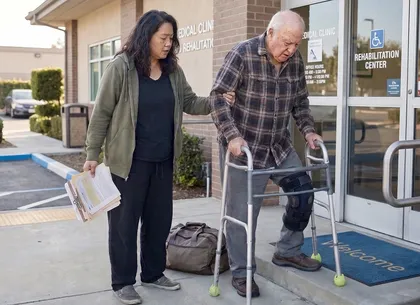
Transportation costs for necessary medical appointments may be eligible when they are reasonable and related to the injury. Records that help assess a potential injury claim include receipts for treatment-related transportation and necessary assistance. Keep appointment confirmations, mileage logs, parking receipts, toll records, and rideshare fares.
Explain why you needed a driver or escort if the injury limited your ability to travel safely. A relative who helped you enter a clinic provided different assistance from someone who only drove.
A rideshare receipt documents transportation, regardless of whether the original injury involved an Uber vehicle. For injuries arising from an Uber accident, Uber accident lawyers can assess whether later transportation costs are connected to the injury.
Visits and Trips With Several Purposes
Family trips involving both visits and caregiving require closer review to determine which expenses, if any, are attributable to necessary injury-related assistance. Record any actual assistance separately, including the dates, tasks, and limitations that required help.
For a trip combining care and personal activities, identify the different purposes honestly. Keep itineraries and care dates together so counsel can examine the relationship between the travel and assistance.
Overnight Travel and Mileage Rates
Overnight lodging and mileage expenses may warrant review, but they are not automatically recoverable.
Explain why treatment or necessary assistance required an overnight stay. Bring appointment schedules, discharge instructions, lodging receipts, and any recommendations for an accompanying person.
An IRS medical mileage rate does not automatically establish the amount recoverable in a California injury lawsuit. IRS Publication 502 addresses medical expense tax deductions, which are subject to a different legal framework.
How Do Paid Care and Unpaid Family Help Differ?
Paid care involves charges for services provided, while unpaid family care may have recoverable value even without payment. Both categories need evidence connecting the assistance to injury-related needs.
Paid Personal Assistance
Paid personal assistance may qualify as an injury-related expense when the services were reasonably necessary and the charges were reasonable. Keep invoices describing the actual services, dates, hours, and charges.
Medical records can explain limitations involving bathing, dressing, transfers, or other daily activities. California’s medical expense instruction requires proof of the reasonable cost of reasonably necessary care.
Unpaid Nursing and Attendant Care
California law recognizes the reasonable value of necessary nursing services provided by relatives without expecting payment. In Hanif v. Housing Authority of Yolo County (1988) 200 Cal.App.3d 635, 644–645, the court evaluated that value using the cost of competent outside nursing and attendance. The court treated the services as part of the injured person’s damages, rather than as a separate claim for the relatives’ financial losses.
Record what your relative actually did rather than assigning a general value to their presence. Describe assistance with transfers, prescribed medication, bandages, or other care when those tasks accurately reflect the help.
Keep unpaid services clearly labeled as unpaid. Do not create receipts suggesting that money changed hands when it did not.
Replacement Household Services
Replacement household services differ from personal care because they address work you would have provided if the injury had not limited your abilities. CACI 3903E focuses on the reasonable value of household services you would have been reasonably certain to provide without the injury, even when you did not earn wages.
Describe your previous cooking, cleaning, childcare, or other household responsibilities and how the injury changed them.
What to Organize When Tracking Family Travel and Caregiving Expenses
Use this organizer to record who incurred each expense, why it was necessary, who received the transportation or assistance, and what documentation is available.
| Expense or Help | Purpose, Payer, and Recipient | Evidence to Save | What to Ask Your Lawyer |
|---|---|---|---|
| A family member’s visit | Record who traveled, who paid, who was visited, and whether the trip involved actual care. | Tickets, hotel receipts, and travel dates. | Can any part of the trip qualify if my relative also provided necessary care? |
| Travel for another relative | Identify the passenger, payer, recipient of assistance, and reason for the trip. | Fare receipts, travel details, messages, and relevant care instructions. | Was the person’s travel reasonably necessary because of my injury, or was it a voluntary visit? |
| Rides to medical appointments | Identify who drove, who paid, the patient transported, and the purpose of the treatment. | Appointment records, gas or mileage logs, parking receipts, and fares. | Can these transportation costs be included in my claim? |
| Paid help at home | Record who provided help, what they did, how much it cost, and who paid. | Bills, receipts, payment records, and care instructions. | Can I claim the reasonable cost of necessary help? |
| Unpaid help from family | Identify who helped, who received care, the tasks performed, and the time spent. | Notes about daily care, dates, and medical instructions. | Can the necessary care my family provided have a recoverable value? |
| Help with household chores | Record which chores the injury prevented you from doing, who took over, and who paid for any replacement services. | Receipts, dates, and notes about your usual responsibilities. | Can the value of household work I could no longer perform be included? |
For each entry, also record the amount, date, whether payment occurred, and whether repayment is expected. Do not combine multiple family members’ payments into a single unexplained amount.
What Should a Care Log Include?
A care log should include who provided the help, what they did, how long it took, and why your injury made the assistance necessary.
For example, an entry might read: “Tuesday: Assisted with wheelchair transfers for approximately 30 minutes because the injured person could not transfer safely alone.”
Separate hands-on care from family visits, personal errands, and general availability. If supervision was needed for safety, describe the concern and any supporting medical instructions rather than automatically recording round-the-clock care.
Can a Relative Claim Their Own Financial Losses?
A relative generally cannot claim their own financial losses simply because they paid expenses or helped you after your injury. Counsel can assess whether the relative has a separate legal basis for recovery.
A helper’s usual employment wage does not automatically establish the value of necessary care.
A spouse or qualifying registered domestic partner may have a separate loss-of-consortium claim if the required legal elements are met, including injury-related harm to companionship and other protected relationship interests. This claim does not include the relative’s caregiving-related lost earnings or the value of nursing services they provided.
An adult child or other relative does not automatically receive a separate claim for travel costs, lost income, or emotional distress arising from the injured person’s condition.
How Should You Document Future Help Before Settlement?
Document the type, expected duration, and reasonable cost of care you are likely to need after settlement.
Your treating provider can help document functional restrictions, expected recovery, and assistance needs. Future medical care and life-care planning can also help estimate the reasonable cost of ongoing assistance after a serious injury.
Have counsel review the proposed release before signing a settlement. A release can end your ability to seek additional damages for the same injury, including later care costs within its scope.
Request a Review of Your Family Expense Records
Arash Law can review your family’s travel, caregiving, and other injury-related expenses to discuss which costs may fit your injury claim. Call (888) 488-1391 for a free initial consultation focused on expense documentation, potential claim boundaries, and the scope of legal representation.
Frequently Asked Questions About Family Travel and Caregiving Costs in California
What If My Relative Paid Cash and Lost the Receipt?
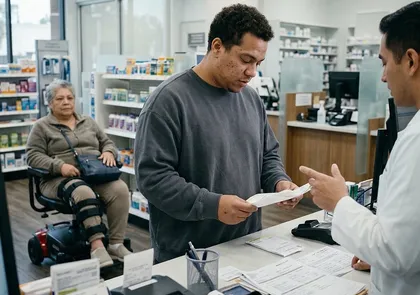
You may still be able to document the expense without the original receipt. Gather messages, provider confirmations, appointment records, and any available account history to support the payment and its purpose. Never recreate a receipt that falsely appears to come from the original provider.
Does Paying a Relative Make Every Hour Recoverable?
No, paying a relative does not automatically make every hour of assistance recoverable. The services must be reasonably necessary because of the injury, and the charges must be reasonable.
Can My Family Submit the Same Expense Twice?
Your family can disclose the same expense when explaining who paid or contributed, but cannot recover compensation twice for the same loss. If relatives split a bill, record each person’s contribution and the total charge.
What If We Did Not Keep a Care Log From the Start?
You can still document past caregiving using calendars, messages, appointment records, and your relative’s recollection. Label reconstructed entries as estimates and identify when you prepared them.
Tell your attorney which tasks or hours you cannot reliably remember rather than filling gaps with assumptions.
Should We Wait Until All Expenses Are Final Before Consulting a Lawyer?
No, you can consult a lawyer before all family travel and caregiving expenses are final. Bring current records and identify ongoing services or costs you cannot yet estimate. Continue updating your records as new information becomes available.
Talk to Arash Law About Your Options After an Injury
Not every family expense qualifies for compensation. Arash Law can review your expense records and discuss which losses may be recognized under California law.
Call (888) 488-1391 to discuss your situation with our attorneys. We can explain potential recovery options, address questions about your family’s involvement, and help you understand the next steps without promising a particular outcome.
Sources
- California Civil Code § 3333: Establishes the general measure of damages for harm proximately caused by wrongful conduct.
https://leginfo.legislature.ca.gov/faces/codes_displaySection.xhtml?sectionNum=3333.&lawCode=CIV- Hanif v. Housing Authority of Yolo County (1988) 200 Cal.App.3d 635, 644–645 & fn. 4: Addresses the reasonable value of necessary unpaid family nursing services and distinguishes the injured person’s damages from relatives’ own wage losses. https://pifc.org/wp-content/uploads/2020/08/Hanif20Case.pdf
- Judicial Council of California, Civil Jury Instructions (CACI), 2026 Edition, No. 3903A — Medical Expenses (Past and Future): Addresses reasonable costs of reasonably necessary past and future medical care.
https://courts.ca.gov/system/files/file/judicial_council_of_california_civil_jury_instructions_2026.pdf- Judicial Council of California, Civil Jury Instructions (CACI), 2026 Edition, No. 3903E — Loss of Ability to Provide Household Services (Economic Damage): Addresses the reasonable value of household services the injured person would have been reasonably certain to provide without the injury.
https://courts.ca.gov/system/files/file/judicial_council_of_california_civil_jury_instructions_2026.pdf- Judicial Council of California, July 2026 Supplement, CACI No. 3920 — Loss of Consortium (Noneconomic Damage): Explains qualifying consortium losses and excludes nursing services, caregiving-related lost earnings, and replacement household service expenses from that award.
https://courts.ca.gov/system/files/file/judicial_council_of_california_july_2026_supp.pdf- Internal Revenue Service, Publication 502 — Medical and Dental Expenses: Explains federal tax treatment of medical transportation, mileage, and qualifying lodging expenses. These federal tax rules do not independently determine recoverable damages in a California personal injury claim.
https://www.irs.gov/publications/p502Disclaimer
This content is for educational purposes only and does not create an attorney-client relationship. Whether family travel, caregiving, or other support costs may be included in an injury claim depends on the circumstances, supporting evidence, and applicable California law. Consult a licensed California attorney about your specific situation. Arash Law: (888) 488-1391.