TL;DR: Both reports can be useful, but neither is a universal prerequisite for speaking with a California injury lawyer. Business records may document what staff knew and how they responded, while police records may contain information from a law enforcement investigation. Confirm which reports exist, bring what you have to a legal consultation, and ask the lawyer whether any additional reporting duties apply to you.
No, you don’t have to wait. You can talk to a lawyer about an accident before a business or law enforcement agency finishes its report. These records may support an injury claim, but you don’t need to collect both before booking a legal consultation. A lawyer can review the information you have and help determine what additional steps may be necessary.
Bring any copies, reference numbers, photographs, and correspondence you already have. Let the lawyer know whether you’ve already contacted the business or the police, or only plan to do so. Counsel can help identify missing information and determine which reporting steps in California apply to your circumstances.
Key Facts About Business and Police Reports in California
- You can consult an injury lawyer without either report. A lawyer can review your account and available evidence before a business or law enforcement agency completes its investigation.
- Business and police reports document different information. Business records may contain employee observations and staff responses, while police reports may include witness statements and investigative findings.
- You may need to request each report separately. Businesses control their internal incident records, while law enforcement agencies investigate and handle requests for their reports. Different access procedures may apply.
- Reporting an incident does not guarantee a completed report. A business or agency may acknowledge receiving information without conducting a full investigation or preparing a final report.
Table of Contents

I Was Told to Report the Accident to the Business and the Police. Do I Have to Wait For Both Reports Before Consulting a Lawyer, and What Does Each One Provide?
You can consult a lawyer without either report. Being told to notify a business or the police about an incident, such as a pedestrian accident, doesn’t mean you have to wait for either to release its report before getting legal advice.
The two records serve different purposes, and separate reporting procedures may also produce them. That means they may provide different information about an incident. Neither one will necessarily give a complete account of what happened, so your lawyer may need to review both alongside other available evidence.
Pedestrian accident lawyers can help you figure out what you need to report, who holds the relevant records, and how to request copies.
What Does Each Report Provide?
A business report and a police report can provide different evidence about the same incident. Their usefulness depends on who supplied the information, what the author observed, and whether anyone investigated further.
A record’s existence does not establish that its author witnessed the incident.
| Issue | Business Incident Record | Law Enforcement Report |
|---|---|---|
| Purpose | Internal documentation of an event, staff response, or information the business received. | Documentation of a reported event or the agency’s investigation. |
| Possible Contents | Incident details, customer account, staff observations, witness information, and assistance provided. | Parties involved, incident location, witness statements, officer observations, diagrams of the scene, and investigative findings. |
| Custodian | Business management, corporate risk staff, the business’s insurer, or another designated record holder. | The investigating agency and its records unit. |
| How to Obtain It | Business procedures, voluntary disclosure, or applicable legal processes. | Agency procedures and legal access requirements. |
| Main Limits | May contain incomplete accounts or information from people without direct knowledge. | May omit evidence, contain conflicting statements, or reflect a limited investigation. |
What Does a Business Incident Record Provide?
A business incident record can document when staff received information and what the reporting person said. It may also identify employees, witnesses, or assistance that could help reconstruct events.
The business may keep your statement separately from its internal investigation or insurance file. Ask who holds each record and how to request your statement, any acknowledgment, and the incident report.
A business won’t necessarily hand over its internal files as soon as you ask. If a lawsuit follows, counsel can assess document requests through California’s civil discovery process.
What Does a Police Report Provide?
If a vehicle struck a pedestrian, the investigating law enforcement agency may have a collision report on file. An injured pedestrian can contact that agency to ask whether a report exists and how to request a copy.
A police report may supply identifying information, witness accounts, scene observations, and investigative findings. Its scope depends on the agency’s response and the kind of report it created.
An agency might log a call without conducting a full collision investigation. Ask whether your number identifies a service call, incident entry, or completed report.
To obtain a traffic accident report in California, contact the investigating agency’s records unit. Confirm identification requirements, fees, availability, and whether supplements require a separate request.
Does Either Report Decide Who Bears Responsibility?
No. Neither report settles civil responsibility on its own. A lawyer must compare the accounts with other evidence and evaluate the applicable legal duties.
There are also legal limits on how much either report can support a personal injury claim. Under Evidence Code § 1271, a business record must meet certain requirements before a court can accept it as evidence of the information it contains. Police reports may also raise questions about hearsay and other evidence rules.
A lawyer can tell the difference between an investigative lead and evidence a court will allow at trial.
What Can You Bring to a Consultation If You Have Neither Report?
Bring your own account and whatever supporting information you already have, even if neither report exists. Useful materials include:
- Photos you took of the scene.
- Witness contact details.
- Medical information.
- Communications about the incident.
Organize these materials by date and note which documents you shared with the business, law enforcement, or anyone else. This can help counsel reconstruct the reporting timeline and identify information that still needs verification.
How Can a Lawyer Evaluate the Incident Without Both Reports?
A lawyer can begin by reviewing your account, injuries, available evidence, and potential legal deadlines. Even without a police report, other records may help establish what happened. An initial consultation can pinpoint questions that need investigation, even if it can’t resolve every issue right away.
For a potential pedestrian injury claim, explain how the injury happened and whether a vehicle was involved. Describe how the business is connected to the incident, including any staff response or possible recordings.
If missing records prevent a fuller assessment, ask which facts are still unresolved and how your lawyer plans to get them.
Does Consulting a Lawyer Without Either Report Change Your Reporting or Filing Duties?
 No, talking to a lawyer without business or police reports doesn’t relieve you of other reporting or filing duties that apply to your circumstances. If you are asked to notify a business or the police about an incident, do so.
Likewise, requesting either report does not automatically extend legal deadlines:
- State law generally allows two years to file an ordinary personal injury lawsuit against a private party (Code of Civil Procedure § 335.1).
- If a public entity may share responsibility for the incident you reported, you usually only have six months from the date of your injury to present a claim (Government Code § 911.2).
Though exceptions may apply, these legal filing deadlines generally start on the date of your injury and keep running while you pursue an injury claim. For this reason, you don’t have to wait to receive your own copy of a business or police report to seek legal advice.
Request a Consultation With the Information You Have
You can contact the California injury attorneys at Arash Law about your injury without first obtaining a business report or police report. Call (888) 488-1391 for a free initial consultation.
Describe the incident and explain which records you already have. Our team can discuss your questions and identify information that may require further investigation.
When Do You Need a Business Report or a Police Report?
You may need either report during an insurance review, a personal injury claim investigation, or a personal injury lawsuit. The specific request or legal requirement determines which record you need and whether other evidence can serve the same purpose.
- Insurance Review: An insurer may request an existing report to verify incident details or assess coverage. Ask what it needs if no report exists.
- Disputed Facts: Your lawyer may need to review a report containing statements, witness information, or observations relevant to what’s in dispute. Other evidence may help address gaps.
- Document Requests in a Lawsuit: A valid discovery request or court order may require you to produce relevant reports you possess or control. Your lawyer can tell you whether any objections apply.
Reporting an incident and obtaining a completed report are separate steps. A law or insurance provision may require timely notice before the agency finishes its report, so ask counsel about applicable requirements promptly.
How Can You Keep Track of Business and Police Reports?
If you plan to consult a lawyer before receiving a copy of a business or police report, keeping track of the status of each one can help you stay organized and understand when copies will be available for counsel to review.
You can take note of:
- Whom you contacted.
- What information you shared.
- Whether anyone acknowledged your report.
- Which documents you requested.
You can download this business and police report tracker and fill it out to keep track of these key details. Here’s how to use it:
- Write down only what you know, and leave unanswered questions for later. You do not need to complete this worksheet or obtain either report before consulting a lawyer.
- Keep track of actual dates. Record when the incident happened and when you contacted each recipient. If you prepare a written account later, use the date you actually wrote it rather than the incident date.
- Save your communications. Keep copies of your statements, confirmation messages, and any corrections you submit. An acknowledgment does not necessarily mean someone completed an investigation or accepted responsibility.
If you choose to bring a tracker to your first legal consultation, an attorney can help answer some questions you may have, such as:
- Who holds the file?
- Did the business or law enforcement agency I notified create a report?
- Who will handle my follow-up concerns?
- What records currently exist?
- Do I need identification or authorization to obtain a copy of either report?
- Is the current business or police report complete?
Frequently Asked Questions About Business and Police Reports in California
Should I Give the Same Account to the Business and the Police?
Yes. Give each recipient an accurate account based on what you know firsthand. Different forms may ask different questions, so answers need not use identical wording.
Separate what you observed from what someone else told you. If your memory changes or new information emerges, explain the addition rather than forcing the records to match.
Can I Report an Incident If I Do Not Remember the Exact Time?
Yes. State that you do not remember the exact time and identify any estimate clearly. Use receipts, messages, or other records to narrow down the time, but don’t present a guess as a certainty.
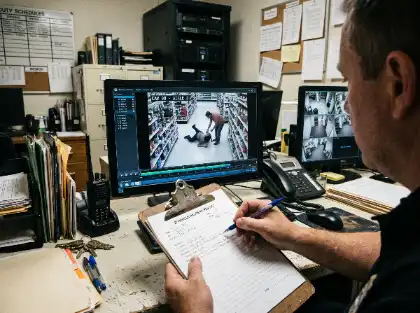
Does a Business Report Also Notify the Police or an Insurer?
Not always, so don’t assume it does. Ask the business whether it contacted anyone else and what confirmation it can provide.
Keep separate entries for each recipient you know received information. Counsel can determine whether additional notice or reporting applies.
Does Reporting Automatically Preserve Video?
Not necessarily. Reporting alone doesn’t mean a business or agency saved the relevant recordings. Tell counsel about possible cameras, their locations, and the approximate time window. They may be able to send evidence preservation requests on your behalf.
Does a Reference Number Mean a Business or the Police Completed a Report?
No. A reference number may only identify a call, an initial entry, or another record.
Rather than assuming that the report is ready, ask the business or the police what the number represents and whether a report is still pending.
What If Neither the Business Nor the Police Can Locate a Report?
Write down who searched, what identifying details you gave them, and what they told you. Ask whether another branch, department, or agency may hold the record.
Tell your lawyer that the search didn’t turn up a report, rather than saying there’s no record anywhere. Other evidence may still help establish what happened.
How Should I Handle Report Errors or Missing Copies?
Identify specific errors and ask the record holder how to submit a correction or supplement. Keep the original record alongside your written explanation and any response.
Don’t alter an existing report, and don’t sign an account you believe is inaccurate. If the recipient declines a copy request, record that response without treating the refusal as proof of fault.
Discuss Your Injury With Arash Law
Unanswered questions about incident records shouldn’t stop you from exploring your legal options. Arash Law can discuss the available information, potential reporting obligations, and issues that may require further investigation.
Call Arash Law at (888) 488-1391 for a free initial consultation about a California pedestrian injury. Explain what happened and which reporting steps, if any, you have already taken.
Sources
- California Vehicle Code § 20012: Collision-report access for people with a proper interest. https://leginfo.legislature.ca.gov/faces/codes_displaySection.xhtml?lawCode=VEH§ionNum=20012.
- California Evidence Code § 1271: Requirements for the business-records hearsay exception. https://leginfo.legislature.ca.gov/faces/codes_displaySection.xhtml?lawCode=EVID§ionNum=1271.
- California Courts: Requests for documents from another party during a lawsuit. https://www.selfhelp.courts.ca.gov/discovery-civil/request
- California Code of Civil Procedure § 335.1: General two-year personal injury lawsuit deadline. https://leginfo.legislature.ca.gov/faces/codes_displaySection.xhtml?lawCode=CCP§ionNum=335.1.
- California Courts: Government claims and subsequent lawsuit deadlines. https://selfhelp.courts.ca.gov/civil-lawsuit/government-claim
- California Government Code § 911.2: Administrative claim deadlines for public-entity injury claims. https://leginfo.legislature.ca.gov/faces/codes_displaySection.xhtml?lawCode=GOV§ionNum=911.2.
Disclaimer
This content provides educational information and does not create an attorney-client relationship. Consult a licensed California attorney about your circumstances and deadlines. Arash Law — (888) 488-1391.