TL;DR: You can still make a California injury claim without a police report. Photos, medical records, witnesses, video, and incident reports can help prove your claim. Some situations, including certain traffic and hit-and-run cases, have separate reporting rules.
Yes, you can still make an injury claim in California without a police report. Most personal injury claims do not require police involvement.
The main issue is whether you have evidence showing how the injury occurred, who may be responsible, and what losses you suffered.
A missing report can make some disputes harder to resolve. However, photographs, medical records, witnesses, video, and other records can provide the evidence you need.
Key Facts About Injury Claims Without a Police Report in California
- You can still pursue an injury claim without a police report. California negligence law does not generally require a police report for recovery.
- Other evidence can support your claim. Photos, videos, medical records, witness statements, incident reports, and physical evidence can help show what happened.
- Traffic crashes can trigger separate reporting rules. Vehicle Code (CVC) §§ 20008 and 16000 require certain law enforcement and DMV reports following qualifying collisions.
- Some hit-and-run claims require prompt police reporting. Insurance Code (INS) § 11580.2 sets special requirements for certain uninsured motorist (UM) claims involving unidentified drivers.
- A police report does not decide who is legally responsible. Insurers and courts may consider other evidence when determining fault and damages.
- Different filing deadlines can apply. Code of Civil Procedure (CCP) §§ 335.1 and 338 generally provide two years to sue for personal injury and three years for property damage, while Government Code (GOV) § 911.2 generally gives six months to present certain government claims.
Table of Contents

Do You Need a Police Report to File an Injury Claim in California?
A police report is not a general requirement for making a California personal injury claim. Many injuries happen in places where police do not normally respond. Common examples include stores, workplaces, apartment buildings, restaurants, and private homes.
In these scenarios, a business may instead prepare an incident report after a slip-and-fall, animal control may investigate a dog bite, and an employer may document a workplace injury. The records they create can help establish when and where the injury happened. Medical records, witnesses, photographs, and video can provide additional proof.
For a negligence claim, the focus remains on the responsible party’s conduct, causation, and your resulting damages. A police report is only one possible source of information about the facts of your case.
When Do You Need a Police Report?
You do not need a police report for every California injury claim, especially if you sustained harm in a place or way that police do not normally investigate. However, some traffic and insurance claims have specific rules that require you to have a report made, even if officers did not initially respond to the scene. These reporting duties are separate from your right to seek compensation.
Traffic Collisions
If a crash causes injury or death, CVC § 20008 generally requires the driver to submit a written report within 24 hours. The report goes to the CHP or, for a crash within a city, to either the CHP or the local police department.
California also requires a separate DMV report after certain collisions. Under CVC § 16000, drivers generally must submit an SR-1 form within 10 days when:
- Someone was injured.
- Someone was killed.
- Property damage to any one person exceeded $1,000.
The SR-1 requirement applies even when police or an insurer has already received another report. It also applies regardless of who caused the collision.
These reports do not decide who is responsible for the injury. They satisfy separate reporting duties under California law.
Hit-and-Run Accidents
A police report can be required when you seek UM coverage after certain hit-and-run crashes.
California’s INS § 11580.2 sets conditions for these claims when the driver can’t be identified. Generally, the law requires the following:
- Physical contact with the unknown vehicle.
- Report the accident to the police or CHP within 24 hours.
- File a sworn statement with your insurer within 30 days.
Failing to meet these requirements may affect your ability to use UM coverage for an unknown driver claim.
Disputes Over Fault
A police report can help establish the facts of the case when the people involved disagree about how an accident happened. It may document statements, witnesses, vehicle positions, road conditions, and citations. Insurers can use that information when reviewing fault, but the report does not decide legal responsibility. An officer may not have witnessed the incident.
Without a report, having additional evidence becomes more important. That’s because California follows a pure comparative fault system. If an insurer can prove that you contributed to your injury, you can still recover damages, but your share of fault can reduce your recovery.
What Evidence Can Support an Injury Claim Without a Police Report?
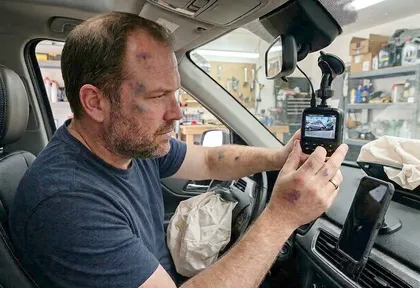
Instead of a police report, you’ll need records that help establish how the injury happened, who may be responsible, and what losses resulted. Useful evidence that you need for a personal injury claim may include:
- Photos and Videos: Images can show the accident scene, unsafe conditions, damaged property, visible injuries, or vehicle positions. Video may also capture how the incident happened.
- Witness Accounts: Independent witnesses can confirm what they saw or heard. Their statements may be especially useful when the parties disagree.
- Medical Records: Treatment records can document your injuries, symptoms, diagnosis, and care after the incident. They can also help link your condition to the accident.
- Incident Reports: A store, employer, property owner, hotel, school, or other organization may have created its own report. These records can help document when and where the injury occurred.
- Surveillance or Dashcam Footage: Video from nearby businesses, homes, parking areas, or vehicles may show the incident. Because some systems routinely overwrite footage, preservation requests should be made promptly.
- Physical and Documentary Evidence: Damaged property, receipts, maintenance records, inspection logs, messages, emails, and insurance records may support different parts of the claim.
The most useful evidence depends on the type of accident. A slip-and-fall case may rely heavily on surveillance footage and maintenance records, while a traffic accident claim may depend more on photos, witnesses, and vehicle damage.
What Should I Do if No Report Was Made?
If no police report exists, create a clear record of what happened and protect evidence that may disappear. Write down the date, time, location, people involved, and what you personally remember.
From here, consider taking the following steps when they apply:
- Get Medical Care: Have your injuries evaluated and follow the treatment plan given by your providers.
- Report the Incident: Notify the appropriate business, property owner, employer, insurer, or agency. Ask whether an incident report can be created.
- Save Important Records: Keep medical bills, receipts, damaged property, correspondence, and insurance documents.
- Request Available Footage: Ask businesses or property owners to preserve surveillance video before it is routinely deleted.
- Keep Your Account Consistent: Give accurate information and avoid guessing about facts you do not remember.
- Check for Special Reporting Rules: Traffic crashes, workplace injuries, government claims, and certain hit-and-run claims can have separate requirements.
You do not need to create a police report for an accident that law enforcement would not normally investigate. The goal is to preserve reliable evidence that supports your version of events.
Arash Law can review the records you already have and identify other evidence that may still be available. The firm has recovered more than $1 billion for injured clients across California.
Call (888) 488-1391 for a free initial consultation with our injury attorneys.
Important Deadlines to Remember When Filing an Injury Claim
A missing police report does not extend your filing deadline. The applicable deadline depends on the type of loss and who caused it:
- Personal Injury Lawsuits: CCP § 335.1 generally gives you two years to sue a private party for an injury caused by wrongful conduct or neglect.
- Property Damage Lawsuits: CCP § 338 generally provides a 3-year statute of limitations for lawsuits involving damage to real or personal property.
- Government Claims: GOV § 911.2 generally requires you to present a personal injury claim to the proper public entity within six months. If the entity properly denies the claim, GOV § 945.6 generally gives you six months from the rejection notice to sue.
- UM Claims: INS § 11580.2 includes a separate two-year requirement for preserving many UM claims. You generally must file suit, reach an agreement with the insurer, or formally start arbitration within that period.
- Workplace Injuries: California workers should promptly report job-related injuries to their employer. Waiting more than 30 days can affect workers’ compensation benefits, which employees generally must file a claim for within a year. The date on which that deadline begins depends on the facts of the case.
Several deadlines can apply to the same accident. For example, one incident may involve bodily injury, damaged property, and a government entity.
Frequently Asked Questions About Injury Claims Without a Police Report in California
Will Not Having a Police Report Lower the Value of My Injury Claim?
Not necessarily. Claim value generally depends on factors such as the severity of the injury, medical expenses, lost income, long-term effects, liability, and available insurance. However, a missing report can make negotiations harder when the other party disputes fault and there is little other evidence.
Can I Still Make a Claim if My Injury Did Not Show Up Until Later?
Yes. Some injuries or symptoms may not become clear immediately after an accident. A delayed diagnosis does not automatically prevent a claim.
However, you still need evidence connecting the injury to the incident. Medical records, your reported symptoms, and the timing of treatment can help establish that connection.
What if a Business Refuses to Give Me Its Incident Report?
You can still pursue an injury claim even if a business does not voluntarily give you its incident report. Keep a record showing when you reported the accident and who received the report. Other evidence, such as photos, witnesses, medical records, receipts, and surveillance footage, can also support your claim.
If a lawsuit is filed, relevant business records may be obtainable through the discovery process.
Can a 911 Call or Paramedic Record Help if There Is No Police Report?
Yes. A 911 call, dispatch record, or emergency medical record can help document when and where an incident occurred.
These records may also show what injuries or symptoms were reported soon afterward. They do not necessarily prove fault, but they can support the timeline and other evidence in the claim.
What if the Other Person Admitted Fault but There Is No Police Report?
An admission can support your claim, especially if it appears in a text message, email, recorded communication, or witness account.
However, an admission does not always end a dispute over liability. An insurer may still investigate the circumstances and compare the statement with photos, witnesses, physical evidence, and other records.
Can an Insurance Company Ask Me for a Recorded Statement?
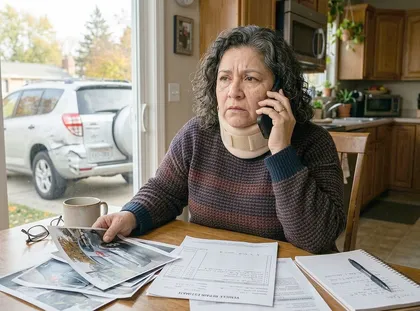
Yes. An insurer may request a written or recorded statement during a claim investigation. The California Department of Insurance notes that insurers may take recorded statements during the claims process.
Whether you must provide one can depend on which insurer is asking and the terms of any applicable policy. Read requests carefully and avoid guessing about facts you do not remember.
Do Lawyers Only Get Paid If They Win?
Many California personal injury lawyers do, as they work on a contingency fee basis. Under this arrangement, the attorney’s fee generally comes from money recovered through a settlement or judgment. In other words, they only get paid if they obtain compensation for a client.
California Business and Professions Code § 6147 requires contingency fee agreements to be in writing and include specified terms. The agreement should also explain how case costs and expenses will be handled. The exact fee and case costs depend on the agreement you sign.
Talk to Arash Law About Your Claim
You can still pursue an injury claim when no police report exists. Photos, medical records, witnesses, incident reports, video, and other evidence can help show what happened and who caused your losses.
Arash Law handles injury claims involving unsafe property, dog bites, traffic accidents, workplace incidents, defective products, and other accidents throughout California. Our attorneys can review the available evidence, identify records that another person, business, insurer, or agency may hold, and help obtain them on your behalf.
Call (888) 488-1391 for a free initial consultation. You can reach out to us 24/7.
Sources
- Judicial Council of California, CACI No. 400, Negligence — Essential Factual Elements
https://courts.ca.gov/system/files/file/judicial_council_of_california_civil_jury_instructions_2026.pdf- California Business and Professions Code § 6147 https://leginfo.legislature.ca.gov/faces/codes_displaySection.xhtml?lawCode=BPC§ionNum=6147
- California Code of Civil Procedure § 335.1
https://leginfo.legislature.ca.gov/faces/codes_displaySection.xhtml?lawCode=CCP§ionNum=335.1- California Code of Civil Procedure § 338
https://leginfo.legislature.ca.gov/faces/codes_displaySection.xhtml?lawCode=CCP§ionNum=338- California Government Code § 911.2
https://leginfo.legislature.ca.gov/faces/codes_displaySection.xhtml?lawCode=GOV§ionNum=911.2- California Government Code § 945.6
https://leginfo.legislature.ca.gov/faces/codes_displaySection.xhtml?lawCode=GOV§ionNum=945.6- California Insurance Code § 11580.2
https://leginfo.legislature.ca.gov/faces/codes_displaySection.xhtml?lawCode=INS§ionNum=11580.2- California Vehicle Code § 20008
https://leginfo.legislature.ca.gov/faces/codes_displaySection.xhtml?lawCode=VEH§ionNum=20008- California Vehicle Code § 16000
https://leginfo.legislature.ca.gov/faces/codes_displaySection.xhtml?lawCode=VEH§ionNum=16000- California Department of Insurance, So You’ve Had an Accident, What’s Next? https://www.insurance.ca.gov/01-consumers/105-type/95-guides/01-auto/hadaccident.cfm
- California Division of Workers’ Compensation, Injured Worker Guidance
https://www.dir.ca.gov/dwc/InjuredWorker.htmDisclaimer
The information on this page is for general educational purposes and does not constitute legal advice. No attorney-client relationship is formed by reading or relying on this content. If you were injured, consult a licensed California personal injury attorney about your specific situation. Arash Law: (888) 488-1391.