TL;DR: A pregnant pedestrian hit by a driver who flees should get immediate medical attention. She may still file a claim and pursue compensation. If the driver is found, the claim may involve the driver’s insurance. If the driver remains unknown, uninsured motorist coverage may apply if requirements are met. Evidence and medical records can help show how the crash affected the pedestrian and the pregnancy.
If a driver hits a pregnant pedestrian and flees, immediate medical care should come first. Afterward, the pedestrian may have options for pursuing compensation depending on whether the driver is identified, what insurance coverage applies, and what evidence shows about the crash and resulting injuries.
Table of Contents

I Was Pregnant and Crossing the Street When a Driver Hit Me and Fled. What Claims and Evidence Should I Be Thinking About?
You may have a personal injury claim for your own injuries and losses. If police identify the driver, the claim may go through the driver’s liability insurance. However, if police never find the driver, uninsured motorist coverage may apply depending on your coverage and whether you meet the reporting and physical contact requirements. If your child is later born with injuries linked to the crash, the child may also have a separate claim.
Evidence from the scene and your medical records, including prenatal records from before or after the crash, can help show the collision affected you and the pregnancy.
Key Facts About Pregnant Pedestrian Hit-and-Run Claims in California
- A hit-and-run claim may involve different insurance paths. If police identify the driver, the pedestrian may pursue the driver’s liability insurance. If the driver remains unknown, applicable uninsured motorist coverage may be available as an alternative.
- Unknown driver UM claims have strict requirements. Insurance Code § 11580.2 generally requires physical contact with the vehicle, a law enforcement report within 24 hours, and a sworn statement to the insurer within 30 days.
- The pedestrian must still prove fault after a hit-and-run. Leaving the scene is a separate violation, but the injury claim still requires evidence showing that the driver caused the collision.
- Pregnancy-related losses require medical support. Medical records can help show whether the crash caused added care, complications, or other damages.
- A child may have a separate injury claim after birth. A child born alive with crash-related prenatal injuries may have a separate claim under California law.
- Different deadlines apply to different claims. Personal injury lawsuits, uninsured motorist claims, government claims, and prenatal injury claims each follow separate timing rules.
How a Pregnant Pedestrian Hit-and-Run Claim Works in California
California Vehicle Code § 20001 requires a driver involved in an injury crash to stop immediately. Vehicle Code § 20003 also requires the driver to provide identifying information and give reasonable assistance to anyone injured. These duties apply even when the driver believes someone else caused the collision.
Leaving the scene of the crash can lead to criminal charges. More serious penalties can apply when the collision causes death or permanent, serious injury.
The criminal case is separate from the pedestrian’s injury claim. An injured person does not need to wait for a conviction to seek compensation. If the driver is convicted, the criminal court may also order restitution for qualifying losses under Penal Code § 1202.4.
For the injury claim, what happens next largely depends on whether police identify the driver.
If the Police Identify the Hit-and-Run Driver
Once police identify the driver, the pedestrian can investigate that person’s insurance and other available coverage.
If the driver caused the collision, the pedestrian can generally make a bodily injury claim against the applicable liability policy.
Currently, the minimum auto liability insurance in California is:
- $30,000 for injury or death to one person.
- $60,000 for injury or death to two or more people in one crash.
- $15,000 for property damage, which may help cover personal items damaged in the crash, such as a phone, glasses, or a stroller.
These are only minimum limits. A driver may carry higher coverage.
The pedestrian may also need to investigate other policies.
For example, coverage through a vehicle owner or employer may apply depending on who owned the car and why it was being driven.
Finding the driver does not always mean the driver’s insurance will fully cover the injuries. If the identified driver has liability insurance, the injured pedestrian generally files a claim under that policy. UM or UIM coverage may become relevant if the driver has no insurance or insufficient limits to cover the damages.
If the driver has no liability insurance, applicable uninsured motorist (UM) coverage may provide another source of compensation. When the driver has insurance but too little coverage, underinsured motorist (UIM) coverage may apply.
UIM benefits generally become available after a settlement or judgment exhausts the applicable liability limit.
California also gives the UIM insurer credit for amounts paid by responsible parties. UIM coverage does not simply stack its full limit onto the driver’s policy.
A pregnant pedestrian should review her own policy even after police identify the driver.
If the Hit-and-Run Driver Is Never Found
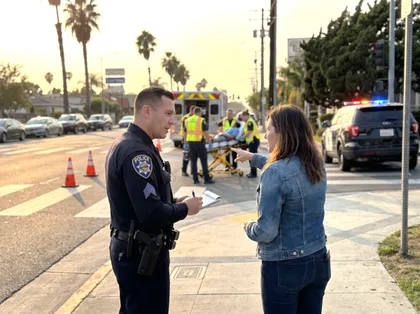
If police cannot identify the driver, applicable UM coverage may provide compensation. A pedestrian can qualify even though she was walking when struck. However, UM coverage is not automatic for every pedestrian. The injured person must generally qualify as an insured under an applicable policy, such as their own auto insurance policy or another policy that extends coverage to them.
Depending on the policy, coverage may also be available under a household auto policy, in which the pedestrian qualifies as an insured, such as certain policies that cover a spouse or resident relative.
You may wonder, “Can I still make an injury claim in this situation?” California Insurance Code § 11580.2 sets several requirements for an unknown-driver UM claim:
- Physical Contact: The unidentified vehicle generally must make physical contact with the insured person or the occupied insured vehicle.
- Police Report: The insured, or someone on her behalf, must report the collision to law enforcement within 24 hours.
- Correct Agency: Crashes within a city generally go to the city police. For crashes in unincorporated areas, the pedestrian may report to the county sheriff or CHP.
- Sworn Statement: The insured must generally provide the insurer with a sworn statement within 30 days of the accident.
If the 24-hour period has passed, the crash should still be reported. A pedestrian accident lawyer can review whether UM coverage applies and whether another policy may provide compensation.
Proving Liability in a Pregnant Pedestrian Accident
A driver who leaves the scene may face hit-and-run charges, but fleeing does not automatically prove fault for the collision.
To recover compensation, the pedestrian must generally prove that the driver was negligent. This requires showing that:
- The driver owes a duty of care. Drivers must operate their vehicles safely and follow traffic laws.
- The driver breached that duty. A violation such as failing to yield, speeding, driving while distracted, or ignoring a traffic signal may indicate careless conduct.
- The breach caused the collision and injuries. Evidence must connect the driver’s actions to the crash and resulting harm.
- The pedestrian suffered legal damages. Evidence must support medical bills, lost income, pain and suffering, and other losses.
California Vehicle Code § 21950 generally requires drivers to yield to pedestrians using marked and unmarked crosswalks at intersections. Drivers must also use reasonable care to avoid collisions.
Pedestrians have duties as well. They should not suddenly enter a vehicle’s path when the vehicle cannot reasonably stop.
California follows pure comparative fault. If the pedestrian shares responsibility, her share of fault reduces her compensation by that percentage but does not bar recovery.
For example, an insurer may argue that the pedestrian crossed outside a crosswalk, entered against a signal, or stepped into traffic unexpectedly. Evidence such as traffic signals, video footage, witness statements, and scene conditions can help determine each party’s share of fault.
Claims Involving the Baby
A hit-and-run during pregnancy can affect more than the mother’s own claim. Under California Civil Code § 43.1, a child who was conceived before the crash and later born alive with crash-related injuries may have a personal injury claim of their own. A parent or guardian generally brings this claim on the child’s behalf.
The child’s claim may include medical expenses, ongoing care needs, and other losses tied to the prenatal injury. Because the claim must show that the collision caused or contributed to those injuries, medical evidence plays a central role.
If the child is born alive but later dies from crash-related injuries, eligible family members may bring a wrongful death claim under Code of Civil Procedure § 377.60.
California law treats a stillbirth differently. In Justus v. Atchison (1977) 19 Cal.3d 564, the California Supreme Court held that a stillborn fetus is not a “person” under the state’s wrongful death statute. However, the mother may still pursue her own injury claim for physical harm, medical care, emotional distress, and other losses caused by the collision and the pregnancy loss.
If the Pregnant Pedestrian Dies From the Crash
If the pregnant pedestrian dies from crash-related injuries, certain surviving family members may bring a wrongful death claim under Code of Civil Procedure § 377.60. Depending on the circumstances, her estate may also pursue a survival action for claims she could have brought before her death.
Evidence That Can Help Support Your Claim
A hit-and-run claim often depends on evidence from several sources. The driver may be gone, but the collision can leave behind information that helps establish identity and fault.
Useful evidence can include:
- Law enforcement records. Save the report number and any information about the hit-and-run investigation.
- Witness information. Names, phone numbers, and statements can help identify the vehicle or explain how the collision happened.
- Video footage. Nearby businesses, homes, vehicles, and traffic systems may have recorded the crash or fleeing vehicle.
- Scene photographs. Photos can document the crosswalk, signals, roadway, clothing, injuries, and vehicle debris.
- Vehicle information. Write down any remembered plate numbers, vehicle descriptions, damage, decals, or identifying features.
- Emergency medical records. These records can document injuries, reported symptoms, and medical evaluation after the collision.
- Prenatal records. Earlier records can show the condition and progress of the pregnancy before the crash.
- Post-crash obstetric records. These can document monitoring, new symptoms, treatment, restrictions, or pregnancy complications.
- Insurance documents. Policy declarations can help identify UM coverage and applicable limits.
Physical trauma during pregnancy can increase the risk of complications, including placental abruption. Medical assessment should guide decisions about testing and monitoring.
Pregnant people involved in a vehicle collision should follow medical advice about evaluation and monitoring. Depending on the stage of pregnancy and the circumstances of the crash, healthcare providers may recommend monitoring for symptoms such as abdominal pain, bleeding, contractions, fluid leakage, or changes in fetal movement.
The goal is to show what changed after the collision rather than to assume that every subsequent condition resulted from the crash.
What Compensation May Cover a Pregnant Pedestrian Hit-and-Run
A personal injury claim seeks compensation for losses caused by the collision. The available damages depend on the injuries, medical records, insurance coverage, and other facts.
A pregnant pedestrian may seek compensation for:
- Emergency treatment.
- Follow-up medical care.
- Added obstetric care caused by the collision.
- Past and future lost earnings.
- Reduced earning ability.
- Future medical expenses.
- Pain and suffering.
- Emotional distress.
- Other proven financial losses.
The claim should distinguish ordinary pregnancy care from treatment caused by the crash. An ordinary prenatal appointment does not become a crash-related expense simply because it happened afterward. However, added testing or treatment ordered because of the collision may become part of the claim.
Medical and mental health records can document these harms. In some cases, an obstetrician or psychologist may testify. The amount of any recovery depends on the facts, the medical proof, and the available coverage.
For a UM claim, if the insured and the UM insurer cannot agree on whether the insured is entitled to recover or on the amount of damages, Insurance Code § 11580.2(f) generally requires the dispute to be decided through arbitration by a single neutral arbitrator.
To preserve a UM claim, one of the actions specified in Insurance Code § 11580.2(i) generally must occur within two years of the crash: a bodily injury lawsuit against the uninsured motorist, an agreement on the amount due under the policy, or a formal written demand for arbitration. A phone call or informal discussion with an adjuster may not satisfy this requirement.
California Victim Compensation Board
Under Government Code § 13955, injuries from a driver who fails to stop in violation of Vehicle Code § 20001 can qualify for CalVCB help. CalVCB may pay for medical care, mental health services, and lost income. It covers only costs that insurance and other sources don’t pay.
Practical Next Steps After a Crash During Pregnancy
Understanding what to do after an accident during pregnancy can help both your health and your ability to pursue compensation under California law.
- Get appropriate medical care. Tell the medical team that a vehicle struck you and that you are pregnant.
- Report the collision promptly. The 24-hour rule is especially important when an unknown-driver UM claim may apply.
- Write down vehicle details. Record any plate numbers, color, body style, damage, markings, or other features you remember.
- Get witness information. A witness may have seen details that you could not see during the impact.
- Identify nearby cameras. Businesses, homes, parked vehicles, and doorbell cameras may have recorded the crash.
- Keep your medical records. Save prenatal records from both before and after the collision.
- Review available auto insurance. Check your policy and any other household policies that may provide UM coverage.
- Save proof of losses. Keep bills, wage records, receipts, work notes, and other documents tied to the collision.
- Consult a lawyer. A pedestrian accident attorney can assess your situation and determine your legal options.
Pedestrian hit-and-run UM claims involve physical contact requirements, prompt-reporting conditions, binding arbitration, and pregnancy-specific damages that standard injury cases rarely include.
Arash Law has years of experience representing injured Californians in a wide range of personal injury cases, including complex pedestrian accidents. We can review available insurance, evidence, and possible sources of compensation.
Call (888) 488-1391 for a free case evaluation. You can reach out to us 24/7.
Filing Deadlines Pregnant Pedestrian Accident Victims Need to Know
Different deadlines can apply depending on whether the driver is identified, whether a government entity is involved, and whether the claim involves the mother or child.
A government claim deadline may become relevant if a public entity may share responsibility, such as when the claim involves a government vehicle or an allegedly dangerous condition of public property.
Missing a required deadline can affect the ability to pursue compensation. The following deadlines commonly apply:
| Deadline | What It Covers | Law |
|---|---|---|
| 24 hours | Report to law enforcement for an unknown-driver UM claim. | Insurance Code § 11580.2(b)(2). |
| 30 days | Sworn statement to the insurer for an unknown-driver UM claim. | Insurance Code § 11580.2(b)(2). |
| 6 months | Written claim against a public entity. | Government Code § 911.2. |
| 2 years | Personal injury lawsuit for the injured pedestrian. | Code of Civil Procedure § 335.1. |
| 2 years | Lawsuit, settlement agreement, or arbitration demand for a UM claim. | Insurance Code § 11580.2(i). |
| 6 years from birth | Child’s claim for injuries suffered before or during birth. | Code of Civil Procedure § 340.4. |
| Generally 7 years | CalVCB application: different timelines may apply based on discovery, age, or an accepted late filing. | Government Code § 13953. |
A child’s age does not automatically extend California’s government claim presentment deadline. If a public entity may be responsible, the six-month claim requirement may still apply.
These deadlines do not always apply in every case. Exceptions and additional requirements can depend on the facts, the parties involved, and the type of claim.
A lawyer can confirm which deadlines fit your facts.
What Arash Law Has Recovered for Pedestrian Accident Victims
Arash Law has recovered over $1 billion for injured clients across California. The following results from past accident cases show the firm’s experience handling pedestrian accident claims involving serious injuries and complex liability issues:
$10,000,000 — Pedestrian Accident: A client was run over by a speeding vehicle. Arash Law helped secure medical care for the client during recovery and obtained a $10 million settlement.
$1,750,000 — Auto vs. Pedestrian: Arash Law secured a $1.75 million settlement for a client hit by an uninsured driver while crossing a hazardous intersection. The firm investigated the dangerous conditions at the intersection and pursued a claim against the responsible parties.
Past results do not guarantee future outcomes. Every case is different, and results depend on the specific facts and evidence involved.
Frequently Asked Questions About Pregnant Pedestrian Hit-and-Run Accidents in California
Should I Wait Until After Giving Birth Before Making a Claim?
You do not need to wait until after delivery to begin the claim process. Starting early can help preserve evidence, report the collision, review insurance coverage, and document medical care related to the crash.
The final value of the claim may depend on how the pregnancy progresses, what treatment is needed, and whether the collision causes lasting effects.
What if My Doctor Says the Collision Increased My Pregnancy Risks?
Your claim can include pregnancy-related care when medical evidence connects that treatment to the crash.
Medical records can help show what care was added after the collision and why it was needed. Documentation from your OB/GYN, specialists, and other providers can also help explain how the crash affected your pregnancy.
What Evidence or Insurance Issues Matter Most in This Situation?
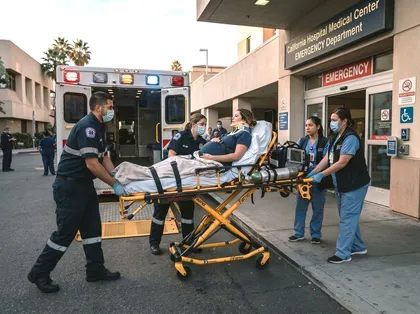
If the driver is never identified, the uninsured motorist deadlines take precedence. You must generally report the crash to law enforcement within 24 hours and give the insurer a sworn statement within 30 days. The vehicle must also generally have made physical contact with you.
Next, check your own auto policy and any household policies for UM or UIM coverage and limits. If the driver is found but has insufficient insurance, UIM coverage may provide additional benefits, subject to your policy limits, exhaustion requirements, and statutory credits for amounts paid by responsible parties.
For evidence, quickly secure video footage, as businesses and homeowners may overwrite it within days. Keep prenatal records from before the crash and obstetric records from after it, so you can show which care or complications resulted from the collision.
Can I Recover if the Driver Claims They Did Not See Me?
A driver’s claim that they did not see a pedestrian does not automatically eliminate liability.
The investigation may consider visibility, lighting, traffic conditions, speed, the crossing location, traffic signals, witness statements, and available video. The driver may still be responsible if they failed to use reasonable care.
What if the Hit-and-Run Happened in a Parking Lot or on Private Property?
You may still have a claim. Liability depends on who caused the collision and the circumstances of the location.
The responsible party could include a driver, vehicle owner, business, or another party, depending on the facts.
Do I Need a Pedestrian Accident Lawyer for a Pregnant Hit-and-Run Claim?
Not every claim requires an attorney, but legal guidance can be helpful when fault, insurance coverage, or pregnancy-related damages are disputed.
A pedestrian accident lawyer can help investigate the crash, review available insurance, preserve evidence, evaluate potential claims, and handle communications with insurers.
An attorney can also help determine whether the claim involves only the driver or whether other parties may share responsibility.
How Much Does It Cost to Hire a Pedestrian Accident Lawyer?
Many pedestrian accident lawyers handle injury cases on a contingency fee basis. That means the attorney’s fee is generally paid from a recovery rather than charged up front. A written agreement should explain the fee arrangement and other terms before representation begins.
Talk to Arash Law About Your Pedestrian Accident Claim
A pregnant pedestrian hit-and-run claim can involve several issues at once, including identifying the responsible driver, reviewing available insurance coverage, proving fault, and documenting pregnancy-related injuries.
When the driver is not immediately identified, uninsured motorist rules and evidence preservation can become especially important. If the driver is found, the claim may involve liability insurance and other possible sources of compensation.
Arash Law’s pedestrian accident attorneys help injured clients investigate collisions, review insurance options, preserve important evidence, and pursue compensation for medical care, lost income, and other losses.
You pay no attorney’s fees unless the firm recovers compensation for you.
Call (888) 488-1391 for a free initial consultation.
Sources
- California Legislative Information. California Insurance Code § 11580.2: Uninsured and Underinsured Motorist Coverage.
https://leginfo.legislature.ca.gov/faces/codes_displaySection.xhtml?lawCode=INS§ionNum=11580.2- California Legislative Information. California Vehicle Code § 20001: Duty to Stop After an Injury Collision.
https://leginfo.legislature.ca.gov/faces/codes_displaySection.xhtml?lawCode=VEH§ionNum=20001- California Legislative Information. California Vehicle Code § 20003: Duty to Provide Information and Assistance After a Collision.
https://leginfo.legislature.ca.gov/faces/codes_displaySection.xhtml?lawCode=VEH§ionNum=20003- California Legislative Information. California Vehicle Code § 21950: Pedestrian Right-of-Way at Crosswalks.
https://leginfo.legislature.ca.gov/faces/codes_displaySection.xhtml?lawCode=VEH§ionNum=21950- California Legislative Information. California Civil Code § 43.1: Rights of a Child Born Alive After Prenatal Injury.
https://leginfo.legislature.ca.gov/faces/codes_displaySection.xhtml?lawCode=CIV§ionNum=43.1- California Legislative Information. California Code of Civil Procedure § 335.1: Two-Year Personal Injury Filing Period.
https://leginfo.legislature.ca.gov/faces/codes_displaySection.xhtml?lawCode=CCP§ionNum=335.1- California Legislative Information. California Code of Civil Procedure § 340.4: Injuries to Children Before or During Birth.
https://leginfo.legislature.ca.gov/faces/codes_displaySection.xhtml?lawCode=CCP§ionNum=340.4- California Legislative Information. California Code of Civil Procedure § 377.60: Wrongful Death Claims.
https://leginfo.legislature.ca.gov/faces/codes_displaySection.xhtml?lawCode=CCP§ionNum=377.60- California Legislative Information. California Government Code § 911.2: Six-Month Government Claim Deadline.
https://leginfo.legislature.ca.gov/faces/codes_displaySection.xhtml?lawCode=GOV§ionNum=911.2- California Legislative Information. California Government Code § 13955: California Victim Compensation Board Eligibility.
https://leginfo.legislature.ca.gov/faces/codes_displaySection.xhtml?lawCode=GOV§ionNum=13955- California Legislative Information. California Penal Code § 1202.4: Restitution in Criminal Cases.
https://leginfo.legislature.ca.gov/faces/codes_displaySection.xhtml?lawCode=PEN§ionNum=1202.4- California Department of Motor Vehicles. Automobile Liability Insurance Requirements.
https://www.dmv.ca.gov/portal/vehicle-registration/insurance-requirements/- California Highway Patrol. Traffic Collision Investigation and Reporting.
https://www.chp.ca.gov/- California Victim Compensation Board. Victim Eligibility and Covered Expenses.
https://victims.ca.gov/Disclaimer
The information on this page is for general educational purposes and does not constitute legal advice. No attorney-client relationship is formed by reading or relying on this content. If you were injured, consult a licensed California personal injury attorney about your specific situation. Arash Law: (888) 488-1391.