TL;DR: Yes, you can sue a drunk person who injured you in California without waiting for a criminal case to conclude. You must prove that their actions caused your injuries, and you can seek compensation for medical bills, lost wages, pain and suffering, and punitive damages through a civil lawsuit. The two-year statute of limitations means you must file before that deadline or compromise your right to sue.
Highlights:
- Call 911 immediately and report signs of impairment to law enforcement at the scene.
- Document the incident with photos and videos of vehicles, damage, and any alcohol-related evidence.
- Seek medical care the same day, even if injuries feel minor, to create a medical record.
- File an SR-1 form with the California DMV within 10 days for traffic collisions.
- Do not accept early settlement offers from insurance adjusters before knowing your full injury extent.
- Gather police reports, BAC test results, witness statements, and criminal case records to prove fault.
- File your civil lawsuit within two years of the accident date to meet the legal deadline.
Tip: Stick to the facts when speaking with insurers and avoid speculating about injuries or the crash.
Table of Contents
Yes, you can sue the driver who hit you, and you do not need to wait for the criminal case to move forward. A criminal driving under the influence (DUI) case is brought by the state to punish the driver for breaking the law. Your civil lawsuit is separate, brought by you to recover compensation for what you lost.
Being “hit” by a drunk person can mean different things. Most often, it means being struck by a drunk driver’s vehicle, and that’s the focus of most of this article. However, if a drunk person physically struck you with their hands or an object, you may have a separate type of claim called civil battery, which is discussed further below. Either way, you have the right to pursue compensation.
A civil lawsuit can succeed even if the driver never faces a criminal conviction. If the driver takes a plea deal, pleads to a lesser charge, or avoids jail entirely, you still have the right to hold them financially responsible in civil court. The burden of proof in a civil case is also lower than in a criminal one. You only need to show it is more likely than not that the driver’s intoxication caused your injuries and losses.
How Do You Prove The Drunk Driver Was At Fault?
To hold the driver liable for your injuries, you generally need to show that they acted carelessly or broke a safety law and that their conduct caused your injuries. A driver can still be impaired even if no test shows a blood alcohol concentration (BAC) above the legal limit.
In a civil case, the claim must be proven by a preponderance of the evidence. That means you do not have to prove guilt beyond a reasonable doubt. You only need to show that it is more likely than not that the driver’s conduct caused the crash and your injuries.
California Vehicle Code § 23153 applies when a driver is under the influence, or has an unlawful BAC, and also commits an unlawful act or fails to perform a legal duty that causes injury to another person. A violation may constitute negligence per se under Evidence Code § 669. This creates a rebuttable presumption that the driver did not use reasonable care. You still have to show that the violation caused your injuries and damages.
Drunk driving remains a serious problem in California. According to the UC Berkeley Safe Transportation Research and Education Center (SafeTREC), 1,355 people were killed in alcohol-impaired crashes statewide in 2023.
Data Transparency Note
This page uses the most recent and accurate publicly available data from the UC Berkeley Safe Transportation Research and Education Center (2023). We will update this content when newer reliable data becomes available.
California’s legal BAC limits depend on the driver’s age and type of license:
- Standard Drivers (21+): 0.08% or more.
- Commercial Drivers: 0.04% or more.
- Passenger-for-Hire Drivers: 0.04% or more, the same limit that applies to commercial drivers.
- Minors (Under 21): 0.01% or more.
- Drivers on DUI Probation: 0.01% or more.
A DUI accident victim attorney can help gather evidence to show the driver was drunk and caused the crash. Key types of evidence include:
- Police Report: Officer’s notes and any DUI citation from the scene.
- BAC Test Results: Blood or breath test showing the driver’s alcohol level.
- Witness Statements: Accounts of the driver’s behavior or condition.
- Criminal Case Records: Depending on the evidentiary rules, relevant materials may include chemical-test records, officer observations, sworn testimony, a qualifying conviction, or an admissible guilty plea.
This evidence can help show the driver was at fault. Once the fault is clear, other parties may also share financial responsibility for your injuries.
Who Else Can Be Held Liable For A Drunk Driving Crash?
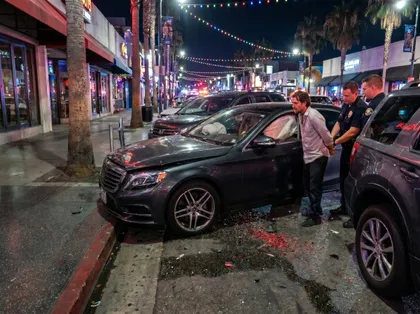
The drunk driver is often the primary at-fault party. However, other parties can also share financial blame depending on the situation. Knowing who else shares legal responsibility for your injuries can change what your case is worth:
- Vehicle Owner: A car owner may be held responsible if they allowed a drunk driver to use the vehicle. The owner could face additional liability if they knew, or should have known, the driver was unsafe or unfit to drive.
- Employer: If the drunk driver was working at the time of the accident, their employer may be liable. An employer may be liable if the driver was acting within the course and scope of employment, such as making a delivery or performing an assigned work task.
- Bar or Restaurant (Limited Cases Only): Under Business and Professions Code 25602.1, they are only liable if they served alcohol to a clearly drunk minor under 21 whose intoxication then proximately caused an injury or death. This isn’t limited to car accidents, though that’s the most common scenario in DUI cases.
Finding every liable party matters. A vehicle owner or employer may carry more insurance coverage than the driver alone. Reviewing all available coverages before accepting a settlement can help you make a more informed decision. DUI accident victim lawyers can evaluate your case and help determine what your civil claim may be worth.
What Compensation Can You Pursue In A California Injury Lawsuit?
A California DUI injury claim may include economic and non-economic damages. Economic damages cover your out-of-pocket losses. Non-economic damages cover your pain and suffering. In some rare instances, punitive damages may be pursued.
Here is what each type covers:
- Economic Damages: Money for your real, out-of-pocket costs. This includes medical bills, future care, lost wages, and vehicle repair or replacement.
- Non-Economic Damages: Money for harm that is harder to measure. This includes physical pain, suffering, and emotional distress. It also covers conditions like anxiety or post-traumatic stress disorder (PTSD).
- Punitive Damages: Compensation meant to punish the drunk driver, not just pay your bills. Courts award these when the driver acted with malice or conscious disregard for other people’s safety.
Punitive damages make DUI claims different from regular crash cases. Under California Civil Code § 3294, a court can award them when there is clear and convincing evidence that the drunk driver acted with malice, oppression, or fraud. Put simply, that means the driver chose to act with dangerous disregard for others, to treat someone cruelly, or to lie to cause harm.
California has no general statutory cap on punitive damages in ordinary injury cases. However, constitutional due-process rules limit excessive awards. Courts consider the seriousness of the conduct, the relationship between punitive and compensatory damages, and comparable civil penalties. Single-digit ratios are more likely to survive review, but even a lower ratio may be excessive when compensatory damages are substantial.
There is one important limit. Punitive damages may not be covered because of California public policy, Insurance Code § 533, or the terms of the policy. That means the driver may have to pay them out of their own pocket. If you are worried about whether the driver can cover any damages they may be found liable for, that is a question worth discussing with a lawyer before you settle.
What Happens If The Drunk Driver Doesn’t Have Insurance?
If the drunk driver has no insurance or does not have enough coverage for your losses, your own uninsured/underinsured motorist (UM/UIM) coverage can step in. Some drunk drivers may carry little or no insurance, which is why this coverage matters.
- UM Coverage: This applies when the at-fault driver has no available insurance.
- UIM Coverage: This may provide additional compensation when the at-fault driver’s liability limits are insufficient and lower than your applicable UIM limits, subject to the policy, statutory offsets, and proof of damages.
UM/UIM coverage may compensate proven bodily-injury damages, including medical expenses, lost earnings, and pain and suffering, subject to your selected limits, policy terms, statutory offsets, and exclusions. It generally does not shift punitive damages to your own insurer.
A common worry is whether using this coverage will raise your rates. Under California law, your insurer cannot increase your premiums for a crash that was not your fault, although your premium may still change for other lawful rating reasons.
Tell your insurance company about the crash as soon as possible and check your policy’s deadlines. California law may require you to file a lawsuit, reach an agreement with the insurer, or formally request arbitration within two years to protect your uninsured motorist claim. If the other driver cannot be identified, even shorter deadlines may apply for reporting the crash to the police and notifying your insurer.
What Steps Should You Take After A Drunk Driving Accident?
After getting hurt in a drunk driving accident, the steps you take in the next few hours can protect your health and preserve your ability to seek compensation. Acting quickly helps build the evidence your case will depend on.
- Call 911 right away. Tell the dispatcher about any signs of impairment you noticed in the other driver. These can include slurred speech, the smell of alcohol, or erratic behavior. Let law enforcement handle the driver.
- Document the scene. If it is safe to do so, take photos and videos of the vehicles, the road, any visible damage, and any signs of alcohol near the at-fault car.
- Get medical care right away, even if you feel okay. Some collision injuries do not cause immediate or obvious symptoms, and pain or stiffness may develop later. Seek evaluation from an appropriate healthcare provider, and get emergency care for severe or worsening symptoms. A prompt medical visit documents your symptoms and may help connect them to the crash.
- Report the incident to the DMV. File an SR-1 form with the California Department of Motor Vehicles (DMV) within 10 days. Under Vehicle Code § 16000, a driver generally must submit an SR-1 within 10 days when a collision causes injury, death, or more than $1,000 in damage to the property of any one person.
- Do not accept a quick settlement offer. An insurance representative may contact you before the full extent of your injuries is known. Review any proposed release carefully, as accepting a settlement may permanently resolve the covered claims. Accepting a quick offer may prevent you from seeking more compensation if new losses arise. Knowing what you may be entitled to after a drunk driver hits you can help protect your rights.
Each of these steps creates evidence your attorney can use to show what happened, who was at fault, and what you lost. Knowing what to do after being hit by a drunk driver in California can help protect your health, preserve important evidence, and safeguard your legal rights.
Frequently Asked Questions
Injury claims in California can involve overlapping deadlines, questions of shared fault, and legal rules that are hard to navigate on your own. If you’re thinking “I need a personal injury lawyer,” that instinct is worth acting on. These deadlines and rules apply regardless of whether criminal charges were ever filed against the intoxicated person who hurt you.
What If An Intoxicated Person In California Physically Struck Me?
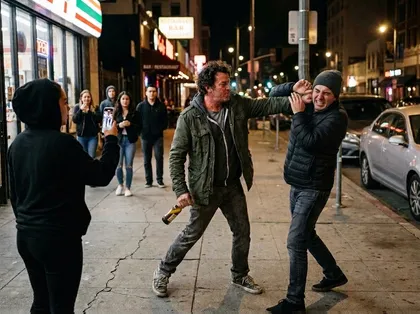
Not every incident involving an intoxicated person is an accident. In some cases, a drunk individual may intentionally punch, shove, or otherwise physically assault someone. When this happens, the injured person may have grounds to pursue a civil battery claim under California law, rather than a negligence claim.
A civil battery claim focuses on intentional, harmful, or offensive contact. If the assault caused injuries, the victim may be able to seek compensation for medical bills, lost wages, pain and suffering, and other losses. Depending on the circumstances, criminal charges against the attacker may also be filed, but a civil claim is separate and can proceed regardless of whether criminal charges are brought. Because every case is unique, it is important to consult with a personal injury attorney to understand your legal options and determine the appropriate course of action.
How Long Do I Have To File A Drunk Driving Accident Claim In California?
Insurance claims have separate notice or filing deadlines that vary by policy and circumstances, so it’s important to act promptly. However, if you’re filing a civil action, strict legal deadlines may apply. Under the California Code of Civil Procedure (CCP) § 335.1, you have two years from the accident date to file a personal injury lawsuit. If a government entity or employee was involved, you must file a formal claim within six months. Missing these deadlines can cost you the right to sue, so do not wait.
What If I Were Partly To Blame For An Accident With A DUI Driver?
California uses a “pure comparative negligence” rule. This means you can still pursue compensation even if you are partially at fault for the crash. Your percentage of fault reduces the damages you may seek, but you are not barred from recovery. The intoxicated driver’s conduct may be strong evidence of fault, but each party’s percentage of responsibility depends on the facts of the collision.
Do Lawyers Only Get Paid If They Win A Case Involving A Drunk Driver?
Many personal injury lawyers work on a contingency fee basis. This means you pay no attorney’s fees unless your lawyer wins compensation for you. There are no upfront costs, so your financial situation does not have to stop you from pursuing a claim. Fee percentages and responsibility for case costs vary, so review the written agreement to learn whether any expenses may be owed before or after the case ends.
What If The Driver Is Acquitted In Criminal Court?
A not-guilty verdict in criminal court does not automatically end your civil case. Criminal cases require proof “beyond a reasonable doubt.” Civil cases use a lower standard. You generally must prove that it is more likely than not that the driver’s conduct was a substantial factor in causing your injuries. Your right to seek compensation in civil court exists independently of what happens in the criminal proceeding.
Call Arash Law For Help After A Drunk Driving Accident
Arash Law is ready to fight for your rights after a drunk driving crash. You should not have to face insurance companies, legal paperwork, and evidence deadlines while you are trying to heal. Our drunk driving accident victim lawyers work hard to pursue accountability from every party responsible for your injuries. To illustrate, here’s a real case we’ve handled:
- Our client lost his wife when a drunk driver crossed two solid yellow lines and caused a head-on collision.
- Defense attorneys disputed liability and coverage for their insured party.
- Our team showed that the drunk driver’s actions directly led to the crash and the death of our client’s wife, allowing us to recover $6 million on our client’s behalf.
You don’t have to pay anything up front to get started with a valid claim. At AK Law, we work on a contingency fee basis, which means you owe no attorney’s fees unless we recover compensation for you.
Do not wait. Critical evidence can disappear quickly after a crash, and California’s legal deadlines are strict. Call (888) 488-1391 to schedule your free initial consultation.