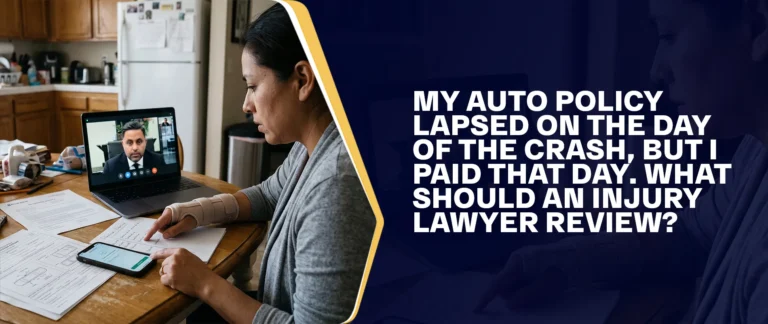
TL;DR: An injury consultation can begin even if lip stitches, jaw injuries, or facial swelling make speaking difficult. Ask about written questions, agreed callbacks, or assistance from someone you trust. You remain in control of your decisions despite this challenge, and legal deadlines still apply.
Yes, you can start an injury consultation even if your injuries make speaking difficult. Written communication may help you explain what happened. With your permission, a trusted person can also assist.
There is no need to wait for your speech to improve before seeking legal help. However, medical care comes first. If your injury causes trouble breathing or heavy bleeding, seek emergency treatment promptly.
Key Facts About Injury Consultations When Speaking Is Difficult
- Speech difficulties do not automatically affect legal capacity. People who cannot speak may still understand information and make their own decisions.
- Communication help does not give someone decision-making authority. A trusted helper can assist during a consultation with the injured person’s permission.
- California law may protect conversations involving necessary helpers. Evidence Code §952 may protect confidential attorney-client communications when a helper is reasonably needed for the consultation.
- Electronic signatures can satisfy California’s legal requirements. Civil Code §1633.7 recognizes electronic signatures when the applicable requirements are met.
- Starting a consultation does not stop legal deadlines. California generally allows two years for personal injury lawsuits, but some claims have shorter limits.
Table of Contents

My Mouth Injury Makes Talking Difficult. Can I Discuss Written Communication or a Permitted Helper When Arranging an Injury Consultation?
Yes. You can explain to your lawyer that your injury makes speaking difficult and ask about other ways to communicate. These may include written questions, an agreed callback, or a trusted helper. The firm should confirm which arrangements it can provide.
How to Start a Consultation Without Speaking
Some law firms offer free consultations for injury claims. Before scheduling one, ask whether these communication options are available:
- Contact Form or Email: Submit a brief account through the firm’s online form or email, if available.
- Text Messaging: Check whether the firm accepts text inquiries. Short messages may be easier than a long explanation of your accident and injuries.
- Yes-or-No Questions: If writing long responses is difficult, request simple questions that you can answer briefly. You can provide more details when you are able.
- Scheduled Callback: If you prefer a phone conversation later, ask to arrange a suitable time. With your permission, a trusted person may help by reading your notes or relaying your answers.
When using a contact form, provide the required details and an email address if you prefer written replies. Explain your speaking difficulty and ask whether the firm can contact you in writing.
Ask About Other Communication Needs
If typing or speaking is difficult, ask a permitted helper to explain your needs or request another way to communicate. Options may include extra time, short questions, or an assistive device.
Under the Americans with Disabilities Act, covered law firms must provide effective communication for people with qualifying disabilities, subject to legal exceptions. Ask which aids or services the firm can provide.
Ask whether written questions, documents, and case updates can be provided in your preferred language, or whether an interpreter can join a callback.
If your preferred method is unavailable, ask whether another arrangement would allow you to explain your situation and confirm your instructions.
Protect the Privacy of Written Messages
Written communication creates a record that others may see. If you share a phone, tablet, or email account with family members or roommates, consider using a private account for messages with the firm. Tell the firm if certain contact methods are not private, and ask it not to leave detailed messages there.
Using a Permitted Helper While Keeping Your Wishes Central
A family member or friend can contact the firm, attend your consultation, or relay information with your permission. They generally do not need a power of attorney just to help you communicate. However, signing documents or making legal decisions on your behalf may require formal authority.
You decide whether to hire a lawyer and what information to share. If Arash Law represents you, the attorney’s duties run to you, not your helper. The firm may ask you to confirm your permission and instructions. You can also request a private discussion.
California Evidence Code §952 may protect confidential attorney-client communications involving a necessary helper. This protection is not automatic. Tell the attorney who will assist you and why you need their help.
When Your Helper Was Involved in the Incident
Tell the attorney early if your helper was present when you were hurt, saw what happened, or may share responsibility. Examples include a spouse who was driving the car you were in, or a friend who owned the dog that bit you.
In these situations, the helper may be a witness or a party to the case. Their presence during confidential discussions may raise privilege or conflict-of-interest concerns. The attorney may recommend a different helper, a professional interpreter, or written communication instead.
How Would You Prefer to Communicate With Your Lawyer?
Before your consultation, let the law firm know how you prefer to communicate and whether someone will help you. Use this checklist to organize your preferences.
| What to Consider | What to Ask the Law Firm |
|---|---|
| How to Contact You | Do you prefer phone calls, emails, written questions, or another method? |
| Help From Someone Else | Will a family member, friend, or caregiver help you communicate? What are they allowed to discuss? Were they involved in the accident? |
| Private Conversations | Are there matters you want to discuss without your helper present? Which phone numbers or email accounts are private? |
| Documents You Have | Do you have medical records, injury photos, accident reports, or insurance documents to share? |
| Confirming Your Decisions | How would you like the lawyer to confirm your instructions and important decisions directly with you? |
Tell the firm if speaking is painful or tiring or if you need more time to respond. You can also ask to change these arrangements as your needs change.
What Information You Should Share About Your Injury
Basic incident details and medical records can help an attorney assess your claim and identify missing evidence.
You can prepare the following information:
- Incident Details: The date, location, and a brief account of what happened.
- People Involved: Names of drivers, property owners, businesses, or witnesses, if known.
- Work Connection: Whether you were working, driving for work, or on an employer’s property when you were hurt.
- Medical Care: Hospital visits, treatment dates, diagnoses, and follow-up appointments.
- Evidence: Injury photographs, accident reports, messages, or available video footage.
- Insurance: Claim numbers, insurance letters, and any requests for statements.
- Financial Losses: Medical bills, missed work, and other injury-related expenses.
If a dog bit your face, save the owner’s details and any available incident reports. California dog bite lawyers can review the incident and identify who may be responsible.
You do not need every document before requesting a consultation. Tell the attorney what you have and what is still missing. Ask how to share sensitive medical records securely.
A lawyer can assess who caused your injury and whether you can seek compensation for medical bills, lost income, future care, and pain and suffering.
Ready to Discuss Your Communication Needs?
Have a trusted helper contact Arash Law at (888) 488-1391 or fill out our online contact form to request a free case evaluation. Explain your preferred communication method in the message. The firm can check and explain what arrangements it can offer you.

Steps to Take While Speaking Is Difficult
While arranging your consultation, take these steps to protect your health and injury claim:
- Continue Medical Care: Follow your doctor’s instructions and keep copies of your treatment records. Tell your doctor if your injury affects your ability to eat or speak.
- Preserve Evidence: Save accident reports, witness details, and photos showing how your facial injuries change over time. Keep short notes about difficulty eating, speaking, or doing daily activities. California injury attorneys can help identify security footage and other records that may need to be preserved.
- Manage Insurance Requests: Request written communication from insurers and keep copies of their messages. Check reporting deadlines and ask a lawyer to review recorded statement requests or settlement offers before responding.
Legal Deadlines That May Still Apply Even When You Cannot Speak
Difficulty speaking generally does not pause California’s legal deadlines. The time limit depends on your claim and who caused the injury.
California has different filing deadlines:
- Personal Injury: Under Code of Civil Procedure §335.1, most personal injury lawsuits must be filed within two years of the date of injury.
- Property Damage: Code of Civil Procedure §338 generally provides three years to sue for damages to personal property, such as a vehicle.
- Government Claims: A person generally must present a written claim to the responsible government entity within six months for personal injuries or damage to personal property.
Government entities generally have 45 days to act on a claim. Under Government Code §945.6, you generally have six months to sue after the government delivers or mails a proper written rejection notice. Without that notice, the deadline is generally two years from when the claim arose.
If you miss the six-month government claim deadline, you may still be able to apply for permission to present a late claim. This application generally must be made within one year after the claim arose. The government entity must grant it in certain situations, such as when your injury physically or mentally incapacitated you and that incapacity caused you to miss the deadline. In that case, the application generally must be made within six months after the incapacity ends or one year after the claim arose, whichever comes first. Difficulty speaking alone may not qualify, so talk to an attorney promptly if your claim may be late.
Other deadlines may also apply:
- Work Injuries: Report the injury to your employer promptly. Delays beyond 30 days can affect benefits. Submit a DWC-1 claim form. A separate one-year deadline generally applies to workers’ compensation proceedings, measured from the date of injury or a certain benefit date.
- Minors: Some filing deadlines are extended until they turn 18, but government claims are subject to special rules.
Starting a consultation does not file a claim or pause these deadlines. Tell the attorney when your injury happened so they can identify the filing requirements that apply.
Frequently Asked Questions About Injury Consultations When Speaking Is Difficult
Does Needing Communication Help Mean I Lack Legal Capacity?
No. Difficulty speaking alone does not mean you cannot understand legal advice or make decisions. If a brain injury affects your decision-making ability, an attorney can explain whether additional legal assistance is needed.
Can Someone Else Sign a Lawyer’s Fee Agreement for Me?
Not automatically. A family member cannot sign your agreement simply because speaking is difficult. They generally need appropriate legal authority to sign on your behalf.
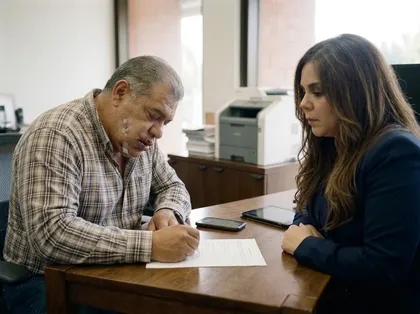
If you can make your own decisions, ask whether you can sign electronically. Arash Law’s onboarding process allows clients to sign retainers and other legal documents online.
Can I Consult a Lawyer Without a Police Report?
Yes. You can request a consultation without a police report or report number. If you know which agency responded, share that information to help the lawyer locate the records.
The attorney can explain what records may be available and how to request them. Missing paperwork does not automatically prevent an initial case review.
Does Submitting an Online Form Mean Arash Law Represents Me?
No. Submitting an online form does not automatically create an attorney-client relationship. Requesting a free consultation does not mean the firm has agreed to represent you.
Ask for written confirmation if the firm accepts your case, including an explanation of attorney fees.
What If My Speaking Difficulties Last Longer Than Expected?
You can ask the firm to adjust your communication arrangements if speaking remains difficult. Ask how the firm will send you documents, provide case updates, and confirm your decisions. You can discuss further changes as your needs develop.
Contact Arash Law to Discuss Workable Arrangements
Arash Law offers free case evaluations and can discuss communication options that suit your needs. These may include written questions or help from a trusted person with your permission.
Call (888) 488-1391 or use our online contact form to explain your needs. Arash Law handles personal injury cases on a contingency fee basis. You pay no attorney fees unless we recover compensation for you. The written fee agreement explains any case costs.
Sources
- California Code of Civil Procedure §335.1: General two-year personal injury lawsuit deadline. https://leginfo.legislature.ca.gov/faces/codes_displaySection.xhtml?lawCode=CCP§ionNum=335.1
- California Code of Civil Procedure §338: General three-year deadline for lawsuits involving damage to personal property. https://leginfo.legislature.ca.gov/faces/codes_displaySection.xhtml?lawCode=CCP§ionNum=338
- California Labor Code §5400: Written notice requirements for reporting a workplace injury to an employer. https://leginfo.legislature.ca.gov/faces/codes_displaySection.xhtml?lawCode=LAB§ionNum=5400
- California Labor Code §5405: General one-year filing deadline for workers’ compensation proceedings and events that may start the filing period. https://leginfo.legislature.ca.gov/faces/codes_displaySection.xhtml?lawCode=LAB§ionNum=5405
- California Government Code §911.2: Time limits for presenting claims against public entities. https://leginfo.legislature.ca.gov/faces/codes_displaySection.xhtml?lawCode=GOV§ionNum=911.2
- California Government Code §945.6: Deadlines for filing lawsuits after government claim proceedings. https://leginfo.legislature.ca.gov/faces/codes_displaySection.xhtml?lawCode=GOV§ionNum=945.6
- California Evidence Code §952: Confidential attorney-client communications involving necessary third parties. https://leginfo.legislature.ca.gov/faces/codes_displaySection.xhtml?lawCode=EVID§ionNum=952
- California Civil Code §1633.7: Legal recognition of electronic records and signatures. https://leginfo.legislature.ca.gov/faces/codes_displaySection.xhtml?lawCode=CIV§ionNum=1633.7
- California Courts: Personal injury deadlines and government claim procedures. https://selfhelp.courts.ca.gov/civil-lawsuit/government-claim
- California Division of Workers’ Compensation: Reporting work injuries and starting a claim. https://www.dir.ca.gov/dwc/InjuredWorker.htm
- U.S. Department of Justice: Effective communication requirements under the Americans with Disabilities Act. https://www.ada.gov/topics/effective-communication/
- MedlinePlus: Emergency concerns and care for broken or dislocated jaws. https://medlineplus.gov/ency/article/000019.htm
Disclaimer
This article provides general information about California personal injury consultations and is not legal advice. Reading this page or contacting Arash Law does not automatically create an attorney-client relationship. Legal deadlines and available options depend on the facts of each case. Past results do not guarantee future outcomes. Consult a licensed California attorney about your situation. Arash Law: (888) 488-1391.