TL;DR: In California, you can generally manage your car damage claim and hire a lawyer for your injuries. However, make sure you understand who is responsible for each part of the claim. Review property damage settlement agreements carefully. Broad release language, including a Civil Code § 1542 waiver, may affect your injury claim.
You can generally manage your vehicle damage claim yourself in California while hiring an attorney to handle your injury claim. Although property damage and bodily injury claims have different legal rules, deadlines, and procedures, they may involve overlapping liability and settlement issues.
The main concern is making sure your communications with insurers and any documents you sign while handling the vehicle damage claim do not unintentionally affect your right to pursue injury compensation.
Table of Contents

I Want Legal Help for My Injuries, but I’d Prefer to Handle the Car Damage Myself. What Responsibilities and Documents Do I Need to Clarify Before Doing So?
If you want to manage your car repairs while an attorney handles your injuries, start by discussing that arrangement with the law firm. Make sure you know which responsibilities you will keep and which ones the attorney will take on.
Arash Law does not handle property damage claims. If you are seeking assistance with your injuries, that does not mean the firm has agreed to manage the vehicle damage portion of your case. Likewise, asking for injury-only representation does not automatically create an agreed-upon limited-scope retainer.
The scope of legal assistance must be clear, especially if you will be handling part of the claim yourself. Before moving forward, ask a car accident lawyer to confirm which matters the firm will handle, whether the proposed arrangement is acceptable, and which documents you should share.
Key Facts About Splitting Your Car Damage and Injury Claims
- Different Types of Losses: California law distinguishes vehicle property damage from bodily injury. You may be able to resolve one without settling the other, depending on the agreement’s terms.
- Separate Responsibilities Need Agreement: An attorney must agree to the proposed scope of representation. Confirm in writing which parts of the claim the attorney will handle.
- Different Filing Deadlines: California generally allows 2 years for personal injury lawsuits and 3 years for vehicle property damage lawsuits. Different rules may apply to government claims and other circumstances.
- Settlement Language Matters: A release covering bodily injuries or unknown claims, including one containing a Civil Code § 1542 waiver, could affect your ability to pursue additional compensation.
- Your Right to Choose Your Repair Shop: California Insurance Code § 758.5 generally prevents insurers from requiring you to use a particular automotive repair shop.
- SR-1 Reporting Requirement: California generally requires an accident report to the DMV within 10 days if anyone is injured or killed, or property damage exceeds $1,000.
Why Property Damage and Bodily Injury Can Be Handled Separately
In California, you can generally handle your car damage claim yourself while hiring an attorney for your injuries. This is possible because the two types of losses have different insurance coverage, adjusters, and legal deadlines.
Here are the main reasons you can handle them separately:
- They cover different losses. Property damage claims cover vehicle repairs or replacement, as well as related expenses. Bodily injury claims cover losses related to your injuries, such as medical bills, lost income, and pain and suffering.
- They may involve different insurance coverage. Vehicle damage may be covered by the at-fault driver’s property damage liability insurance or your own collision coverage. Injury claims may involve bodily injury liability, uninsured/underinsured motorist coverage, or medical payments coverage.
- They may have different insurance adjusters. Insurers sometimes assign separate adjusters to vehicle damage and injury claims. You can communicate about repairs while your attorney handles injury-related matters, if that division of responsibilities is agreed upon.
- They have different filing deadlines. California generally allows:
- Personal Injury: 2 years from the date of injury under CCP § 335.1.
- Property Damage: 3 years from the date of damage under CCP § 338(c)(1).
- Government Claims: Generally 6 months to present a claim involving personal injury or property damage against a public entity under Government Code § 911.2.
Different deadlines may apply to claims involving minors. Other specialized claims may also have different filing deadlines.
- Settling one does not automatically settle the other. You may be able to accept payment for vehicle damage while continuing your injury claim. However, a broad settlement release could affect both, so review its terms before signing.
- You can agree on different responsibilities. You may handle repairs, estimates, and vehicle-related communications while an attorney represents you for injuries. However, the attorney must accept the proposed arrangement, and you should confirm the responsibilities in writing.
Settling your vehicle damage claim does not extend your injury filing deadline. Missing an applicable lawsuit or government claim deadline may bar your claim entirely. Evidence, including photos and repair records, may also disappear before those deadlines expire.
Ask an attorney to confirm the deadlines and review any settlement documents that could affect your injury rights, if that review is part of the agreed representation.
Who Handles What: A Checklist for Dividing Responsibilities
If you handle your car damage claim while an attorney handles your injuries, make sure you both understand your responsibilities. Some tasks may overlap, so confirm the arrangement in writing.
| Responsibility | What You Handle | What Your Injury Attorney May Handle |
|---|---|---|
| Insurance Contacts | Talk to the insurance adjuster about car repairs and related costs. | Speak with the injury adjuster about your injuries and compensation. |
| Repairs and Estimates | Get repair estimates, choose a repair shop, and arrange a rental car if needed. | Review car damage details if they help support your injury claim. |
| Records | Keep car photos, repair bills, estimates, and insurance messages. | Gather medical records and other evidence as part of investigating your accident. |
| Deadlines and Reports | Track car damage deadlines and file required reports, such as the DMV SR-1. | Track injury claim deadlines and handle agreed-upon legal filings. |
| Settlement Offers | Review offers for car damage and check what each payment covers. | Review settlement documents that may affect your injury claim, if agreed upon. |
| Recorded Statements | Answer car-related questions while following your insurance policy requirements. | Advise you on questions about your injuries and recorded statements. |
| Written Agreement | Confirm which tasks and costs are your responsibility. | Explain in writing what the attorney will handle, including fees and costs. |
Important: This table shows how tasks may be divided, not what every attorney automatically agrees to handle.
Before work begins, confirm who will handle insurer communications, review proposed releases, share records, and track deadlines. You should also understand whether the attorney will review documents connected to the property damage claim or whether you must arrange that review separately.
For example, you might receive a settlement offer for your car while your injury claim is still being evaluated. If the insurer includes a release, you need to know whether your attorney has agreed to review it before you sign.
Having separate claims does not automatically mean you have separate representation responsibilities. Those responsibilities depend on the agreement between you and the law firm.
Understanding when to get a lawyer after an accident can help you decide what assistance you need before making important decisions.
The Danger of Settling Car Damage When You Have an Injury Claim
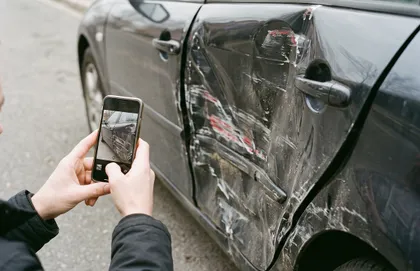
Accepting payment for car damage does not automatically settle your injury claim. However, signing a release that covers both property damage and injuries could affect your right to further compensation. Check what the settlement covers and consider these risks before accepting a property damage settlement:
- Signing a General Release: A settlement agreement may cover more than vehicle damage. If you sign a release that includes bodily injury claims, you could lose your right to pursue compensation for those injuries.
- Waiving California Civil Code § 1542 Protections: This law generally protects certain unknown claims from being included in a general release. Agreeing to waive those protections could affect claims involving injuries you did not know about when signing. The agreement’s wording and the parties’ intent help determine its scope.
- Settling Before Injuries Become Clear: Some soft-tissue injuries, disc injuries, and traumatic brain injuries may cause delayed symptoms. A broad release could affect your ability to seek compensation for injuries you discover later.
- Making Statements to Insurance Adjusters: The bodily injury adjuster may use statements you make during property damage negotiations to question liability or the severity of your injuries. Avoid discussing injury-related matters without consulting your attorney.
- Failing to Preserve Bodily Injury Claims: A property damage release should clearly identify the claims it resolves. If you intend to pursue injury compensation separately, make sure the agreement preserves those claims.
Before signing a property damage settlement, ask your attorney to review the release, particularly provisions involving bodily injuries, unknown claims, and Civil Code § 1542.
Before signing a property damage settlement, consider having an attorney review the release for Civil Code § 1542 waivers, “all claims” language, or other terms that could affect your injury claim.
If you are handling your car damage claim yourself but need legal help with your injuries, contact Arash Law at (888) 488-1391 for a free case evaluation. The firm can explain the scope of any representation it agrees to provide.
What Bodily Injury Claims Can Be Worth: Arash Law Results
The value of keeping the bodily injury claim fully intact can be significant. The following case results from Arash Law’s case history illustrate what may be at stake when claimants preserve and pursue their injury claims separately from property damage claims.
$8,800,000: We recovered a substantial amount after a speeding company van driver severely injured our client. Multiple depositions strengthened the claim and helped establish the extent of the injuries.
Past results do not guarantee future outcomes. Every case is different, and results depend on the specific facts and evidence involved.
Frequently Asked Questions About Splitting Car Damage and Injury Claims in California
Do I Have to Use the Repair Shop the Insurance Company Recommends?
No. California Insurance Code § 758.5 generally prohibits insurers from requiring you to use a specific automotive repair shop. You can choose your own licensed repair shop instead of the insurer’s preferred facility.
The insurer may recommend a repair shop under certain conditions, but it cannot require you to use that shop.
Do I Need to File an SR-1 If I Handle My Own Car Repairs?
Yes. You must generally file an SR-1 with the California DMV within 10 days if the collision caused injury, death, or more than $1,000 in property damage.
This requirement applies regardless of fault or who handles the vehicle repairs. Your insurance agent, broker, or legal representative may submit the report for you.
What If the Insurance Company Denies Fault for the Crash?
A fault dispute can affect both property damage and bodily injury claims. Evidence gathered for the vehicle claim may also be important to your injury claim.
If the insurer disputes liability, share relevant correspondence, repair estimates, photographs, and other evidence with your injury attorney. Ask how the disputed issues should be handled before continuing negotiations. In that situation, you can also ask if having them manage both claims may help you pursue potential compensation more effectively than splitting representation.
Will My Attorney Take a Percentage of the Car Repair Payment?
It depends on your attorney’s fee agreement and the scope of representation.
If you hire an attorney only for your injury claim, confirm whether the agreement excludes property damage recoveries. California Business and Professions Code § 6147 generally requires qualifying contingency fee agreements to explain the agreed fee, how costs are handled, and the extent of compensation for related matters not covered by the agreement.
The fee percentage and the types of recovery covered should be clear in your written agreement.
What Happens If My Injuries Show Up Days After the Accident?

Delayed symptoms do not automatically end your injury claim. However, your ability to pursue compensation may depend on applicable deadlines and any release you have signed.
Some soft-tissue injuries, disc injuries, and concussions may become noticeable or worsen after a collision. Seek appropriate medical care if symptoms appear.
If you have already accepted a property damage settlement, ask an attorney to review the release and determine whether its wording affects your injury claim.
Should I Talk to a Personal Injury Lawyer Before Signing Anything?
Yes. Talk to a personal injury lawyer before signing any release or settlement document from an insurer, because the language may affect your injury claim. Understanding what a car accident lawyer does can help you decide whether full or split representation makes sense for your situation.
Talk to Arash Law Before You Sign
If you are handling the property damage claim yourself and want to make sure your injury rights stay intact, speak with an attorney before you sign the release. An attorney can review the release language before you sign it, identify any § 1542 waiver, and confirm whether the document affects your injury claim.
Arash Law lawyers handle car accident claims and other injury cases for clients across the state on a contingency fee basis. There are no attorney fees unless you recover. Call (888) 488-1391 for a free case evaluation.
Sources
- Cal. Civ. Proc. Code § 335.1. Establishes the general two-year statute of limitations for personal injury and wrongful death lawsuits in California. https://leginfo.legislature.ca.gov/faces/codes_displaySection.xhtml?sectionNum=335.1.&lawCode=CCP
- Cal. Civ. Code § 1542. Clarify that the statute protects certain unknown claims from a general release, rather than implying that it governs every unknown claim. https://leginfo.legislature.ca.gov/faces/codes_displaySection.xhtml?sectionNum=1542.&lawCode=CIV
- Cal. Ins. Code § 758.5 (2026). Protects a claimant’s right to choose an automotive repair shop and restricts insurers from requiring repairs at a specific facility. https://leginfo.legislature.ca.gov/faces/codes_displaySection.xhtml?sectionNum=758.5.&lawCode=INS
- Report of Traffic Accident Occurring in California (SR-1). Explains when drivers must report qualifying accidents to the DMV and the 10-day reporting deadline. https://dmv.ca.gov/portal/dmv-virtual-office/accident-reporting
- Cal. Gov. Code § 911.2. Establishes the general six-month deadline for presenting personal injury and property damage claims against California public entities. https://leginfo.legislature.ca.gov/faces/codes_displaySection.xhtml?sectionNum=911.2.&lawCode=GOV
- Cal. Civ. Proc. Code § 338(c)(1). Establishes the general three-year statute of limitations for lawsuits involving damage to personal property, including vehicles. https://leginfo.legislature.ca.gov/faces/codes_displaySection.xhtml?sectionNum=338.&lawCode=CCP
- Cal. Bus. & Prof. Code § 6147. Specify that the law requires disclosure of contingency fee rates, treatment of costs, and compensation for related matters outside the agreement. https://leginfo.legislature.ca.gov/faces/codes_displaySection.xhtml?sectionNum=6147.&lawCode=BPC
- Cal. Dep’t of Insurance. Automobile Insurance Guide. Explains bodily injury liability, property damage liability, collision coverage, policy limits, and how these coverages apply to auto insurance claims. https://www.insurance.ca.gov/01-consumers/105-type/95-guides/01-auto/auto101.cfm
Disclaimer
Past results do not guarantee future outcomes. Every case is different. The information on this page is for general educational purposes and does not constitute legal advice. No attorney-client relationship is formed by reading or relying on this content. If you were injured, consult a licensed California personal injury attorney about your specific situation. Arash Law: (888) 488-1391.