TL;DR: Yes, wildfire toxic air exposure can support a personal injury claim when negligence caused or worsened the smoke conditions. Children, older adults, and outdoor workers may suffer lung or heart damage, and medical records must link the illness to the fire before evidence fades.
Highlights:
- Check AirNow AQI daily and follow local smoke alerts.
- When AQI worsens, stay indoors and avoid strenuous outdoor activity.
- Seal doors and windows and close fresh-air intake on AC.
- Run a HEPA air purifier and keep HVAC filters clean.
- Wear a properly fitted N95 if you must go outside.
- Get medical care promptly and keep visit notes, tests, and prescriptions.
- Document exposure – symptom log, photos, receipts, witness contacts, AQI screenshots.
Tip: Save dated AQI and evacuation-order screenshots, and when reporting exposure, stick to confirmed times and symptoms rather than guessing.
Table of Contents
When wildfires blaze through a region, they leave more than scorched earth behind. The harmful particles in wildfire smoke can make the air toxic, posing serious health risks to those exposed. The effects on your health can be severe, from persistent coughing and difficulty breathing to long-term lung damage. Older adults, children, and individuals with pre-existing conditions are especially vulnerable. While the toxic air created by wildfire smoke isn’t always visible, its impact on your health is as destructive as the flames themselves.
If you suffer health problems from toxic air exposure during a wildfire, you may have the right to seek compensation. Sometimes, the cause of these health issues goes beyond the wildfire itself. Negligence by utility companies or government agencies (failing to manage fire risks or control pollution) could be to blame. In such cases, you could file a personal injury claim to seek accountability from the responsible parties.
Wildfire Smoke Health Risks: Impact On Air Quality And Human Health
Wildfires destroy land and homes, releasing massive amounts of harmful smoke into the air and creating dangerous conditions far beyond the fire zones. This smoke contains fine particles known as particulate matter 2.5 (PM2.5), which are tiny enough to travel deeply into your lungs and even enter your bloodstream.
According to a 2020 news article titled “Health Impacts of Wildfire Smoke,” wildfire smoke has accounted for about 5% to 10% of PM2.5 pollution in the U.S. over the past 15 to 20 years. However, it accounts for over 50% of Western states during peak fire seasons in recent years. This growth has turned wildfires into one of the biggest threats to air quality nationwide.
Here’s how wildfires harm air quality:
- Smoke and Ash — Wildfires release a mix of gases, chemicals, and fine particles that reduce air quality, making breathing harder.
- Lingering Particulates — Even after the fires are out, cleanup activities such as removing ash and soot can stir up harmful particles, keeping the air hazardous to inhale.
- Far-Reaching Effects — Smoke from fires in the West can travel thousands of miles, impacting air quality in areas far from the actual blaze.
Breathing in polluted air from wildfires can lead to a myriad of health problems, ranging from mild discomfort to severe medical conditions:
- Burning eyes and a runny nose.
- Difficulty breathing or shortness of breath.
- Irritation in your throat or chest.
- Aggravation of asthma, bronchitis, or other chronic lung diseases.
- Increased risk of heart attacks or strokes.
- Long-term lung damage, especially after prolonged exposure.
Los Angeles County Wildfires 2025: Critical Quality Updates
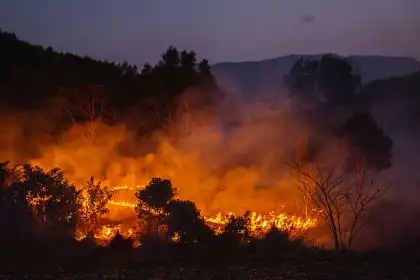
Los Angeles County has faced wildfires across various cities, including the Eaton Canyon Fire and the Palisades Fire, with flames and smoke creating unpredictable and hazardous conditions. While the air quality is worse near the fires, the smoke has spread across the LA basin, making the air unhealthy for people throughout the region to breathe. The situation grew so severe that schools were closed, and local health officials issued warnings to residents.
Air quality is measured using the Air Quality Index (AQI), which combines several pollution sources like ozone and fine particles. Typically, LA’s AQI hovers around 50 to 60, which is considered moderate. However, near the wildfires, AQI readings have skyrocketed to 400 and even above 500 — levels that scientists describe as highly hazardous. Tarik Benmarhnia, a climate and health expert, emphasizes the alarming nature of this, calling it “absolutely huge.”
To put it into perspective, an AQI of 100 to 200 on a smoky day is like breathing in the equivalent of smoking a quarter to half a pack of cigarettes daily. These fine particles can travel deep into your lungs, causing irritation, difficulty breathing, and even long-term health problems.
If you’re in the LA area, it’s imperative to stay indoors, avoid strenuous outdoor activities, and use air purifiers or N95 masks to protect yourself. These wildfires remind us of the importance of prioritizing safety and health during these challenging times.
Understanding The Air Quality Index (AQI)
The AQI safety categories can also guide you on how to be active outside safely. Here’s a simple way to think about it:
- Below 50 (Good) — Air quality is ideal; no restrictions on outdoor activity.
- 51-100 (Moderate) — Air quality is acceptable for most people, but individuals sensitive to air pollution (e.g., those with asthma or lung disease) may experience mild effects.
- 101-150 (Unhealthy for Sensitive Groups) — Sensitive individuals (children, older adults, and people with lung/heart conditions) should limit intense outdoor activities; the general public is less likely to be affected.
- 151-200 (Unhealthy) — Everyone may begin to experience health effects; sensitive individuals should avoid prolonged outdoor exertion.
- 201-300 (Very Unhealthy) — A health alert has been issued; everyone should limit outdoor activities, and sensitive groups should stay indoors.
- 300+ (Hazardous) — Serious health warnings; everyone should avoid outdoor activities and remain indoors with air filtration, if possible.
Your tolerance is lower if you have asthma, heart disease, or other conditions. Even at an AQI of 101-150, you may need to reduce outdoor activity. Over 200, it’s safest to stay indoors, even for healthy individuals.
Knowing the AQI and understanding what each level means can help you make informed decisions about protecting your health when air quality is poor, especially during wildfire season.
Toxic Components Of Wildfire Smoke
When a wildfire rages, the smoke that fills the air does not just contain the burning wood you see. It’s a dangerous mix of gases and particles that can seriously harm your health. Here’s the breakdown of what’s in wildfire smoke and how it affects the people exposed to it:
Particle Pollution (PM)
One of the biggest dangers of wildfire smoke is particle pollution, a mixture of tiny solid and liquid particles suspended in the air. These particles are often so small that they can’t be seen with the naked eye and can easily penetrate deep into the lungs.
During wildfires, particle pollution can skyrocket to dangerous levels, causing coughing, wheezing, and even asthma attacks. Children and people with pre-existing respiratory conditions are especially vulnerable. Over time, exposure can lead to chronic lung and heart problems.
Ozone
While ozone in the upper atmosphere protects us from the sun’s radiation, ground-level ozone (the main ingredient in smog) can be harmful. When ozone mixes with other pollutants in the smoke, it can cause severe damage to lung tissue, leading to breathing problems, asthma attacks, and long-term lung damage. Prolonged exposure can make it difficult for people to breathe, particularly for those with pre-existing respiratory conditions.
Carbon Monoxide
Carbon monoxide (CO) is a colorless, odorless gas released during a fire’s smoldering stages. It’s perilous because it reduces the amount of oxygen reaching your organs and tissues. Breathing in CO can cause headaches, dizziness, nausea, and, in extreme cases, can lead to death. Even if you don’t feel the immediate effects, exposure to CO can weaken your body’s ability to function correctly.
In addition to these significant pollutants, wildfires release other harmful chemicals, such as nitrogen oxides and hazardous air pollutants, that can cause various health issues. Combining all these toxic substances makes wildfire smoke particularly dangerous, especially for those living in or near affected areas. Avoid exposure to these harmful pollutants by staying indoors, wearing protective masks, and using air purifiers.
Common Health Risks From Toxic Air Exposure During Wildfires
The toxic air during wildfires can seriously affect your health, even if you’re generally healthy. Wildfire smoke contains fine particles and harmful chemicals that infiltrate the air, causing health risks when inhaled. These toxins can enter your lungs and bloodstream, leading to various health problems, including breathing difficulties, heart disease, and long-term illnesses.
The risks are real, whether outdoors in heavily polluted air or indoors where the air quality remains poor. Here’s a list of common health issues caused by toxic air exposure during wildfires:
Respiratory Problems
Toxic air can irritate your airways, leading to coughing, wheezing, and shortness of breath. Individuals with pre-existing conditions like asthma, chronic obstructive pulmonary disease (COPD), or allergies may experience worsened symptoms or an increased risk of respiratory infections.
Heart Issues
Granular particulate matter in wildfire smoke and toxic air may increase your risk of heart attacks, strokes, and other cardiovascular problems. Exposure to toxic air causes inflammation, which can stress the heart and blood vessels, particularly in individuals with pre-existing heart conditions.
Worsening Of Pre-Existing Health Conditions
People with chronic respiratory or cardiovascular conditions are at higher risk. Toxic air exposure can trigger or worsen conditions like asthma, emphysema, bronchitis, and heart disease.
Stroke Risk
Prolonged exposure to toxic air from wildfires may increase the likelihood of stroke, especially for the elderly or those already dealing with heart disease. Fine particles can contribute to plaque buildup in blood vessels, increasing the likelihood of strokes.
Eye Irritation And Headaches
Exposure to toxic air can irritate the eyes, causing redness, dryness, and a burning sensation. The chemicals and particles in the air may also cause headaches, dizziness, or fatigue.
On top of these physical risks, experts break down the long-term effects wildfire smoke can have on your body, linking it to mental health concerns. Some studies suggest that prolonged exposure to polluted air can have a negative impact on brain health.
For instance, Sara Adar, a researcher at the University of Michigan, has investigated the relationship between long-term exposure to air pollution and an increased risk of dementia in older adults in the United States.
Many may struggle with health issues from breathing in toxic air during wildfires, such as the Eaton Canyon wildfire. The impact on your health and life is profound, and you may be entitled to compensation. Reach out to a wildfire lawyer who can help you pursue payment for your medical bills, lost wages, and other losses.
Who’s Most Vulnerable To Wildfire Smoke Exposure?

Not everyone experiences the effects of wildfire smoke the same way. Your age, health, occupation, and location all influence your vulnerability to the harmful effects of polluted air. Several studies have shown that certain groups face a significantly higher risk of health problems due to poor air quality, particularly during wildfires.
Here’s a breakdown of the populations most at risk:
People With Pre-Existing Health Conditions
Individuals with lung diseases such as asthma, chronic bronchitis, emphysema, or COPD are vulnerable to the toxic air caused by wildfire smoke. The fine particles and harmful chemicals in wildfire smoke can aggravate these conditions, leading to increased symptoms and potential health complications.
Similarly, those with heart conditions may face a higher risk of cardiovascular issues when exposed to this toxic air. Smokers and individuals regularly exposed to secondhand smoke are also more susceptible to the harmful effects, as their lungs may already be compromised, making it harder for their bodies to cope with the additional pollutants.
If your pre-existing condition has worsened because of toxic air from a wildfire, see a doctor immediately — your health and safety matter. Experienced wildfire lawyers can also connect you with medical experts and assist in seeking compensation.
Outdoor Workers And Active Individuals
People who work or exercise outdoors face a heightened risk of health issues due to prolonged exposure to smoke and pollutants. Occupations with significant exposure to poor air quality, such as firefighting, construction, and agricultural work, increase the risk of developing long-term health problems. These workers often spend extended hours in environments with contaminated air, which increases their vulnerability to its harmful effects.
Children, Pregnant Women, And The Elderly
Infants and young children are particularly susceptible to the effects of wildfire smoke. Exposure for as little as five days can lead to a two-fold increase in asthma rates among children. Elderly individuals may suffer from strokes and a higher risk of heart attacks due to poor air quality. Pregnant women also face increased risks, such as premature birth and babies born with lower birth weights.
Low-Income And Marginalized Communities
Environmental justice is a crucial consideration when examining the impact of wildfire smoke and toxic air on vulnerable communities. Air pollution disproportionately affects low-income and vulnerable groups. These populations often lack access to clean air spaces and effective air filtration devices, making it more difficult for them to protect themselves from toxic air.
Furthermore, older homes in these locations are more likely to have leaks that let outside air in, limiting the efficiency of indoor air filters. As a result of their continuous exposure to toxic air, these communities are at a higher risk of developing health issues, including chronic respiratory illnesses.
According to Stanford’s news release, research shows that lower-income and minority communities disproportionately experience exposure to PM2.5, a harmful particle in wildfire smoke that elevates health risks. These communities may not have access to healthcare or measures to reduce exposure, such as air conditioning or air filters.
We can better protect vulnerable populations during wildfires by understanding those most affected by toxic air and advocating for policies to reduce these risks. Air quality matters, and precautions are paramount when wildfires strike.
Regardless of who you are or your circumstances, your health and safety matter. So, if a wildfire, such as the Pacific Palisades Fire, has impacted your health due to inhaling toxic air, you may have the right to file a personal injury claim. Contact an experienced wildfire attorney to discuss your case.
Types Of Wildfire Damages In Personal Injury Claims
If you sustained injuries from toxic air during wildfires caused by someone else’s negligence, you may be eligible to seek compensation. You can pursue damages from the responsible person or company.
Depending on your situation, here are some of the damages that you can claim in personal injury cases:
- Medical Bills — Compensation for any medical treatment you require due to injuries from inhaling toxic wildfire air, covering expenses like emergency room visits, hospital stays, physical therapy, and any future treatments that may be necessary.
- Lost Wages — Reimbursement for the wages you lost while you took time off work to recover, typically at your regular hourly rate (excluding overtime).
- Future Medical Care — Payment for any ongoing or future medical treatments you may need due to your injuries, to ensure you have the financial support you need for long-term care.
- Pain and Suffering — Compensation for the emotional distress and psychological impact caused by the injuries you sustained, including conditions such as anxiety, depression, or post-traumatic stress disorder (PTSD).
- Property Damage — Reimbursement for repairing or replacing property damaged in the incident, including your home or personal belongings.
- Loss of Consortium — This can be filed by the spouse or registered domestic partner for any loss of companionship or support due to the victim’s injuries or death.
- Punitive Damages — If the responsible party acted extremely recklessly or with malice, you might be entitled to punitive damages. This is rarely awarded by the court. It aims to punish the wrongdoer and deter similar behavior in the future.
In such a devastating and stressful time, having someone who truly understands what you’re going through is paramount. Speak with an experienced wildfire injury attorney for guidance. They can help ease the burden by assisting you through the legal process and pursuing compensation for your losses.
How To File A Wildfire Injury Claim
If you or someone you care about suffered injury from toxic wildfire air, you may be considering filing an injury claim to seek compensation. Why is it essential to file a personal injury claim? Well, it’s your opportunity to seek compensation for the pain, medical expenses, and losses you’ve endured. The process may seem daunting, but understanding the key steps can help you navigate it confidently.
To file a wildfire injury claim, here’s what you need to do:
- Get Medical Attention — The first thing you should do is get checked out by a doctor, even if your injuries seem minor. It will document your condition and establish a record of your treatment. Keep track of all your doctor visits, prescriptions, and any follow-up care you may need.
- Collect Evidence — Gather as much evidence as possible to support your claim. Evidence includes medical records, photos of the damage, receipts for any expenses incurred, and statements from any witnesses. The more detailed your evidence, the stronger your case can be.
- Contact a Lawyer — Contact a personal injury attorney with experience handling wildfire-related claims. They can help you understand your rights, assist in gathering evidence, and guide you through the process.
- File Your Claim — A wildfire lawyer can help you file your injury claim against the responsible parties or insurance companies. They can help you track legal deadlines to submit paperwork on time.
- Negotiate or Litigate — Once you file your claim, your attorney can handle the negotiation with the responsible parties. If they can’t reach a fair agreement with the other party, your wildfire lawyer can take your case to court to seek the financial restitution you may be entitled to.
Essential Evidence To Support Your Wildfire Injury Claim
To support your wildfire injury claim, you must collect the proper evidence. Substantial evidence will support your case and give a detailed record of your injuries, losses, and the impact of the wildfire on your life. The following can help strengthen your claim:
- Medical Records — These files will detail your injuries from inhaling toxic wildfire air. Include doctor’s notes, test results, diagnoses, and prescribed treatments. This information will show the seriousness of your condition and the medical care you’ve received due to toxic air exposure.
- Record of Symptoms — Keep a detailed record of any symptoms you’ve experienced due to toxic air exposure, such as breathing difficulties, chest pain, or other respiratory issues. Documenting these symptoms over time will help show the ongoing effects of the toxic air.
- Visual Evidence of Health Effects — Gather any photos or videos that can capture visible signs of wildfire injuries, such as swollen or irritated eyes, rashes, or breathing difficulties. This visual evidence can support the physical toll that toxic air has on your health.
- Witness Statements — If there are witnesses who can attest to the conditions you experienced during the wildfire, their statements can be valuable. Ask for their contact details, as their accounts can help confirm the exposure timeline and the severity of the air quality during the fire.
The more thorough your documentation, the stronger your claim can be. A skilled wildfire lawyer can help you gather evidence to support your case. Once you have proof, you can start the claims process and pursue the compensation you may be entitled to.
Protecting Yourself And Others From Toxic Air Caused By Wildfires
When wildfires rage, the air around us can become hazardous, filled with harmful particles and toxic substances from the smoke. These particles make the air unsafe, even if the fire isn’t nearby. If you can smell the smoke, it’s already affecting air quality and potentially harming your lungs. Taking early precautions, even before seeing enormous billows of smoke, is crucial to protecting yourself and your loved ones from the dangerous effects of toxic air.
Although healthy individuals might not be at significant risk from brief exposure, toxic air caused by wildfire can still lead to serious health issues, especially for children, older adults, and people with pre-existing health conditions. Here’s how you can reduce the risks and protect your health during wildfire events:
Stay Informed And Take Action
Stay proactive by monitoring local air quality updates through reliable resources such as AirNow, which offers real-time AQI information. As AQI levels deteriorate, take appropriate precautions to protect your health and well-being. Pay close attention to smoke-related alerts and warnings from local authorities, especially if they recommend staying indoors or evacuating.
Create A Safe Indoor Environment
When wildfire smoke makes the air outside hazardous, take these steps to help keep your indoor environment clean and safe:
- Seal Your Home — If advised to stay indoors, keep windows and doors closed to prevent smoke from entering. Avoid using anything that produces additional smoke or fumes, such as wood-burning stoves, gas appliances, or candles.
- Use Air Conditioners and Filters — Run an air conditioner with the fresh air intake closed and use a clean filter. Portable HEPA air purifiers can also help remove harmful particles from the air, helping improve indoor air quality.
- Limit Indoor Pollution — Vacuuming can stir up particles inside your home, so avoid it during smoky conditions. Smoking indoors adds to the toxic air and is detrimental to everyone’s health.
Protect Those With Health Conditions
Follow your doctor’s recommendations if you have asthma, COPD, or other lung conditions. Keep your medications easily accessible and take them as directed. Contact your doctor if your symptoms worsen.
For high-risk individuals, such as children, older adults, or those with heart and lung conditions, prolonged exposure to toxic air can be dangerous. If smoke levels remain hazardous, consult your doctor about relocating to a safer area.
Outdoor Safety Tips
Avoid outdoor physical activities when the air quality is poor. Reduce outdoor work tasks and keep them brief if you must be outside. Wear a properly fitted N95 mask if you need to be outdoors. These masks filter out harmful particles but aren’t a complete safeguard against all toxins in the air.
Tips For Protecting Workers
To protect employees working outdoors, employers should:
- Provide enclosed spaces with adequate air filtration.
- Opt for air filtration devices with high-efficiency particulate air (HEPA) in enclosed areas.
- Adjust work schedules to minimize exposure during periods of high smoke levels.
- Offer additional rest breaks and reduce physically demanding tasks.
- Ensure clear communication about AQI updates and protective measures.
Employees working outdoors, particularly in high-risk areas, may be entitled to compensation if health issues arise due to exposure to toxic air from wildfires. In California, it is illegal for employers to retaliate against workers for refusing to work in unsafe conditions during a wildfire.
Toxic air from wildfires can affect anyone, but staying informed, preparing your environment, and using protective equipment can significantly reduce the risks associated with it. These steps can help safeguard your health during a wildfire, whether you are indoors or outdoors. Don’t underestimate the danger of toxic air; it’s as harmful as fire.
Frequently Asked Questions About Wildfire Air Safety
What Are Employers’ General Responsibilities To Assess Workplace Hazards During Wildfires?
California employers are legally required under Cal/OSHA regulations to ensure a safe and healthy workplace, even during wildfire events. This duty includes assessing and addressing hazards like wildfire smoke and unsafe conditions before workers return.
Here are the key responsibilities of an employer:
- Monitor Local Conditions — Regularly check fire reports, evacuation zones, and the AQI for PM2.5 levels in outdoor and poorly ventilated indoor work areas.
- Conduct Hazard Assessments — Evaluate workplace risks from smoke and fire proximity before allowing employees to return.
- Implement Safety Measures — Reduce exposure by providing enclosed work areas with proper ventilation, adjusting work schedules, lowering physical work intensity, or adding rest periods.
- Document Safety Actions — Keep records of all safety measures to protect employees and minimize liability.
What Actions Are Required Based On The Air Quality Index (AQI) For PM2.5?
If the AQI for PM2.5 is between 151 and 500, provide employees with respirators for voluntary use and encourage them to wear them. If the AQI goes above 500, respirator use becomes mandatory. In this case, ensure that fit testing and medical evaluations are conducted for those wearing respirators.
These guidelines are not just for workers; they apply to everyone affected by the toxic air quality resulting from wildfires. Protect yourself and others by following the recommended precautions.
Can Employees Refuse To Work If Our Worksite Is In An Evacuation Zone?
Employees in California have the right to decline work assignments in hazardous situations, including those in evacuation zones. It is illegal for companies to retaliate against employees who refuse to work under such conditions. To protect your staff, remain current on local evacuation orders before reopening your workplace, and communicate clearly with your team about when it’s safe to return. Prioritize their safety and resist the urge to force them to return until the situation improves.
Do I Need A Personal Injury Lawyer To File A Wildfire Claim?
While hiring a personal injury lawyer when making a claim is not legally required, doing so can be beneficial in seeking compensation. Our qualified wildfire attorneys can help you navigate the complex legal process, negotiate with insurance providers, and protect your rights. You may concentrate on your rehabilitation while they handle the legal aspects of your case.
California has seen many wildfire incidents, including the Eaton Canyon fire. If you were injured in a similar incident, you can seek guidance from our lawyers. Fill out our “Do I Have A Case?” form now.
Consult With Arash Law Before Filing A Personal Injury Claim!
If you’ve been affected by the toxic air quality caused by wildfires, getting legal support can be helpful in pursuing compensation. Our wildfire lawyers are here to advocate for your rights. Our experienced attorneys are skilled at handling personal injury claims related to toxic air exposure, and we’ve helped countless victims seek compensation for their losses.
At Arash Law, we understand how devastating the effects of toxic air during a wildfire can be on your health and life. Just as our car accident lawyers advocate for those injured on the road, our wildfire attorneys can walk with you through your legal journey.
We assist injured individuals from Los Angeles, Riverside, San Diego, Sherman Oaks, Fresno, Sacramento, San Jose, San Francisco, and the rest of California. If your injuries make it difficult to come to our office, we can meet you at a location in California that’s convenient for you. Our firm offers free initial consultations. Call us at (888) 488-1391 or complete our contact form to schedule one. Don’t face this challenge alone; let Arash Law’s experienced attorneys help you!