TL;DR: You do not need an injury lawyer near your home or the accident scene. In California, an attorney’s office location does not limit where they can practice. Compare the firm’s service area, communication methods, investigation resources, and court arrangements.
No, you do not have to hire an injury lawyer near your home or the accident scene. A lawyer authorized to practice in California can generally handle cases throughout the state, regardless of their office location. What matters is whether the firm can meet your needs, from accessible meetings and evidence collection to court representation.
Key Facts About Choosing an Injury Lawyer by Location
- California attorneys can practice statewide regardless of their office location. The State Bar provides a public tool to verify license status.
- Court venue follows legal rules. Code of Civil Procedure §§ 395 and 395.5 govern where many injury lawsuits may be filed.
- Remote depositions require proper arrangements. California Rule of Court 3.1010 permits remote depositions under specified conditions.
- Courts may require in-person attendance. California Rule of Court 3.672 allows remote civil proceedings while preserving the court’s authority to require in-person appearances.
- Filing deadlines do not depend on attorney distance. Code of Civil Procedure § 335.1 and Government Code § 911.2 establish important injury claim deadlines.
- Written agreements must address fees and costs. Business and Professions Code § 6147 governs California contingency fee agreements.
Table of Contents

I Live in or Receive Treatment in One Area and Am Considering a Lawyer Based Elsewhere. Should I Choose by Distance, Accident Location, or the Services the Firm Can Actually Provide?
Choose an injury lawyer based on the services the firm provides, not distance alone.
You might live or receive medical treatment in one California city while considering a lawyer based in another. The accident may have occurred elsewhere, or its location may still need to be determined. Your home, treatment location, and accident location can each create different practical needs, but none should automatically determine which lawyer you hire.
Your medical provider may also have concerns about working with a law firm based elsewhere. Ask whether those concerns involve medical records, communication, or other practical arrangements. Distance alone does not prevent legal representation.
Your lawyer’s location may offer different advantages depending on your needs:
- Near Your Home: A nearby office may make in-person meetings and document reviews easier. However, the firm may need local assistance to investigate an accident elsewhere.
- Near the Accident: An attorney may have convenient access to the scene, witnesses, and local agencies. You should still check how the firm will communicate with you.
- Elsewhere in California: A firm based in another area may handle consultations and documents remotely while arranging local investigations and court appearances when necessary.
A nearby office does not necessarily mean better investigative resources, court experience, or case results.
When comparing firms, consider what type of lawyer you need if you’re injured and each firm’s experience with your type of claim.
Why California Licensing and Service Coverage Matter More Than Office Distance
An attorney must have the proper authority to practice law in California. An actively licensed California attorney can generally represent clients in courts throughout the state, regardless of office location.
You can check a lawyer’s license status and disciplinary history through the State Bar’s Attorney Search.
However, licensing and service coverage are different. A firm may accept cases in another county without having investigators, staff, or meeting facilities there. Before hiring a lawyer, confirm that the firm handles cases in the relevant area.
Ask who will handle your case, how the legal team will communicate with you, and what arrangements are available outside the firm’s office location. A statewide license does not guarantee that every service is available in every area.
When comparing California injury attorneys, focus on their ability to handle your claim.
How Accident Type and Location Affect Investigations and Court Venue
A car accident in another county may require your lawyer to gather evidence from local agencies, businesses, and witnesses. Car accident lawyers may need to obtain police reports, preserve nearby surveillance footage, and inspect the crash scene.
Your checklist of what to look for in a car accident lawyer should include who will request local reports, preserve footage, and contact witnesses.
If the accident location is unknown or disputed, share what you know with your attorney without making assumptions. Police reports, photographs, witness accounts, and other records may help establish where the incident occurred. That information can affect which agencies hold evidence and where a lawsuit may be filed.
How Accident Location Affects Court Venue
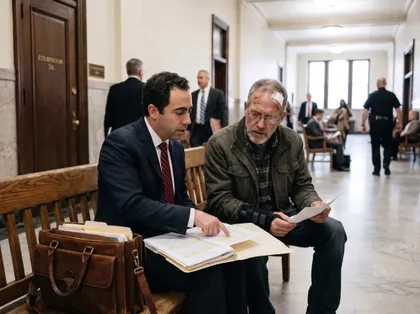
Under California Code of Civil Procedure § 395(a), you can generally file a personal injury lawsuit in:
- The county where the injury occurred.
- The county where one or more defendants lived when the lawsuit began.
Section 395.5 provides additional venue rules for corporations and associations. Other rules may apply depending on the claim.
California has 58 superior courts, each with its own local procedures. These rules can affect filings, hearings, and trial preparation.
If your lawyer is based elsewhere, ask who will handle court appearances, whether local counsel may be involved, and how the firm will manage any required travel.
How Arash Law Gathers Evidence When the Accident Scene Is Far Away
Arash Law investigates personal injury claims using records, witness statements, and other relevant evidence. Depending on the case, some tasks may be handled remotely, while inspections or local evidence collection may require additional arrangements.
Evidence Collection at the Accident Location
Depending on the claim, an investigation may involve:
- Scene Documentation: Photographs of unsafe conditions, damaged property, or equipment.
- Surveillance Footage: Recordings from nearby businesses or properties.
- Witness Statements: Accounts from people who saw the incident.
- Official Records: Inspection reports, safety records, or incident reports.
- Physical Evidence: Damaged equipment or other items related to the injury.
For example, premises liability attorneys may need surveillance footage, maintenance records, and photographs of a hazardous condition after a fall at a store.
Businesses may overwrite surveillance footage or repair hazards before investigators document them. Prompt preservation requests can help protect relevant evidence.
Before hiring a lawyer based elsewhere, ask who will collect evidence and how soon the investigation can begin.
Records You Can Preserve Without Returning to the Scene
Keep original photographs, videos, witness contact information, incident reports, medical documents, and insurance correspondence.
You can often share copies electronically without having to return to the accident location.
If your treatment provider has concerns about communicating with a law firm based in another area, ask how the firm requests medical records, handles authorizations, and communicates with providers. Confirm what arrangements are available for your situation.
What Arash Law’s Results Show About Our Personal Injury Experience
Arash Law has recovered more than $1 billion for injured clients. Our published case results reflect experience with vehicle accidents, premises liability, third-party personal injury claims, and wrongful death cases.
These results illustrate the role of evidence and litigation in past cases, not any advantage tied to office location.
$18.7 Million — Premises Liability Arbitration Award: An 18-year-old farm worker suffered severe leg injuries after a tractor entered a hole and farm machinery collapsed. The defendant disputed responsibility. Arash Law pursued the premises liability claim through arbitration and obtained an $18.7 million award.
$9 Million — Third-Party Personal Injury Recovery: A construction worker’s injury initially appeared limited to workers’ compensation. Through discovery and depositions, Arash Law uncovered potential third-party liability. The investigation led to a $9 million policy-limits tender, showing how additional evidence changed the direction of the claim.
$6.5 Million — Wrongful Death Recovery: A truck rear-ended a stopped vehicle on a freeway, causing a fatal crash. The trucking company disputed liability despite the California Highway Patrol’s findings. Arash Law uncovered withheld evidence that challenged the company’s defense and secured a $6.5 million recovery.
Past results do not guarantee future outcomes. Every case is different, and results depend on the specific facts and evidence involved.
Have questions about your case? Arash Law represents injury clients throughout California. Call (888) 488-1391 for a free case evaluation. You can ask about the firm’s service area, investigation arrangements, and meeting options.
Remote vs. In-Person Case Tasks Across California
Many parts of a personal injury case can be handled remotely, including document reviews, insurance communications, and claim preparation. Scene investigations, depositions, and court appearances may require additional arrangements.
Use this Service-Access Comparison Sheet to compare arrangements before hiring a lawyer. These are possible options to discuss, not guaranteed services.
| Task | Location or Access Need | Proposed Arrangement | Responsible Person | Travel/Cost Question | What to Confirm |
|---|---|---|---|---|---|
| Initial Consultation | You live far from the office. | Phone, video, or office meeting. | Intake staff or attorney. | Is travel necessary or costly? | Available meeting options. |
| Accessible Meetings | You have difficulty traveling. | Remote or arranged accessible meeting. | Assigned legal team. | Are there extra expenses? | Available accommodations. |
| Scene Investigation | The accident occurred elsewhere, or the location is uncertain. | Local investigation or site visit, if available. | Attorney and investigator. | Who pays for investigation and travel? | Local investigator availability. |
| Evidence Collection | Records and witnesses are elsewhere. | Remote requests and local collection. | Assigned legal team. | Are there collection fees? | Who gathers the evidence? |
| Medical Records Coordination | Your provider has concerns about working with an out-of-area firm. | Records requests and agreed communication methods. | Designated records contact. | Are records or delivery charges involved? | Provider requirements and firm procedures. |
| Case Communication | You live far from your lawyer. | Calls, messages, or electronic documents. | Attorney or case contact. | Are there communication fees? | Contact methods and update frequency. |
| Depositions | You need to give testimony. | Remote or in-person attendance. | Handling attorney. | Will you need to travel? | Attendance requirements. |
| Court Proceedings | Your lawsuit proceeds in another county. | Remote appearance when the court permits it, or in-person attendance. | Handling attorney. | Who covers travel costs? | Court rules and attendance arrangements. |
Before relying on any arrangement, confirm who will handle the task and whether it could involve additional expenses.
Accessible Meetings and Client Communication
Some firms offer phone or video consultations and electronic document exchange. These options may help clients who live far away or have difficulty traveling.
Before hiring a firm, ask about available meeting options, your main point of contact for the case, and how often you can expect updates.
Do not assume the firm offers home visits, hospital meetings, or a nearby office. Confirm whether alternative meeting arrangements are available and need to be scheduled in advance.
Client Travel for Depositions and Court Proceedings
Remote representation does not eliminate every travel requirement. California Rule of Court 3.1010 permits remote depositions under specified conditions. Rule 3.672 allows remote appearances in many civil proceedings, but courts can require in-person attendance.
You may still need to attend a deposition, examination, hearing, or trial.
Ask whether you will need to travel, who will represent you, and whether the court allows remote participation. Neither the firm nor the attorney can guarantee that every proceeding will take place remotely.
Travel Expenses and Case Costs
Hiring a lawyer based elsewhere does not automatically increase legal fees. However, travel, investigation, and court-related expenses may affect case costs.
Before signing an agreement, ask whether the firm advances case expenses, how those costs are handled, and whether travel, local counsel, or investigations could create additional charges. California Business and Professions Code § 6147 requires written contingency fee agreements to address fees and costs.
Frequently Asked Questions About Choosing an Injury Lawyer in California
What if My Local Attorney Doesn’t Practice in the County Where I Was Hurt?
You can hire another actively licensed California attorney who accepts cases in that county.
The lawyer does not need an office near the accident, but the firm should have appropriate arrangements for local investigations and court proceedings.
Can I Hire an Injury Lawyer Based Elsewhere if My Doctor Has Concerns?
Yes. Your doctor’s concerns about working with a law firm in another area do not automatically prevent you from hiring that firm.
Ask the provider what practical issues need to be addressed, such as record coordination or communication. Then ask the law firm what arrangements it can offer.
When Should You Contact an Injury Lawyer After an Accident?
Contact an injury lawyer as soon as reasonably possible, especially when evidence may disappear or filing deadlines are approaching.
Under Code of Civil Procedure § 335.1, you generally have two years to file a personal injury lawsuit.
Under Code of Civil Procedure § 338, a lawsuit for damage to personal property generally has a three-year filing deadline.
Under Government Code § 911.2, you typically must present an injury claim against a public entity within six months.
Claims against state agencies generally go through the California Department of General Services’ Government Claims Program. Local public entities have their own claim submission procedures.
If the public entity properly rejects your claim in writing, Government Code § 945.6 generally gives you six months to file a lawsuit. Exceptions and other deadlines may apply, including rules involving minors.
Missing an applicable statute of limitations or government claim deadline may bar the claim entirely. Separately, delays in preserving surveillance footage, records, or other evidence can weaken the proof available to support your case.
Your lawyer’s location does not extend these deadlines.
How Much Does It Cost to Hire an Injury Lawyer?
Many California personal injury lawyers work on a contingency fee basis, meaning they generally receive attorney fees only if they recover compensation for you.
The fee percentage varies by agreement. Review the written terms to understand the attorney’s fee and any additional expenses.
What If My Accident Happened Outside California?
A California attorney’s license does not automatically authorize practice in another state’s courts.
The attorney may need a license in that state or another permitted arrangement.
Ask the firm to confirm its authority to handle your case and any arrangements with appropriately licensed counsel.
Talk to Arash Law About Your California Injury Claim
Arash Law represents injured clients throughout California. During a free initial consultation, you can ask about the firm’s service area, meeting options, investigation resources, and court arrangements.
Share where you live or receive treatment, what you know about the accident location, and any concerns about communication or travel. The team can discuss available services, any necessary arrangements, and potential case expenses.
Call (888) 488-1391 for a free case evaluation. Our accident hotline is available 24 hours a day, seven days a week.
Sources
- State Bar of California: Official directory for checking attorney license status and disciplinary history.
https://www.calbar.ca.gov/public/find-legal-professionals- California Code of Civil Procedure § 395: General venue rules for personal injury lawsuits.
https://leginfo.legislature.ca.gov/faces/codes_displaySection.xhtml?lawCode=CCP§ionNum=395.- California Code of Civil Procedure § 395.5: Venue rules for corporations and associations.
https://leginfo.legislature.ca.gov/faces/codes_displaySection.xhtml?lawCode=CCP§ionNum=395.5.- California Rules of Court, Rule 3.1010: Requirements for remote depositions.
https://courts.ca.gov/cms/rules/index/three/rule3_1010- California Rules of Court, Rule 3.672: Remote civil proceedings and in-person appearance requirements.
https://courts.ca.gov/cms/rules/index/three/rule3_672- California Business and Professions Code § 6147: Requirements for written contingency fee agreements.
https://leginfo.legislature.ca.gov/faces/codes_displaySection.xhtml?lawCode=BPC§ionNum=6147.- California Code of Civil Procedure § 335.1: General two-year personal injury lawsuit deadline.
https://leginfo.legislature.ca.gov/faces/codes_displaySection.xhtml?lawCode=CCP§ionNum=335.1.- California Government Code § 911.2: Claim presentation deadlines for public entities.
https://leginfo.legislature.ca.gov/faces/codes_displaySection.xhtml?lawCode=GOV§ionNum=911.2.- California Government Code § 945.6: Lawsuit deadlines following government claim rejection.
https://leginfo.legislature.ca.gov/faces/codes_displaySection.xhtml?lawCode=GOV§ionNum=945.6.- California Department of General Services: Government Claims Program for claims against the State of California.
https://www.dgs.ca.gov/ORIM/About- Arash Law Case Results: Published examples of personal injury verdicts, arbitration awards, and other recoveries.
https://arashlaw.com/case-results/Disclaimer
Past results do not guarantee future outcomes. This article provides general information, not legal advice. The facts, applicable laws, and available services vary by case. Reading this article or contacting Arash Law does not establish an attorney-client relationship. Consult a licensed California attorney about the facts and deadlines that may apply to your situation. Arash Law: (888) 488-1391.