TL;DR: Yes, in most cases. The driver’s lawyer works for the driver, not you, and you may have a claim against that driver. Your interests can also conflict if several injured people share a single insurance limit. A lawyer who represents only you can focus on your claim alone. Whether one lawyer could represent both of you depends on the facts.
Yes, in most cases, you should have your own lawyer. That is true even if the driver of your vehicle may have caused the crash and already has an attorney.
California law does not generally require an injured passenger to hire an attorney. However, the driver’s lawyer does not represent the passenger, and separate counsel may be especially important when the passenger has a claim against the driver or must compete for limited insurance funds.
The driver’s lawyer works for the driver, not for you. That may be an attorney the driver hired for their own injury claim or a defense attorney assigned by the driver’s liability insurer. Either way, that lawyer’s role is to protect the driver’s interests, not to advise you about your passenger claim. Your own lawyer can focus on your claim without having to balance the driver’s interests. Whether one lawyer could represent both of you is a separate question, and the answer depends on the facts of your crash.
Table of Contents

I Was Injured as a Passenger, and the Driver Who May Have Caused the Crash Already Has an Attorney. Do I Need My Own Attorney if Our Interests Aren’t Exactly the Same?
Usually, yes. If the driver may have caused the crash, your interests and the driver’s are already in tension, because you may have a claim against that driver. The driver’s lawyer has no duty to protect your claim or advise you, and what you tell that lawyer may not be protected by the attorney-client privilege. Even if the driver seems cooperative, your interests can be further split as the facts about fault develop.
The driver’s lawyer is not your lawyer, even if the driver is a friend or relative and the lawyer is friendly toward you. That does not suggest bad faith. The lawyer has a different client with different goals.
A lawyer who represents only you handles several issues the driver’s lawyer has no reason to handle:
- Your Own Coverage: Your auto policy, or the policy covering the vehicle you were in, may include uninsured motorist (UM), underinsured motorist (UIM), or medical payments (MedPay) coverage. Your lawyer checks which coverage applies and how to claim it.
- Medical Bills and Repayment Claims: Your health insurer or a medical provider may seek repayment from your recovery. Your lawyer can address those claims before you settle.
- Settlement Timing: A settlement that resolves the driver’s exposure early may come before you know the full extent of your injuries. Your lawyer can advise you on timing based on your treatment, not the driver’s.
- Your Statements: Anything you tell the driver’s lawyer or an insurer may be used in the case. A lawyer can advise you before you give a statement.
If the driver’s lawyer contacts you, ask in writing whether that lawyer represents you. If the answer is no, you can decline to discuss the crash until you have spoken with your own attorney.
Key Facts for Injured Passengers in California
- California follows a pure comparative negligence rule under Li v. Yellow Cab Co. (1975) 13 Cal.3d 804, so fault can be divided among multiple people, including the driver of the car you were riding in.
- Since January 1, 2025, California’s minimum bodily injury limits for standard auto policies under SB 1107 are $30,000 per person and $60,000 per accident, per the California Department of Insurance.
- CRPC Rule 1.7 limits a California attorney’s ability to represent clients with directly adverse interests or where the lawyer’s duties to one client could materially limit work for another.
- CRPC Rule 1.8.7 requires each client’s informed written consent to any combined settlement when one lawyer represents multiple clients.
- Most injured passengers have two years from the date of the crash to sue a private driver under Code of Civil Procedure §335.1.
- Government Code §911.2 requires a written claim within six months when a government entity may share responsibility.
Why Your Interests May Differ From the Driver’s
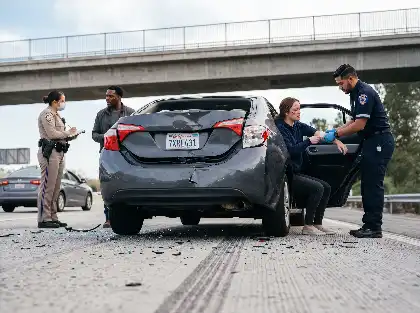
Your right to seek compensation is separate from the driver’s. You can make a claim against anyone whose negligence, meaning a failure to use reasonable care, caused the crash. That can include the driver of your own vehicle. The driver’s lawyer does not change that right, but that lawyer cannot exercise it for you.
Three situations show how your interests and the driver’s can split:
- Shared Fault: California follows a pure comparative negligence rule, established in Li v. Yellow Cab Co. (1975) 13 Cal.3d 804. Fault can be divided among several people. If the driver shares blame for the crash, you may have a claim against that driver. A lawyer who also represents the driver may be unable to bring that claim for you.
- Competing for Limited Insurance Funds: Most auto policies set a limit for each accident. Under SB 1107, the minimum bodily injury limits for standard California auto policies are $30,000 per person and $60,000 per accident. When injuries exceed the available limit, injured people may compete for the same funds. The driver’s lawyer protects the driver’s interests, not your share of that money.
- Your Separate Damages Claim: Your claim for emergency room bills, ongoing treatment, lost wages, and pain and suffering is legally separate from the driver’s claim. A lawyer who represents only you can focus on the full value of your losses.
What Happens If the Driver of Your Vehicle Is Responsible for Your Injuries?
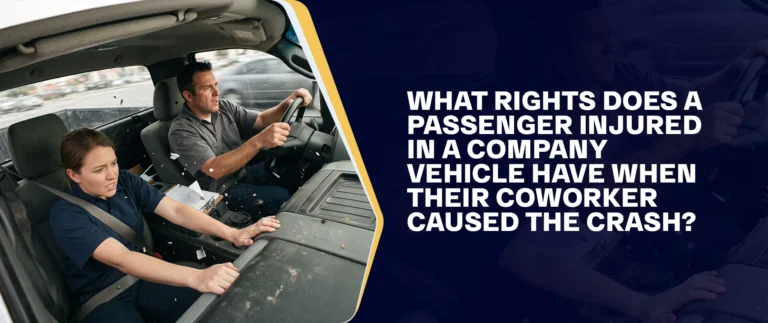
What happens if the driver of my vehicle is responsible for my injuries? You can still seek compensation. If the driver’s negligence helped cause the crash, you can make a claim against that driver, and the driver’s liability insurer generally handles it. In many cases, the passenger seeks payment through the driver’s liability insurance rather than asking the driver to pay the claim personally.
If the other driver also contributed, you can make a separate claim against that driver and that driver’s insurer. Each insurer works for its own insured, not for you. A lawyer who represents only you can pursue these claims together and compare all the coverage that may apply.
How Does a Passenger Claim Against One or More Drivers Work?
As an injured passenger in California, you can pursue claims against one or more drivers whose negligence contributed to the crash. You do not have to limit your claim to one driver.
If one driver appears responsible, you can file a claim against that driver and their liability insurer. If multiple drivers contributed, you can pursue claims against each one.
The insurers may investigate the crash and dispute how much each driver contributed. California follows pure comparative negligence under Li v. Yellow Cab Co. (1975) 13 Cal.3d 804. That rule allows fault to be divided according to each party’s percentage of responsibility. If you cannot reach a settlement, you can sue the legally responsible drivers.
How damages are allocated also depends on the type of loss. California Civil Code § 1431.2 limits each defendant’s non-economic damages to that defendant’s percentage of fault. Economic damages follow different rules and may involve joint liability among responsible parties. That can affect how you pursue payment for medical expenses and lost wages.
Can the Same Attorney Represent the Passenger and the Driver?
Sometimes, but only if there is no disqualifying conflict. Before representing both you and the driver, a California attorney must check for a conflict of interest. CRPC Rule 1.7 governs that check. It limits representing clients whose interests are directly adverse. It also applies when duties to one client could materially limit the lawyer’s work for another. Consent does not cure every conflict. For example, a lawyer may be unable to bring one client’s claim against another client in the same lawsuit.
When a Conflict Is Likely
Not every crash involves a conflict. If the driver clearly was not at fault and you are the only injured passenger, one lawyer may be able to represent both of you. A conflict becomes more likely in two situations:
- The Driver May Share Fault: A lawyer who represents the driver may be unable to press your claim against the driver without conflicting with the duty owed to that client.
- Several Passengers Were Hurt, and Limits Are Low: One lawyer may be unable to maximize one passenger’s share without reducing another’s. That limits the lawyer’s ability to represent both.
If you think the driver’s lawyer may have a conflict of interest, consider speaking with a lawyer who represents only you. A passenger accident lawyer can handle these cases. Injured as a passenger in a California crash? Call Arash Law at (888) 488-1391 to schedule a free case evaluation.
When Should a Passenger Get a Second Opinion or Independent Lawyer?
A second opinion may help when fault is disputed, insurance limits are being shared, or the same lawyer represents both you and the driver. An independent attorney can review whether your interests differ from the driver’s and explain your options based on the facts.
Talk to a lawyer who represents only you if any of these apply:
- You’re Asked to Sign a Conflict Waiver: A waiver may give up rights you don’t fully understand.
- Fault Is Disputed: If your driver may share blame, you may have a claim against that driver, and the driver’s lawyer may be unable to pursue it for you.
- Several Passengers Were Hurt, and Limits Are Low: One lawyer may be unable to maximize one passenger’s share without reducing another’s. That can limit the lawyer’s ability to represent both. If one lawyer represents multiple clients in an aggregate settlement, California Rule of Professional Conduct 1.8.7 generally requires disclosure of each client’s participation in the settlement and each client’s informed written consent.
- You Feel Pressure to Settle Early: A fast settlement may come before you know the full extent of your injuries.
- You May Need UM/UIM Coverage or Face Medical Liens: These claims have their own rules and deadlines that the driver’s lawyer has no duty to handle.
- You’re Asked for a Statement or Signature: The driver’s lawyer cannot give you legal advice.
Can You Change Attorneys If You Are Not Comfortable With the Driver’s Lawyer?
You can change attorneys at any time during a personal injury case. Changing lawyers does not restart your claim or reset any filing deadline.
If the driver’s attorney already represents you and you have concerns, such as unresolved fault questions or unanswered calls, you can ask another attorney to review your situation.
The process for changing lawyers when an attorney-client relationship already exists generally includes these steps:
- Tell your current lawyer about your decision. You can end the attorney-client relationship and hire another lawyer.
- Hire your new lawyer. Review and sign the new representation agreement before moving forward with the change.
- Formalize the substitution if a court case is pending. California Code of Civil Procedure § 284 allows you to change lawyers during a pending case.
- Ask the court for approval if your former lawyer does not cooperate. Section 284 allows you to request court approval for the substitution.
- Request your case file transfer. California Rule of Professional Conduct 1.16 requires the departing lawyer to protect your interests when representation ends.
- Review any unresolved fee issues. Your former lawyer may seek compensation for work already performed, depending on the circumstances.
In contingency-fee cases, Fracasse v. Brent recognizes that a discharged lawyer may seek the reasonable value of services already performed.
Frequently Asked Questions About Passenger Injury Claims in California

Can a Passenger Sue the Driver of the Car They Were Riding In?
Yes. If the driver’s negligence caused your injuries, you can make a claim against that driver. The driver’s liability insurer may pay that claim, up to the policy limits. Negligence means failing to use reasonable care, such as speeding, running a red light, or driving while distracted. Riding as a passenger does not reduce your right to seek compensation.
What Happens If Multiple Drivers Shared Fault for the Crash?
You can bring claims against every driver who contributed to the crash. California’s pure comparative negligence rule allows fault to be apportioned among several drivers. For example, if one driver was 70% at fault and the other 30%, you can pursue both drivers. How much each driver must pay depends on the type of damages, the policy limits, and any coverage disputes. An attorney can explain how those rules apply to your claim.
Can a Passenger Be Found at Fault for a Car Accident?
Yes, in limited situations. Although a passenger does not control the vehicle, a passenger may share responsibility for causing a crash if, for example, they grabbed the steering wheel or seriously interfered with the driver’s operation of the vehicle. Seat-belt nonuse is different. It generally does not make a passenger responsible for causing the crash. Still, it may reduce recoverable damages if the defendant proves that wearing a seat belt would have prevented or reduced the passenger’s injuries. Whether either rule applies depends on the facts.
Does It Matter If the At-Fault Driver Is a Family Member?
No. Your right to bring a claim does not change because the driver is a family member. You make the claim against the driver, and that driver’s auto liability insurance may pay it, up to the policy limits. Some California policies include a household exclusion that limits coverage for people living in the insured driver’s household. Whether it applies depends on the policy language and your situation, so have an attorney review the policy before you assume coverage is available or denied.
What If the Driver’s Insurance Company Sends a Lawyer?
If you make a claim or file a lawsuit against the driver, the insurer may assign a defense lawyer to the driver. That lawyer’s job is to defend the driver against claims, including yours. The lawyer does not represent you and cannot give you legal advice about your claim. Before you give a recorded statement or sign anything, consider speaking with your own lawyer.
How Do Insurance Limits Work When Multiple Passengers Are Injured?
When several passengers are injured, their claims may draw on the same per-accident limit. Since January 1, 2025, California’s minimum bodily injury limits under SB 1107 are $30,000 per person and $60,000 per accident for standard California auto policies. If the combined claims exceed the available limit, the injured people may compete for the available insurance proceeds. How those proceeds are ultimately distributed depends on the claims, settlements, policy terms, and other circumstances.
What Filing Deadlines Apply to California Passenger Injury Claims?
Your deadlines run on your claim, not the driver’s, even if the driver already has a lawyer or an insurer is handling the claim. Most passengers have two years from the date of the crash to file a lawsuit against a private driver under Code of Civil Procedure §335.1. If a government entity may share fault, such as for a dangerous road condition, a written claim is generally due within 6 months under Government Code § 911.2. Special rules can apply. For example, a minority can toll some private-party lawsuit deadlines, but it does not generally toll the six-month government-claim presentment period.
Get Independent Legal Representation for Your Passenger Claim
Under California law, you have the right to pursue an injury claim separate from the driver’s. A lawyer who represents only you can evaluate your claim without any duty to protect the driver’s position or to share a limited insurance limit with another client.
If your case involves a conflict with the driver, a coverage dispute, or several injured people sharing one insurance limit, Arash Law can review the facts and explain your options. Call (888) 488-1391 for a free case evaluation. Our firm works on a contingency fee basis, so you pay attorney’s fees only if we can recover compensation for you.
Sources
- California Legislative Information: Code of Civil Procedure §335.1 (two-year personal injury statute of limitations). https://leginfo.legislature.ca.gov/faces/codes_displaySection.xhtml?sectionNum=335.1&lawCode=CCP
- California Legislative Information: Government Code §911.2 (six-month government claim deadline). https://leginfo.legislature.ca.gov/faces/codes_displaySection.xhtml?lawCode=GOV§ionNum=911.2
- California State Bar: Rules of Professional Conduct, Rule 1.7 (Conflict of Interest: Current Clients). https://www.calbar.ca.gov/legal-professionals/rules/rules-professional-conduct/current-rules-professional-conduct/chapter-1-lawyer-client-relationship
- California State Bar: Rules of Professional Conduct, Rule 1.8.7 (Aggregate Settlements). https://www.calbar.ca.gov/legal-professionals/rules/rules-professional-conduct/current-rules-professional-conduct/chapter-1-lawyer-client-relationship
- California Department of Insurance: SB 1107 minimum automobile liability limits of $30,000 per person, $60,000 per accident, and $15,000 property damage, effective January 1, 2025. https://www.insurance.ca.gov/0250-insurers/0300-insurers/0200-bulletins/bulletin-notices-commiss-opinion/upload/bulletin-2023-1-re-sb-1107-final-003.pdf
- California Courts: Judicial Council Form MC-050, Substitution of Attorney-Civil. https://courts.ca.gov/sites/default/files/courts/default/2024-11/mc050.pdf
- California Supreme Court: Li v. Yellow Cab Co. (1975) 13 Cal.3d 804. https://scholarlycommons.pacific.edu/cgi/viewcontent.cgi?article=2458&context=mlr
- California Legislative Information: Civil Code §1431.2 (several liability for non-economic damages based on each defendant’s percentage of fault). https://leginfo.legislature.ca.gov/faces/codes_displaySection.xhtml?lawCode=CIV§ionNum=1431.2
- California Legislative Information: Code of Civil Procedure §284 (change or substitution of attorney). https://leginfo.legislature.ca.gov/faces/codes_displaySection.xhtml?lawCode=CCP§ionNum=284
- California State Bar: Rules of Professional Conduct, Rule 1.16 (Declining or Terminating Representation). https://www.calbar.ca.gov/legal-professionals/rules/rules-professional-conduct/current-rules-professional-conduct/chapter-1-lawyer-client-relationship
Disclaimer
The information on this page is for general educational purposes and does not constitute legal advice. No attorney-client relationship is formed by reading or relying on this content. If you were injured, consult a licensed California personal injury attorney about your specific situation.