TL;DR: Bicycle accident settlements are calculated by adding ER visits, surgery, rehab, lost wages, bike damage, plus pain and suffering, then subtracting your fault share. Crash video, police reports, and witnesses shape fault, while the driver’s policy limits, UM/UIM, plus medical liens, can cut an injured cyclist’s final check.
Key Facts About California Bicycle Accident Settlements
- California uses pure comparative negligence. Under Li v. Yellow Cab Co. (1975), your compensation is reduced by your percentage of fault, even if you were mostly at fault.
- California raised its minimum auto insurance limits in 2025 under Senate Bill 1107 (SB 1107). Serious bicycle accident losses can still exceed those limits.
- Pain and suffering damages generally have no statutory cap in standard bicycle negligence cases. The amount depends on factors such as the severity and lasting effects of the injury.
- Strict deadlines apply. Claims involving a government entity may have a much shorter deadline than ordinary injury claims.
- Evidence can be lost quickly. Camera footage may be overwritten if it is not preserved promptly.
- Caltrans claims have special filing rules. Some claims of $12,500 or less may be filed directly with Caltrans, while larger claims generally go through the DGS/ORIM Government Claims Program.
Table of Contents

Bicycle accident settlements do not follow one fixed formula. Each claim depends on its own facts. A basic estimate starts by adding economic and non-economic damages. The amount may then be adjusted for the cyclist’s share of fault. The strength of the evidence, available insurance, and risks of going to trial can also affect what the parties agree to pay.
How The Bicycle Accident Settlement Calculation Works
A bicycle accident settlement is not based on a single formula. The value is usually determined by considering several main categories. These include the cyclist’s financial losses, future needs, pain and suffering, share of fault, available insurance, and any deductions that may affect the final payout.
The calculation can be viewed like this:
| Category | Calculation |
|---|---|
| Past financial losses | Medical bills + lost wages + property damage + other out-of-pocket costs. |
| Future losses | Future medical care + future lost income or reduced earning capacity. |
| Non-economic damages | Pain + emotional distress + disability + loss of enjoyment of life. |
| Total damages | Past losses + future losses + non-economic damages. |
| Comparative fault | Total damages − the cyclist’s share of fault. |
| Available coverage | Liability insurance + UM/UIM + commercial coverage + other possible sources (subject to policy terms and applicable offsets). |
| Gross settlement | Negotiated amount based on damages, evidence, coverage, and case risk. |
| Net recovery | Gross settlement − attorney fees − case costs − valid medical liens or reimbursement claims. |
The sections below explain the main parts of this calculation, including economic and non-economic damages, and how shared fault can reduce the amount recovered.
Economic Damages: Calculating Your Financial Losses
Economic damages cover every loss that can be assigned a dollar figure. Under CACI No. 3903A, an injured person may recover the reasonable cost of reasonably necessary past medical care and reasonably certain future medical care. Other economic losses, such as lost earnings and lost earning capacity, are addressed separately under California’s civil jury instructions. Bicycle accident attorneys can gather and organize these records early because a complete paper trail is what separates a fully compensated victim from one who settles for far less than their actual costs.
California does not automatically treat the full amount shown on a medical bill as the recoverable value of past medical expenses. A claimant generally must show that the treatment was reasonably necessary and that the amount sought is reasonable. When health insurance negotiated or paid a lower amount and the remaining balance was written off, the recoverable past medical expense generally does not include the written-off portion.
The main categories of economic damage in a California bicycle accident claim include:
- Emergency and Ongoing Medical Care: Reasonable costs of necessary emergency room treatment, surgery, hospitalization, physical therapy, prescription drugs, and specialist care may be included in the claim.
- Future Medical Costs: When treating physicians document a need for ongoing rehabilitation, assistive devices, or future procedures, those projected costs can be included in your claim.
- Lost Income: Wages lost during recovery are recoverable; if the injury causes a lasting reduction in your earning capacity, future lost income may also be claimed.
- Reduced Earning Capacity: If an injury permanently limits the cyclist’s ability to work or earn at the same level, the claim may include future loss of earning capacity. Depending on the case, vocational or economic experts may be used to estimate that loss.
- Property Damage: Damage to your bicycle, helmet, and cycling gear may also be recoverable. California generally measures damage to personal property by the reasonable cost of repair or the reduction in its value, subject to the applicable rules for property that cannot be repaired and any comparative fault.
- Other Accident-Related Expenses: Transportation for medical treatment, necessary home assistance, or other reasonable out-of-pocket costs may also be part of the economic-damages calculation when supported by evidence.
Documents are important. Medical records, bills, wage records, tax documents, receipts, and employer records can help show the amount of the loss.
Future losses may be harder to calculate. Bicycle accident lawyers often work with doctors and other experts to estimate future treatment, disability, or loss of earning ability.
Non-Economic Damages: The Human Cost Of A Bike Crash
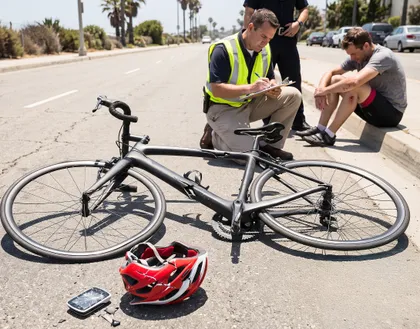
California law allows injured bicyclists to seek non-economic damages for losses such as pain, emotional distress, disability, disfigurement, and loss of enjoyment of life. Unlike medical bills or lost income, these losses do not have a fixed dollar value. California’s civil jury instructions state that there is no fixed standard for calculating them, so their value depends on the evidence and the nature, severity, duration, and effects of the injuries.
Two informal methods may be used during settlement discussions, but neither is required by California law:
- Multiplier Method: A party may compare non-economic damages with economic damages and use a multiplier as an estimating tool. California law does not establish a required multiplier or a standard 1.5-to-5 range.
- Per Diem Method: A party may propose a daily amount for pain, limitations, or other effects of the injury and multiply it by the relevant number of days. The daily rate is an advocacy or negotiation tool, not an amount set by law.
An insurer, attorney, judge, or jury may evaluate non-economic damages without using either method. In an ordinary bicycle negligence claim, there is no general statutory cap on these damages. Evidence may include medical records, photographs, physician opinions, testimony, and documentation showing how the injury affected work, sleep, mobility, daily activities, or recreation.
How Shared Fault Can Reduce Your Settlement
California follows a pure comparative negligence rule, meaning that any percentage of fault assigned to you proportionally reduces the compensation you may recover. As a general illustration, if a cyclist’s total damages are valued at $100,000 and they are found 25% at fault, the recoverable amount is reduced to $75,000. Even a cyclist found substantially at fault may still recover the remainder; every percentage point matters, and even a small reduction in your assigned fault share can meaningfully change the final amount.
Common arguments they raise against cyclists include:
- Riding outside a designated bike lane when Vehicle Code § 21208 requires the cyclist to remain in it and no statutory exception applies.
- Riding on a sidewalk where a local ordinance prohibits bicycle riding.
- Riding at night without the lighting and reflector equipment required by California Vehicle Code § 21201.
- Wearing dark clothing without reflective gear, which an insurer may argue contributed to the driver’s failure to see the cyclist.
Strong evidence is the most effective counter to these arguments. Dashcam video from nearby vehicles, intersection surveillance footage, the police or CHP collision report (if there is one), and sworn witness statements all help establish what actually happened.
When more than one person or entity shares responsibility for a bicycle crash, California law can also affect how damages are divided among them. Defendants may be responsible for different percentages of fault. Under California’s Proposition 51, each defendant is generally liable only for its proportionate share of non-economic damages, such as pain and suffering. This can affect settlement negotiations when a driver, employer, property owner, contractor, or public entity may all share responsibility.
What Affects The Final Bicycle Accident Settlement Amount
After the cyclist’s damages are estimated and any shared fault is applied, the final settlement may still change. Insurance limits, other sources of payment, medical liens, attorney fees, case costs, and the strength of the evidence can all affect the amount recovered.
Insurance Coverage And Other Sources Of Payment
Insurance coverage can impose a practical limit on the amount of money available under a particular policy.
California’s minimum auto liability limits are:
- $30,000 for injury or death to one person.
- $60,000 for injury or death to more than one person in one accident.
- $15,000 for property damage.
A serious bicycle injury may be worth much more than these limits. In that situation, other sources of payment may include:
- UM/UIM Coverage: The cyclist’s own uninsured or underinsured motorist coverage may apply. California UIM coverage is generally not simply added on top of the at-fault driver’s liability limits. Statutory offsets and the cyclist’s own UIM limits determine how much additional coverage may be available.
- Employer or Commercial Insurance: If the driver was working at the time of the crash, an employer or commercial insurance policy may provide coverage.
- Umbrella Coverage: Some people or businesses carry additional insurance beyond their main policy.
- Public Entity Liability: A city, county, or state agency may share responsibility if a dangerous road condition contributed to the crash.
- Other Responsible Parties: A vehicle owner, contractor, business, manufacturer, or other party may also share in the fault.
Policy limits do not always equal the full value of the claim. They mainly affect how much money is available from a given source.
Gross Settlement Vs. Net Recovery
The gross settlement is the total amount paid to resolve the claim. The net recovery is the amount the client receives after certain deductions are made.
A simple calculation is:
Gross settlement
− Attorney fees.
− Case costs.
− Valid medical liens or repayment claims.
= Estimated net recovery.
The exact net amount depends on the fee agreement, case expenses, and any valid liens or reimbursement obligations.
Medical Liens And Reimbursement Claims
Medical bills may affect a settlement twice. First, reasonable accident-related medical expenses can help establish damages. Second, an insurer, government health program, hospital, or other entity may have a right to reimbursement from the recovery in some circumstances.
Examples may include:
- Medi-Cal Reimbursement: The California Department of Health Care Services may seek reimbursement for qualifying injury-related services it paid when a Medi-Cal member obtains a settlement, judgment, or award from a liable third party.
- Medicare Recovery: Medicare may have federal reimbursement rights for certain conditional payments made for accident-related medical care.
- ERISA or Private Health-Plan Reimbursement: Some employer-sponsored or private health plans may assert contractual or statutory reimbursement rights, depending on the plan and applicable law.
- Hospital Liens: Qualifying California hospitals may assert liens under Civil Code §§ 3045.1 et seq. in circumstances covered by those statutes.
- Other Medical-Provider Arrangements: Some providers may treat an injured person under a lien or other agreement providing for payment from a later recovery.
Not every bicycle accident claim involves these deductions, and the asserted amount is not necessarily the amount ultimately paid. Depending on the governing law and the circumstances, an attorney may review whether a lien is valid, whether all charges are related to the accident, and whether a reduction is available. Medi-Cal, for example, has procedures governing its recovery amount and requests for reductions.
Attorney Fees And Case Costs
Personal injury attorney fees are commonly based on the contingency-fee agreement between the lawyer and client. Case costs may include:
- Filing fees.
- Medical record charges.
- Deposition costs.
- Investigation expenses.
- Expert witness fees, when needed.
Because fee agreements and case expenses vary, the client’s net recovery cannot be calculated solely from the gross settlement.
It is helpful to separate four different amounts:
- Estimated damages or case value.
- Gross settlement.
- Fees, costs, liens, and reimbursement claims.
- Net amount paid to the client.
Together, these factors help explain why the amount a bicycle accident claim is worth may differ from both the gross settlement and the amount the client ultimately receives.
Why Online Settlement Calculators Cannot Tell You What Your Case Is Worth
Some online settlement calculators produce rough estimates by applying generic formulas or multipliers to information you enter. They cannot see the factors that actually determine value in a California bicycle accident claim, and acting on their output can mean accepting a settlement that permanently closes a claim for far less than it is actually worth.
Here is what a calculator cannot do:
- Apply California’s comparative fault rules to your specific evidence. If the insurer blames you for a portion of the crash, your actual recovery depends on what the evidence shows, not a number the calculator assumed.
- Review your evidence. Dashcam video, the police or CHP collision report, if one was prepared, witness contact information, and medical imaging all affect value. A calculator reviews none of it.
- Check the at-fault driver’s actual policy limits. A calculator cannot independently verify the responsible parties’ applicable insurance policies, coverage limits, exclusions, or other potential sources of recovery.
- Quantify your pain and suffering accurately. CACI No. 3905A exists precisely because these damages are personal and non-formulaic. A calculator applies a multiplier without knowing the injury’s severity, permanence, or effect on your specific life.
Once you sign a valid settlement release covering your injury claim, you generally cannot seek additional compensation simply because later medical complications or costs arise. This is why you need a bicycle accident lawyer before accepting any offer. They can help you know whether the offer reflects the actual value of your claim. Bicycle accident attorneys can evaluate claims in person, review all available evidence, and provide clients with a realistic assessment grounded in the facts rather than a web-based formula.
What Arash Law Has Recovered For Injured Clients
Arash Law has recovered over $1 billion for injured victims in California. The cases below involve different types of vulnerable road users, including bicyclists, pedestrians, and motorcyclists. While the circumstances vary, many of the same factors that affect bicycle accident settlements appear in these cases, such as liability disputes, serious injuries, limited insurance, and roadway hazards.
$1,750,000 (Auto vs. Pedestrian): After our client was struck by an uninsured driver at a dangerous intersection, we investigated the roadway itself. We found a history of accidents at the location, and that evidence helped us pursue and secure compensation.
$5,000,000 (Truck vs. Motorcycle): The police report placed our client at fault, and he was uninsured at the time of the motorcycle crash. We challenged that finding and proved that the truck made an unsafe turn, which helped us secure compensation for our client.
Past results do not guarantee future outcomes. Every case is different, and results depend on the specific facts and evidence involved.
Frequently Asked Questions About Bicycle Accident Settlements In California
Bicycle accident settlements can raise many questions about fault, insurance, timing, taxes, and the amount of compensation available. The answers below explain some of the most common issues injured cyclists may face when evaluating or resolving a claim in California.
How Long Do California Bicycle Accident Settlements Typically Take?

There is no standard timeline for a California bicycle accident settlement. Some claims resolve relatively quickly, while cases involving serious injuries, disputed fault, multiple parties, or litigation can take substantially longer. Preserving evidence and beginning the claims process quickly gives your attorney more leverage to negotiate an earlier and stronger resolution.
Does Riding Without A Helmet Reduce My Settlement In California?
Possibly. Riding without a helmet may reduce an adult cyclist’s recovery if the insurer can show that the lack of a helmet contributed to the head injury. California Vehicle Code § 21212 generally requires bicycle helmets only for riders under 18. Adults are not subject to that statewide helmet requirement, so the effect on a settlement depends on the evidence and California’s comparative fault rules.
Are Bicycle Injury Settlements Taxable?
Federal tax law generally excludes from income the compensatory damages you receive for physical injuries and related pain and suffering. Still, some settlement components, such as interest or punitive damages, or amounts tied to previously deducted medical expenses, may be taxable. Compensatory damages received on account of a personal physical injury, including amounts representing lost wages caused by that injury, are generally excluded from federal gross income under IRC § 104(a)(2). Other components, such as punitive damages or interest, may be taxable.
If a settlement includes multiple components, the allocation among compensatory damages for physical injury, punitive damages, interest, and any other potentially taxable amounts can affect federal tax treatment. Consult a qualified tax professional for advice about your specific settlement.
Can I Still Recover Compensation If The Driver Left The Scene?
You may still be able to recover compensation if the driver left the scene. If the driver cannot be identified, uninsured motorist (UM) coverage on your own auto policy may apply to the bicycle crash. California Insurance Code § 11580.2 generally requires qualifying physical contact, a report to the appropriate law-enforcement agency within 24 hours, and a sworn statement to the insurer within 30 days. Additional policy requirements may also apply.
Should I Accept The First Settlement Offer From The Insurance Company?
Do not accept a settlement offer until you understand what it covers and whether your injuries, future medical needs, lost income, and other documented losses have been adequately considered. Once you sign a release, that document can permanently bar your right to seek additional compensation. Once you sign a valid release covering the claim, you generally cannot seek more compensation simply because your medical condition later worsens. Having an attorney review any offer before you sign is the most reliable way to know whether it fully covers your documented losses.
How Long Do I Have To File A Bicycle Accident Lawsuit In California?
Most injured bicyclists have two years from the date of injury to file a personal injury lawsuit under CCP § 335.1. If a public entity may be responsible, a written government claim generally must be filed within six months under Government Code § 911.2. Different rules may apply to minors and other special claims.
What Happens To The Filing Deadline If The Injured Cyclist Is A Minor?
For many private personal injury claims, the two-year filing clock may pause (toll) until the injured cyclist turns 18. That protection does not extend automatically to all claim types: government-entity claims and medical malpractice claims follow different, often stricter timing rules that are not always tolled. Because the applicable deadline depends on the specific facts of the claim, consulting an attorney promptly is the best way to confirm the correct deadline.
How Can I Protect My Rights After A Bicycle Crash?
Contact law enforcement to create an official record; seek medical attention immediately, even if injuries seem minor; photograph the scene and any damage; and collect contact information from witnesses before they leave. Do not give a recorded statement to the at-fault driver’s insurer before speaking with an attorney. Contacting an attorney promptly gives you the best opportunity to preserve evidence and meet all applicable deadlines.
Contact Arash Law After A Bicycle Accident In California
California’s filing deadlines can be short, especially if a public entity contributed to the crash, so legal advice early is essential.
Arash Law handles every personal injury case on a contingency fee basis: you pay no attorney’s fees unless your case succeeds. Our bicycle accident lawyers can investigate the crash, identify every available source of coverage, and challenge the insurer’s fault arguments with hard evidence. Arash Law has recovered over $1 billion for injured Californians. Call (888) 488-1391 or contact us online to schedule a free case evaluation with Arash Law. Make them pay. Call AK.
Sources
- California Legislature: California Code of Civil Procedure § 335.1 (two-year personal injury statute of limitations); § 377.60 (who may file a wrongful death action); § 377.61 (wrongful death damages). leginfo.legislature.ca.gov
- California Legislature: Government Code § 911.2 (six-month written claim requirement for government entity tort claims). leginfo.legislature.ca.gov
- California Department of General Services, Office of Risk and Insurance Management: Government Claims Program filing portal and instructions. dgs.ca.gov/orim/file-a-claim
- California Department of Motor Vehicles: Insurance Requirements; Senate Bill 1107 minimum liability limits effective January 1, 2025 ($30,000/$60,000/$15,000). dmv.ca.gov/portal/vehicle-registration/insurance-requirements
- UC Berkeley SafeTREC: 2025 SafeTREC Traffic Safety Facts: Bicycle Safety. Bicycle fatality data 2023, California trends 2019–2023. safetrec.berkeley.edu/2025-safetrec-traffic-safety-facts-bicycle-safety
- California Office of Traffic Safety (OTS): California Traffic Safety Quick Stats 2023. Statewide fatalities: 4,061 in 2023 (down ~11% from 2022). ots.ca.gov/ots-and-traffic-safety/score-card
- National Highway Traffic Safety Administration (NHTSA): Traffic Safety Facts 2023 Data: Bicyclists and Other Cyclists (DOT HS 813739). crashstats.nhtsa.dot.gov/api/public/publication/813739
Disclaimer
Past results do not guarantee future outcomes. Every case is different. The information on this page is for general educational purposes and does not constitute legal advice. No attorney-client relationship is formed by reading or relying on this content. If you were injured, consult a licensed California personal injury attorney about your specific situation.