TL;DR: The California Highway Safety Plan outlines how the state uses federal funds to reduce traffic crashes caused by impaired, distracted, and negligent drivers. It targets risks facing aging drivers, motorcyclists, pedestrians, children, focusing on enforcement to prevent injuries and deaths before crash rates rise.
Highlights:
- Plan a sober ride – use rideshare or a designated driver.
- Use hands-free or voice commands – keep your phone out of reach.
- Avoid driving after impairing drugs, including prescription and OTC medications.
- Give older drivers extra space, especially at intersections and turns.
- Buckle up every trip and use the right child restraint.
- If you ride, wear a helmet and stay properly licensed and trained.
- Slow down and yield to pedestrians and cyclists at crossings.
Tip: After a crash, photograph the scene and injuries, gather witness contacts, and share only confirmed facts with insurers.
Table of Contents
Each year, the California Office of Traffic Safety releases a highway safety plan. The state’s highway safety plan serves as an application for federal funds to be used for increasing traffic safety in the state. In the plan, the Office of Traffic Safety outlines the state’s needs regarding highway safety and details the measures it proposes to help increase road safety. To obtain this information, the office evaluates the needs of the state every year and assesses the potential risks to traffic safety for all California drivers.
The metrics that the office tests are directly related to the risks of accidents. As you continue reading, you will learn the causes of accidents and how the California Office of Traffic Safety prioritizes making the roads safer. Despite the efforts of state agencies to make roads safer, traffic accidents still occur every day. Traffic accidents are typically caused by a driver’s negligence. If you have been involved in an accident, talk to a car accident lawyer to understand your legal options.
Our legal team has years of experience assisting accident victims in pursuing legal claims against at-fault parties throughout California. We will evaluate your case and determine if you have a claim. We are here to help you understand and protect your rights after an accident. Call our injury firm at (888) 488-1391 to schedule a free initial consultation.
What Is The Highway Planning Process?
The California Office of Traffic Safety complies with an application for federal funds each year to apply to the state’s roads and highways to make them safer. The application is called the Highway Safety Plan. In the Highway Safety Plan, the Office of Traffic Safety will include its observations about the safety issues it has observed or has been reported to it over the past year, and the office’s suggestions for fixing the issues.
The changes that the office suggests should be in line with the requirements for new grants set out by the California Vehicle Code 2900 and the 23 Code of Federal Regulations. The areas addressed in the California Office of Traffic Safety 2021 Highway Safety Plan include:
- Traffic records and roadway safety.
- Aging road users.
- Emergency medical services.
- Alcohol-impaired services.
- Drug-impaired driving.
- Distracted driving
- Motorcycle safety
- Occupant protection
- Child passenger safety.
- Pedestrian and bicycle safety.
If you have been hurt in an accident, consult with our personal injury lawyers to assess whether you have a case.
Aging Drivers
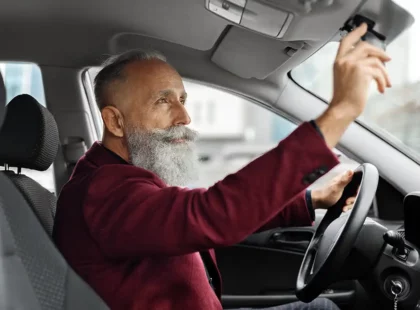
The California Office of Traffic Safety reported that the elderly population is expected to double to 90 million people over the age of 65 by 2060. In turn, the population of aging drivers will increase significantly. To prepare for the needs of aging drivers, the University of California at San Diego has begun to create classes for police officers and other professionals to learn how to spot issues that older drivers face. The Office of Traffic Safety noted that drivers over a certain age often experience decreased mental and physical abilities.
California has more drivers who are a part of the elderly population than any other state in the country. As of January 2020, the number of California drivers aged 65 and older reached 4.5 million. In California, 606 elderly drivers died in traffic crashes in 2018. Two hundred eighteen older adults were killed in pedestrian accidents in 2018.
Crash Types In Which Aging Drivers Are Involved
- Rear-End Crashes
- Vehicle and Pedestrian Crashes
- Hit-and-Run
- Broadside Accidents
- Head-On Collisions
Causes Of Deadly Crashes For Aging Drivers And Pedestrians
- Failure to Yield the Right of Way
- Speeding
- Illegal Turns
- Pedestrian Violation
Education Measures That California Proposes To Implement To Increase The Safety Of Aging Drivers
In the 2021 Highway Safety Plan, the Office of Traffic Safety proposed the following measures to help increase traffic safety among drivers aged 65 and older. Those measures include:
- Teaching the elderly how to drive and overcome their unique challenges.
- Increasing the awareness of the most recent driving laws that California has passed.
- Increasing driver awareness of elderly drivers, the frequency of elderly drivers, and their unique issues.
- Educating drivers and pedestrians about how prescription and non-prescription drugs affect the elderly population.
- Teaching law enforcement officers how to interact with and recognize the signs of issues that are unique to elderly drivers.
Alcohol-Impaired Driving
Alcohol use is a major contributor to traffic accidents across the country and in California. The Office of Traffic Safety reported that in 2018, one person died every hour in an alcohol-impaired driving accident. Californians recognized the dangers of driving under the influence of alcohol.
When surveyed, Californians answered that they thought that driving while under the influence of alcohol is one of the major contributors to deadly traffic accidents. The following facts illustrate the effects of driving under the influence of alcohol statewide and nationally.
- In 2018, 10,511 people died in traffic accidents across the U.S. involving a driver with a BAC of 0.08 or higher, accounting for 29% of the year’s 36,560 motor vehicle fatalities.
- In California, over 1,000 people were killed in alcohol-impaired traffic accidents during the same year.
- 30 percent of deadly traffic accidents in California in 2018 involved an impaired driver with a BAC level of 0.08 or higher.
Areas Of California That Have A High Rate Of Alcohol-Impaired Traffic Fatalities And Injuries
- Yuba
- Madera
- Modoc
- Mendocino
- Calaveras
- Plumas
- Tulare
- Fresno
- Stanislaus
- Alameda
- Santa Clara
- Los Angeles
- San Diego
- Orange
- Sacramento
- Kern
- San Joaquin
- Contra Costa
- Trinity
- Alpine
- Riverside
- San Bernadino
- Santa Clara
- Alameda
Driving under the influence of alcohol is such a problem that the Office of Traffic Safety placed alcohol-impaired driving on its Highway Safety Plan. The following is a summary of the countermeasures proposed by the Office of Traffic Safety in its 2021 Highway Safety Plan.
Education And Awareness
The Office of Traffic Safety proposed that educating the public about the dangers of alcohol-impaired driving is one of the key factors in helping increase traffic safety statewide. The state proposed that money be given to fund and expand programs that will increase the amount of knowledge that the public (and specifically any particularly vulnerable groups) have about BAC levels, how to use rideshare apps when they have been drinking, and how to choose a sober designated driver.
Examples of community-based programs proposed by the Office of Traffic Safety include:
- Mothers Against Drunk Driving (MADD)
- Teen Impaired Driving Education (TIDE)
- RADD’s College Alcohol-Impaired Driving Prevention Project
- Education And Teen Alcohol Enforcement And Education Program
- Real DUI Courts In Schools Program
- FNL Youth: Tracking Underage Alcohol Access And Changing Perceptions
DUI Treatment Court
The Office of Traffic Safety proposed establishing a DUI court program. The DUI program is intended to be a substitute for jail time and to give participants the skills they need to stop overindulging in alcohol and then driving. These programs are also a collaboration between the court system and law enforcement.
High Visibility Enforcement
The Office of Traffic Safety proposed that money be allocated to law enforcement so that police officers can be available to monitor roadways for drunk drivers. High visibility enforcement includes increased checkpoints, more warrants, more stakeouts, and media awareness. The grants that the Office of Traffic Safety proposed included:
- Driving Under The Influence Warrant Service Team Effort XI
- Safer Highways Statewide
- Regional Campaign Against Impaired Drivers
Probation Services
The Office of Traffic Safety proposed that more funding be allocated to the state for probation services, which will be used for county probation departments. The goal is to help reduce deadly accidents that involve DUIs. These increased probation services will include random alcohol testing, unannounced searches, and distribution of Habitual Offender Tracking Sheets.
Distracted Driving

A major cause of traffic accidents across the state and country is distracted driving. A driver is considered distracted if their attention is diverted from the task of operating their vehicle. Examples of distracted driving include eating, texting, or talking on the phone, personal grooming, listening to music, and using social media.
Cell phones and cell phone use are among the major distractions for road users. Because cell phone use while driving has become a significant problem, California has enacted laws that prohibit the use of mobile devices while driving, unless the cell phone or device is used in hands-free mode or with voice commands.
National statistics on cell phone use and distracted driving traffic accidents and fatalities include the following:
- In 2018, 2,839 people lost their lives in traffic accidents caused by distracted drivers.
- In 2017, 9% of fatal crashes across the country were reported as distracted driver accidents.
- 25 percent of distracted drivers across the country were aged 20-29.
- Drivers aged 20 to 29 made up the largest group of distracted drivers involved in fatal crashes.
The California Office of Traffic Safety described the need for the following countermeasures to distracted driving in its 2021 Highway Safety Plan:
Education And Awareness
It is important to the California Office of Traffic Safety that drivers across the state are aware of the risks of distracted driving and educated on how they can reduce the potential harm of distracted driving. The programs that the California Office of Traffic Safety wants to be funded include:
- Distracted Driving Program
- Students Against Destructive Decisions (SADD) Teen Safety Programs
- Drive Safe Long Beach: Distracted Driving Education Program
- Start Smart Teen Driver Safety Education Program
- Adult Distracted Drivers
- Teen Distracted Drivers Education And Enforcement
- Be Wiser Teen Impaired And Distracted Driving- Train The Trainer Program
- San Luis Obispo County Youth Traffic Safety Initiative
Drug-Impaired Driving
Drug-impaired driving is like alcohol-impaired driving. Both drug and alcohol-impaired driving make accidents more prevalent than accidents with sober drivers. Drug-impaired driving is an issue both nationally and across the state of California. Statistics about drug-impaired driving include:
- In 2018, drug-impaired driving played a major role in fatal crashes nationwide.
- In California, 719 fatal car injuries occurred that involved a person who was under the influence of illegal drugs.
- Hundreds of fatal crashes involved drivers who tested positive for illegal drugs in 2018 in California.
- Over half of the people surveyed reported that they believed driving under the influence of drugs was a “very big problem.”
- Many drivers across California thought that people driving under the influence of drugs was only “somewhat of a problem.”
Five Primary Crash Factors For Drug-Impaired Driving
The California Office of Traffic Safety compiled the following list, which includes what causes drug-impaired crashes:
- Speeding
- Driving Or Bicycling Under The Influence of Alcohol Or Drugs.
- Improper Turning
- Pedestrian Violations
- Failing To Yield The Right-of-Way
The California Office of Traffic Safety included proposed countermeasures in its Highway Safety Plan. The following are the countermeasures that were proposed by the California OTS:
Education And Awareness
The office wants to educate the public and make drivers aware of the risk of drug-impaired driving. The education programs include:
- Go Safely Santa Cruz County
- Long Beach Drug-Impaired Driving Prevention Program
- Shasta County Drives Sober
Evaluation
The California OTS wanted to shine a light on the issues with drug-impaired driving. The following actions the office intends to take include:
- Engage college communities against drunk, drugged, and distracted driving.
- Leverage the California Traffic Safety Resource Prosecutor Training Network.
- Deploy the Drug Recognition Evaluator Program.
- Continue to improve drug detection methods in alcohol- and drug-impaired driving.
- Provide funds to continue and enhance drug detection methods in alcohol- and drug-impaired driving.
- Funding for a liquid chromatography-tandem mass spectrometry.
Emergency Medical Services
The California OTS focused on the problems presented by the Emergency Medical Services across the state. Traffic crashes in California are responsible for the dangers presented to emergency responders across the state. In 2018, thousands of traffic fatalities and serious injuries occurred in California, posing significant risks for emergency responders. To address these issues, the state proposed in its Highway Safety Plan an increased focus on the Strategic Highway Research Project TIM.
As of February 2020, 25,548 California first responders, 35.9% of the statewide workforce, had received training through the Strategic Highway Research Project TIM. The California OTS has proposed additional funding to expand this training to more first responders.
Motorcycle Safety
Motorcyclists are part of the safety considerations that were proposed in the 2021 Highway Safety Program. What follows are motorcycle safety statistics from across the country.
National Statistics
- Across the country, 4,985 people were killed in motorcycle accidents on public roads in 2018.
- In 2017, motorcyclists had the highest number of alcohol-impaired driver accidents of any other motorist in the country.
- Twenty-seven percent of motorcyclists who died were under the influence of alcohol.
- Twenty-nine percent of motorcyclists who were involved in fatal crashes in 2017 were not properly licensed to operate a motorcycle.
- California had the second-most motorcycle fatalities in the country in 2017.
- In 2018, there were 4,985 motorcycle fatalities.
- Of the 488 motorcycle fatalities in 2018, 30 riders were not wearing a helmet.
Countermeasures that the California Office of Traffic Safety proposed include:
- Hawthorne Ride To Live Motorcycle Education Grant
- SF MTA Vision Zero Motorcycle Safety Campaign
- CHP Gears III
- Anaheim Motorcycle Safety Program
- Rialto Ride To Live Motorcycle Education Grant
- Upland Ride To Live Motorcycle Education Grant
- Coronado Ride To Live Motorcycle Education
Occupant Protection
Occupant protection and occupant safety are among the concerns of the California Office of Traffic Safety, and suggestions for enhancing occupant safety were included in its Highway Safety Plan. National and statewide statistics about occupant safety include:
- In 2018, across the country, weekday seat belt use among motorists increased from 89.6 percent in 2018 to 90.7 percent in 2019.
- In 2017, a large proportion of passenger vehicle occupants who died in nighttime crashes were not wearing seat belts.
- In 2017, daytime seat restraint use was higher than nighttime.
- In 2017, thousands of passenger vehicle occupants across the country with known restraint use were killed in motor vehicle traffic crashes.
- In 2019, seatbelt use increased across the country by 90.7 percent.
- Across the country, 9,778 unrestrained passenger occupants were killed in traffic crashes in 2018.
- In California, there were 598 unrestrained occupants killed in traffic crashes in 2018.
- California’s front seatbelt use rate for those aged five and older has been greater than 95 percent from 2014 to 2018.
- In 2017, seatbelt use saved 1,488 California passenger vehicle occupants aged five and older who were involved in traffic crashes.
Child Passenger Safety
The California Office of Traffic Safety focused on getting money for child passenger safety. The statistics that helped the office make that decision included:
- In 2018, 1,038 children under the age of 14 were killed in traffic accidents.
- In 2017, hundreds of children lost their lives in passenger vehicle accidents, including many who were properly restrained.
- For children under the age of five, 325 lives were saved because of the widespread use of seatbelts.
- In California, traffic safety officials continue to view child injuries from car accidents as a significant concern.
- The total number of children killed in traffic accidents decreased by over 10 percent in 2018.
- Child restraint programs in California have played a key role in protecting young lives during traffic accidents.
Pedestrian And Bicycle Safety
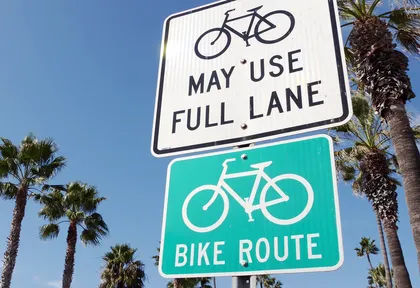
Pedestrians and cyclists share our roads. Thus, the California OTS focused on increasing the safety of each of these groups. Pedestrians and bicyclists are increasing in numbers in California and across the country. Because of the increased prevalence, the state must act to keep the people safe. Some statistics on pedestrian and bicyclist safety include:
- Pedestrian fatalities increased between 2014 and 2018.
- In California, 893 pedestrians died in traffic accidents in 2018.
- California counties with a high number of pedestrian deaths include:
- Los Angeles County
- San Bernardino County
- San Diego County
- Orange County
- Sacramento County
- Alameda County
- San Francisco County
- Pedestrian fatalities occurred in both urban and rural areas.
- Crash factors that make pedestrian accidents more likely include:
- Pedestrian right-of-way.
- Pedestrian traffic violations.
- Motorists driving under the influence of drugs and alcohol.
- Speeding
- In 2018, there were 857 bicyclists killed in traffic accidents in the United States.
Key recommendations that the state had for improving safety for bicyclists include:
- Public education campaigns.
- Increased training for law enforcement to understand laws designed to protect bicyclists.
- Collection of better crash data.
Countermeasures to improve pedestrian and bicycle safety include education for law enforcement.
Police Traffic Services
Educating the police on how to improve traffic safety is important to create a safe traffic environment. The California Office of Traffic Safety proposed that police participate in various programs that focus on increasing traffic safety.
Traffic Records And Roadway Safety
Other countermeasures proposed by the California OTS, designed to increase safety, include:
- Improve location accuracy with feedback.
- Traffic records.
- Statewide collision data analysis, research studies, and ranking program.
- Data analysis, technical assistance, education, and outreach.
- Fatality Analysis Reporting System Backing Project VI.
- Crash Medical Outcomes Data Project.
- Roadway safety and traffic records.
- Supporting community engagement with crowd-sourced data.
- California active transportation safety website.
Reach Out To Arash Law Injury Law Firm
If you have been involved in an accident, our personal injury attorneys at Arash Law are ready to help. We have years of experience assisting victims of accident-related injuries across California in pursuing compensation for their losses. Call us at (888) 488-1391 or complete our “Do I Have A Case?” form here for a free initial consultation.
We represent clients in Sacramento, San Francisco, Riverside, San Jose, Los Angeles, San Diego, and Sherman Oaks.