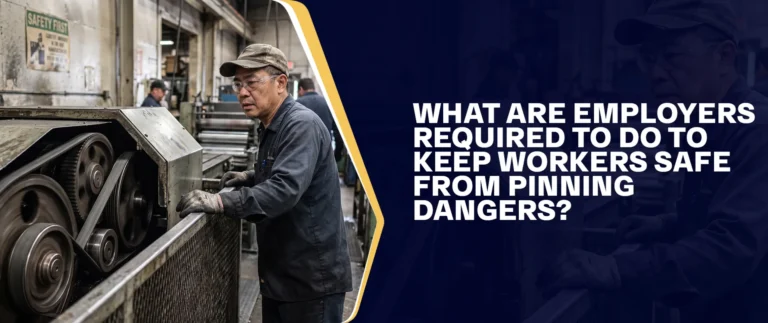
TL;DR: Mechanical factors that can cause accidents include defective parts, poor maintenance, and equipment failures. Drivers, workers, passengers, and bystanders may face injury when brakes, tires, steering systems, tools, or machines fail, and liability depends on who caused or ignored the problem.
Highlights:
- Save damaged parts, tools, or equipment before repairs begin.
- Photograph tires, brakes, machines, leaks, controls, and damage.
- Get medical care, even if symptoms seem minor at first.
- Keep repair invoices, inspection records, and maintenance logs.
- Report unsafe workplace equipment to a supervisor right away.
- File injury claims within California’s 2-year deadline.
- Act within 6 months for government vehicle or agency claims.
Tip: Keep the failed part unchanged whenever possible, since repairs or disposal may make the cause harder to prove.
Table of Contents
Mechanical factors that cause accidents include equipment malfunctions and defective parts. Common vehicular issues include tire blowouts, brake failures, and steering or suspension defects. These problems can cause drivers to lose control of the vehicle and crash. In industrial settings, accidents can happen due to power tool failures, hydraulic leaks, or machine breakdowns.
Failures can occur because of manufacturing defects, such as a poorly designed part. They can also result from poor maintenance. For example, someone may ignore worn brake pads or skip heavy machinery inspections.
Liability for these incidents depends on the root cause of the failure:
- A manufacturer might be liable for defective parts.
- A mechanic or employer could be at fault for poor repairs.
- An operator may be responsible if they ignored warning signs.
Common Mechanical Factors That Cause Accidents
A broken part or an unsafe machine can suddenly stop working without warning. These failures may cause crashes, fires, falls, or crushing injuries. Poor maintenance and defective parts can increase the risk of serious harm. Identifying these common factors helps determine proper legal liability.
Common mechanical hazards include:
- Motor Vehicle Defects
- Tire Blowouts: Worn or damaged tires can suddenly burst while driving.
- Brake Failures: Broken brakes can prevent a driver from stopping safely.
- Steering Problems: Faulty steering can make a vehicle hard to control.
- Engine Stalling: A stalled engine can bring a vehicle to a stop in moving traffic.
- Visibility Problems: Broken headlights or wipers can make driving dangerous at night or in bad weather.
- Wheel Detachment: Loose or improperly installed wheels can come off while the vehicle is moving.
- Suspension Failures: Broken tie rods, ball joints, or control arms can cause a sudden loss of control.
- Unintended Acceleration: A stuck throttle or an electronic fault can cause a vehicle to accelerate unexpectedly.
- Industrial And Workplace Machinery Hazards
- Machine Breakdowns: Broken machines can suddenly stop or move without warning.
- Hydraulic Leaks: Pressurized fluid leaks can cause dangerous equipment failures.
- Power Tool Failures: Defective tools can break apart or injure workers during use.
- Structural Failures: Broken chains, cranes, or supports can cause objects to fall.
- Control System Failures: Faulty emergency controls may fail to stop dangerous machinery.
- Missing Machine Guards: Guards that are removed or broken can expose workers to blades and moving parts.
- Unexpected Energization: Equipment that powers on during maintenance can cause crushing injuries.
- Conveyor Failures: Malfunctioning conveyors can pull workers in or entangle their clothing.
- Construction Equipment Failures
- Crane Failures: A boom collapse or rigging failure can drop heavy loads on workers below.
- Scaffold Collapse: Defective or poorly assembled scaffolding can give way, leading to falls.
- Lift Malfunctions: Aerial and scissor lifts can tip over or lose hydraulic power at height.
- Forklift Failures: Brake, steering, or mast failures can cause tip-overs and struck-by injuries.
- Rigging Failures: Worn slings, chains, or hooks can break under load.
- Elevator And Escalator Failures
- Sudden Drops: Brake or governor failures can cause an elevator car to fall or jerk.
- Misleveling: An elevator that stops above or below the floor can cause trips and falls.
- Door Malfunctions: Faulty sensors can allow doors to close on passengers.
- Comb Plate Failures: Worn or broken escalator comb plates can trap feet, shoes, or clothing.
- Handrail Problems: A handrail moving out of sync with the steps can cause riders to lose balance.
- Building And Premises System Failures
- Automatic Door Failures: Malfunctioning sensors or reversing mechanisms can cause commercial doors or garage gates to strike or trap people.
- Electrical Faults: Faulty wiring can cause fires, shocks, or electrocution.
- HVAC and Boiler Failures: Pressure or system failures can lead to leaks, burns, or explosions.
- Railing Failures: Weak or broken guardrails and handrails can cause falls.
- Pool Equipment Failures: Drain entrapment and pump failures can cause serious injury or drowning.
- Structural Fastener Failure: Heavy objects like retail displays, stadium seating, and suspended lighting rely on bolts and anchors, and the wrong fasteners or those that vibrate loose over time can cause a structure to collapse onto people below.
- Consumer Product And Home Goods Failures
- Locking Mechanism Failures: Folding ladders, adjustable chairs, and cribs depend on spring-loaded pins or hinges to stay locked, and a lock that slips under normal weight can cause the product to collapse suddenly.
- Rotor And Blade Detachment: High-speed appliances like lawnmowers, ceiling fans, and blenders can become unbalanced, and a loose securing nut or fatigued blade can send a component flying as a projectile.
- Amusement Park And Recreational Equipment Failures
- Restraint System Failures: Lap bars and over-the-shoulder harnesses rely on ratcheting locks or hydraulic cylinders, and a failure of the locking mechanism can cause a restraint to pop open mid-ride.
- Axle And Bearing Seizures: Roller coaster cars ride on specialized wheel assemblies, and a seized bearing from poor lubrication can lock up or shear a wheel off the track.
Who Is At Fault For A Mechanical Failure Crash?
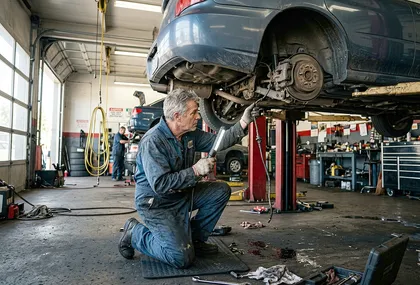
Identifying the at-fault party after a mechanical failure accident requires tracing the exact cause of the malfunction. Liability ultimately falls on the person or company whose direct negligence created the dangerous hazard. Investigators look closely at maintenance and inspection histories, manufacturing and design records, and operator or driver actions before assigning appropriate legal responsibility to:
- Drivers or Equipment Operators: They may be responsible if they ignore warning signs or mechanical issues. Examples include strange noises, leaks, shaking, and warning lights.
- Mechanics or Maintenance Companies: They may be at fault for poor repair work or missed inspections.
- Vehicle or Equipment Manufacturers: They can be liable for defective brakes, tires, tools, or machine parts that cause injury. These cases may involve product liability laws.
- Employers or Company Owners: They may be responsible if they provided unsafe work equipment or failed to perform maintenance. Companies must ensure that vehicles and machinery are safe to use.
California follows a rule called pure comparative negligence. This rule allows multiple parties to share fault for the same accident. That means you may also be liable for an accident caused by mechanical failures in your vehicle or equipment. Though that won’t bar you from pursuing a claim, a court can deduct your percentage of responsibility from your compensation. For instance, if you’re 20% liable, you can still recover the remaining 80% of your damages.
California Laws About Safe Vehicles
California has safety laws that help prevent accidents caused by mechanical failures. These laws apply to both vehicles and workplace machinery. Drivers, employers, and companies must keep equipment in a safe working condition. Ignoring mechanical problems can result in serious accidents, injuries, and legal consequences.
Important safety rules for motor vehicles:
- Safe Vehicle Condition: California law prohibits drivers from operating unsafe vehicles. Broken brakes, worn tires, or faulty steering systems can make a vehicle dangerous to drive.
- Working Vehicle Lights: Vehicles must have functioning headlights and other required lights during darkness. Broken lights increase crash risks and reduce visibility.
California also enforces safety rules for workplace machinery and equipment:
- Safe Machinery & Equipment: Employers must keep machines and tools in safe working condition. Defective parts, broken guards, or faulty controls can cause serious injuries.
- Regular Maintenance & Inspections: Companies must regularly inspect and repair machinery. Ignoring mechanical problems can lead to dangerous equipment failures.
Because safety violations often leave a paper trail in repair records and maintenance logs, securing this evidence quickly is critical. Taking the right steps immediately after a crash can prevent a negligent company from destroying or altering this proof before you file a claim.
What To Do After A Mechanical Failure Accident
After you call 911 and return home, plan your next steps. Focus on gathering evidence to support your personal injury claim. This claim is a legal request for compensation for your injuries. Following sound advice helps you build a strong case against the at-fault party.
Take these general steps to protect your claim:
- Take clear photos of broken vehicle parts, damaged machines, or unsafe equipment before repairs begin.
- Save damaged parts or tools if possible. Experts may need to inspect them later.
- Get medical care right away, even if you feel fine. Some injuries may appear hours or days later.
- Keep copies of medical records, repair invoices, and other accident-related expenses.
- Report unsafe equipment or machinery problems to your employer or supervisor immediately.
- Consult a lawyer to learn if you have a case and start the claims process early. Under California law, you only have a limited time to bring a case.
Frequently Asked Questions
You may still have questions about mechanical failure accidents. These answers explain some common legal issues and claim rules. Understanding your rights can help you protect your case.
Can I Recover Compensation If My Own Vehicle Or Equipment Failed?
Yes, you may still recover compensation in some situations. A mechanic, maintenance company, or manufacturer may become legally responsible for the failure. Liability depends on what caused the mechanical problem.
How Do I Prove A Mechanical Failure Caused A Traffic Accident?
You need evidence showing that the equipment or vehicle stopped working as intended and that the failure directly led to the accident. Auto-defect lawyers can work with mechanics, engineers, or accident reconstructionists to document this link. These experts inspect the vehicle and identify the defective part. Their findings can support your injury claim.
What If Unsafe Machinery Caused My Workplace Injury?
Your employer may become responsible for unsafe machinery or poor maintenance. A manufacturer may also share liability for defective equipment or machine parts. Some cases may involve both workers’ compensation and third-party injury claims. In this scenario, many victims seek free advice from heavy machinery accident attorneys to better understand what they’re eligible to file.
Who Pays If A Defective Part Causes Injuries?
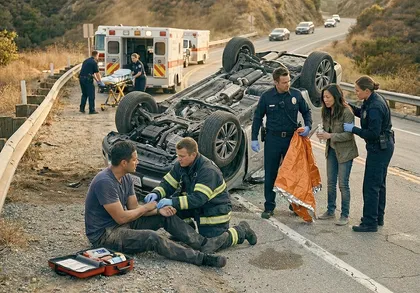
The manufacturer, distributor, installer, or maintenance company responsible for the defective part may become legally responsible for your injuries. Their insurance may cover the resulting losses, such as the emergency care, surgery, physical therapy, or chiropractic treatment you require after a serious mechanical failure accident.
How Long Do I Have To File A Mechanical Failure Accident Lawsuit In California?
California’s statute of limitations generally gives you two years to file a personal injury case. This time limit starts on the date of the accident. However, some exceptions may apply. For example, if your claim involves a government vehicle or entity, you must file an administrative claim within 6 months. You can only sue if the responsible agency denies your claim or does not respond to it within 45 days. Missing these strict deadlines can prevent you from seeking compensation through a lawsuit.
Do I Need A Lawyer For A Mechanical Failure Accident?
You are not required to hire a lawyer for your case. However, legal help may benefit you in mechanical failure accident claims. These cases can involve complex liability issues and technical evidence. You may think, “I need a personal injury lawyer” to understand your legal options. An attorney can investigate the accident, gather evidence, and identify responsible parties.
Get Help From Arash Law After A Vehicle Defect Accident
Mechanical failure accidents may involve defective vehicle parts, unsafe machinery, poor repairs, or skipped maintenance. These cases can happen on the road, at construction sites, in warehouses, or at industrial workplaces.
Our accident lawyers can investigate the failure, identify responsible parties, and help protect your legal rights. Our team handles claims involving brake failures, defective equipment, hydraulic leaks, machine breakdowns, and other dangerous mechanical hazards. If you’re wondering about the cost of working with us, you may be asking, “Do lawyers only get paid if they win?” The answer is yes. We only get paid if we recover compensation for you.
Call AK Law today at (888) 488-1391 for a free initial consultation.