TL;DR: Fractures, head injuries, cuts, and abrasions are among the most common e-scooter injuries. Those injured may be scooter riders, pedestrians, bicyclists, and other road users. Depending on how the crash occurred, a driver, a scooter rider, a scooter company, or a public entity may be responsible.
The most common e-scooter injuries range from scrapes and bruises to broken wrists, concussions, and, in serious crashes, brain or internal injuries. Riders suffer most of them, but pedestrians, bicyclists, and others involved in a collision can also be hurt.
E-scooter riders have little physical protection in the event of a fall or collision. Direct contact with the road, a vehicle, or another object can cause serious injuries. Pedestrians and other road users can also suffer injuries when struck by a scooter or involved in the resulting collision.
The U.S. Consumer Product Safety Commission (CPSC) estimated that there were about 380,000 emergency department visits associated with e-scooters from 2017 through 2024. About 79,300 of those visits occurred in 2024 alone. These figures show that e-scooter injuries often require emergency care.
Prompt medical attention can uncover hidden injuries. It also creates important medical records that document the harm caused by the crash. With that documentation, you may be able to pursue compensation for your losses from the party responsible for causing your injuries. In California, you may have the legal right to do so by filing a personal injury claim.
Key Facts About E-Scooter Injuries in California
- Fractures, head injuries, and soft-tissue injuries are common after e-scooter crashes. Riders may suffer broken bones, traumatic brain injuries (TBIs), facial injuries, cuts, road rash, sprains, and other joint injuries.
- E-scooter crashes can injure people other than the rider. Pedestrians, bicyclists, and vehicle occupants may also suffer injuries in a collision involving an e-scooter.
- More than one party may share responsibility. Depending on how the crash happened, a driver, another scooter rider, a pedestrian, an e-scooter rental company, an e-scooter manufacturer, an employer, or a public entity may be liable.
- Evidence should be preserved promptly. Photos, witness statements, rental app records, scooter ID details, maintenance records, and video footage can help reveal how the crash happened and who may be at fault.
- California regulates e-scooter use. California Vehicle Code (CVC) § 21235 sets rules for licensing, helmets, passengers, and sidewalk riding. These rules can help show how a crash happened and whether anyone shared fault.
- Different legal deadlines can apply. Most personal injury lawsuits against private parties have a two-year deadline under California Code of Civil Procedure (CCP) § 335.1. A written claim generally must be presented to a public entity within six months under Government Code (GOV) § 911.2.
Table of Contents

The Most Common E-Scooter Injuries
Fractures are the most common e-scooter injury, followed by bruises and abrasions, according to national emergency room data from the CPSC. The arms, legs, head, and neck are injured most often. About 1 in 10 people who sustain e-scooter injuries are admitted to the hospital or transferred to another facility. Internal injuries are less common. However, e-scooter riders suffer them more often than riders of conventional kick scooters.
E-scooter riders are especially vulnerable to injuries because there’s nothing between them and the road in the event of a crash. Their small wheels can catch on pavement cracks, gravel, or raised curbs, increasing the risk of accidents. When the scooter stops suddenly, the rider may continue forward and fall onto the road or collide with a vehicle or another object. Pedestrians, bicyclists, and other road users may also be injured when struck by an e-scooter or involved in a collision.
Common e-scooter injuries include:
- Fractures: They are among the most frequently documented e-scooter injuries. Riders often injure their wrists, forearms, elbows, ankles, and lower legs when they brace for a fall or when a vehicle strikes them. Doctors treat some fractures by immobilizing them. Others need surgery, surgical hardware, and physical therapy.
- Traumatic Brain Injuries (TBIs) and Facial Injuries: E-scooter crashes can lead to TBIs, from mild concussions to serious brain injuries. Symptoms may include headaches, confusion, dizziness, memory problems, and sensitivity to light. Falls and collisions can also cause facial fractures, dental injuries, and cuts to the face or scalp.
- Lacerations, Contusions, and Road Rash: Contact with pavement, vehicles, or other objects can cause cuts, bruises, and abrasions. Deep wounds may need stitches, staples, skin grafting, or extended wound care. Facial injuries can also leave permanent scars.
- Sprains and Other Joint Injuries: Sudden falls and twisting movements can injure the wrists, knees, ankles, and shoulders. Some injuries need bracing, physical therapy, and time away from normal activities.
- Internal Organ Trauma: A hard impact with the handlebars, a vehicle, or the ground can injure the liver, spleen, kidneys, or other organs. Internal bleeding can cause worsening abdominal pain, swelling, dizziness, or loss of consciousness. These symptoms may need emergency treatment.
After an e-scooter crash, doctors may use diagnostic imaging to identify injuries. Treatment can include emergency care, surgery, wound care, rehabilitation, and follow-up visits. Serious injuries can lead to missed work. They can also reduce earning capacity and create lasting physical limitations.
The severity of an injury can affect both the value of a claim and the medical evidence needed to document the losses.
What Increases the Risk of E-Scooter Injuries?
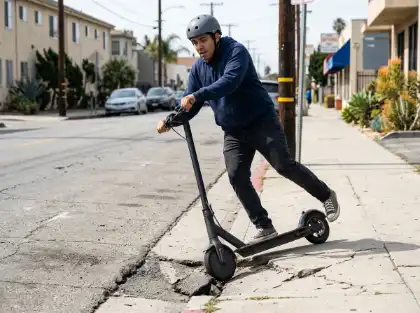 Rider behavior, road conditions, and the scooter’s design all shape the risk of e-scooter injuries. Some factors make a crash more likely, while others make the resulting injuries more severe. The circumstances of a crash, including the risk factors that contributed to your e-scooter injury, can affect who may be held legally responsible for the harm you sustained:
- Falls and Loss of Control: Most e-scooter injuries happen without another vehicle involved. In a Southern California study, falls caused the majority of the e-scooter rider injuries the researchers reviewed (80.2%). Small wheels can catch on potholes, cracks, and curbs, throwing the rider forward.
- Rider Inexperience: New riders face a higher risk of falls as they learn to accelerate, brake, and navigate road bumps on an e-scooter.
- Collisions with Motor Vehicles: Crashes with cars are less common than falls. However, they tend to cause more serious harm, including chest and abdominal injuries. A national study of emergency room data found that about 19% of e-scooter injuries involved motor vehicles, and those injured in vehicle crashes were admitted to the hospital more often. Similarly, the CPSC was aware of 206 e-scooter fatalities from 2017 through 2024. It noted that motor vehicle accidents were the leading cause of e-scooter deaths.
- Riding Without a Helmet: Few injured riders wear helmets, which raises the risk of serious head trauma. In the CPSC’s special study on e-scooter injuries, injured riders were wearing a helmet only 18% of the time.
- Alcohol and Drug Impairment: Impairment is common in the most severe cases. A 2023 study found that, in 2019, alcohol and drug use were associated with 8% and 1% of all e-scooter injuries in the country. Roughly 60% of the harm related to alcohol use resulted in head trauma (compared to the 28% of e-scooter injuries not related to alcohol use).
- Nighttime Riding and Poor Visibility: Darkness makes road hazards harder to see and riders harder to spot. About 20% of injured riders in the CPSC study reported difficulty seeing when they crashed.
- Carrying Items or Riding Distracted: Holding a bag or phone makes it harder to steer and brace for a fall. In the CPSC study, 32% of injured riders were carrying or holding something while riding, and 11% reported a distraction such as music or a cell phone.
Who May Be Liable for Your E-Scooter Injuries?
Liability depends on how the e-scooter crash happened and who contributed to it, resulting in the victim’s injuries and losses. It will generally fall on the entity that failed to comply with California’s negligence law, which requires everyone to act reasonably and to prevent harm to others. Product liability and public-entity claims follow different legal standards.
Potentially liable parties can include:
- Negligent Drivers: A driver may be liable for striking a scooter rider, failing to yield, cutting off a rider, or opening a vehicle door into the rider’s path. When a motorist causes the crash, their auto liability coverage may be one source of recovery.
- E-Scooter Riders: A rider may be responsible for injuring a pedestrian, bicyclist, another rider, or vehicle occupant. Examples include speeding, failing to yield, or cutting into someone’s path without giving them time to steer clear.
- Pedestrians and Other Road Users: A pedestrian may share fault for getting hit if their actions contributed to an e-scooter collision. A bicyclist or other road user may also share fault depending on their conduct. For example, a road user’s sudden entry into an e-scooter rider’s path may be considered when determining fault. Liability depends on the circumstances and whether each person used reasonable care.
- E-Scooter Rental Companies: A rental operator may be liable when negligent inspection, maintenance, or repair contributes to a crash. Useful evidence can include:
- Maintenance and inspection logs.
- Repair records.
- GPS and trip data.
- Prior complaints involving the scooter.
Because retention periods vary, these records should be preserved promptly.
- Manufacturers and Other Product Companies: A defective brake, battery, wheel, frame, or other component may support a product liability claim. Depending on the defect, manufacturers, distributors, or others in the distribution chain may be responsible. Strict product liability may apply, meaning the victim may not need to prove that the company acted negligently. They would only have to show that the defect existed and directly caused the injury.
- Employers: An employer may be liable if an employee causes an e-scooter crash while performing job duties. This may apply to drivers, delivery workers, or other employees.
- Public Entities: A public entity may be liable when a dangerous condition of its property causes an e-scooter injury. The condition must create a reasonably foreseeable risk of that type of harm. The victim must also show that a public employee’s negligent or wrongful act or omission created the condition, or that the entity knew or should have known about the condition in time to protect against it (GOV § 835).
- Caltrans: May be responsible for state highways, including freeways, ramps, shoulders, and property within state highway rights-of-way.
- Cities or Counties: May be responsible for local streets, sidewalks, bike lanes, crosswalks, paths, and other public property they own or control.
California follows pure comparative negligence under Li v. Yellow Cab Co., 13 Cal.3d 804 (1975). An injured person who shares fault may still recover compensation. However, the person’s compensation may be reduced in proportion to their share of fault.
Attorneys can review records related to the e-scooter injury, identify all potentially responsible parties, and determine whether a government claim may be required. They can also use the available evidence to address disputes over fault, especially if the other party argues that the victim contributed to the accident.
How to Protect Your E-Scooter Injury Claim
After an e-scooter crash, preserve evidence, document your injuries, and report the incident as soon as possible. Trip data, surveillance footage, and evidence of road defects may become harder to obtain over time.
Take these steps when you can do so safely:
- Take Photos of the Scene. Take photos of the scooter, roadway, pavement defects, and nearby hazards. Photograph any involved vehicles and your visible injuries as well. Also, photograph the scooter’s QR code, fleet number, or other identifying information. Road conditions may change, and defects may be repaired after the crash.
- Save Rental App Information If Applicable. If you were using a shared or rented e-scooter, save any available trip details before closing the app. These may include the scooter or fleet number, trip time, route, ride receipt, and incident report information. The rental company may also hold additional trip, GPS, maintenance, or inspection records.
- Identify Other Evidence. Note nearby sources of video footage, such as businesses, homes, and nearby vehicles with dashcams. Get the names and contact information of witnesses when possible. Surveillance recordings and other electronic evidence may not be kept indefinitely.
- Report the Crash. Contact the appropriate law enforcement agency when the crash involves a motor vehicle, causes an injury, or requires a report. If officers investigate, they may identify the people and vehicles involved. Their report may also document important details about how the crash happened.
- Seek Medical Care. Get appropriate treatment and explain how the crash occurred. Report all symptoms, including those that develop later. Medical records can help document the injuries and treatment, and link them to the collision.
- Keep Your Own Records. Save your medical bills, treatment records, and receipts. Keep copies of insurance and scooter-company communications. Also, track missed work and other accident-related expenses.
- Contact an Attorney About Evidence Preservation. A scooter accident lawyer can send preservation demands to protect important records. They may direct these demands to scooter operators, drivers, public entities, or other parties. A preservation demand can ask them not to delete, overwrite, or destroy relevant evidence.
How Long Do You Have to Take Legal Action for an E-Scooter Injury in California?
Most private-party e-scooter injury lawsuits have a two-year deadline. Meanwhile, you generally must present a claim against a public entity within six months. Missing the applicable deadline can bar recovery:
- Private-Party Claims: Under CCP § 335.1, an injured person generally has two years to file a personal injury lawsuit. This deadline commonly applies to cases against drivers, e-scooter riders, rental companies, manufacturers, and other private parties.
- Public-Entity Claims: If Caltrans, a city, a county, or another public entity may be responsible, you generally must present a written claim within six months. The deadline usually starts when the claim accrues, often on the date of injury. This claim usually must be presented before you can sue the public entity (Gov. Code § 911.2).
- Claims Against a City: You must generally present them to the Office of the City Clerk.
- Claims Against a County: These typically go to the county’s Board of Supervisors.
- State Claims: Claims against Caltrans for $12,500 or less may be filed directly with Caltrans. Claims over $12,500 generally go through the State Government Claims Program.
- Late Claims: If you miss the six-month deadline, you may apply for permission to present a late claim. You generally must submit the application within 1 year of when the claim accrues (Gov. Code § 911.4).
- Some Deadlines Can Change: CCP § 352 generally pauses the two-year limitation period while an injured person is a minor. Being a minor generally does not pause the deadline for filing a government claim.
Public entity involvement is not always obvious after a crash. Damaged pavement or poor maintenance may require an investigation into who controlled the property. Maintenance records and prior complaints can help identify the responsible entity.
Not sure which deadline applies to your e-scooter injury claim? Arash Law can review the parties involved, identify applicable filing requirements, and help prevent missed deadlines. Call (888) 488-1391 for a free case evaluation. Available 24/7.
Frequently Asked Questions About E-Scooter Injuries in California
E-scooter injury claims can involve traffic laws, insurance, product liability, and government claims requirements. The applicable rules depend on how the crash occurred and who may be responsible.
Can I Claim Compensation If I Was Not Wearing a Helmet During the Crash?
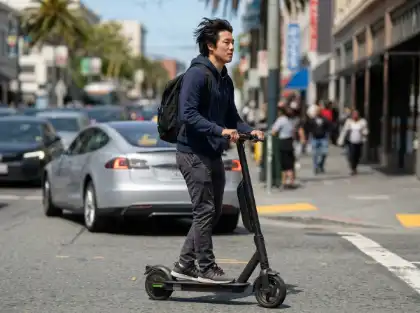
Yes. Not wearing a helmet does not automatically prevent you from recovering compensation. Under CVC § 21235(c), only e-scooter riders under 18 must wear a properly fitted and fastened bicycle helmet that meets CVC § 21212 standards.
If you suffered a head or facial injury, the defense may argue that not wearing a helmet increased your injuries. Any reduction in compensation would depend on whether the lack of a helmet contributed to the harm.
Does Auto Insurance Cover E-Scooter Injuries?
It can, depending on how the crash happened and the policy involved. If a motorist caused the collision, the driver’s liability insurance may cover resulting injuries. Your MedPay or uninsured/underinsured motorist coverage may also be worth reviewing. Which coverage applies depends on your specific policy and the details of the crash.
California’s minimum auto liability limits are $30,000 per person, $60,000 per accident, and $15,000 for property damage. Costs from serious injuries can exceed these limits. So other available insurance or potentially liable parties may need to be considered.
Can a Pedestrian or Bicyclist File a Claim After an E-Scooter Collision?
Yes. An e-scooter injury claim is not limited to the scooter rider. A pedestrian, bicyclist, or other road user may have a claim if another person’s negligence caused the collision and resulting injuries. The scooter rider, a driver, an employer, or another responsible party may be liable depending on how the crash occurred.
How Much Does It Cost to Hire an E-Scooter Injury Lawyer?
It may not have to cost you anything up front. Many e-scooter injury lawyers handle cases on a contingency fee basis. They typically receive an agreed percentage of the recovery, but only if the case succeeds.
What Causes Most E-Scooter Accidents?
There is no single main reason for e-scooter accidents. Road hazards, loss of control, unsafe riding, driver negligence, and mechanical failures can all cause crashes.
Talk to Arash Law About Your California E-Scooter Injury Claim
If you were injured in an e-scooter crash, Arash Law can investigate fault, identify potentially liable parties, and preserve important evidence before it is lost. The firm has recovered over $1 billion for injured clients across California.
You pay no attorney’s fees unless Arash Law recovers compensation for you. Case costs may apply.
Call (888) 488-1391 for a free case evaluation. This hotline is available 24/7.
Sources
- U.S. Consumer Product Safety Commission — “Micromobility Products-Related Deaths, Injuries, and Hazard Patterns, 2017–2024.” Provides national injury estimates and trends involving e-scooters and other micromobility products. https://www.cpsc.gov/content/Micromobility-Products-Related-Deaths-Injuries-and-Hazard-Patterns-2017-2024
- JAMA Network Open — “Injuries Associated With Standing Electric Scooter Use.” Reports injury patterns among e-scooter riders treated at two Southern California emergency departments, including falls as the most common mechanism of injury. https://jamanetwork.com/journals/jamanetworkopen/fullarticle/2722574
- American Journal of Emergency Medicine — “Motor vehicle-related electric scooter injuries in the US: A descriptive analysis of NEISS data.” Examines e-scooter injuries involving motor vehicles and compares hospitalization and injury patterns with other e-scooter injuries. https://www.sciencedirect.com/science/article/abs/pii/S0735675722000882
- eScholarship, University of California — “Impact of Alcohol and Drug Use on Bicycle and Electric Scooter Injuries and Hospital Admissions in the United States.” Examines alcohol- and drug-associated e-scooter injuries, including head-trauma patterns. https://escholarship.org/uc/item/4g151863
- California Legislature, LegInfo — Government Code § 911.4. Sets the requirements and general one-year time limit for applying to present a late claim against a public entity. https://leginfo.legislature.ca.gov/faces/codes_displaySection.xhtml?lawCode=GOV§ionNum=911.4
- California Legislature, LegInfo — Vehicle Code § 21212. Establishes bicycle helmet standards referenced by California’s helmet requirement for e-scooter riders under 18. https://leginfo.legislature.ca.gov/faces/codes_displaySection.xhtml?lawCode=VEH§ionNum=21212
- California Legislature, LegInfo — California Vehicle Code § 21235. Sets rules for motorized scooter use, including licensing, helmets for riders under 18, passengers, and sidewalk riding. https://leginfo.legislature.ca.gov/faces/codes_displaySection.xhtml?lawCode=VEH§ionNum=21235.
- California Legislature, LegInfo — Government Code § 835. Sets the requirements for public-entity liability when a dangerous condition of public property causes an injury. https://leginfo.legislature.ca.gov/faces/codes_displaySection.xhtml?lawCode=GOV§ionNum=835.
- California Department of Transportation — Submit a Damage Claim. Explains where to file certain claims against Caltrans based on the amount claimed, including claims of $12,500 or less and claims exceeding $12,500. https://dot.ca.gov/online-services/submit-damage-claim
- California Department of General Services, Office of Risk and Insurance Management — Government Claims Program. Processes qualifying claims for money or damages against the State of California. https://www.dgs.ca.gov/ORIM/File-A-Claim
- California Supreme Court — Li v. Yellow Cab Co., 13 Cal.3d 804 (1975). Established California’s pure comparative negligence rule, allowing recovery to be reduced according to each person’s share of fault. https://scholarlycommons.pacific.edu/cgi/viewcontent.cgi?article=2458&context=mlr
- California Legislature, LegInfo — Code of Civil Procedure § 335.1. Generally, it sets a 2-year limit for personal injury lawsuits arising from another person’s wrongful act or negligence. https://leginfo.legislature.ca.gov/faces/codes_displaySection.xhtml?sectionNum=335.1.&lawCode=CCP
- California Legislature, LegInfo — Government Code § 911.2. You usually have six months to present a personal injury or property damage claim against a public entity. The deadline generally starts when the claim accrues. https://leginfo.legislature.ca.gov/faces/codes_displaySection.xhtml?sectionNum=911.2.&lawCode=GOV
- California Legislature, LegInfo — Code of Civil Procedure § 352. Tolls certain limitation periods for minors but excludes qualifying public-entity claims that require claim presentation. https://leginfo.legislature.ca.gov/faces/codes_displaySection.xhtml?sectionNum=352.&lawCode=CCP
- California Legislature, LegInfo — Vehicle Code § 16056. Sets California’s minimum auto liability limits at $30,000 for injury or death to one person, $60,000 for injury or death to two or more people, and $15,000 for property damage. https://leginfo.legislature.ca.gov/faces/codes_displaySection.xhtml?lawCode=VEH§ionNum=16056
Disclaimer
This page provides general information and is not legal advice. Reading it does not create an attorney-client relationship. Past results do not guarantee future outcomes. Consult a licensed California attorney about your specific situation. Arash Law — (888) 488-1391.