TL;DR: Surviving a car crash depends on wearing a seatbelt, driving defensively, and using modern safety features that reduce fatal injuries. Drivers and passengers face severe harm in high-speed crashes, and fault often involves distraction or impairment, so prompt medical care protects injury claims.
Highlights:
- Choose a vehicle with airbags, ABS, ESC, and blind-spot alerts.
- Buckle every ride – and use the right child seat.
- Keep infants under 32-35 inches in a rear-facing seat.
- Drive defensively: stay focused, keep two seconds of following distance.
- After a crash, move to safety if possible and turn on flashers.
- Call police, exchange insurance details, and photograph vehicles and plates.
- Get prompt medical care and save records, bills, and the police report.
Tip: Before giving detailed statements to insurers, document the scene and your symptoms in writing and photos, and stick to observable facts.
Table of Contents
It can be difficult to pinpoint the chances of getting into (and surviving) a car crash. However, fatal car accidents in the United States total around 90 each day and more than 32,000 yearly. The NHTSA, also known as the National Highway Traffic Safety Administration, made a report that in 2018, traffic deaths had decreased, but there were still 36,560 accidents that year.
In the past, the survival rate for a car accident was fairly low. Still, with advancements in technology as well as road safety guidelines, the Insurance Institute for Highway Safety says that fatalities in car accidents have declined by more than a third in more recent years. In spite of this decrease, car accidents are still one of the primary causes of death in the United States. Also, it is still one of the main causes of death for individuals aged between 1 and 54 who get into road traffic accidents.
Survivors often face medical expenses, lost income, and long recoveries. Car accident lawyers can help victims understand their rights, deal with insurance companies, and pursue compensation for their losses.
Facts About Global Road Traffic Injuries And Deaths
- Yearly, 1.35 million individuals are killed on roadways.
- Nearly 3,700 individuals are killed each day around the world in traffic accidents that involve buses, cars, bicycles, motorcycles, pedestrians, or trucks.
- It is estimated that injuries related to road accidents are the 8th leading cause of death for all age groups.
How To Improve Your Chances Of Surviving A Car Crash
Most Americans will be involved in a car accident in one way or another every 17.9 years, according to car insurance company reports based on automobile collision claims. That is why it is so important to be prepared for one. Let’s go over some of the ways to keep you and your passengers safe.
Choose The Right Car
When buying a vehicle, it is important to find out how well it can handle a crash. Modern cars are a lot safer than those from the past. They often have features such as:
- Airbags
- Anti-lock Braking Systems (ABS)
- Electronic Stability Control (ESC)
- Tire Pressure Monitoring Systems (TPMS)
- Back-up cameras.
- Back-up sensors.
- Park assist (Self-parking)
- Voice controls
All of this helps to make a car safer and aims to potentially lower the number of serious accidents that end in deaths.
Avoid Crashes When Possible
This may seem self-explanatory, but you can try to avoid accidents whenever possible. There are a lot of newer cars that have alerts that sound whenever you are likely to be in an accident. This used to be a feature exclusive to luxury or expensive vehicles, but they are currently becoming the standard for all vehicles.
Some of these features help you to see better by highlighting your blind spots, while others will warn you if you are about to hit a vehicle in front of you or if you are drifting into another lane. These features can be extremely helpful for preventing accidents, as they are able to warn drivers and prompt a response.
Another newer feature of vehicles is adaptive cruise control, which allows the driver to set the distance they want to be from the car in front of them. The vehicle will then slow down or signal when another car cuts in front of it within that distance.
However, it is important to keep in mind that you are still responsible for paying attention on the road, no matter how high-tech a vehicle you have. These vehicles are not perfect, and a machine or the technology itself is not likely to be blamed in the event of an accident. Lawyers for car accident cases can help you in such situations. They can assess liability, navigate insurance claims, and explore your legal options for financial recovery.
Wear A Seatbelt
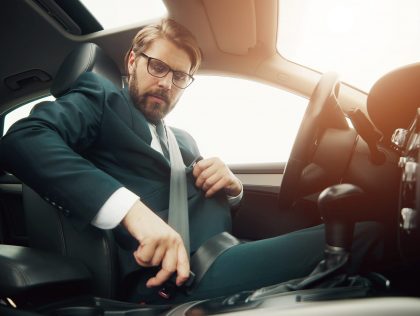
Again, this should be obvious, but wear your seatbelt at all times. It doesn’t matter if you are only on a short trip around the corner. It does not matter what seat you are in, either; drivers and passengers both should be wearing their seatbelts.
It is also important to check that any children riding with you are buckled properly in their seats, whether they are in a booster seat, car seat, or if they are old enough for just a seatbelt. Be sure that it is the appropriate protection needed for their height, age, and weight.
Remember, for children or infants who are less than 32-35 inches tall, the seat needs to be rear-facing. If you are concerned about purchasing multiple car seats for children, there are car seats that convert from rear- to front-facing. There are also 3-in-1 car seats that can have your child protected until it is time for them to sit without a car seat. Be sure to look into the rating of the car seat you intend to purchase, which is provided by the National Highway Traffic Safety Administration.
Seatbelts were made standard for cars after the 1960s; however, they were not required by law until the 1980s. According to the statistics, seatbelts were able to save 329,715 lives. The survival rate for a passenger vehicle when not wearing a seatbelt is only 50%, and these numbers only go down if you are driving a light truck or SUV.
If you are not riding in a vehicle that has seatbelts, such as a bicycle, motorcycle, or motorbike, there are still safety measures you can take. Wearing your helmet is an important decision you can make in this case.
If you’re riding something without seatbelts, like a bicycle or motorcycle, wearing a helmet is your best protection. In cases where serious injuries occur despite safety measures, accident lawyers can help victims understand their legal rights and options for pursuing compensation.
Sit Properly
It is also important to have proper posture. If you are not sitting correctly, you may be seriously injured or killed in an accident. Remember that the more contact your body has with the seat, the better. This is advice that goes for both the driver and passengers of a vehicle. It is also important that your head is protected, as whiplash can occur in serious accidents.
Drive Defensively & Safely
Defensive driving is essentially staying focused on the road to avoid potential dangers. When risks are inevitable, respond consciously to any hazards in your way. In other words, be cautious of your surroundings.
You also need to drive safely; distracted driving accidents happen when your attention drifts from the road. Don’t text, email, or get on any social media while driving. Eating and driving is also a distraction that could cause an accident. When you are at the wheel of a vehicle, your focus should solely be on driving. If you do not normally drive with two hands, be sure that you are able to have both hands available in case of any incidents.
If a crash occurs despite safe driving, lawyers for accident cases can explain your legal options. They can also help assess liability and guide you in pursuing compensation for your losses.
Tips To Help You Stay Safe
Here are a few basic tips to help you stay safe when driving:
- Pay attention when driving.
- Be alert and adjust your driving as needed.
- Be sure to learn how your vehicle drives. Know how it turns, its stopping distance, as well as all its safety features.
- Drive safely; do not cut off other drivers.
- Keep your emotions under control.
- Stay a distance of two seconds, or a car’s distance, behind other vehicles.
- Keep up with the flow of traffic; don’t go too fast or too slow.
- Be sure your brake lights and headlights work properly.
- Obey the laws of traffic and use turn signals.
- Try taking a defensive driving course.
- Never drive when impaired by drugs or alcohol.
- Look at the Association for Safe International Road Travel (ASIRT) for information about driving hazards and road safety risks by country.
- Check out the country information page on the U.S. Department of State website for more information regarding road safety, security, and overall safety.
How To React In Case Of An Accident
The response you have after an accident can go a long way toward ensuring your health and safety. Let’s go over some basic examples of what you can do if you ever find yourself in a car accident:
- Do not panic. Stay at the scene of the accident, if possible, and be sure everyone is alright. Be sure you are okay before checking on others.
- If possible, move to a safer location. Put on your emergency flashers in order to prevent any further accidents.
- Call the police in order to report the accident. A report should be made unless the accident is minor and no property damage or injuries occurred.
- Be sure to exchange insurance information with all other parties involved. If possible, take photos of license plates and all vehicles at the accident.
- Do not admit fault, even if you think you were the cause. There may have been other instances that caused the accident. Stick only to the facts when talking to the officers at the scene and be as detailed as possible.
- Be sure to seek medical attention by going either to the hospital or your primary care doctor promptly. Even if you do not feel pain at the accident scene, some symptoms take time to present themselves.
- Talk to the insurance adjusters on the day of the accident, if possible.
- Make a file that contains all documents related to the accident. It can have a copy of the police report, medical bills, injury treatment plans, and any other documents that relate to the incident.
- Chat with a lawyer. Here at Arash Law, we offer free initial consultations so you can discuss your accident. Give us a call at (888) 488-1391.
No one is able to predict a car accident, but you can take steps to prepare for them. Keep a checklist like the one above in your glove compartment in order to stay prepared. This can help you to remain calm and collected after an accident, and it can assist you in protecting your rights.
If you do get injured in a crash and believe it was caused by someone else’s negligence, you can call our car accident lawyers at (888) 488-1391 or complete our “Do I Have A Case?” form. We can review your case and walk you through your available legal options.