TL;DR: In California, DUI victims can seek punitive damages in civil lawsuits, get criminal restitution for medical bills or lost wages, and apply for the state victims fund. Eligibility and payment limits apply. Punitive damages need clear proof of malice.
Key Facts
- California Civil Code Section 3294(a) allows punitive damages only with “clear and convincing evidence” of malice, fraud, or oppression.
- The California Victim Compensation Board (CalVCB) reported 34,892 applications in fiscal year 2024–25 and paid around $44.9 million in compensation.
- CalVCB benefits can pay up to $70,000, and applications generally must be filed within 7 years of the crime, 7 years after the direct victim turns 21, or 7 years from when the crime could have been discovered, whichever is later.
- Under California Civil Code § 3333.4(c), an uninsured vehicle owner can get non-economic damages if injured by a driver under the influence, but the at-fault driver must be convicted of DUI.
- California Vehicle Code § 17150 can make a vehicle owner responsible when someone drives the vehicle with permission and causes harm, but permissive-use liability is subject to statutory limits under Vehicle Code § 17151.
- Insurance Code Section 533 bars coverage for losses caused by an insured’s willful acts, so punitive damages may need to be paid from the drunk driver’s personal assets rather than the liability policy.
Table of Contents
A person injured in a crash caused by an impaired driver may be able to seek punitive damages, depending on the facts of the case. Also, they might pursue criminal restitution and state victim funds. The physical injuries are real, and so is the emotional weight of what happened to you.
Punitive damages are extra compensation meant to punish that choice. Criminal restitution means the court orders the drunk driver to pay money back to you. State victim funds, administered by the California Victim Compensation Board (CalVCB), provide more help when other resources aren’t enough.
What Does “Extra” Compensation Mean?
A normal personal injury claim may pay for medical bills, lost income, property damage, and pain and suffering. These are called compensatory damages. Their goal is to pay you for what you lost.
A crash involving an impaired driver may open the door to other sources of compensation for victims. These can include:
- Punitive damages
- Criminal restitution
- California Victim Compensation Board (CalVCB) benefits
- UM or UIM insurance, Med-Pay, and claims against other responsible parties
Not every option applies to every case. You also cannot get paid twice for the same loss. Still, looking at every possible source can matter when your injuries are serious, or the drunk driver’s insurance is too low. A civil lawsuit is your primary path to recovery. Depending on your case, you can get compensation that exceeds your insurance coverage.
In California, driving under the influence (DUI) can result in punitive damages if the facts show malice. This includes actions that show terrible behavior and a clear disregard for others’ safety. Criminal restitution and CalVCB benefits have separate eligibility rules.
Punitive Damages: Punishing The Impaired Driver
Punitive damages are not meant to pay your bills. They punish the drunk driver and warn others not to make the same reckless choice. California Civil Code Section 3294(a) allows these damages only when there is “clear and convincing evidence” of malice, fraud, or oppression. The evidence must show that it is very likely the defendant acted with malice, fraud, or oppression. Malice means conduct intended to cause injury, or despicable conduct carried on with a willful and conscious disregard of the rights or safety of others.
In a DUI case, the driver may have been impaired by:
- Alcohol
- Illegal drugs
- Prescription or over-the-counter drugs
- Cannabis
- A combination of alcohol and drugs
A high blood alcohol concentration, or BAC, can be important evidence in an alcohol-related DUI case. But BAC is not always the basis of a DUI case. California law also prohibits driving while under the influence of drugs or a combination of drugs and alcohol.
Facts that may support a claim for punitive damages can include:
- A Very High BAC: This may help show the seriousness of the driver’s conduct in an alcohol-related case.
- Drug Impairment: Evidence that the driver knowingly drove while impaired by drugs may also be relevant.
- Prior DUI Convictions or Warnings: These may indicate that the driver was already aware of the dangers of impaired driving.
- Other Dangerous Conduct: Speeding, reckless driving, or leaving the scene may add to the evidence showing a conscious disregard for safety.
However, a DUI by itself does not automatically lead to punitive damages. California courts consider the specific facts to determine whether the driver’s conduct meets the legal standard for malice.
California does not set a fixed dollar cap on punitive damages. The amount depends on factors such as the seriousness of the conduct, the harm caused, and the defendant’s financial condition.
Civil punitive damages are separate from criminal court orders. Criminal courts have their own tools to help victims recover economic losses, such as medical bills and lost wages. DUI accident victim lawyers can evaluate your situation and determine if these sources of recovery may apply to your case.
Victim Restitution Ordered In Criminal Court
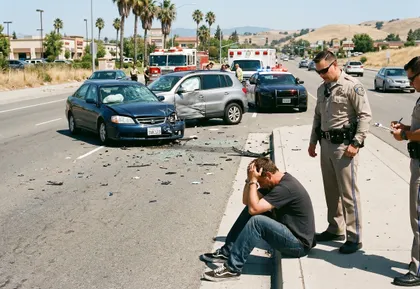
California courts can make a convicted drunk driver pay victims for certain losses caused by the DUI. This is called victim restitution. It is part of the criminal case against the drunk driver, not the victim’s personal injury lawsuit.
Recoverable out-of-pocket costs include:
- Medical Bills: Doctor visits, hospital care, medications, physical therapy, and chiropractic care.
- Property Damage: Repair or replacement of your car and other damaged property.
- Lost Wages: Pay you missed while you recovered.
A civil negligence claim works differently. You bring that claim yourself against the at-fault driver and any other responsible parties. It can seek a wider range of damages, including pain and suffering, which victim restitution generally does not cover.
You may be able to pursue both restitution and a civil claim. However, you generally cannot be paid twice for the same loss.
This is one reason DUI accident cases can differ from regular car accident cases. The victim may have a civil negligence claim, while the drunk driver also faces a criminal case. The criminal case may lead to restitution, while the civil case may provide compensation for losses that restitution does not cover.
Financial Help Through The California Victim Compensation Board
California has a state fund that pays crime victims when other resources are gone. In fiscal year 2024–25, CalVCB got 34,892 applications. They paid around $44.9 million in compensation. The program is a last resort payer. It usually covers eligible crime-related expenses that other sources do not pay. If CalVCB pays an expense that is later covered by another source, it may have a right to repayment.
CalVCB can cover:
- Medical care
- Mental health services
- Lost income
- Funeral costs (for the families of deceased DUI victims)
If approved, a victim can get up to $70,000 in CalVCB compensation. However, some benefits have separate limits. Applications generally must be filed within seven years of the crime, seven years after the direct victim turns 21, or seven years from when the crime could have been discovered, whichever is later. Some applications filed after these deadlines may also be considered. The Board may also consider some late applications and may extend the filing deadline for good cause.
How Proposition 213 Can Affect Compensation For DUI Victims
California’s Proposition 213 prevents some uninsured drivers and vehicle owners from recovering non-economic damages after a car accident. These damages can cover pain and suffering, inconvenience, physical impairment, and disfigurement.
However, DUI cases can involve an important exception. Under California Civil Code § 3333.4(c), an uninsured vehicle owner can get non-economic damages if injured by a driver under the influence. For this exception to apply:
- The injured person must be the owner of an uninsured vehicle.
- The at-fault driver must have been driving under the influence.
- The at-fault driver must be convicted of DUI.
This exception can impact a DUI injury claim’s value. Pain and suffering damages often make up a large part of a victim’s compensation. Proposition 213 applies based on the accident’s details, the injured person’s insurance, and the DUI case’s outcome.
Seeking Compensation From Potentially Liable Third Parties
The drunk driver may not be the only person who is legally responsible. This matters when the driver’s insurance is not enough to cover your losses.
Other possible sources of compensation may include:
- Vehicle Owner: Under California Vehicle Code § 17150, an owner may be held responsible when someone drives the vehicle with permission and causes harm. However, liability based solely on permissive use is subject to statutory limits under Vehicle Code § 17151. Greater liability may be possible when another independent basis for liability applies.
- Driver’s Employer: An employer may be liable if the impaired driver was acting within the course and scope of employment at the time of the crash. Other theories of employer liability may also apply depending on the facts.
- Another Driver or Company: Even if the main driver was impaired, another party may have helped cause the crash. For example, another driver may have made an unsafe move, or a company may have contributed through unsafe road work or a vehicle defect. In those cases, the DUI victim may be able to seek compensation from more than one party.
A personal injury claim should look at who owned the car, why the driver was using it, and whether the driver was on the job. This can uncover more insurance coverage or other sources of payment.
How Insurance Policies Handle DUI Claims And Punitive Damages
When a DUI claim is filed, the insurance company reviews what damages the policy may cover. Standard auto policies may cover compensatory damages from a DUI crash, such as medical bills, lost income, property damage, and pain and suffering. Punitive damages are treated differently because they are meant to punish serious misconduct rather than to repay the victim for a specific loss.
California law generally does not allow a driver to shift responsibility for punitive damages to an insurance company. Insurance Code Section 533 also bars coverage for losses caused by an insured’s willful acts. As a result, a victim who receives punitive damages may need to seek payment from the drunk driver’s personal assets rather than the driver’s liability policy.
California also follows a pure comparative fault rule. If a victim shares some responsibility for the crash, their compensatory damages may be reduced by their percentage of fault. However, they may still recover compensation for the portion of the harm caused by the other driver.
Because different rules can apply to compensatory and punitive damages, DUI victims may need to review both the available insurance coverage and other possible sources of recovery. A DUI accident victim lawyer can help identify which types of compensation may be available.
Arash Law Case Results
The hours following an accident can be difficult and stressful. Having an attorney’s support can be beneficial to your case. Although we cannot guarantee a specific outcome for your case, our past results can demonstrate how we handle cases.
- $6,000,000: We secured the full policy limits for a client whose wife was killed in a head-on crash caused by a drunk driver. The defense disputed liability and coverage, but the claim was resolved for the maximum available insurance.
- $5,000,000: Our clients were T-boned by a work truck that ran a red light. Despite disputes over liability and their injuries, we secured a significant settlement.
- $5,000,000: A large truck struck our client while he was walking in a crosswalk, causing a mild traumatic brain injury. We challenged the trucking company’s attempt to shift blame and secured a favorable result.
Disclaimer: Past results do not guarantee future outcomes. Every case is different and depends on its own facts.
Frequently Asked Questions About DUI Accident Cases
DUI injury cases can raise questions about compensation, insurance, criminal charges, and civil claims. The answers below explain how these issues may affect your right to recover after a drunk driving crash.
Does A Criminal Conviction Guarantee I Will Win My Civil Case?
No. A DUI conviction can be useful evidence in a civil case, but it does not guarantee a win. You still need to show that the crash caused your injuries and losses.

Can I Pursue Criminal Restitution And A Civil Lawsuit At The Same Time?
Yes. Criminal restitution is part of the criminal case. A civil lawsuit is a separate claim brought by the injured person.
You generally cannot recover twice for the same loss. Payments received through criminal restitution may need to be credited or accounted for when the same loss is also included in a civil recovery. CalVCB is also a payor of last resort. If another source later pays an expense CalVCB already covered, you may have to repay CalVCB.
What Happens If The Drunk Driver Who Hit Me Is Uninsured?
The injured person may still be able to recover compensation through uninsured motorist (UM) coverage. UM coverage can apply when the at-fault driver has no insurance. California insurers generally must offer this coverage, but policyholders can reject it in writing.
What If The DUI Crash Causes A Death?
Fatal DUI crashes can lead to more than one type of civil claim: a wrongful death claim and a survival action. A wrongful death claim covers losses suffered by certain surviving family members. A survival action continues a claim that belonged to the person who died.
This difference matters for punitive damages. Punitive damages are generally not part of a standard wrongful death claim. But they may be available through a survival action if the person who died could have sought them had they lived. California Code of Civil Procedure § 377.34 covers these claims. Families may need to look at both types of claims after a fatal DUI crash. Each one may cover different losses.
Do I Need A Lawyer After A DUI Accident?
You are not required to hire a lawyer, but legal help can be useful if a DUI driver injures you. A personal injury lawyer can help you understand your rights and identify all possible sources of compensation.
A lawyer can also help you:
- Investigate the crash and preserve evidence.
- Handle insurance claims and negotiations.
- Track the criminal DUI case and restitution issues.
- Review UM/UIM and other available coverage.
- Document your medical bills, lost income, and pain and suffering.
- Pursue punitive damages when the facts support them.
- File a lawsuit before the deadline.
Getting legal help early may also make it easier to protect important evidence and avoid missing key deadlines.
Victim Of A DUI Accident? Contact Arash Law
After being a victim of a DUI crash, knowing what compensation you can get is important. It also helps to know how long you have to take action. This knowledge can make a big difference. In California, you generally have two years from the date of the accident to file a personal injury lawsuit in court. Some exceptions may apply. Waiting too long could jeopardize your ability to pursue compensation.
The DUI accident victim lawyers at Arash Law can assess your case, explain your legal choices, and assist you in seeking compensation under the law. Our injury law firm takes cases on a contingency fee basis. This means attorney’s fees come from the recovery, not upfront. Call (888) 488-1391 to schedule a free case review.