TL;DR: A first wrongful death consultation helps your family understand who may have legal rights, whether wrongful death or survival claims apply, and what needs to happen next. The lawyer can also discuss deadlines, insurance concerns, and fees. Bring any information you have, even if important documents are still missing. You can ask questions and consider your options without committing to representation.
During your first consultation with a wrongful death lawyer, you can share what you know about the accident, talk about your concerns, and ask the questions weighing on your mind. You don’t need to have all the answers, know who may be legally responsible, or gather every document before reaching out.
Losing someone you love in a fatal accident is difficult enough without having to worry about legal matters. You may still be trying to make sense of what happened while dealing with calls, paperwork, and questions you never expected to face.
Speaking with a wrongful death lawyer can be a place to start, even if you’re not ready to make any decisions. The first conversation is simply an opportunity to understand your family’s possible legal options in California and what may need attention.
A lawyer can explain who may have the right to bring a claim, what information would be helpful, and what the next steps could look like. You can take things one conversation at a time, without feeling pressured to decide anything before you’re ready.
Key Points About Your First Wrongful Death Consultation
- You can call without complete records. A lawyer can begin with what you know and explain which missing documents may matter.
- One relative can make the first inquiry. Other family members may need to participate later, depending on their legal rights.
- Family relationships affect who can file. California law identifies which surviving relatives and qualifying dependents may bring a wrongful death claim.
- Estate matters involve separate legal questions. Handling someone’s estate doesn’t automatically give you authority over every relative’s wrongful death claim.
- Legal deadlines may require attention. California generally allows two years for wrongful death lawsuits, while government claims may have shorter requirements.
- You can ask questions before hiring a lawyer. An introductory consultation doesn’t automatically create an attorney-client relationship or begin a lawsuit.
Table of Contents

Our Family Lost Someone in an Accident. What Happens When We First Speak With a Wrongful Death Lawyer, and What Should We Bring if Some Records Are Missing?
During your first conversation, a wrongful death lawyer will listen to what happened, ask about your family, and explain your possible legal options. Bring whatever you have, such as accident details, insurance letters, or medical records. You don’t need complete paperwork to get started.
The lawyer may ask about other relatives, estate matters, and any contact with insurance companies. If any important records are missing, an attorney can explain what else may be needed and how to obtain them.
You can take your time, ask questions, and have someone you trust join the conversation. There’s no pressure to decide whether to hire a lawyer during that first call.
What Questions Will the Lawyer Ask About the Accident?
The lawyer will want to understand what happened to your loved one and what information your family has received so far. For example, if your loved one died in a pedestrian accident after being struck by a vehicle, the attorney may ask about the driver, the location of the collision, and whether anyone witnessed it.
The questions will depend on the circumstances of the incident. Some may include:
- What Happened: When and where the accident occurred, and what you’ve been told about the circumstances.
- Who Was Involved: Whether the potentially responsible people have been identified, and if anyone witnessed the incident.
- Police Involvement: Which law enforcement agency responded, and whether a report is available.
- Medical Care: Whether your loved one received emergency treatment, and which hospital or medical examiner investigated the death.
- Insurance Communication: Whether an adjuster has contacted the family, requested a statement, or sent paperwork.
- Available Evidence: Whether anyone has photographs, videos, witness information, or other records related to the accident.
The lawyer may also ask about your loved one’s work, financial contributions, and responsibilities at home. These questions can feel personal, particularly when you’re still adjusting to their absence.
You can share what you’re comfortable discussing and ask why certain information is needed. The details may help the attorney understand your family’s losses and what evidence could support a possible claim.
What if the Police Report or Other Records Aren’t Ready Yet?
If you’re still waiting for a police report, medical records, or the coroner’s findings, let the lawyer know what’s missing and which agencies you’ve contacted.
The attorney can explain which documents are most important, where they may be requested, and whether any time-sensitive evidence needs to be preserved. If you decide to hire the firm, ask what assistance it can provide in obtaining those records.
What Can You Expect to Learn During the First Call?
Your first conversation can help you better understand your family’s possible legal options and what may need attention. While the lawyer may not have all the answers right away, you can expect to discuss:
- Your Family’s Legal Rights: Who may be eligible to bring a wrongful death claim, and whether other relatives should be involved.
- Possible Responsibility: What is currently known about the accident and what evidence may be needed to determine liability.
- Important Deadlines: Any filing deadlines or other time-sensitive matters that require attention.
- Potential Compensation: What types of losses your family may be able to claim, and what information is needed to assess them.
- Attorney Fees: How legal fees and case expenses work if you decide to hire a lawyer.
- Next Steps: Which documents may need to be gathered, how follow-up communication will work, and who will contact you.
Some questions may remain unanswered until the lawyer has reviewed additional records, such as the police report or insurance information. That’s a normal part of evaluating a potential claim.
Before ending the call, feel free to ask about anything you’re still unsure of. Having a clearer idea of what happens next may help make an already difficult time a little easier to manage.
Family Consultation Preparation Sheet: What Should You Bring?
 Preparing for a legal consultation doesn’t have to mean gathering a large folder of paperwork. A few notes, copies of available documents, and a list of questions can make the conversation easier.
If you’re helping another family member arrange the call, you can work through this preparation sheet together. Fill in what you can and leave the rest for later.
-
Write Down What You Know About the Accident: Start with a brief summary of the information you already have:
- Your loved one’s full name and date of death.
- The date, approximate time, and location of the accident.
- What you understand happened before and during the collision.
- The responding police department or California Highway Patrol office, if known.
- Any collision report or incident reference number.
- Names and contact information for witnesses.
- Details that remain unclear or unconfirmed.
It’s fine to write “unknown” beside anything you’re unsure about. The lawyer can help identify which missing details need further investigation.
-
Make a Note of Family Relationships and Estate Documents: The attorney may ask about surviving relatives and whether anyone has started handling your loved one’s estate.
Documents worth asking about include:
- Marriage certificates or domestic partnership records.
- Birth certificates showing family relationships.
- Records involving dependent children or other relatives.
- A will or trust, if one exists.
- Probate court papers or documents appointing an estate representative.
- Correspondence from an executor, administrator, or estate attorney.
You might not know whether probate is necessary or whether someone has the authority to act for the estate. Those are appropriate questions to raise rather than assumptions you need to make beforehand.
-
Gather Available Accident, Medical, and Insurance Records: You may have received documents from different people since the accident. If they’re easy to locate, consider keeping them together.
Useful records may include:
- Police reports or correspondence with investigators.
- Emergency treatment records and hospital bills.
- A death certificate or medical examiner’s findings.
- Funeral and burial expense receipts.
- Insurance letters, claim numbers, or policy information.
- Photographs, videos, or witness contact details.
- Communications from insurance adjusters or attorneys.
If an insurance company has sent a settlement offer, requested a recorded statement, or asked someone to sign a release, mention it during the consultation.
You can also explain if another relative has the documents or if you aren’t sure where certain records are kept.
-
Prepare Questions You Want to Ask the Lawyer: When you’re dealing with a loss, it can be hard to remember everything you wanted to discuss. Writing down your questions beforehand may help.
Consider asking:
- Who in our family may have the right to bring a wrongful death claim?
- Does someone need formal authority to handle estate matters?
- Could there be both a wrongful death claim and a survival action?
- Which missing records should we try to obtain?
- Are there deadlines that require attention?
- What should we do if an insurance company contacts us?
- How do attorney’s fees and case expenses work?
- What happens if we decide to move forward?
- Will the firm review any additional information before deciding whether to offer representation?
- Who should we contact if new records arrive or an urgent question comes up?
You can also ask who your main point of contact would be if you hire the firm, and how other family members would receive updates.
The preparation sheet is meant to make the conversation easier, not become another task you must finish before calling.
Who Should Participate in the First Conversation About a Wrongful Death Claim?
One family member can make the first inquiry. You don’t need to gather all your relatives for an introductory consultation, especially when they live far apart or aren’t ready to discuss legal matters together.
However, the caller isn’t necessarily the one with the legal right to bring a wrongful death claim.
California Code of Civil Procedure § 377.60 identifies the people who may qualify. Depending on the circumstances, they can include a surviving spouse, domestic partner, children, certain other heirs, and qualifying dependents.
Family situations can be complicated. There may be children from previous relationships, relatives who relied on the deceased financially, or family members who haven’t spoken in some time.
If you’re unsure who may have legal rights, Arash Law’s wrongful death lawyers can help you understand which relationships need to be examined under California law.
Does Everyone in the Family Need to Agree Before Calling?
No. You can speak with a wrongful death lawyer without first getting every family member’s agreement.
In California, family members who have the right to seek compensation for the same death generally must be part of a single lawsuit rather than filing separate cases. This is known as the one-action rule.
That’s why the lawyer may ask about other surviving relatives, even those who aren’t involved in the first conversation. It helps them understand whose rights may need to be taken into account.
You can make the first call on your own, but that doesn’t mean you can make legal decisions for everyone. If family members have different wishes or concerns, the lawyer can explain how those differences may be handled.
How Is a Wrongful Death Claim Different From a Survival Claim?
A wrongful death claim seeks compensation for the losses surviving family members have experienced. In contrast, a survival claim involves certain losses or legal claims that belonged to the deceased person before death.
Both claims may arise from the same accident, but they serve different purposes. A survival claim is also connected to estate matters because it involves the deceased person’s legal rights.
| Wrongful Death Claim | Survival Claim | |
|---|---|---|
| Purpose | Compensates eligible family members for their losses resulting from the death. | Continues certain legal claims the deceased person could have pursued if they had survived. |
| Who can file? | Eligible surviving relatives and qualifying dependents under California law. | The deceased person’s personal representative or a qualifying successor in interest. |
| What losses may be covered? |
|
|
| Who receives compensation? | Eligible surviving family members based on their individual losses. | Recovery generally becomes part of the estate or passes according to applicable law. |
Legal basis: California Code of Civil Procedure § 377.60 addresses wrongful death claims. Sections 377.30 and 377.34 address survival actions and recoverable damages.
For example, if your loved one died after being struck by a vehicle, a wrongful death claim may address the financial support and companionship your family has lost. A survival claim may instead address medical expenses or other qualifying losses your loved one experienced before passing away.
During the consultation, the lawyer can explain whether either claim may apply and who has the legal right to pursue it. You don’t necessarily need to open a probate case to pursue a survival claim, but the person bringing it must have the authority required by California law.
What Legal Issues Can a Lawyer Review During the First Consultation?
An attorney may use the initial conversation to identify possible liability, available evidence, recoverable losses, and important deadlines. These issues often require more information before a meaningful assessment is possible.
Who Could Be Held Responsible for the Accident?
The person or party whose negligence caused your loved one’s fatal injuries may be held responsible. Depending on the circumstances, this could be a driver, an employer, a property owner, a business, or a government agency.
To identify who may be liable, the lawyer will examine:
- The Person’s Conduct: Whether someone failed to follow applicable safety rules or use reasonable care.
- Other Potentially Responsible Parties: Whether an employer, property owner, or another person or entity may share legal responsibility.
- Unsafe Conditions: Whether a dangerous road, property condition, or other hazard contributed to the incident.
- Evidence of Negligence: What official reports, witness statements, photographs, and other records reveal about what happened.
For example, if your loved one died in a pedestrian accident, the lawyer may investigate whether the driver failed to yield, was distracted, or was speeding. They may also examine whether the driver’s employer or a dangerous roadway condition played a role.
You may already have concerns about someone’s actions or conflicting accounts of the accident. The lawyer can review those concerns and explain what evidence is needed to establish a connection between another party’s negligence and your loved one’s death. Further investigation may be necessary before determining who can be held responsible.
Can the Lawyer Tell Us What Compensation May Be Available?
The lawyer can discuss the kinds of losses California law may recognize in a wrongful death claim.
Depending on the circumstances, the damages available in a wrongful death case may include lost financial support, household services, companionship, and certain funeral or burial expenses.
However, the amount of compensation may depend on the evidence, eligible claimants, liability, and available insurance coverage.
You may be worried about the expenses your family is now facing or financial support that is no longer available. You can bring those concerns into the conversation without having to calculate a claim’s value yourself.
What Filing Deadlines Should the Family Ask About?
California generally provides 2 years to bring a wrongful death lawsuit under Code of Civil Procedure § 335.1. Other deadlines may apply depending on the claims and defendants involved.
| Type of Claim | General Time Limit | Why It Matters |
|---|---|---|
| Wrongful death lawsuits | Two years, generally measured from the date of death. | Missing the deadline may prevent eligible family members from pursuing compensation. |
| Personal injury lawsuits | Two years, generally measured from the date of injury. | A separate injury claim may have a different deadline if the person survived the accident before passing away. |
| Government claims involving death or personal injury | Generally, six months to present the required administrative claim. | Missing this preliminary requirement may bar the claim unless an exception or relief applies. |
Legal basis: California Code of Civil Procedure § 335.1 and Government Code § 911.2.
A government claim is a separate preliminary step, not simply a shorter version of the ordinary court-filing deadline. An attorney can evaluate the correct procedure if a public entity may be involved.
Meanwhile, surveillance footage and electronic records may disappear before a lawsuit deadline expires. Delays in preserving them can weaken the available proof, even when the legal claim remains timely.
You Can Start With a Private Conversation
If your family is considering legal guidance after a fatal accident, you can begin with the questions that concern you most.
You may want to know whether a relative can bring a claim, what to do about an insurance company’s calls, or how missing records might affect the case. A consultation gives you an opportunity to discuss those matters and understand what may need further attention.
Arash Law offers free case evaluations for California families with questions about possible wrongful death claims. Call (888) 488-1391 to request a private consultation. You can learn about your options without making an immediate commitment to representation.
What Happens After the First Wrongful Death Consultation?
After the initial conversation, you may have a clearer idea of which records are needed and what decisions your family may eventually face.
If further legal review appears appropriate, the attorney may discuss gathering evidence, speaking with other relatives, or reviewing insurance information.
Should you decide to explore representation, the next steps may include:
- Identify missing documents. Make a list of records needed to understand the accident and potential claims.
- Clarify family participation. Discuss who may have legal rights and whether someone has documented estate authority.
- Review representation. Ask whom the lawyer would represent and which decisions would require individual authorization.
- Discuss fees and expenses. Review the proposed agreement and ask about terms that aren’t clear.
- Arrange follow-up communication. Agree on what information is needed next and how updates will be shared.
You can ask the lawyer to repeat or clarify anything you don’t understand. If another family member helps you manage paperwork or remember details, you may wish to involve them in future conversations.
How Do Attorney’s Fees Work in a Wrongful Death Case?
Many California wrongful death attorneys use contingency fee arrangements. This generally means the attorney’s fees depend on whether compensation is recovered, rather than being charged by the hour.
The fee percentage, treatment of case expenses, and any responsibility for costs should be explained in the written agreement.
California Business and Professions Code § 6147 establishes requirements for contingency fee contracts.
Before signing, ask the lawyer to explain how fees and expenses would be handled, including what happens if there is no recovery. You should understand the agreement and have the opportunity to ask questions about its terms.
What if We’re Not Ready to Hire a Lawyer?
You can use an initial consultation to gather information before deciding whether to pursue representation.
There may be things you want to discuss privately with relatives or documents you would like to review before making a decision.
An introductory conversation doesn’t automatically create an attorney-client relationship or begin a lawsuit. Those involve separate steps, including, where applicable, a representation agreement.
Frequently Asked Questions About First Wrongful Death Consultations in California
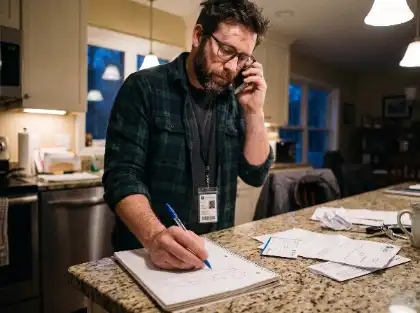
Can I Call a Wrongful Death Lawyer if I’m Not Sure I Have a Claim?
Yes. You can request a consultation even if you’re unsure whether California law gives you the right to bring a wrongful death claim. The lawyer can ask about your relationship to the deceased person and explain what needs to be reviewed.
Does Everyone in Our Family Need to Attend the First Meeting?
No. One relative can make the initial inquiry. Other family members may need to participate later if they have potential legal rights or decisions affecting them require discussion.
What if We Don’t Have the Police Report or Autopsy Results?
You can still arrange a consultation. Explain which documents you’re waiting for and what you’ve already been told. The lawyer can discuss how those records may be obtained and whether additional investigation is appropriate.
Can the Person Handling the Estate Make Legal Decisions for Everyone?
Not automatically. Managing an estate is different from having authority over another person’s wrongful death claim. A lawyer can explain which rights belong to surviving relatives and which matters require estate authority.
Should We Speak With the Insurance Company Before Contacting a Lawyer?
You don’t have to complete an insurance interview before seeking legal advice. If an adjuster has contacted your family, bring any letters, forms, or requests to the consultation so you can ask how to respond.
What if Another Family Member Has Already Contacted a Lawyer?
Tell the attorney whether someone has sought legal advice or signed a representation agreement. This can help clarify who is already represented and whether other family members may need separate discussions.
Can the Lawyer Tell Us How Much the Case Is Worth During the First Call?
The lawyer can explain possible categories of compensation, but a reliable assessment usually requires more information. Liability, insurance coverage, eligible claimants, and the evidence supporting the family’s losses may all affect recovery.
Does Having an Initial Consultation Mean We’ve Started a Lawsuit?
No. Speaking with a lawyer doesn’t automatically begin legal proceedings or establish representation. Filing a lawsuit and entering into an attorney-client relationship involve separate decisions and procedures.
Talk With Arash Law About Your Family’s Questions
You may still be trying to understand what happened to your loved one while managing responsibilities that can’t be put aside. Perhaps you’re waiting for official reports, dealing with insurance calls, or wondering who should handle the family’s legal matters.
You don’t need to have a complete file or know exactly what to do next before reaching out. A first consultation can simply be a chance to share your concerns, understand your family’s possible legal options, and decide whether further assistance would be helpful.
Arash Law offers free initial consultations for families who want to discuss a possible wrongful death claim after a fatal accident. Call (888) 488-1391 to arrange a private conversation. You can ask questions and consider your options without pressure to make an immediate decision.
Sources
- California Legislative Information. California Code of Civil Procedure § 377.60, Wrongful Death Standing. https://leginfo.legislature.ca.gov/faces/codes_displaySection.xhtml?lawCode=CCP§ionNum=377.60.
- California Legislative Information. California Code of Civil Procedure § 377.30, Survival Actions. https://leginfo.legislature.ca.gov/faces/codes_displaySection.xhtml?lawCode=CCP§ionNum=377.30.
- California Legislative Information. California Code of Civil Procedure § 377.34, Survival Action Damages. https://leginfo.legislature.ca.gov/faces/codes_displaySection.xhtml?lawCode=CCP§ionNum=377.34.
- California Legislative Information. California Code of Civil Procedure § 335.1, Filing Period for Personal Injury and Wrongful Death Actions. https://leginfo.legislature.ca.gov/faces/codes_displaySection.xhtml?lawCode=CCP§ionNum=335.1.
- California Legislative Information. California Government Code § 911.2, Government Claim Presentation Deadlines. https://leginfo.legislature.ca.gov/faces/codes_displaySection.xhtml?lawCode=GOV§ionNum=911.2.
- California Legislative Information. California Business and Professions Code § 6147, Contingency Fee Agreements. https://leginfo.legislature.ca.gov/faces/codes_displaySection.xhtml?lawCode=BPC§ionNum=6147.
Disclaimer
This content is provided for general educational purposes and does not constitute legal advice. Reading it or contacting Arash Law for an initial inquiry does not, by itself, create an attorney-client relationship. Legal rights, filing deadlines, and recoverable damages depend on the specific facts and applicable law.
Past case results do not guarantee future outcomes. Families with questions about a potential wrongful death or survival claim should consult a licensed California attorney about their individual circumstances. Arash Law — (888) 488-1391.