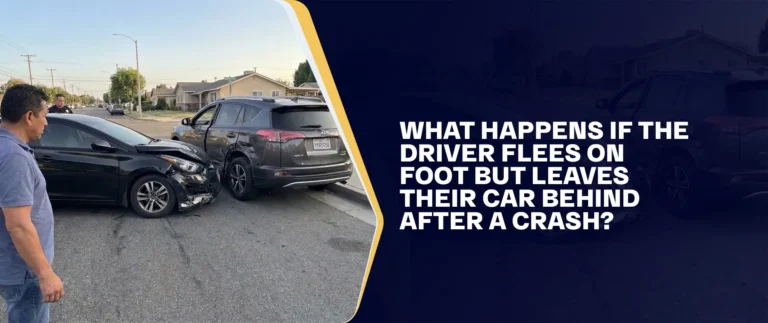
TL;DR: If a driver hits you on your bike in California, you can sue for compensation if their negligence caused your injuries. You generally have 2 years from the injury date to file a personal injury case, but evidence fades fast, and insurance companies will try to minimize your payout. Act quickly to preserve GPS data, medical records, and witness statements, or risk losing your right to recover medical bills, lost wages, and pain and suffering.
Highlights:
- California cyclists have equal legal rights on the road and can pursue compensation if a driver’s negligence caused injuries.
- The Three-Foot Passing Law and the dooring law may create negligence per se, meaning the driver is presumed at fault when violated.
- You can recover economic damages like medical bills and lost wages, plus non-economic damages for pain and suffering.
- See a doctor immediately and request the police report; the vehicle driver is legally required to file an SR-1 with the DMV within 10 days of the crash.
- Save GPS and cycling app data without editing it to document your location, speed, and movements at the time.
- You have two years to file a personal injury case, but only six months for a government claim.
- Contact an attorney before speaking with the driver’s insurance company to avoid statements that weaken your claim.
Tip: Stick to verifiable facts when communicating about the crash and avoid apologizing, since these details become evidence in your claim.
Table of Contents
If you get hit on your bike in California, the crash usually triggers three things: medical treatment, an insurance investigation, and a fault determination. The driver’s insurer may review the police report, photos, witness statements, medical records, bike damage, and traffic laws to decide who caused the crash and what losses are covered.
If someone else caused the crash, you may be able to seek compensation for medical bills, lost income, bike repairs or replacement, pain and suffering, and other losses. California treats bicyclists as roadway users with many of the same rights and duties as drivers under California Vehicle Code § 21200, so the outcome depends on how the crash happened, which laws applied, and what evidence supports your claim.
Your Medical Care Becomes The First Issue
After a bicycle crash, your injuries become the first concern. Some injuries are obvious right away, such as broken bones, cuts, road rash, or head trauma. Others may show up hours or days later, including concussions, neck pain, back pain, and soft tissue injuries.
Get medical care as soon as possible. You may need treatment from an ER, an urgent care center, a primary care doctor, a specialist, or a chiropractor. Medical records help connect your injuries to the crash and make it harder for the insurance company to argue that your injuries came from something else.
The Crash Gets Reported And Documented
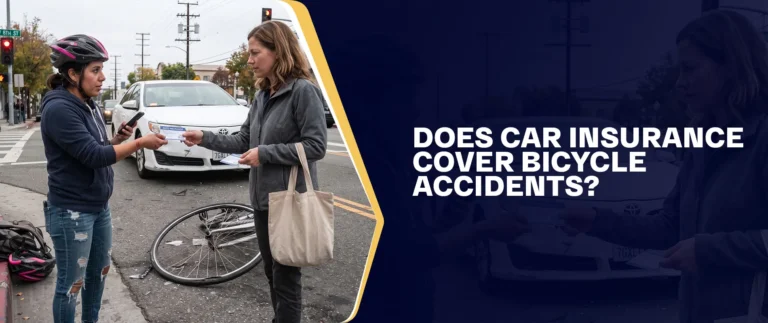
After you get hit on your bike, the crash should be reported and documented. A police or CHP report can identify the driver, insurance information, witnesses, location, injuries, and possible traffic violations.
In California, the vehicle driver must also file an SR-1 report with the DMV within 10 days if the crash caused injury, death, or more than $1,000 in property damage. This requirement applies even if law enforcement responded to the scene.
Important evidence may include:
- Photos of the vehicle, bike, helmet, clothing, and injuries.
- Photos of the road, bike lane, signs, signals, and skid marks.
- Witness names and phone numbers.
- Police or CHP report information.
- Dashcam, doorbell, business, or traffic-camera footage.
- GPS, Strava, Garmin, or other cycling app data.
- Medical records and bills.
- Repair or replacement estimates for your bike and gear.
Do not repair or throw away your bike, helmet, lights, or damaged clothing too soon. These items may help show how the impact happened.
The Insurance Company Investigates Fault
After the crash, the driver’s insurance company usually investigates who caused the collision. The insurer may review the police report, photos, witness statements, medical records, bike damage, vehicle damage, traffic laws, and your treatment history.
The insurer may also look for reasons to reduce or deny your claim. It may be argued that:
- You were riding too fast.
- You were outside the bike lane.
- You failed to stop or yield.
- You were not visible enough.
- You were not wearing a helmet.
- Your injuries were minor or unrelated.
- Your medical treatment was delayed or too expensive.
The insurance company’s decision on fault is not final. If the insurer blames you unfairly, evidence can help challenge that decision.
California Bicycle Laws Help Decide Who Was At Fault
California law gives cyclists the same general rights and responsibilities as drivers. Under California Vehicle Code §21200, bicyclists on public roads generally have the same rights and responsibilities as motorists.
Several California laws specifically address cyclist safety and driver behavior around bicycles:
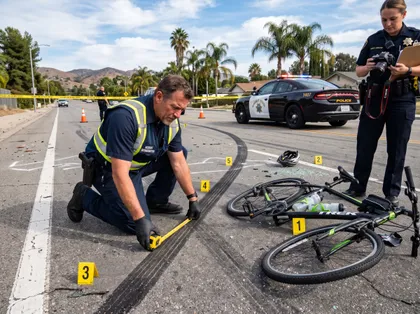
- Three-Foot Passing Rule: Under California Vehicle Code § 21760, drivers must generally leave at least 3 feet of space when passing a bicyclist traveling in the same direction. If another lane is available, the driver must usually move into that lane before passing when it is safe and legal to do so.
- OmniBike Bill / WALK Signal Rule: Under California Vehicle Code § 21456, a bicyclist facing a pedestrian “WALK” signal may proceed across the roadway in the direction of the signal, unless a bicycle control signal says otherwise. The cyclist must still yield to lawfully present vehicles and pedestrians within the intersection.
- Right To Use More Of The Lane: Under California Vehicle Code § 21202, cyclists riding slower than traffic must generally ride as close as practicable to the right side of the road. However, they may move left when passing, preparing for a left turn, avoiding hazards, or riding in a lane too narrow for a bicycle and vehicle to travel side by side safely. If a bicycle lane is involved, California Vehicle Code § 21208 also lists circumstances under which a cyclist may leave the bike lane.
- Dooring Rule: Under California Vehicle Code § 22517, no person may open a vehicle door on the side facing moving traffic unless it is reasonably safe to do so and can be done without interfering with traffic.
These laws may help determine fault after a bicycle accident. If a driver violates a safety law and that violation helps cause the crash, California Evidence Code § 669 may create a rebuttable presumption of negligence.
You Can Still Have A Claim If You Were Partly At Fault
California follows a rule called pure comparative negligence under Li v. Yellow Cab Co., 13 Cal. 3d 804 (1975). This means you may still recover compensation even if you were partly responsible for the crash.
Your percentage of fault may reduce your compensation. For example, if your damages are $100,000 and you are found 20% at fault, your recovery may be reduced to $80,000.
This rule matters because insurers often try to blame cyclists. They may claim you “came out of nowhere,” were hard to see, or should have avoided the crash. Photos, witness statements, GPS data, and traffic-camera footage can help respond to those arguments.
More Than One Party May Be Responsible
The driver who hit you is not always the only possible at-fault party. A bicycle accident claim may involve several responsible parties, depending on how the crash happened.
Possible responsible parties include:
- Driver: The driver may be responsible if they were speeding, distracted, impaired, passed too closely, turned unsafely, or failed to yield.
- Vehicle Owner: The owner may be responsible if they allowed an unsafe, unlicensed, or unqualified person to drive the vehicle.
- Employer: An employer may be responsible if the driver was working at the time of the crash, such as making deliveries or driving for a company.
- Rideshare or Delivery Company: A rideshare or delivery company may be involved if the driver was logged into an app, waiting for a request, picking up a passenger, or completing a ride or delivery.
- Public Entity: A city, county, state agency, or other public entity may be responsible if a dangerous road condition, broken signal, missing sign, unsafe bike lane, or poorly maintained roadway contributed to the crash.
- Contractor: A contractor may be responsible if construction debris, unsafe work zones, poor traffic control, or unfinished road work created a hazard for cyclists.
- Property Owner or Business: A property owner or business may be responsible if a driveway, parking lot, loading zone, or private access point created a hazard that contributed to the crash.
- Bike or Parts Manufacturer: A manufacturer may be responsible if a defective bicycle, helmet, brake, tire, light, or other part failed and contributed to the crash or injuries.
If a public entity may be responsible, the deadline is much shorter. Under California Government Code § 911.2, you generally must file a government claim within six months. Under Government Code § 945.4, you usually must present that claim before filing a lawsuit against the public entity.
Insurance Coverage May Come From Several Sources
After you get hit on your bike, the claim may involve more than the driver’s auto insurance. Coverage depends on who caused the crash, whether the driver was working, and what insurance policies apply.
Possible insurance sources include:
| Insurance Source | When It May Apply |
|---|---|
| Driver’s auto insurance | The driver caused the crash while using a personal vehicle. |
| Commercial insurance | The driver was working for an employer at the time. |
| Rideshare or delivery insurance | The driver was logged into an app or completing a trip or delivery. |
| Your UM/UIM coverage | The at-fault driver had no insurance or not enough insurance. |
| Household auto policy | A family member’s policy may cover you, depending on the policy terms. |
| Health insurance | Your health plan may pay medical bills first, then seek repayment later. |
California Insurance Code § 11580.2 governs uninsured and underinsured motorist coverage. This coverage may help if the driver who hit you had no insurance, insufficient insurance, or fled the scene. Whether it applies depends on the policy language and the facts of the crash.
If health insurance pays your medical bills, the insurer may seek repayment from a settlement. This is often called subrogation or reimbursement. Medicare, Medi-Cal, private health insurers, and medical providers may have different lien or repayment rules.
You May Be Able To Recover Compensation
If someone else caused your bicycle crash, California Civil Code § 3333 allows you to seek compensation for losses caused by the wrongful act. These losses may include financial costs and personal harm.
You may be able to recover compensation for:
- Medical bills.
- Future medical care.
- Lost wages.
- Loss of future income.
- Bike repair or replacement.
- Helmet, phone, clothing, and gear damage.
- Pain and suffering.
- Emotional distress.
- Loss of enjoyment of life.
- Disability or long-term limitations.
Insurers do not always offer the full value of these losses right away. They may question your treatment, blame you for the crash, or argue that your injuries are not serious.
You Have A Limited Time To File A Claim
California law limits how long you have to take legal action after a bicycle accident. Under California Code of Civil Procedure § 335.1, you generally have two years from the injury date to file a personal injury lawsuit.
Other deadlines may apply:
| Type Of Claim | General Deadline |
|---|---|
| Personal injury lawsuit against a private party | 2 years from the injury date under CCP § 335.1. |
| Property damage claim | 3 years under CCP § 338(c). |
| Government claim | 6 months under Government Code § 911.2. |
| Lawsuit against a public entity | Usually, only after a timely government claim under Government Code § 945.4. |
Crucial Steps To Take To Protect Your Health And Legal Claim
What you do in the days after a bicycle crash can shape the outcome of your claim. Evidence fades fast, and gaps in your medical record give insurers a reason to dispute your injuries.
Here are the steps that can protect both your health and your claim:
- Get medical care right away. Even if you feel okay, some injuries may not show symptoms immediately, and prompt treatment can help document your injuries.
- Call the police or CHP. An official report can document what happened and may be important for your claim.
- Get the driver’s name, license plate, and insurance information. This information is necessary to identify the driver and pursue a claim.
- Take photos and videos before the scene changes. Visual evidence can capture vehicle positions, road conditions, and damage.
- Get witness contact information. Witnesses can provide independent accounts of how the crash occurred.
- Save GPS and cycling app data. This data can help show your speed, route, and location at the time of the crash.
- Preserve your bike, helmet, lights, and clothing. These items may serve as evidence of the impact and your injuries.
- File the DMV SR-1 if required. California law requires reporting certain crashes to the DMV within a specific time frame.
- Avoid giving a recorded statement too soon. Early statements can be used against you before you fully understand your injuries or the facts.
- Speak with a lawyer if the insurer blames you, denies the claim, or offers too little. A lawyer can help protect your rights and evaluate your options.
If you are thinking, “I need a personal injury lawyer,” early legal help can protect evidence, identify insurance coverage, and prevent mistakes with the driver’s insurer.
Arash Law’s Personal Injury Case Results
Our attorneys handle a wide range of serious injury claims, including bicycle accidents as well as car crashes, pedestrian injuries, rideshare incidents, and other negligence cases involving disputed fault, traumatic brain injuries, and catastrophic orthopedic injuries.
$3,500,000 bicycle accident settlement: Our bicycle accident lawyers secured this result for a 6-year-old boy who suffered a traumatic brain injury after a pickup truck struck him while riding his bicycle. The defense blamed the child, but discovery showed the driver was distracted at the time of the crash.
$1,450,000 motorcycle accident settlement: A rider hit uneven pavement in a construction zone, fracturing her ribs and suffering head trauma. The contractors and city denied liability, but the case settled after the first day of trial.
$1,250,000 pedestrian accident settlement: A 5-year-old ran into the street, and the insurer claimed the crash was unavoidable. We proved, through accident reconstruction, that it could have been avoided and recovered the full policy limits.
Frequently Asked Questions
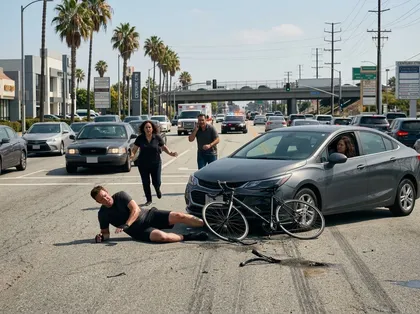
You may search for free advice from a bicycle accident lawyer to decide your next steps. Bicycle accidents in California raise important issues that regular injury guides don’t address. Gaps in insurance coverage, helmet laws, and drivers’ defenses make things complicated for cyclists. Understanding how personal auto insurance interacts with bicycle laws can be confusing, so it’s important to seek legal help.
What Happens If The Driver Who Hit Me Doesn’t Have Insurance?
UM/UIM coverage may apply to you as a person, depending on your policy terms, even if you were not driving a vehicle at the time of the crash. If you do not own a car, a qualifying family member’s policy may also apply, depending on your household and policy terms.
Do I Need A Police Report To File A Bicycle Accident Lawsuit?
A police report is not required to file a lawsuit, but it helps your case. It records the crash, names the parties, and notes any traffic violations. Without one, your case depends on photos, witness statements, and medical records.
What If The Driver Says I Came Out Of Nowhere?
Drivers often claim they never saw the cyclist coming. An attorney can use accident reconstruction, crash scene evidence, and GPS data to show where you were at the time of the accident. That evidence may demonstrate that the driver had a clear view and enough time to stop.
Can I Still Recover Compensation If I Wasn’t Wearing A Helmet?
Yes. California state law generally does not require riders age 18 or older on conventional bicycles or Class 1 or 2 e-bikes to wear a helmet, but everyone operating or riding a Class 3 e-bike must wear one. Helmet nonuse does not automatically bar a claim, although the defense may argue that it affected the severity of a head injury.
Do I Have To Call The Police If I Get Hit By A Car On My Bike?
Yes. Call local police or CHP after an injury in a bicycle crash to document the incident. California Vehicle Code § 20008 requires the driver of a vehicle involved in an injury or fatal crash to make a written report within 24 hours, and an official report can help preserve key facts for your claim.
Who Has The Right Of Way, A Cyclist Or A Car?
Cyclists have the same rights and duties as drivers under California law. Right-of-way is governed by traffic signals, intersection controls, and standard vehicle code rules, not by whether you are in a car or on a bicycle. A driver cannot claim priority simply because they were in a car.
A California bicycle attorney can help you work through the insurance gaps and liability questions in your case.
Speak With A Skilled Lawyer About Your Bicycle Accident Case
Arash Law represents injured cyclists throughout California. The firm’s lawyers examine your crash and push back on insurer decisions while you heal. If a negligent driver caused your crash, contact a lawyer who can review your claim and guide your case from start to finish.
Many people ask, “Do lawyers only get paid if they win?” Most personal injury lawyers take cases on a contingency fee basis. This means you pay no legal fees unless your lawyer recovers money for you. You pay nothing up front.
Call AK Law at (888) 488-1391 to schedule a free initial consultation. California law gives you two years from your injury date to file a lawsuit, so acting now helps you protect evidence and meet that deadline.