TL;DR: Your family’s auto insurance may cover your child’s injuries through UM coverage, even if police never find the driver. However, unknown-driver claims have strict reporting and coverage requirements. Seek medical care, report the crash promptly, and preserve evidence.
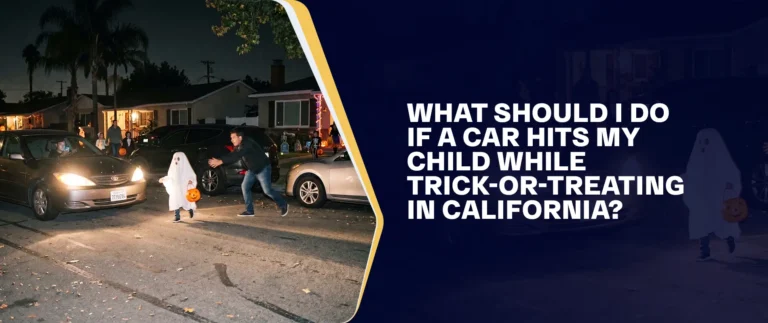
If a driver hits your child while trick-or-treating on Halloween and leaves the scene, you may still pursue compensation under California law. Prioritize seeking medical care for your child, gather evidence of the hit-and-run, and then report it to authorities.
Once the police identify the driver, you may file a claim against them. If the driver remains unknown, your family’s uninsured motorist (UM) coverage, if available, may help pay for your child’s injuries.
Halloween presents unique challenges for investigating pedestrian accidents. Children may cross between parked cars, walk along poorly lit streets, or move between houses in groups. Witness statements and neighborhood security footage can help establish how the crash occurred and identify the fleeing driver.
California law requires drivers involved in injury crashes to stop and provide assistance. Leaving the scene can result in criminal charges, but it does not automatically establish fault. Prompt medical care, police reporting, and evidence preservation can help protect your child’s injury claim.
Key Facts About Halloween Hit-and-Run Claims in California
- Leaving the scene is illegal. Vehicle Code § 20001 requires drivers involved in injury crashes to stop, identify themselves, and provide reasonable assistance.
- UM coverage can protect pedestrians. Insurance Code § 11580.2(b) allows qualifying resident relatives to claim uninsured motorist benefits for covered injuries, including those sustained while walking.
- Unknown-driver UM claims require physical contact. Insurance Code § 11580.2(b)(1) requires injury arising from vehicle contact with the insured person or a vehicle they occupy.
- Unknown-driver UM claims require prompt reporting. Insurance Code § 11580.2(b)(2) requires reporting the crash to police within 24 hours and submitting a sworn insurer statement within 30 days thereafter.
- Children have different fault standards. CACI Nos. 402 and 412 consider a child’s age, intelligence, knowledge, and experience, as well as the greater care adults must use around them.
- Filing deadlines depend on the claim. California Code of Civil Procedure (CCP) § 335.1 generally allows two years for personal injury lawsuits, while government claims have shorter deadlines.
Table of Contents

What Should I Do If a Driver Hits My Child and Flees on Halloween?
Call 911, get medical care for your child, and report everything you remember about the fleeing vehicle. You do not need to identify the driver before seeking treatment or reporting the accident.
The first few hours are also important for gathering evidence. Witnesses may leave the neighborhood, and security cameras may eventually delete recordings. Taking certain steps can help protect your child’s health and support a potential injury claim.
- Get medical care for your child. Call an ambulance for serious injuries. Have a medical professional examine your child for possible head injuries, fractures, and other injuries.
- Report the crash to law enforcement. Give officers the location, time, vehicle description, and direction of travel. Ask for the report number.
- Document the accident scene. Photograph the roadway, parked vehicles, nearby intersections, streetlights, tire marks, and any debris left behind.
- Look for cameras nearby. Ask homeowners and businesses to preserve doorbell, driveway, and security footage. Some systems delete recordings automatically.
- Find people who witnessed the accident. Other parents, trick-or-treaters, and nearby residents may recall the vehicle’s appearance or movements.
- Preserve your child’s costume and belongings. Keep the clothing, shoes, candy bag, and damaged items. Photograph any paint transfer or other visible evidence.
- Notify your auto insurer. Ask whether your policy includes UM coverage and what documents you must submit for your child’s claim.
- Consult a personal injury lawyer. A hit-and-run accident attorney can help investigate the accident, identify available insurance coverage, preserve evidence, and determine applicable filing deadlines.
Avoid chasing the driver or investigating the vehicle yourself. Give identifying information to the responding officers.
Why Is Evidence From Halloween Night Important?
Evidence from Halloween night can help establish the driver’s actions, your child’s location, and the conditions surrounding the collision. These details may help determine whether the driver failed to yield, drove too fast, or neglected to watch for pedestrians.
Halloween accidents can involve parked cars, driveways, and residential intersections. Poor lighting, moving crowds, and costumes may affect what drivers and witnesses can see.
Evidence may help investigators determine whether:
- The driver had enough time to see your child.
- Parked vehicles or other objects blocked the driver’s view.
- Your child was crossing at an intersection or another location.
- The driver’s speed was reasonable for the conditions.
- The vehicle made physical contact with your child.
These findings can help establish fault and determine whether the accident qualifies for certain insurance benefits.
Can My Auto Insurance Cover My Child After a Halloween Hit-and-Run?
Yes. If you have this coverage, your uninsured motorist (UM) policy may pay for your child’s injuries when an unidentified driver causes a covered hit-and-run accident. Under California Insurance Code § 11580.2, insurers generally must offer UM coverage in auto liability policies unless the named insured rejects it in writing.
The law also protects qualifying relatives who live in the insured person’s household. However, coverage depends on the policy, your child’s eligibility, and whether the crash meets California’s legal requirements.
Requirements for an Unknown-Driver UM Claim
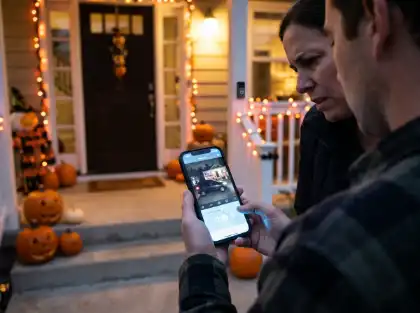 California Insurance Code § 11580.2(b) sets specific requirements for uninsured motorist claims involving unidentified drivers. These rules help insurers determine whether the accident qualifies for coverage.
To pursue an unknown-driver claim:
- The hit-and-run vehicle must make physical contact with your child or a vehicle your child occupies.
- You or someone acting on your child’s behalf must report the accident to the appropriate law enforcement agency within 24 hours.
- Within 30 days afterward, you must submit a sworn statement to the insurer explaining the claim against the unidentified driver.
The physical-contact requirement can affect claims involving children who fall while trying to avoid an approaching vehicle.
For example, if a car swerves toward your child but never touches them, this specific UM coverage may not apply. Identifying the driver could provide another avenue for pursuing compensation.
What if My Insurance Company Denies the UM Claim?
You may dispute a UM claim denial if the insurer incorrectly applies the policy or California law. Common disputes involve physical contact, driver fault, policy eligibility, and the amount of compensation.
An attorney can review the denial, policy terms, police report, and available evidence. If the parties disagree about fault or damages, California Insurance Code § 11580.2(f) generally provides for arbitration.
Coverage disputes may require a different legal process. The available options depend on the reason for the denial and the policy’s terms.
What if We Do Not Have Uninsured Motorist Coverage?
Your child may still have options if your family does not carry UM coverage and the driver remains unidentified. Health insurance or medical payments (MedPay) coverage may help pay for eligible treatment. These benefits depend on the applicable policy.
The California Victim Compensation Board may help pay for medical treatment, counseling, and other eligible expenses from a qualifying hit-and-run. Parents may also qualify for limited lost income benefits if their child is hospitalized. The program does not cover pain and suffering.
Without applicable UM coverage or an identified liable party, collecting compensation for the full injury claim may be difficult.
What Insurance Applies if the Driver Is Found?
If authorities later identify the driver who fled, their liability insurance may cover your child’s injuries. Other coverage may also apply. Available insurance depends on vehicle ownership, permission to drive, employment, and policy terms.
Depending on the circumstances, available insurance may include:
- The Driver’s Liability Insurance: The identified driver’s policy may cover your child’s injuries if the driver caused the crash and coverage applies.
- The Vehicle Owner’s Insurance: The vehicle owner’s policy may cover the crash if the fleeing driver had permission to use the vehicle.
- Uninsured Motorist Coverage: Your family’s UM coverage may apply if the identified driver has no applicable liability insurance and your child qualifies for coverage.
- Underinsured Motorist Coverage: Your family’s UIM coverage may apply if the available liability limits are below your UIM limits and statutory requirements are met.
- Employer or Commercial Insurance: An employer may share liability if the driver was performing work duties. Applicable commercial auto coverage may also respond.
- Medical Payments or Health Insurance: Available MedPay coverage or health insurance may help pay eligible treatment expenses while your child’s injury claim proceeds.
Before settling with an identified uninsured driver or another responsible party, review your UM policy. California law may require your insurer’s written consent to preserve UM benefits. Different settlement rules apply to underinsured motorist claims.
Under Insurance Code § 11580.2(p)(3), underinsured motorist benefits generally require payment of all applicable bodily injury liability limits before coverage applies.
These situations highlight the importance of uninsured and underinsured motorist insurance coverage, which may help when a driver has no liability insurance or insufficient coverage for your child’s injuries.
Can the Driver Blame My Child for the Halloween Accident?
A driver may argue that your child caused the crash by running into the street. However, California law requires drivers to take extra care when children are nearby. Under CACI No. 412, drivers must anticipate how children may behave and adjust their driving accordingly.
On Halloween, children may cross between parked cars, walk near driveways, or move between houses after dark. Drivers must account for these conditions when traveling through residential neighborhoods.
Under Vehicle Code § 22350, drivers must travel at a safe speed based on traffic, visibility, and road conditions. Following the posted speed limit does not automatically mean the driver acted reasonably.
An insurer may argue that the costume made your child harder to see. However, fault depends on several factors, including your child’s age, street lighting, and the driver’s speed and ability to see the road. A dark Halloween costume also does not automatically make your child responsible for the accident.
What if My Child Crossed Outside a Crosswalk?
Your child may still recover compensation even if they crossed outside a crosswalk. California law considers both the driver’s actions and the child’s conduct.
Under Vehicle Code § 21950, drivers generally must yield to pedestrians in marked crosswalks and unmarked crosswalks at intersections. On the other hand, Vehicle Code § 21954 generally requires pedestrians crossing outside a crosswalk to yield to approaching vehicles. That being said, drivers must still use reasonable care to avoid collisions.
California also applies different fault standards to children. Under CACI No. 402, courts consider a child’s age, intelligence, knowledge, and experience when evaluating their actions. Children under five cannot be found comparatively negligent under California law. Older children may share fault depending on the circumstances.
California follows pure comparative negligence, so if an older child shares responsibility for the crash, their compensation may be reduced by their percentage of fault.
Police reports, witness statements, vehicle speed, and your child’s age can help establish responsibility. The driver’s decision to flee does not, by itself, prove they caused the collision.
How Much Compensation Can My Child Receive After a Halloween Hit-and-Run?
Your child’s potential compensation depends on their injuries, treatment needs, and effects on daily life. The evidence must support both current losses and any compensation requested for future needs.
Some children recover after a short period of medical care. Others may experience lasting injuries that require treatment or support as they grow older.
A personal injury claim may include compensation for:
- Medical Expenses: Emergency treatment, surgery, medication, hospital care, and follow-up appointments.
- Future Treatment: Rehabilitation, therapy, medical equipment, and care for lasting injuries.
- Pain and Suffering: Physical pain, emotional distress, and effects on daily activities.
- Long-Term Limitations: Permanent disabilities or injuries that affect your child’s education, activities, or future ability to earn income.
In some cases, families may also pursue punitive damages. These damages punish particularly wrongful conduct rather than compensate for injuries. Under California Civil Code § 3294, the plaintiff must present clear and convincing evidence of malice, oppression, or fraud.
Medical records, treatment plans, and other supporting documents help establish your child’s losses. For example, a child with a brain injury may need rehabilitation or educational support.
Available insurance limits may restrict how much compensation the family can collect, even when the documented losses exceed those limits.
Compensation When a Halloween Hit-and-Run Causes a Child’s Death
Families may have additional legal claims if a child dies from a Halloween hit-and-run. California law allows qualifying relatives to pursue a wrongful death claim for losses resulting from the child’s death.
Under CCP §§ 377.60 and 377.61, compensation may include:
- Funeral and Burial Expenses: Reasonable costs related to the child’s death.
- Loss of Companionship: The loss of the child’s love, comfort, companionship, and support.
- Financial Losses: Expected financial support, benefits, and household services the child would reasonably have provided.
California also allows a separate survival action under CCP §§ 377.30 and 377.34. This claim addresses certain losses the child suffered before death, including medical expenses. For survival actions filed on or after January 1, 2026, California generally excludes damages for pre-death pain, suffering, or disfigurement.
A survival action may also include punitive damages when the evidence supports them. Punitive damages are generally unavailable in wrongful death claims, except in certain cases involving a felony homicide conviction under Civil Code § 3294(d).
Families generally have two years to bring a wrongful death lawsuit against a private defendant, subject to applicable exceptions. Claims involving public entities can have shorter deadlines.
Deadlines for Filing a Child Hit-and-Run Claim in California
California has different deadlines for uninsured motorist claims, personal injury lawsuits, and claims against public agencies. Knowing these deadlines can help families preserve their options for recovering compensation. Parents should identify each applicable deadline before proceeding with a claim.
Police Report and UM Notice Deadlines
For an unknown-driver UM claim, Insurance Code § 11580.2(b)(2) requires reporting the accident to the police within 24 hours. The report must go to the city police department where the collision occurred. For unincorporated areas, the statute allows reporting to the county sheriff or local California Highway Patrol office. You must also submit a sworn statement to the insurer within 30 days after the report.
A parent or another person may complete these requirements on the child’s behalf. Keep copies of the report, sworn statement, and proof of submission.
Failure to meet the statutory requirements can prevent recovery under unknown-driver UM coverage.
Two-Year UM Claim Deadline
Insurance Code § 11580.2(i)(1) sets a separate two-year deadline for preserving uninsured motorist benefits. The law requires certain actions before that period expires.
Within two years of the accident, one of these actions generally must occur:
- You file a bodily injury lawsuit against the uninsured driver.
- You reach an agreement with the insurer about the amount due.
- You formally initiate arbitration by sending a written notice via certified mail, return receipt requested.
Simply reporting the claim or discussing settlement with the insurer does not necessarily satisfy this rule. The law recognizes certain exceptions, but a child’s age does not automatically extend this deadline.
Personal Injury Lawsuit Deadline
Under CCP § 335.1, the general deadline for filing a personal injury lawsuit against a private defendant is two years. However, CCP § 352(a) generally pauses that deadline while the injured person is under 18. For many private injury claims, the two-year period begins when the child turns 18.
A parent or guardian can also bring an injury claim on the child’s behalf before that age. The minor’s filing extension does not automatically extend deadlines for UM coverage or claims against public entities.
Government Claims Deadline
A government claim may arise if a dangerous public road condition contributed to the accident. Examples include a defective traffic signal, hazardous road design, or another dangerous condition involving a city, county, or Caltrans.
Government Code § 911.2 generally requires that a written administrative claim be filed within six months. A child’s age does not automatically pause this requirement.
The family must present the claim to the correct government entity. Claims involving city streets, county roads, and state highways may require different recipients.
Government Code § 911.4 allows an application for late-claim relief within one year. Section 911.6 includes special protections for minors.
Once the government entity rejects a properly presented claim, additional lawsuit deadlines apply.
- Written Rejection: Government Code § 945.6 generally allows six months to sue after the entity mails or personally delivers a compliant rejection notice.
- No Compliant Written Rejection Notice: The law generally allows 2 years from the date of the injury to sue.
Meeting these deadlines helps protect your child’s right to seek compensation after a Halloween hit-and-run.
Evidence may disappear much sooner. Doorbell camera footage may be deleted, trick-or-treaters may forget details, and the fleeing driver may repair their vehicle. Preserving Halloween night footage, witness information, and your child’s costume early can help identify the driver and establish fault.
Talk to Arash Law About Your Child’s Halloween Hit-and-Run Accident Claim
If a driver hit your child and fled on Halloween night, Arash Law can review the police report, available footage, and insurance coverage. Our hit-and-run accident lawyers can investigate liability and identify filing deadlines.
We offer free case evaluations and handle qualifying injury claims on a contingency fee basis.
Call (888) 488-1391 to discuss your child’s Halloween hit-and-run accident.
Frequently Asked Questions About Halloween Hit-and-Runs in California
 Do We Have to Wait for Criminal Charges Before Filing a Claim?
 Do We Have to Wait for Criminal Charges Before Filing a Claim?
No. You can pursue a civil injury claim even if the police have not arrested or charged the fleeing driver. Criminal proceedings focus on whether the driver violated the law. A civil claim addresses fault, injuries, and compensation. You may also pursue eligible insurance benefits while the criminal investigation continues.
Will My Insurance Rates Go Up If I File a Hit-and-Run UM Claim?
California Insurance Code § 491 prohibits premium increases based on accidents in which the insurer determines its insured was not at fault. Your insurer may investigate the circumstances before deciding fault. However, filing a UM claim does not automatically justify a rate increase.
You can question a surcharge if the accident report or insurer’s findings show you were not at fault.
Can We Still Sue If the Fleeing Driver Is Caught Months Later?
Yes. Identifying the driver months later does not automatically prevent your child from pursuing a personal injury lawsuit. However, identifying the driver does not restart an expired filing deadline. The applicable time limit depends on the type of claim and whether an exception applies.
Can I File a Hit-and-Run Lawsuit on My Child’s Behalf?
Yes. A parent or another suitable adult may ask the court to appoint them as a guardian ad litem. This person represents the child’s interests during the lawsuit.
California generally requires court approval of settlements involving a minor’s disputed injury claim. The judge reviews the settlement and decides how to protect the child’s funds.
Depending on the circumstances, the court may require a blocked account, trust, or another approved arrangement.
How Much Does it Cost to Hire a Lawyer for My Child’s Hit-and-Run Case?
Many California personal injury lawyers handle these claims on a contingency fee basis. The attorney receives a percentage of the recovery rather than charging an up-front attorney’s fee.
The written fee agreement must explain the percentage and how the firm handles case costs. If there is no recovery, the client generally owes no contingency attorney fee, subject to the agreement.
Get A Free Case Review About Your Child’s Halloween Hit-and-Run
You may still have a claim even if the police have not identified the driver who hit your child. The available compensation depends on your child’s injuries, the accident evidence, and applicable insurance.
Arash Law represents injury victims throughout California, including children injured in pedestrian accidents. Our attorneys can evaluate your child’s circumstances and explain the available legal options.
Call (888) 488-1391 for a free case evaluation. Our line is available 24 hours a day, 7 days a week.
Sources
- California Insurance Code § 11580.2. UM coverage.
https://leginfo.legislature.ca.gov/faces/codes_displaySection.xhtml?lawCode=INS§ionNum=11580.2.- California Insurance Code § 491. Insurance premiums.
https://leginfo.legislature.ca.gov/faces/codes_displaySection.xhtml?lawCode=INS§ionNum=491.- California Vehicle Code § 20001. Hit-and-run duties.
https://leginfo.legislature.ca.gov/faces/codes_displaySection.xhtml?lawCode=VEH§ionNum=20001.- California Vehicle Code § 22350. Basic speed law.
https://leginfo.legislature.ca.gov/faces/codes_displaySection.xhtml?lawCode=VEH§ionNum=22350.- California Vehicle Code § 21954. Pedestrian crossings.
https://leginfo.legislature.ca.gov/faces/codes_displaySection.xhtml?lawCode=VEH§ionNum=21954.- California Civil Jury Instructions. CACI Nos. 402 and 412.
https://courts.ca.gov/system/files/file/judicial_council_of_california_civil_jury_instructions_2026.pdf- California Civil Code § 3294. Punitive damages.
https://leginfo.legislature.ca.gov/faces/codes_displaySection.xhtml?lawCode=CIV§ionNum=3294- California Code of Civil Procedure § 335.1. Injury deadlines.
https://leginfo.legislature.ca.gov/faces/codes_displaySection.xhtml?lawCode=CCP§ionNum=335.1.- California Code of Civil Procedure § 352. Minor filing rules.
https://leginfo.legislature.ca.gov/faces/codes_displaySection.xhtml?lawCode=CCP§ionNum=352.- California Government Code § 911.2. Government claims.
https://leginfo.legislature.ca.gov/faces/codes_displaySection.xhtml?lawCode=GOV§ionNum=911.2.- California Government Code § 945.6. Lawsuit deadlines.
https://leginfo.legislature.ca.gov/faces/codes_displaySection.xhtml?lawCode=GOV§ionNum=945.6.- California Rules of Court, Rule 7.950. Minor settlements.
https://courts.ca.gov/cms/rules/index/seven/rule7_950- California Victim Compensation Board. Victim compensation.
https://victims.ca.gov/for-victims/frequently-asked-questions/Disclaimer
The information on this page is for general educational purposes and does not constitute legal advice. No attorney-client relationship is formed by reading or relying on this content. If you were injured, consult a licensed California personal injury attorney about your specific situation. Arash Law: (888) 488-1391.