TL;DR: The first thing you can do after a car accident is ensure your safety. Stop, check for injuries, get to a safe spot, and call 911. For drivers and passengers, 911 records, photos, and medical records can help show what happened and document any injuries. Waiting too long to get care or save evidence can also make a claim harder to prove.
Key Facts
- Under Vehicle Code § 20001, a driver in a crash involving an injury or death must stop immediately at the scene and fulfill the duties required under §§ 20003 and 20004.
- Vehicle Code § 20002 requires a driver in a property-damage-only crash to stop at the nearest safe location without unnecessarily blocking traffic, then locate and notify the property owner. If they cannot find the owner, they must leave a written notice and report the accident to the police.
- Vehicle Code § 16025 requires drivers involved in a collision to exchange identifying and insurance information, including name and current residence address, driver’s license number, vehicle identification number (VIN), and proof of financial responsibility.
- The California Department of Motor Vehicles (DMV) requires drivers to file a traffic accident report (SR-1) within 10 days if anyone was injured or killed or if the crash caused more than $1,000 in property damage.
- Under California Government Code § 911.2, you must file administrative claims against public entities within six months of the injury.
- California Insurance Code § 11580.2 governs uninsured and underinsured motorist bodily injury coverage in California auto policies.
Table of Contents
After a car accident, stop immediately and ensure your safety. Do not continue driving away from the collision. Once stopped, check yourself and your passengers for injuries and determine whether anyone needs emergency help. California law requires drivers involved in qualifying crashes to stop at the scene.
Ensuring Safety Immediately After A Car Accident
Your priority after a collision is your safety. That way, you can prevent any secondary collisions and further physical harm. Stop your vehicle in a secure area and activate hazard lights. Check every vehicle occupant for injuries immediately, and call 911 if anyone requires emergency medical attention or if there are roadway hazards.
After a crash, you can prioritize your safety by following these steps:
- Stop safely. Pull over and stop as soon as you can do so safely. Turn on your hazard lights to alert approaching drivers, and do not leave the accident scene.
- Check for injuries. Determine whether you, your passengers, or others involved have sustained injuries. Call 911 right away if anyone appears seriously hurt or needs emergency medical attention. Avoid moving someone who may have a neck, back, or spinal injury unless leaving them in place creates a greater immediate danger.
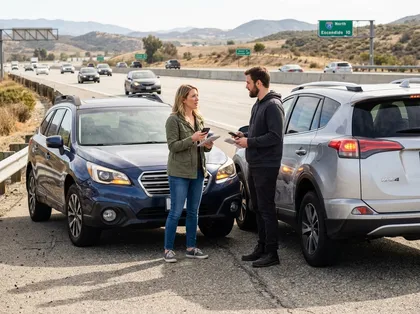
- Move away from traffic. If your vehicle can be moved safely, move it out of active traffic and to a safer location nearby. If the vehicle is disabled or unsafe to move, get yourself and your passengers away from moving traffic when possible. Do not stand in the roadway to inspect damage, exchange information, or take photos.
- Watch for additional hazards. Stay alert for approaching traffic, fire, smoke, leaking fuel or fluids, broken glass, unstable vehicles, and other dangers at the scene. Keep a safe distance from anything that could cause further injury.
- Request necessary assistance. Call 911 if the crash creates a dangerous roadway condition, such as blocked lanes, fire, leaking fluids, or other immediate hazards. Give the dispatcher clear details so they can send the appropriate responders to the scene.
- Stay in a safe place. Remain at or near the accident scene, but move to a spot away from traffic and other hazards. Wait there for police, firefighters, or medical help.
- Get medical attention. See a doctor if you’re injured, have symptoms, or aren’t sure if you were hurt.
Once you address your immediate safety and medical needs, you can focus on reporting requirements, exchanging information, and documenting the collision.
Why Is Prompt Medical Treatment Crucial For Your Claim?
Getting medical attention soon after a car accident can protect both your health and your personal injury claim. Some injuries are obvious right away, while others may take hours or even days to cause noticeable symptoms. Prompt medical treatment establishes a direct link between the collision and your physical injuries.
Seeking prompt medical care is important because it can:
- Identify injuries early. A medical evaluation can detect injuries that might not appear right away after a crash. These injuries can cause mild or delayed symptoms like pain, dizziness, confusion, numbness, headaches, or limited movement.
- Prevent injuries from getting worse. A medical professional can evaluate your condition and recommend appropriate treatment before a problem becomes more serious.
- Create a medical record of your injuries. Medical records can show your symptoms, diagnosis, and treatment. They also note when you first sought care after the collision.
- Help connect your injuries to the crash. A long delay in treatment might make an insurance company doubt whether your injuries were from the accident or something else.
When you get medical care, explain how the crash happened. Describe your symptoms clearly. You’ll also want to let your provider know when those symptoms began. Retain copies of your medical records, bills, prescriptions, and other treatment documents. You might need them for your insurance claim or personal injury case. Car accident lawyers can use these records to assess the extent of your injuries, document your treatment, and evaluate the losses you may be entitled to recover.
Why Is Stopping Important After A Car Accident In California?
California law requires drivers to stop after a car accident and fulfill specific duties depending on what happened:
| Crash Circumstance | What You Must Do Under California Law |
|---|---|
| Someone is injured or killed. | Vehicle Code § 20001: Stop immediately at the scene and fulfill the duties required under §§ 20003 and 20004. |
| Someone is injured and needs help. | Vehicle Code § 20003: Give your name, address, and vehicle registration information to the other party and any officer at the scene. Provide reasonable assistance, including arranging transportation for medical care when necessary. |
| The crash causes only property damage. | Vehicle Code § 20002: Stop at the nearest safe location without unnecessarily blocking traffic, then locate and notify the property owner. If you can’t find them, leave a written notice and report the accident to the police. |
Stopping allows you to:
- Comply with California law. Leaving the scene without fulfilling your legal duties can result in serious consequences.
- Exchange required information. Drivers generally need to provide identifying, vehicle, and insurance information after a collision.
- Assist with an accurate accident record. Remaining at the scene allows responding officers and the other parties to document what happened.
- Preserve important claim information. Staying long enough to exchange details and identify witnesses can help prevent problems later when filing an insurance or personal injury claim.
Under California Vehicle Code § 16025, drivers involved in a collision generally must exchange:
- Name and current residence address.
- Driver’s license number.
- Vehicle identification number (VIN).
- Registered owner’s current residence address.
- Proof of financial responsibility.
- If insured, the insurance company’s name and address, and the policy number.
Additional information may be required depending on the circumstances of the crash. Also, note the vehicle’s make, model, and color for your records.
What Should You Avoid After A Car Accident?
After a car accident, some actions can complicate your insurance claim or personal injury case. Avoid the following mistakes while you document the crash, complete required reports, and address your injuries.
- Admitting fault or speculating about how the crash happened.
- Posting details, photos, or comments about the collision on social media.
- Signing insurance documents before you understand their terms.
- Discarding records or evidence related to the accident.
- Missing applicable reporting, insurance, or DMV deadlines.
When talking to police or insurance representatives, share only what you know is true. Don’t guess about who is responsible.
Additional Steps To Consider After A Car Accident
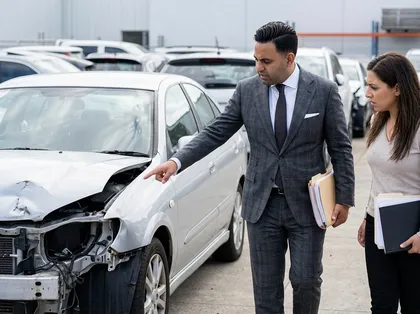
Once immediate safety concerns and medical needs are addressed, there are additional steps you can take. These steps can help protect your health, document the accident, and preserve a potential claim.
- Document the crash when it is safe to do so. Capture photos or videos of the vehicle damage, road conditions, traffic signs, and any visible injuries. Obtain contact information from any witnesses and note whether any nearby cameras may have recorded the collision.
- Notify your insurance company. Report the crash within the time required by your policy. Provide accurate information, avoid speculation, and keep copies of claim-related records and communications.
- Preserve evidence. Save photos, videos, dashcam footage, medical records, repair estimates, towing documents, and insurance communications. Note any nearby cameras or other evidence sources before recordings are overwritten or conditions change.
- Track your injuries and losses. Keep records of medical treatment, prescriptions, expenses, missed work, and other accident-related losses. Report new or worsening symptoms to your medical provider.
- Complete any required law-enforcement report. If the crash resulted in injury or death, California law generally requires a written report to the appropriate law enforcement agency within 24 hours. You may also need to file a traffic accident report (SR-1) with the California Department of Motor Vehicles (DMV) within 10 days if:
- Anyone was injured or killed.
- The crash caused more than $1,000 in property damage.
DMV reporting applies no matter who was at fault and is separate from any police or insurance report.
- Consult a car accident lawyer. You may want to speak with a personal injury lawyer if:
- You suffered serious injuries and incurred substantial losses.
- There is a dispute about who was at fault.
- Your claim was denied or undervalued.
A car accident attorney can review the evidence and explain your legal options. They can identify available insurance coverage and communicate with insurers when appropriate. They can also help preserve important evidence and explain the types of compensation that may be available.
While there are ways to avoid car accidents, some collisions are unavoidable when another driver acts recklessly or negligently. Knowing what to do after a car accident and understanding your rights can help protect your interests and preserve a potential claim.
What Options Do You Have After A Car Accident In California?
If someone else caused the car accident, you may have options to pursue compensation for the losses you sustained. Your options depend on the facts of the crash, available insurance, and the losses you suffered:
- Insurance Claim: You may file a claim with the at-fault driver’s insurer or use coverage under your own policy when it applies. California requires drivers to carry minimum amounts of auto liability insurance. However, the coverage available in a specific crash can vary. You may seek compensation for medical bills, lost income, and other covered losses.
- Uninsured or Underinsured Motorist Claim: Your own UM/UIM coverage may apply if the at-fault driver has no insurance or not enough coverage.
- Personal Injury Lawsuit: You may be able to file a lawsuit if you cannot resolve your claim through insurance. California generally gives injured people two years to file. Other deadlines may apply in some cases.
Car Accident Case Results From Arash Law
The outcome of a car accident claim depends on how well you can demonstrate your injuries and losses using the available evidence. A lawyer can help you do that. The following results Arash Law has obtained for clients illustrate how legal representation can aid in motor vehicle accident cases:
- $17,900,000: Our attorneys obtained a $17.9 million unanimous jury verdict for two clients injured in a case involving the County of Los Angeles. Despite efforts to shift responsibility, the evidence supported our clients’ claims. The jury returned its verdict after just 90 minutes of deliberation.
- $8,800,000: Our legal team represented a client who suffered serious injuries after a company van traveling at an unsafe speed hit them. As the case developed, deposition testimony clarified key issues and strengthened the claim, ultimately leading to a resolution for our client.
- $6,000,000: Our client survived a head-on collision after an intoxicated driver crossed the center line of a two-lane highway. However, his wife died in the crash. Despite disputes over liability and insurance coverage, our attorneys secured the full available policy limits for our client.
Disclaimer: Past results do not guarantee a similar outcome in future cases. Every case is unique, and the value of a claim depends on its specific facts and circumstances.
Frequently Asked Questions About Car Accidents In California
California crash victims may share many of the same urgent questions about deadlines, insurance, and legal options. The answers below address what most people want to know in the days after a collision. If your situation is more complex, speaking with an attorney can clarify what applies to your case.
How Long Do You Have To File A Car Accident Lawsuit In California?
Under California law, you generally have two years from the date of the crash to sue. Different rules and exceptions can affect the actual deadline in a particular case.
Claims involving public entities can have much shorter preliminary deadlines. California Government Code § 911.2 establishes that you must file an administrative claim with the correct public entity within six months of the car accident. This is a mandatory step you need to take before you can file a lawsuit.
Can Car Accident Injuries Appear Later?
Yes. Some injuries might not show symptoms right after a crash. Pain or discomfort may arise later. If symptoms appear or get worse, seek medical care. Explain when the crash happened and when you first noticed the symptoms. Medical records can help document that timeline if you later file an injury claim.
What Should You Do If The Other Driver Refuses To Exchange Information?
If the other driver refuses to provide information, prioritize your safety and do not escalate the confrontation. Instead, write down the license plate number and vehicle details if you can do so safely. Document the scene and ask a responding police officer for assistance. If no officer is present and you need law enforcement assistance, contact the appropriate agency.
What Happens If The At-Fault Driver Does Not Have Insurance?
If the at-fault driver does not have insurance, your own uninsured motorist (UM) coverage may help cover certain injury-related losses, depending on your policy and the circumstances of the crash.
Review your policy or ask your insurer to confirm whether UM coverage applies and what limits are available. California Insurance Code § 11580.2 governs uninsured and underinsured motorist bodily injury coverage in California auto policies.
What Should You Do If The Police Do Not Come To The Accident Scene?
If police do not respond to the scene, continue documenting the crash yourself and ensure you complete any required report:
- Exchange information with the other driver.
- Photograph the vehicles and the surrounding area.
- Collect witness contact information.
- Preserve any photos or video evidence.
If the crash caused injury or death, California law usually requires a written report to law enforcement within 24 hours. Contact your local police department or the California Highway Patrol (CHP) to learn how to submit the report if no officer was there.
Seek Legal Help After A Car Accident In California
If you were injured in a car accident in California or are facing a dispute over your claim, seeking legal advice may help. An accident attorney can explain your options and help you understand the claims process.
Arash Law represents people injured in motor vehicle accidents. Call (888) 488-1391 to schedule a free initial consultation. Our car accident lawyers work on a contingency fee basis, so you pay no attorney’s fees unless we obtain compensation for you.